
Sociedad de Artesanos
About Sociedad de Artesanos
Description
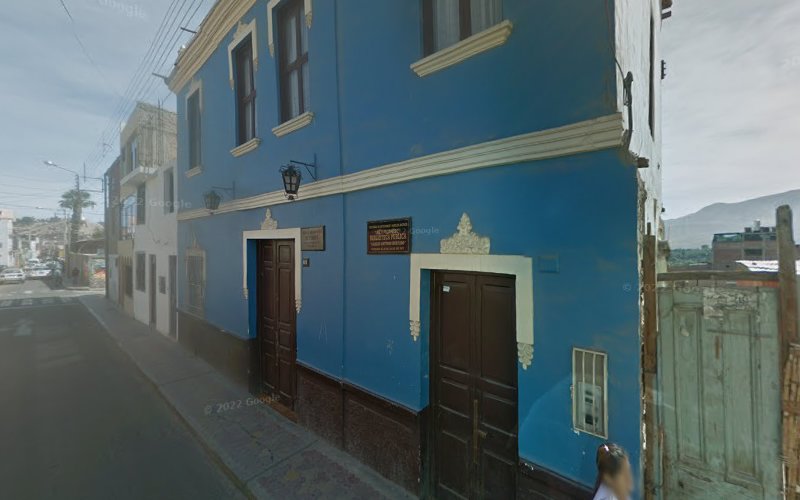
If you’ve ever walked the quiet streets of Moquegua, Peru, there’s this spot—Sociedad de Artesanos—that just grabs you. Not in a flashy neon-lights way but more in the sense of a story patiently waiting for someone to listen. This monument stands as a stone-and-mortar tribute to the generations of artesanos, the skilled craftsmen who literally built much of the ciudad and whose work echoes through the region Moquegua.
Sociedad de Artesanos Moquegua Peru is more than a building; it’s a powerful piece of the community’s historia and cultura. Over the years, this sociedad has been a gathering place, a spot for mutual aid, and, when times called for it, even a headquarters for social advancement. It’s nestled among quiet streets, a short stroll from the main plaza, and its façade tells decades’ worth of tales if you know how to look. If you’re the kind of traveler, like me, who digs a bit deeper and loves uncovering what truly shapes a city—from foundations to festivals and all the people in-between—this is the kind of place that lets you do just that.
Now, I’m not one for plain history lessons, so picture this: You arrive in Moquegua with the high Andean sun bouncing off the white colonial churches, making the streets glow. It’s surprisingly peaceful—there’s this sense that time moves slower here. As you look closer at the Sociedad de Artesanos, you realize it’s not simply a building, but a living pulse of Moquegua, reflecting how families and associations gathered, supported each other, and celebrated milestones. Even as modernity rolled in, this cultural gem resisted fading into obscurity.
The monument is not wheelchair accessible, which, let’s be real, is a bit of a setback for some travelers. But if you can manage steps, it’s worth it. Kids? Oh, definitely. The place is good for kids—mine loved a recent visit, mostly because they’re naturally curious and the square encourages just enough wild imagination to keep them occupied while adults quietly soak in some history.
Artisans' societies are common throughout Peru, but the one in Moquegua stands out for its tenacity and the unique traditions that have shaped the southern part of the país. Locals will tell you this spot is about honoring hard work and community pride—a sentiment you’ll feel from even a quick conversation with anyone milling about nearby. There's nothing like learning about a city by listening to its oldest stories, and the Sociedad de Artesanos remains a living example of how people here view progress: steady, deliberate, and unbreakably united.
Key Features
- Historic Significance: The Sociedad de Artesanos is one of the oldest monuments in Moquegua dedicated to the craftsmen who were essential to building the local comunidad over los años. Their legacy is engraved in every stone and mural.
- Architectural Highlights: The monument’s architectural style is classically Peruvian with touches reminiscent of colonial influences, standing as a physical link between past and present. Pay close attention to the unique details—even the wear on the doors has a story.
- Cultural Heartbeat: Hosts and supports various traditional activities, commemorations, and fiestas throughout the year. If you’re lucky, you might catch a local celebration or small mercado on your visit.
- Family Friendly: The setting is inviting for families and good for kids, with the open plaza nearby making it a comfortable pause during a day of tourism in the región Moquegua.
- Insight into Artisan Guilds: A rare look at the evolution of artisan societies in southern Peru and how they shaped social progress, sometimes in ways glossed over in most guidebooks.
- Photogenic Setting: With its modest but graceful façade and a surrounding district full of character, this is a favorite backdrop for photos among both locals and visitors (no filter needed—the sunlight here is unreal).
- Peaceful Location: The Socieded de Artesanos offers a calm escape from busier tourist stops, making it especially enjoyable if you prefer slow travel and quiet exploration.
- Rich Oral Histories: Frequently, you’ll encounter older residents eager to share tales passed down entre los años. These stories breathe life into the walls and offer a living museum experience—if you just slow down and listen.
Best Time to Visit
Honestly, Moquegua is pleasantmost of the year, thanks to its enviable climate in the sur del Perú. The dry season, running roughly from May to November, is especially inviting: cool evenings, warm days, and little rain. During October and November there are sometimes celebraciones and public events where the sociedad artesanos often becomes a lively focal point, brimming with activity and color.
And don’t sleep on the city’s Fiesta de Santa Fortunata in October, a major cultural moment for the whole región Moquegua. Even if you’re the sort of traveler who avoids crowds like the plague, this energy is contagious—the streets come alive, giving you a perfect window into local tradition. Bonus: during these festival days, the monument transforms into an unofficial meeting point for locals, so it’s prime people-watching and cultural immersion.
The rest of the year? Still a good bet, but aim for a mild, sunny morning or a pre-sunset stroll. The late afternoon light gives the monument a warm, golden glow—I know I got my best photos with that magical lighting.
How to Get There
You’ll find Sociedad de Artesanos conveniently in the city center of Moquegua. For out-of-towners, the main route into Moquegua is typically via bus—there are direct long-distance options from big cities like Arequipa, Tacna, and even Lima. Once you’re in Moquegua, you won’t need a car; honestly, most travelers choose to explore a pie (on foot) because the city is compact and most attractions huddle around the central plaza.
If you’re already exploring the heart of Moquegua, the monument is a short, easy stroll from Plaza de Armas. Walking gives you the best sense of the old streets and the gentle pace of local life—plus you might end up bumping into a bakery or café that barely made it to Google Maps.
Public transit exists, but in my experience, walking or grabbing a short taxi ride is simplest. And if you’re hauling luggage or the kids are flagging, taxis are affordable and surprisingly pleasant—don’t be surprised if the driver shares a bit of city lore en route.
Tips for Visiting
- Take Your Time: Don’t rush through. The real charm of the Sociedad de Artesanos comes out when you pause, wander the outside, chat with a local, or simply sit on a bench and watch daily life unfold.
- Mornings or Evenings: Visit early or late in the day for the best atmosphere and softer light. Afternoons can get warm, and there’s just something special about the peace that settles after the day’s bustle.
- Ask About Events: Check at local tourist information spots for any activities planned during your stay. Sometimes there are temporary art displays, commemorative events, or gatherings that don’t get a splashy online announcement.
- Be Respectful: This is still a living monument in many ways—not a cordoned-off relic—so treat the space with respect. You might see ceremonies or formal gatherings taking place.
- Kids Welcome: Good spot for families, but keep an eye on children as the area out front is sometimes busy. There’s enough open space to let little ones stretch their legs.
- No Wheelchair Access: Unfortunately, there’s no wheelchair accessible parking or ramps. If mobility is a concern, call ahead or contact local tourism offices for the latest info—they may have some creative workarounds or alternate tour options.
- Photography: Bring your camera or phone—between the old-world details, nearby plazas, and the changing sunlight, this is catnip for anyone who loves capturing urban detail.
- Local Eats: Don’t ignore your stomach! The area around the monument is packed with small eateries—think fresh tamales, sweet local volcanica (pastries), and the odd chicha de maní (a nutty maize drink you should try at least once).
Above all, what makes the Sociedad de Artesanos Moquegua Peru stand out isn’t only its age or architecture, but how it remains woven into the social fabric of the city. It’s still a point of pride, and, if you listen carefully, a thousand stories are waiting just behind those sun-warmed adobe walls. So take a stroll, ask a few questions, open yourself to connection, and you’ll come away knowing Moquegua—and its people—a little better.
Key Features
- Key Features
- Best Time to Visit
- How to Get There
- Tips for Visiting
More Details
Updated July 12, 2025
Table of Contents
Description
If you’ve ever walked the quiet streets of Moquegua, Peru, there’s this spot—Sociedad de Artesanos—that just grabs you. Not in a flashy neon-lights way but more in the sense of a story patiently waiting for someone to listen. This monument stands as a stone-and-mortar tribute to the generations of artesanos, the skilled craftsmen who literally built much of the ciudad and whose work echoes through the region Moquegua.
Sociedad de Artesanos Moquegua Peru is more than a building; it’s a powerful piece of the community’s historia and cultura. Over the years, this sociedad has been a gathering place, a spot for mutual aid, and, when times called for it, even a headquarters for social advancement. It’s nestled among quiet streets, a short stroll from the main plaza, and its façade tells decades’ worth of tales if you know how to look. If you’re the kind of traveler, like me, who digs a bit deeper and loves uncovering what truly shapes a city—from foundations to festivals and all the people in-between—this is the kind of place that lets you do just that.
Now, I’m not one for plain history lessons, so picture this: You arrive in Moquegua with the high Andean sun bouncing off the white colonial churches, making the streets glow. It’s surprisingly peaceful—there’s this sense that time moves slower here. As you look closer at the Sociedad de Artesanos, you realize it’s not simply a building, but a living pulse of Moquegua, reflecting how families and associations gathered, supported each other, and celebrated milestones. Even as modernity rolled in, this cultural gem resisted fading into obscurity.
The monument is not wheelchair accessible, which, let’s be real, is a bit of a setback for some travelers. But if you can manage steps, it’s worth it. Kids? Oh, definitely. The place is good for kids—mine loved a recent visit, mostly because they’re naturally curious and the square encourages just enough wild imagination to keep them occupied while adults quietly soak in some history.
Artisans’ societies are common throughout Peru, but the one in Moquegua stands out for its tenacity and the unique traditions that have shaped the southern part of the país. Locals will tell you this spot is about honoring hard work and community pride—a sentiment you’ll feel from even a quick conversation with anyone milling about nearby. There’s nothing like learning about a city by listening to its oldest stories, and the Sociedad de Artesanos remains a living example of how people here view progress: steady, deliberate, and unbreakably united.
Key Features
- Historic Significance: The Sociedad de Artesanos is one of the oldest monuments in Moquegua dedicated to the craftsmen who were essential to building the local comunidad over los años. Their legacy is engraved in every stone and mural.
- Architectural Highlights: The monument’s architectural style is classically Peruvian with touches reminiscent of colonial influences, standing as a physical link between past and present. Pay close attention to the unique details—even the wear on the doors has a story.
- Cultural Heartbeat: Hosts and supports various traditional activities, commemorations, and fiestas throughout the year. If you’re lucky, you might catch a local celebration or small mercado on your visit.
- Family Friendly: The setting is inviting for families and good for kids, with the open plaza nearby making it a comfortable pause during a day of tourism in the región Moquegua.
- Insight into Artisan Guilds: A rare look at the evolution of artisan societies in southern Peru and how they shaped social progress, sometimes in ways glossed over in most guidebooks.
- Photogenic Setting: With its modest but graceful façade and a surrounding district full of character, this is a favorite backdrop for photos among both locals and visitors (no filter needed—the sunlight here is unreal).
- Peaceful Location: The Socieded de Artesanos offers a calm escape from busier tourist stops, making it especially enjoyable if you prefer slow travel and quiet exploration.
- Rich Oral Histories: Frequently, you’ll encounter older residents eager to share tales passed down entre los años. These stories breathe life into the walls and offer a living museum experience—if you just slow down and listen.
Best Time to Visit
Honestly, Moquegua is pleasantmost of the year, thanks to its enviable climate in the sur del Perú. The dry season, running roughly from May to November, is especially inviting: cool evenings, warm days, and little rain. During October and November there are sometimes celebraciones and public events where the sociedad artesanos often becomes a lively focal point, brimming with activity and color.
And don’t sleep on the city’s Fiesta de Santa Fortunata in October, a major cultural moment for the whole región Moquegua. Even if you’re the sort of traveler who avoids crowds like the plague, this energy is contagious—the streets come alive, giving you a perfect window into local tradition. Bonus: during these festival days, the monument transforms into an unofficial meeting point for locals, so it’s prime people-watching and cultural immersion.
The rest of the year? Still a good bet, but aim for a mild, sunny morning or a pre-sunset stroll. The late afternoon light gives the monument a warm, golden glow—I know I got my best photos with that magical lighting.
How to Get There
You’ll find Sociedad de Artesanos conveniently in the city center of Moquegua. For out-of-towners, the main route into Moquegua is typically via bus—there are direct long-distance options from big cities like Arequipa, Tacna, and even Lima. Once you’re in Moquegua, you won’t need a car; honestly, most travelers choose to explore a pie (on foot) because the city is compact and most attractions huddle around the central plaza.
If you’re already exploring the heart of Moquegua, the monument is a short, easy stroll from Plaza de Armas. Walking gives you the best sense of the old streets and the gentle pace of local life—plus you might end up bumping into a bakery or café that barely made it to Google Maps.
Public transit exists, but in my experience, walking or grabbing a short taxi ride is simplest. And if you’re hauling luggage or the kids are flagging, taxis are affordable and surprisingly pleasant—don’t be surprised if the driver shares a bit of city lore en route.
Tips for Visiting
- Take Your Time: Don’t rush through. The real charm of the Sociedad de Artesanos comes out when you pause, wander the outside, chat with a local, or simply sit on a bench and watch daily life unfold.
- Mornings or Evenings: Visit early or late in the day for the best atmosphere and softer light. Afternoons can get warm, and there’s just something special about the peace that settles after the day’s bustle.
- Ask About Events: Check at local tourist information spots for any activities planned during your stay. Sometimes there are temporary art displays, commemorative events, or gatherings that don’t get a splashy online announcement.
- Be Respectful: This is still a living monument in many ways—not a cordoned-off relic—so treat the space with respect. You might see ceremonies or formal gatherings taking place.
- Kids Welcome: Good spot for families, but keep an eye on children as the area out front is sometimes busy. There’s enough open space to let little ones stretch their legs.
- No Wheelchair Access: Unfortunately, there’s no wheelchair accessible parking or ramps. If mobility is a concern, call ahead or contact local tourism offices for the latest info—they may have some creative workarounds or alternate tour options.
- Photography: Bring your camera or phone—between the old-world details, nearby plazas, and the changing sunlight, this is catnip for anyone who loves capturing urban detail.
- Local Eats: Don’t ignore your stomach! The area around the monument is packed with small eateries—think fresh tamales, sweet local volcanica (pastries), and the odd chicha de maní (a nutty maize drink you should try at least once).
Above all, what makes the Sociedad de Artesanos Moquegua Peru stand out isn’t only its age or architecture, but how it remains woven into the social fabric of the city. It’s still a point of pride, and, if you listen carefully, a thousand stories are waiting just behind those sun-warmed adobe walls. So take a stroll, ask a few questions, open yourself to connection, and you’ll come away knowing Moquegua—and its people—a little better.
Key Highlights
- Key Features
- Best Time to Visit
- How to Get There
- Tips for Visiting
Location
Places to Stay Near Sociedad de Artesanos
Find and Book a Tour
Explore More Travel Guides
No reviews found! Be the first to review!
Traveler Reviews for Sociedad de Artesanos
There are no reviews yet. Be the first one to write one.
Have you visited Sociedad de Artesanos? Help other travelers by sharing your review.
You Might Also Like
Obelisco - Batalla de Los Ángeles
Santuario Nacional Lagunas de Mejia
Calle Omate Park
Find Accommodations Nearby
Recommended Tours & Activities
Visitor Reviews
There are no reviews yet. Be the first one to write one.
Share Your Experience
Have you visited Sociedad de Artesanos? Help other travelers by leaving a review.