
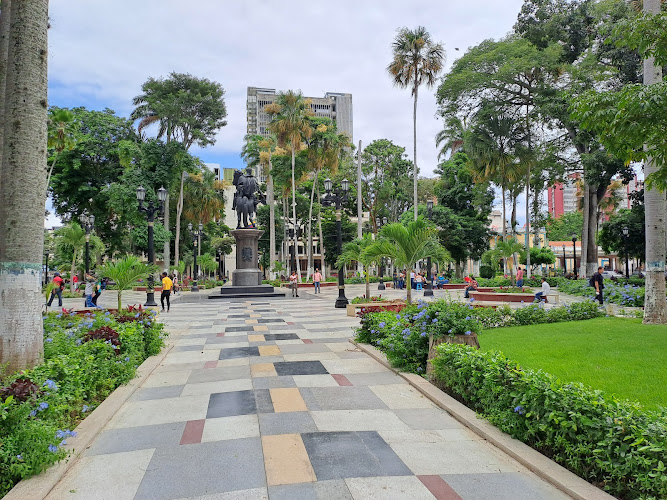
Plaza Bolívar de Barquisimeto
About Plaza Bolívar de Barquisimeto
Description
Plaza Bolívar de Barquisimeto is one of those places that quietly sneaks up on you with its charm. It’s not flashy or overly polished, but it has that grounded, lived-in feeling that makes you want to linger a bit longer than planned. Located in the historical heart of Barquisimeto, this plaza isn’t just another patch of green in the city—it’s a cultural hub, a meeting spot, and a slice of local life rolled into one. You’ll find people chatting under the shade of old trees, kids chasing pigeons across the square, and street vendors selling coffee that smells strong enough to wake the entire city.
What’s interesting about Plaza Bolívar is how it blends history and modern life so effortlessly. The statue of Simón Bolívar stands proudly at its center, reminding everyone of Venezuela’s revolutionary roots, while around it, the rhythm of daily life continues—students passing by, families strolling, and the occasional musician filling the air with guitar tunes. There’s something deeply authentic about that mix. It’s not a place that tries too hard to impress tourists, but rather one that invites you to experience the real Barquisimeto.
The plaza is surrounded by some of the city’s most important buildings—the municipal government offices, the Plaza de la Justicia, and the Church of the Immaculate Conception. Together, they give the area a distinctly historical feel, almost like walking through a living museum. The architecture tells stories of different eras, from colonial touches to mid-century Venezuelan design. And if you’re into photography, the contrast between the old facades and the vibrant street life makes for some great shots.
It’s also worth noting that the plaza is well-maintained, with clean walkways and plenty of benches to rest on. You can tell the locals take pride in keeping it welcoming. It’s accessible for everyone, including wheelchair users, and yes—dogs are allowed, which is always a plus if you’re traveling with your furry companion. Families seem to love it here too; there’s a sense of safety and community that makes it a comfortable place to spend an afternoon.
Of course, not every visitor leaves completely enchanted. Some might say it’s just another plaza, maybe a bit quieter than expected, or that it could use more entertainment options. But that’s kind of the beauty of it—it’s not trying to be a theme park. It’s a genuine public space where the city breathes. If you’re looking for authenticity, this is where you’ll find it. And if you sit there long enough, watching the world go by, you’ll start to understand why so many locals hold it close to their hearts.
Key Features
- Historic centerpiece: The statue of Simón Bolívar stands as a powerful reminder of Venezuela’s independence and the city’s patriotic spirit.
- Architectural surroundings: Flanked by the Church of the Immaculate Conception, the municipal government building, and the Plaza de la Justicia, offering a rich blend of history and architecture.
- Family-friendly atmosphere: Safe, open spaces where children can play freely and parents can relax.
- Pet-friendly environment: Visitors can bring their dogs along, making it a great stop for travelers with pets.
- Accessibility: Wheelchair-accessible paths and entrances ensure inclusivity for all visitors.
- Local life: A popular gathering spot for residents—perfect for people-watching, casual strolls, or chatting with locals.
- Cultural events: Occasionally hosts civic ceremonies, small concerts, and community gatherings that showcase Barquisimeto’s traditions.
- Clean and well-kept: Maintained by the city, with tidy gardens and shaded seating areas for comfort.
Best Time to Visit
If you ask me, the best time to visit Plaza Bolívar de Barquisimeto is during the late afternoon, just before sunset. The light hits the buildings in this warm, golden way that makes everything look like a postcard. It’s also when the plaza really comes alive—families gather, couples stroll hand in hand, and the air cools down enough to make walking pleasant again. Mornings are quieter, perfect if you prefer a more peaceful vibe or want to take photos without too many people around.
Weather-wise, Barquisimeto enjoys a relatively mild climate year-round, but from December to March, the skies are clearer, and the air feels fresher. If you happen to visit during local festivities—especially around February for Youth Day—you might catch cultural parades or performances right in the plaza. It’s a great way to see how deeply the city’s identity is tied to this space.
How to Get There
Getting to Plaza Bolívar is pretty straightforward. It’s located in the central part of Barquisimeto, so most routes lead there naturally. If you’re staying near the downtown area, you can easily walk—it’s safe and gives you a chance to explore the nearby streets filled with shops and small cafés. For those coming from farther out, taxis and local buses stop close to the plaza. Public transportation in Barquisimeto is affordable, though sometimes a bit unpredictable, so I’d recommend allowing some extra time if you’re on a schedule.
If you’re driving, parking can be a bit tricky during peak hours, but there are several small lots and street parking areas nearby. I’ve found that arriving earlier in the day makes it easier to find a spot. And honestly, once you’re there, you won’t need a car—everything around the plaza is within walking distance.
Tips for Visiting
First off, take your time. Don’t just snap a photo and move on. Sit on one of the benches, grab a coffee from a nearby vendor, and soak it all in. The real magic of Plaza Bolívar isn’t in any single monument—it’s in the atmosphere. You’ll feel it in the laughter of kids, the rhythm of passing traffic, and the casual greetings between neighbors.
Here are a few practical tips to make the most of your visit:
- Bring sunscreen and water: The sun in Barquisimeto can be intense, especially around midday. A hat and a bottle of water go a long way.
- Visit during the week: Weekends can get busy, so if you prefer a quieter experience, go on a weekday morning.
- Respect local customs: This plaza holds cultural and historical significance, so be mindful during ceremonies or public gatherings.
- Keep your belongings close: Like in any urban area, stay aware of your surroundings—though the plaza generally feels safe.
- Talk to locals: People in Barquisimeto are friendly and proud of their city. Ask them about the plaza’s history—you’ll hear stories you won’t find in any guidebook.
- Bring your camera: Between the architecture, the statue, and the daily life scenes, you’ll want to capture a few moments to remember.
Personally, I think what makes Plaza Bolívar de Barquisimeto special is how it reflects the soul of the city. It’s not a tourist trap—it’s a living, breathing part of local life. You can feel the history under your feet and see the future in the faces of the people walking by. Whether you’re a history buff, a casual traveler, or just someone looking for a quiet place to sit and think, this plaza gives you that rare sense of connection to a place and its people.
So, if you ever find yourself in Barquisimeto, carve out an hour—or three—to wander through Plaza Bolívar. You might arrive as a visitor, but you’ll leave feeling a little like a local. And that, in my book, is the best kind of travel experience.
Key Features
- Key Features
- Best Time to Visit
- How to Get There
- Tips for Visiting
More Details
Updated October 9, 2025
Table of Contents
Description
Plaza Bolívar de Barquisimeto is one of those places that quietly sneaks up on you with its charm. It’s not flashy or overly polished, but it has that grounded, lived-in feeling that makes you want to linger a bit longer than planned. Located in the historical heart of Barquisimeto, this plaza isn’t just another patch of green in the city—it’s a cultural hub, a meeting spot, and a slice of local life rolled into one. You’ll find people chatting under the shade of old trees, kids chasing pigeons across the square, and street vendors selling coffee that smells strong enough to wake the entire city.
What’s interesting about Plaza Bolívar is how it blends history and modern life so effortlessly. The statue of Simón Bolívar stands proudly at its center, reminding everyone of Venezuela’s revolutionary roots, while around it, the rhythm of daily life continues—students passing by, families strolling, and the occasional musician filling the air with guitar tunes. There’s something deeply authentic about that mix. It’s not a place that tries too hard to impress tourists, but rather one that invites you to experience the real Barquisimeto.
The plaza is surrounded by some of the city’s most important buildings—the municipal government offices, the Plaza de la Justicia, and the Church of the Immaculate Conception. Together, they give the area a distinctly historical feel, almost like walking through a living museum. The architecture tells stories of different eras, from colonial touches to mid-century Venezuelan design. And if you’re into photography, the contrast between the old facades and the vibrant street life makes for some great shots.
It’s also worth noting that the plaza is well-maintained, with clean walkways and plenty of benches to rest on. You can tell the locals take pride in keeping it welcoming. It’s accessible for everyone, including wheelchair users, and yes—dogs are allowed, which is always a plus if you’re traveling with your furry companion. Families seem to love it here too; there’s a sense of safety and community that makes it a comfortable place to spend an afternoon.
Of course, not every visitor leaves completely enchanted. Some might say it’s just another plaza, maybe a bit quieter than expected, or that it could use more entertainment options. But that’s kind of the beauty of it—it’s not trying to be a theme park. It’s a genuine public space where the city breathes. If you’re looking for authenticity, this is where you’ll find it. And if you sit there long enough, watching the world go by, you’ll start to understand why so many locals hold it close to their hearts.
Key Features
- Historic centerpiece: The statue of Simón Bolívar stands as a powerful reminder of Venezuela’s independence and the city’s patriotic spirit.
- Architectural surroundings: Flanked by the Church of the Immaculate Conception, the municipal government building, and the Plaza de la Justicia, offering a rich blend of history and architecture.
- Family-friendly atmosphere: Safe, open spaces where children can play freely and parents can relax.
- Pet-friendly environment: Visitors can bring their dogs along, making it a great stop for travelers with pets.
- Accessibility: Wheelchair-accessible paths and entrances ensure inclusivity for all visitors.
- Local life: A popular gathering spot for residents—perfect for people-watching, casual strolls, or chatting with locals.
- Cultural events: Occasionally hosts civic ceremonies, small concerts, and community gatherings that showcase Barquisimeto’s traditions.
- Clean and well-kept: Maintained by the city, with tidy gardens and shaded seating areas for comfort.
Best Time to Visit
If you ask me, the best time to visit Plaza Bolívar de Barquisimeto is during the late afternoon, just before sunset. The light hits the buildings in this warm, golden way that makes everything look like a postcard. It’s also when the plaza really comes alive—families gather, couples stroll hand in hand, and the air cools down enough to make walking pleasant again. Mornings are quieter, perfect if you prefer a more peaceful vibe or want to take photos without too many people around.
Weather-wise, Barquisimeto enjoys a relatively mild climate year-round, but from December to March, the skies are clearer, and the air feels fresher. If you happen to visit during local festivities—especially around February for Youth Day—you might catch cultural parades or performances right in the plaza. It’s a great way to see how deeply the city’s identity is tied to this space.
How to Get There
Getting to Plaza Bolívar is pretty straightforward. It’s located in the central part of Barquisimeto, so most routes lead there naturally. If you’re staying near the downtown area, you can easily walk—it’s safe and gives you a chance to explore the nearby streets filled with shops and small cafés. For those coming from farther out, taxis and local buses stop close to the plaza. Public transportation in Barquisimeto is affordable, though sometimes a bit unpredictable, so I’d recommend allowing some extra time if you’re on a schedule.
If you’re driving, parking can be a bit tricky during peak hours, but there are several small lots and street parking areas nearby. I’ve found that arriving earlier in the day makes it easier to find a spot. And honestly, once you’re there, you won’t need a car—everything around the plaza is within walking distance.
Tips for Visiting
First off, take your time. Don’t just snap a photo and move on. Sit on one of the benches, grab a coffee from a nearby vendor, and soak it all in. The real magic of Plaza Bolívar isn’t in any single monument—it’s in the atmosphere. You’ll feel it in the laughter of kids, the rhythm of passing traffic, and the casual greetings between neighbors.
Here are a few practical tips to make the most of your visit:
- Bring sunscreen and water: The sun in Barquisimeto can be intense, especially around midday. A hat and a bottle of water go a long way.
- Visit during the week: Weekends can get busy, so if you prefer a quieter experience, go on a weekday morning.
- Respect local customs: This plaza holds cultural and historical significance, so be mindful during ceremonies or public gatherings.
- Keep your belongings close: Like in any urban area, stay aware of your surroundings—though the plaza generally feels safe.
- Talk to locals: People in Barquisimeto are friendly and proud of their city. Ask them about the plaza’s history—you’ll hear stories you won’t find in any guidebook.
- Bring your camera: Between the architecture, the statue, and the daily life scenes, you’ll want to capture a few moments to remember.
Personally, I think what makes Plaza Bolívar de Barquisimeto special is how it reflects the soul of the city. It’s not a tourist trap—it’s a living, breathing part of local life. You can feel the history under your feet and see the future in the faces of the people walking by. Whether you’re a history buff, a casual traveler, or just someone looking for a quiet place to sit and think, this plaza gives you that rare sense of connection to a place and its people.
So, if you ever find yourself in Barquisimeto, carve out an hour—or three—to wander through Plaza Bolívar. You might arrive as a visitor, but you’ll leave feeling a little like a local. And that, in my book, is the best kind of travel experience.
Key Highlights
- Key Features
- Best Time to Visit
- How to Get There
- Tips for Visiting
Location
Places to Stay Near Plaza Bolívar de Barquisimeto
Find and Book a Tour
Explore More Travel Guides
No reviews found! Be the first to review!
Traveler Reviews for Plaza Bolívar de Barquisimeto
There are no reviews yet. Be the first one to write one.
Have you visited Plaza Bolívar de Barquisimeto? Help other travelers by sharing your review.
You Might Also Like
Plaza de la 51
Entrada Santa Rosa
Tamaca
Find Accommodations Nearby
Recommended Tours & Activities
Visitor Reviews
There are no reviews yet. Be the first one to write one.
Share Your Experience
Have you visited Plaza Bolívar de Barquisimeto? Help other travelers by leaving a review.