
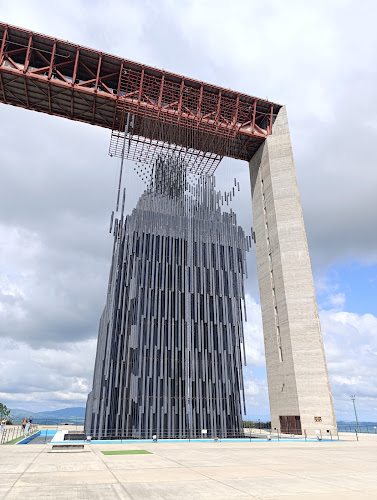
Monumento Manto de María Divina Pastora
About Monumento Manto de María Divina Pastora
Description
High above the city of Barquisimeto, the Monumento Manto de María Divina Pastora stretches toward the sky like a shimmering veil of faith and art. It’s one of those places that you don’t just visit—you feel it. Built as a tribute to the beloved Divina Pastora, the patron saint of Lara State, this monumental sculpture has become both a spiritual beacon and a modern architectural marvel. It’s not every day you find a structure that manages to blend religious devotion, artistic ingenuity, and panoramic beauty all in one spot.
I still remember the first time I saw it in person. The sun was beginning to set, and the metallic panels of the structure caught the last golden rays, glowing softly against the dusky sky. It almost looked alive—like a gentle wave of light. And that’s kind of what this monument represents: faith that moves, breathes, and shines even in the modern world.
The monument was inaugurated in 2016, marking the 160th annual procession of the Divina Pastora, one of the largest Marian processions in the world. Since then, it’s become a must-see stop for both pilgrims and travelers curious about Venezuelan culture. The design, crafted from hundreds of steel plates, forms an abstract silhouette of the Virgin Mary that seems to float when viewed from a distance. By day, it’s impressive; by night, when illuminated, it’s downright mesmerizing.
And while the monument’s spiritual significance draws many, others come for the view. From the top, you can see the entire city of Barquisimeto spread out below, framed by rolling hills and a horizon that seems endless. It’s peaceful up there—windy sometimes, sure, but that only adds to the charm. The air feels different, lighter somehow, like the kind that makes you want to linger just a little longer.
Key Features
- Architectural Design: A towering steel structure representing the Virgin Mary, blending modern art with religious symbolism.
- Observation Deck: Offers sweeping views of Barquisimeto and the surrounding landscape—especially stunning at sunset.
- Spiritual Significance: Dedicated to the Divina Pastora, one of the most venerated figures in Venezuelan Catholicism.
- Accessibility: Fully wheelchair-accessible with ramps, restrooms, and parking designed for all visitors.
- Family-Friendly: Safe, open spaces where children can explore and families can enjoy a peaceful outing.
- Local Amenities: On-site restrooms, souvenir shops, and small food stalls offering traditional snacks and refreshments.
- Night Illumination: The monument lights up beautifully after dark, creating a serene and almost ethereal atmosphere.
What’s especially lovely is how the place manages to feel both grand and intimate. You can stand in awe of its scale, then turn around and find a quiet corner to reflect or snap a photo without feeling rushed. Locals often come here in the evenings for a walk or to watch the sun dip behind the city. It’s become a social space as much as a sacred one.
Best Time to Visit
If you’re planning a trip, timing matters. The most popular period is mid-January, during the annual Procesión de la Divina Pastora. Thousands of pilgrims gather to honor the Virgin, and the energy is unlike anything else—devotional, emotional, and deeply human. But if crowds aren’t your thing, you might prefer visiting between February and April when the weather is dry, skies are clear, and you can enjoy the view without the heat being too harsh.
Personally, I think late afternoon is the sweet spot. The light is perfect for photos, and you can stick around to see the monument transition from day to night. Watching the lights flicker on, one by one, feels almost ceremonial. And if you’re lucky, you might catch one of those famous Barquisimeto sunsets that paint the sky in pinks and oranges—it’s pure magic.
How to Get There
Reaching the Monumento Manto de María Divina Pastora is pretty straightforward. It’s located on a hill just east of Barquisimeto, and you can easily get there by car or taxi. If you’re staying in the city center, it’s about a 20-minute drive, depending on traffic. Public transportation options are limited, so hiring a local driver or using a ride-hailing service is usually the best bet.
For those who enjoy a bit of adventure, there’s also a walking path that locals sometimes take up the hill. It’s not too steep, but definitely bring water and sunscreen—the Venezuelan sun doesn’t play around. Once you’re up there, though, the effort pays off. The view alone is worth every step.
Parking is available near the entrance, and the area is generally well-maintained. There are security personnel on-site, which adds a sense of comfort, especially if you’re visiting in the evening. And if you’re traveling with someone who has mobility challenges, don’t worry—the site is fully equipped with ramps and accessible restrooms.
Tips for Visiting
Over the years, I’ve picked up a few tips that can make your visit smoother and more enjoyable. Here’s what I’d suggest:
- Go early or late: Midday can get hot and bright, so aim for early morning or late afternoon for the best light and comfort.
- Bring water and a hat: There’s not much shade, and the sun can be intense, especially between December and May.
- Respect the site: Remember, this is both a tourist attraction and a place of worship. Dress modestly and keep noise levels down.
- Take your time: Don’t rush your visit. Walk around, climb the observation area, and just soak in the atmosphere.
- Stay for sunset: Truly, this is when the monument reveals its magic. The colors, the lights, the calm—it’s unforgettable.
- Try local snacks: Nearby vendors often sell traditional treats like arepas and chicha. Grab one; it’s part of the experience.
- Photography tip: The best shots are from the base looking upward or from the observation deck at dusk. Bring a wide-angle lens if you can.
One thing I love about visiting the Manto de María is how it brings people together. You’ll see families, couples, solo travelers, even local artists sketching in the shade. Everyone seems to find their own reason to be there. Some come to pray, others to admire the architecture, and some—like me—just to feel connected to something bigger than themselves.
If you’re the type who enjoys meaningful travel experiences, this place will stick with you. It’s not flashy or over-commercialized, and that’s part of its charm. It’s real. You can sense the devotion that inspired its creation, the pride of the community that surrounds it, and the quiet peace that lingers in the air long after you’ve left.
So, whether you’re a pilgrim seeking spiritual renewal or a traveler chasing unique views, the Monumento Manto de María Divina Pastora offers both. It’s one of those rare sites that manages to touch the soul while also pleasing the eye. And trust me, once you’ve stood beneath its graceful steel folds and watched the city glow below, you’ll understand why so many people keep coming back.
Key Features
- Key Features
- Best Time to Visit
- How to Get There
- Tips for Visiting
More Details
Updated October 9, 2025
Table of Contents
- Description
- Key Features
- Best Time to Visit
- How to Get There
- Tips for Visiting
- Key Highlights
- Location
- Places to Stay Near Monumento Manto de María Divina Pastora
- Find and Book a Tour
- Explore More Travel Guides
- Nearby Places You Might Like
- Traveler Reviews for Monumento Manto de María Divina Pastora
- Share Your Experience
Description
High above the city of Barquisimeto, the Monumento Manto de María Divina Pastora stretches toward the sky like a shimmering veil of faith and art. It’s one of those places that you don’t just visit—you feel it. Built as a tribute to the beloved Divina Pastora, the patron saint of Lara State, this monumental sculpture has become both a spiritual beacon and a modern architectural marvel. It’s not every day you find a structure that manages to blend religious devotion, artistic ingenuity, and panoramic beauty all in one spot.
I still remember the first time I saw it in person. The sun was beginning to set, and the metallic panels of the structure caught the last golden rays, glowing softly against the dusky sky. It almost looked alive—like a gentle wave of light. And that’s kind of what this monument represents: faith that moves, breathes, and shines even in the modern world.
The monument was inaugurated in 2016, marking the 160th annual procession of the Divina Pastora, one of the largest Marian processions in the world. Since then, it’s become a must-see stop for both pilgrims and travelers curious about Venezuelan culture. The design, crafted from hundreds of steel plates, forms an abstract silhouette of the Virgin Mary that seems to float when viewed from a distance. By day, it’s impressive; by night, when illuminated, it’s downright mesmerizing.
And while the monument’s spiritual significance draws many, others come for the view. From the top, you can see the entire city of Barquisimeto spread out below, framed by rolling hills and a horizon that seems endless. It’s peaceful up there—windy sometimes, sure, but that only adds to the charm. The air feels different, lighter somehow, like the kind that makes you want to linger just a little longer.
Key Features
- Architectural Design: A towering steel structure representing the Virgin Mary, blending modern art with religious symbolism.
- Observation Deck: Offers sweeping views of Barquisimeto and the surrounding landscape—especially stunning at sunset.
- Spiritual Significance: Dedicated to the Divina Pastora, one of the most venerated figures in Venezuelan Catholicism.
- Accessibility: Fully wheelchair-accessible with ramps, restrooms, and parking designed for all visitors.
- Family-Friendly: Safe, open spaces where children can explore and families can enjoy a peaceful outing.
- Local Amenities: On-site restrooms, souvenir shops, and small food stalls offering traditional snacks and refreshments.
- Night Illumination: The monument lights up beautifully after dark, creating a serene and almost ethereal atmosphere.
What’s especially lovely is how the place manages to feel both grand and intimate. You can stand in awe of its scale, then turn around and find a quiet corner to reflect or snap a photo without feeling rushed. Locals often come here in the evenings for a walk or to watch the sun dip behind the city. It’s become a social space as much as a sacred one.
Best Time to Visit
If you’re planning a trip, timing matters. The most popular period is mid-January, during the annual Procesión de la Divina Pastora. Thousands of pilgrims gather to honor the Virgin, and the energy is unlike anything else—devotional, emotional, and deeply human. But if crowds aren’t your thing, you might prefer visiting between February and April when the weather is dry, skies are clear, and you can enjoy the view without the heat being too harsh.
Personally, I think late afternoon is the sweet spot. The light is perfect for photos, and you can stick around to see the monument transition from day to night. Watching the lights flicker on, one by one, feels almost ceremonial. And if you’re lucky, you might catch one of those famous Barquisimeto sunsets that paint the sky in pinks and oranges—it’s pure magic.
How to Get There
Reaching the Monumento Manto de María Divina Pastora is pretty straightforward. It’s located on a hill just east of Barquisimeto, and you can easily get there by car or taxi. If you’re staying in the city center, it’s about a 20-minute drive, depending on traffic. Public transportation options are limited, so hiring a local driver or using a ride-hailing service is usually the best bet.
For those who enjoy a bit of adventure, there’s also a walking path that locals sometimes take up the hill. It’s not too steep, but definitely bring water and sunscreen—the Venezuelan sun doesn’t play around. Once you’re up there, though, the effort pays off. The view alone is worth every step.
Parking is available near the entrance, and the area is generally well-maintained. There are security personnel on-site, which adds a sense of comfort, especially if you’re visiting in the evening. And if you’re traveling with someone who has mobility challenges, don’t worry—the site is fully equipped with ramps and accessible restrooms.
Tips for Visiting
Over the years, I’ve picked up a few tips that can make your visit smoother and more enjoyable. Here’s what I’d suggest:
- Go early or late: Midday can get hot and bright, so aim for early morning or late afternoon for the best light and comfort.
- Bring water and a hat: There’s not much shade, and the sun can be intense, especially between December and May.
- Respect the site: Remember, this is both a tourist attraction and a place of worship. Dress modestly and keep noise levels down.
- Take your time: Don’t rush your visit. Walk around, climb the observation area, and just soak in the atmosphere.
- Stay for sunset: Truly, this is when the monument reveals its magic. The colors, the lights, the calm—it’s unforgettable.
- Try local snacks: Nearby vendors often sell traditional treats like arepas and chicha. Grab one; it’s part of the experience.
- Photography tip: The best shots are from the base looking upward or from the observation deck at dusk. Bring a wide-angle lens if you can.
One thing I love about visiting the Manto de María is how it brings people together. You’ll see families, couples, solo travelers, even local artists sketching in the shade. Everyone seems to find their own reason to be there. Some come to pray, others to admire the architecture, and some—like me—just to feel connected to something bigger than themselves.
If you’re the type who enjoys meaningful travel experiences, this place will stick with you. It’s not flashy or over-commercialized, and that’s part of its charm. It’s real. You can sense the devotion that inspired its creation, the pride of the community that surrounds it, and the quiet peace that lingers in the air long after you’ve left.
So, whether you’re a pilgrim seeking spiritual renewal or a traveler chasing unique views, the Monumento Manto de María Divina Pastora offers both. It’s one of those rare sites that manages to touch the soul while also pleasing the eye. And trust me, once you’ve stood beneath its graceful steel folds and watched the city glow below, you’ll understand why so many people keep coming back.
Key Highlights
- Key Features
- Best Time to Visit
- How to Get There
- Tips for Visiting
Location
Places to Stay Near Monumento Manto de María Divina Pastora
Find and Book a Tour
Explore More Travel Guides
No reviews found! Be the first to review!
Traveler Reviews for Monumento Manto de María Divina Pastora
There are no reviews yet. Be the first one to write one.
Have you visited Monumento Manto de María Divina Pastora? Help other travelers by sharing your review.
You Might Also Like
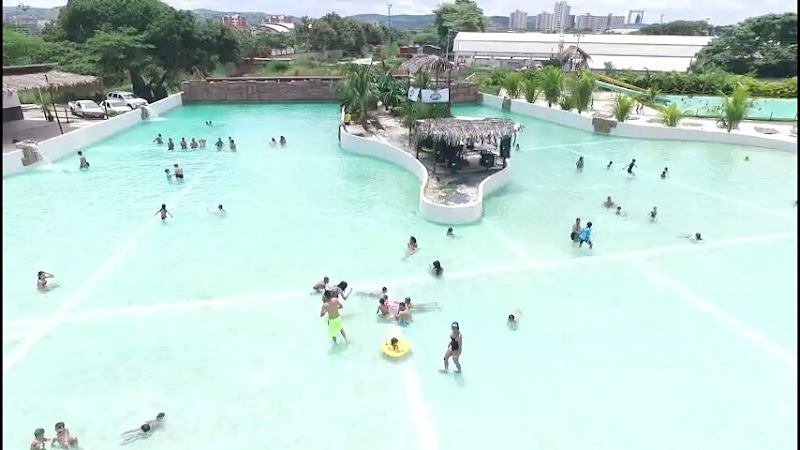
Arena Acuátic Park
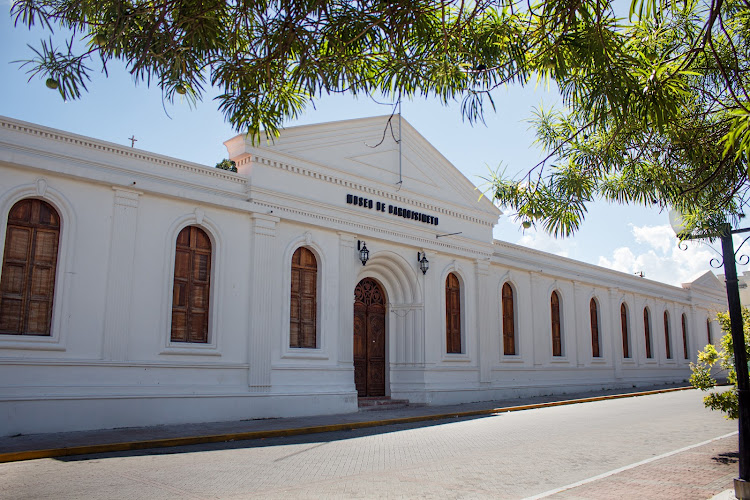
Museo de Barquisimeto
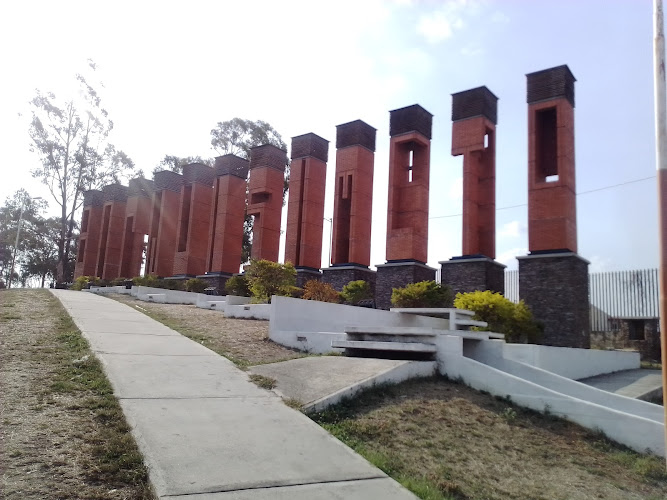
Letras Corpóreas BARQUISIMETO
Find Accommodations Nearby
Recommended Tours & Activities
Visitor Reviews
There are no reviews yet. Be the first one to write one.
Share Your Experience
Have you visited Monumento Manto de María Divina Pastora? Help other travelers by leaving a review.