
Plácido de Castro Theater – Teatrão
About Plácido de Castro Theater – Teatrão
Description
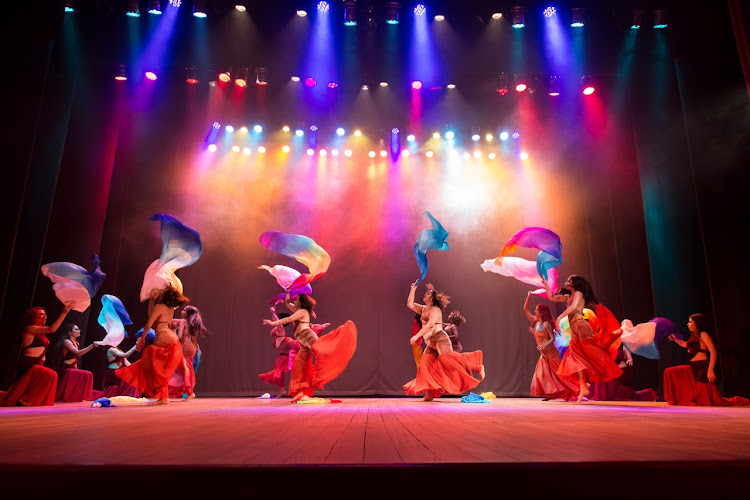
The Plácido de Castro Theater, known locally as Teatrão, is one of those places that quietly tells you a lot about a city if you’re willing to pay attention. It’s a performing arts theater that has seen decades of applause, criticism, standing ovations, and the occasional awkward silence when a play doesn’t quite land. And honestly, that’s part of its charm.
This theater isn’t trying to be flashy or hyper-modern. Instead, it leans into being a cultural anchor. When you walk inside, the first thing you notice is the size. It’s bigger than you might expect if you’re not familiar with theaters in this part of Brazil. The seating layout feels generous, and yes, those armchairs really are comfortable. I’ve sat through long performances here without doing that constant seat-shuffle dance. That alone earns points in my book.
Teatrão plays an important role in the local arts scene. It hosts everything from theatrical productions and dance performances to concerts, school recitals, and cultural festivals. Some shows are polished and professional, others are raw and clearly driven by passion rather than budget. But that mix is what gives the place its soul. You’re not just watching a performance; you’re watching a community express itself.
What struck me on my first visit was how relaxed the atmosphere felt. There’s no heavy-handed formality. People dress up if they want, or they show up in jeans and sandals. And nobody seems to mind. The staff is generally helpful, though like anywhere, experiences can vary depending on the day and who’s on shift. But overall, it feels welcoming rather than intimidating.
Acoustics are decent, not flawless. Some seats give you better sound balance than others, especially during music-heavy shows. Still, for most performances, you’ll hear what you need to hear without strain. Lighting and stage visibility are solid from most angles, which is more than I can say for some older theaters I’ve visited elsewhere.
Teatrão also carries historical weight. Named after Plácido de Castro, an important figure in Acre’s history, the theater acts as a reminder that culture and politics often share the same stage, even if indirectly. You feel that sense of local pride, especially during events that highlight regional stories or Amazonian themes.
And here’s a small, personal aside. I once attended a local play here without knowing a word about it beforehand. No synopsis, no expectations. It turned out to be a deeply emotional performance about life along the rivers of Acre. I didn’t understand every reference, but I left thinking about it for days. That’s when I realized this theater isn’t just entertainment; it’s a window.
Key Features
- Large auditorium with comfortable armchairs designed for longer performances
- Wide range of events including theater, dance, music, and cultural showcases
- Accessible layout with good visibility from most seating areas
- Stage size suitable for both intimate plays and full-scale productions
- Strong connection to local and regional cultural expressions
- Relaxed dress code and informal atmosphere compared to major metropolitan theaters
- Regular use by schools, cultural groups, and touring performers
Best Time to Visit
The best time to visit the Plácido de Castro Theater really depends on what kind of experience you’re after. If you want to see the local arts scene in full swing, aim for the cultural calendar peaks, usually around major holidays, festivals, or school performance seasons. During these times, the schedule is packed, and the energy in the building feels noticeably higher.
Weekends are the obvious choice for travelers, since most headline performances happen then. Friday and Saturday nights tend to draw larger crowds, which can be fun if you like that shared, communal buzz before the curtain goes up. But if you’re someone who prefers a calmer vibe, weekday performances are underrated. Fewer people, shorter lines, and sometimes better seat options.
As for the time of year, keep the regional climate in mind. The Amazonian weather can be unpredictable, with heavy rains during certain months. While the theater itself is sheltered and comfortable, getting there can be more of a hassle during downpours. Dry season months generally make the whole experience smoother, especially if you’re planning to explore other parts of the city before or after the show.
One more thing. Some of the most interesting performances aren’t heavily advertised to tourists. If you happen to be in town during a local arts festival or a university showcase, go. These events often fly under the radar and offer a more authentic glimpse into the region’s creative heartbeat.
How to Get There
Getting to Teatrão is relatively straightforward, even if you’re not familiar with the city. It’s located in a central area that’s well-known to locals, so asking for directions is rarely an issue. Taxis and ride-hailing services are commonly used and usually the easiest option for travelers, especially at night.
If you enjoy walking and you’re staying nearby, the route is manageable on foot. Just be mindful of the heat and humidity, which can sneak up on you. I’ve made the mistake of underestimating that walk once and arrived slightly sweaty and flustered. Lesson learned.
Public transportation can get you close as well, but it may require a bit of patience and asking around. Bus routes aren’t always intuitive for visitors, and schedules can be flexible in the way only local systems can be. Still, if you like figuring things out as you go, it’s doable.
For evening shows, plan your return trip in advance. While the area around the theater is generally safe when events are happening, having a ride sorted gives peace of mind, especially if the performance ends late.
Tips for Visiting
First tip, and this is a big one: check the schedule ahead of time. Performances can change, and not every event is suitable for non-Portuguese speakers. Some plays rely heavily on language, while others, like dance or music shows, are universally understandable.
Arrive early. Not because you have to, but because it’s nice. There’s something about sitting down before the crowd fills in, watching the space slowly come alive. Plus, you’ll have time to find your seat without rushing.
Choose your seat thoughtfully if you have the option. While most seats are fine, those closer to the center offer the best balance of sound and sightlines. The comfortable armchairs make even the longer shows enjoyable, but posture matters, especially if you’re not used to sitting for extended periods.
Don’t expect Broadway-level production every night. And that’s okay. Go in with an open mind. Some performances are rough around the edges, but they often make up for it with sincerity and creativity. I’ve seen technically imperfect shows here that were emotionally spot-on.
Bring cash just in case. While many places accept cards, smaller events or concessions sometimes don’t. It’s a small thing, but it can save you a headache.
Finally, talk to people. Strike up a conversation with the person next to you. Locals love sharing opinions about the performances, and you might get recommendations for other shows or places to visit. Some of my best travel memories started with a simple, So what did you think of that ending?
The Plácido de Castro Theater isn’t just a stop on a sightseeing list. It’s an experience that unfolds slowly, one performance at a time. If you give it your attention, even just for one evening, it tends to give something back. And that, to me, is the mark of a place worth visiting.
Key Features
- Large auditorium with comfortable armchairs designed for longer performances
- Wide range of events including theater, dance, music, and cultural showcases
- Accessible layout with good visibility from most seating areas
- Stage size suitable for both intimate plays and full-scale productions
- Strong connection to local and regional cultural expressions
- Relaxed dress code and informal atmosphere compared to major metropolitan theaters
- Regular use by schools, cultural groups, and touring performers
More Details
Updated January 1, 2026
Table of Contents
- Description
- Key Features
- Best Time to Visit
- How to Get There
- Tips for Visiting
- Key Highlights
- Location
- Places to Stay Near Plácido de Castro Theater - Teatrão
- Find and Book a Tour
- Explore More Travel Guides
- Nearby Places You Might Like
- Traveler Reviews for Plácido de Castro Theater – Teatrão
- Share Your Experience
Description
The Plácido de Castro Theater, known locally as Teatrão, is one of those places that quietly tells you a lot about a city if you’re willing to pay attention. It’s a performing arts theater that has seen decades of applause, criticism, standing ovations, and the occasional awkward silence when a play doesn’t quite land. And honestly, that’s part of its charm.
This theater isn’t trying to be flashy or hyper-modern. Instead, it leans into being a cultural anchor. When you walk inside, the first thing you notice is the size. It’s bigger than you might expect if you’re not familiar with theaters in this part of Brazil. The seating layout feels generous, and yes, those armchairs really are comfortable. I’ve sat through long performances here without doing that constant seat-shuffle dance. That alone earns points in my book.
Teatrão plays an important role in the local arts scene. It hosts everything from theatrical productions and dance performances to concerts, school recitals, and cultural festivals. Some shows are polished and professional, others are raw and clearly driven by passion rather than budget. But that mix is what gives the place its soul. You’re not just watching a performance; you’re watching a community express itself.
What struck me on my first visit was how relaxed the atmosphere felt. There’s no heavy-handed formality. People dress up if they want, or they show up in jeans and sandals. And nobody seems to mind. The staff is generally helpful, though like anywhere, experiences can vary depending on the day and who’s on shift. But overall, it feels welcoming rather than intimidating.
Acoustics are decent, not flawless. Some seats give you better sound balance than others, especially during music-heavy shows. Still, for most performances, you’ll hear what you need to hear without strain. Lighting and stage visibility are solid from most angles, which is more than I can say for some older theaters I’ve visited elsewhere.
Teatrão also carries historical weight. Named after Plácido de Castro, an important figure in Acre’s history, the theater acts as a reminder that culture and politics often share the same stage, even if indirectly. You feel that sense of local pride, especially during events that highlight regional stories or Amazonian themes.
And here’s a small, personal aside. I once attended a local play here without knowing a word about it beforehand. No synopsis, no expectations. It turned out to be a deeply emotional performance about life along the rivers of Acre. I didn’t understand every reference, but I left thinking about it for days. That’s when I realized this theater isn’t just entertainment; it’s a window.
Key Features
- Large auditorium with comfortable armchairs designed for longer performances
- Wide range of events including theater, dance, music, and cultural showcases
- Accessible layout with good visibility from most seating areas
- Stage size suitable for both intimate plays and full-scale productions
- Strong connection to local and regional cultural expressions
- Relaxed dress code and informal atmosphere compared to major metropolitan theaters
- Regular use by schools, cultural groups, and touring performers
Best Time to Visit
The best time to visit the Plácido de Castro Theater really depends on what kind of experience you’re after. If you want to see the local arts scene in full swing, aim for the cultural calendar peaks, usually around major holidays, festivals, or school performance seasons. During these times, the schedule is packed, and the energy in the building feels noticeably higher.
Weekends are the obvious choice for travelers, since most headline performances happen then. Friday and Saturday nights tend to draw larger crowds, which can be fun if you like that shared, communal buzz before the curtain goes up. But if you’re someone who prefers a calmer vibe, weekday performances are underrated. Fewer people, shorter lines, and sometimes better seat options.
As for the time of year, keep the regional climate in mind. The Amazonian weather can be unpredictable, with heavy rains during certain months. While the theater itself is sheltered and comfortable, getting there can be more of a hassle during downpours. Dry season months generally make the whole experience smoother, especially if you’re planning to explore other parts of the city before or after the show.
One more thing. Some of the most interesting performances aren’t heavily advertised to tourists. If you happen to be in town during a local arts festival or a university showcase, go. These events often fly under the radar and offer a more authentic glimpse into the region’s creative heartbeat.
How to Get There
Getting to Teatrão is relatively straightforward, even if you’re not familiar with the city. It’s located in a central area that’s well-known to locals, so asking for directions is rarely an issue. Taxis and ride-hailing services are commonly used and usually the easiest option for travelers, especially at night.
If you enjoy walking and you’re staying nearby, the route is manageable on foot. Just be mindful of the heat and humidity, which can sneak up on you. I’ve made the mistake of underestimating that walk once and arrived slightly sweaty and flustered. Lesson learned.
Public transportation can get you close as well, but it may require a bit of patience and asking around. Bus routes aren’t always intuitive for visitors, and schedules can be flexible in the way only local systems can be. Still, if you like figuring things out as you go, it’s doable.
For evening shows, plan your return trip in advance. While the area around the theater is generally safe when events are happening, having a ride sorted gives peace of mind, especially if the performance ends late.
Tips for Visiting
First tip, and this is a big one: check the schedule ahead of time. Performances can change, and not every event is suitable for non-Portuguese speakers. Some plays rely heavily on language, while others, like dance or music shows, are universally understandable.
Arrive early. Not because you have to, but because it’s nice. There’s something about sitting down before the crowd fills in, watching the space slowly come alive. Plus, you’ll have time to find your seat without rushing.
Choose your seat thoughtfully if you have the option. While most seats are fine, those closer to the center offer the best balance of sound and sightlines. The comfortable armchairs make even the longer shows enjoyable, but posture matters, especially if you’re not used to sitting for extended periods.
Don’t expect Broadway-level production every night. And that’s okay. Go in with an open mind. Some performances are rough around the edges, but they often make up for it with sincerity and creativity. I’ve seen technically imperfect shows here that were emotionally spot-on.
Bring cash just in case. While many places accept cards, smaller events or concessions sometimes don’t. It’s a small thing, but it can save you a headache.
Finally, talk to people. Strike up a conversation with the person next to you. Locals love sharing opinions about the performances, and you might get recommendations for other shows or places to visit. Some of my best travel memories started with a simple, So what did you think of that ending?
The Plácido de Castro Theater isn’t just a stop on a sightseeing list. It’s an experience that unfolds slowly, one performance at a time. If you give it your attention, even just for one evening, it tends to give something back. And that, to me, is the mark of a place worth visiting.
Key Highlights
- Large auditorium with comfortable armchairs designed for longer performances
- Wide range of events including theater, dance, music, and cultural showcases
- Accessible layout with good visibility from most seating areas
- Stage size suitable for both intimate plays and full-scale productions
- Strong connection to local and regional cultural expressions
- Relaxed dress code and informal atmosphere compared to major metropolitan theaters
- Regular use by schools, cultural groups, and touring performers
Location
Places to Stay Near Plácido de Castro Theater - Teatrão
Find and Book a Tour
Explore More Travel Guides
No reviews found! Be the first to review!
Traveler Reviews for Plácido de Castro Theater – Teatrão
There are no reviews yet. Be the first one to write one.
Have you visited Plácido de Castro Theater – Teatrão? Help other travelers by sharing your review.
You Might Also Like
Expoacre Rio Branco

Parque Zoobotânico UFAC
Cine Teatro Recreio
Find Accommodations Nearby
Recommended Tours & Activities
Visitor Reviews
There are no reviews yet. Be the first one to write one.
Share Your Experience
Have you visited Plácido de Castro Theater – Teatrão? Help other travelers by leaving a review.