
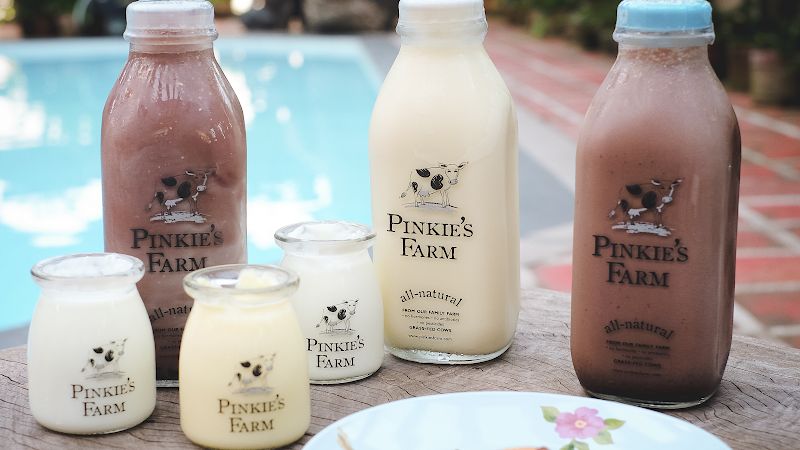
Pinkie’s Farm
About Pinkie’s Farm
Description
Pinkie’s Farm is the kind of place that reminds travelers why slowing down is underrated. It’s a working dairy farm that also welcomes visitors, which means the cows aren’t props and the milk doesn’t come from a carton with a cartoon on it. You smell hay. You hear the low, patient moos. And if you’re like me, you’ll suddenly remember the last time you saw an actual cow up close and thought, wow, these animals are massive and weirdly calming at the same time.
This farm has built its reputation on being open and honest about how dairy really works. You’re not just peeking over a fence. You’re walking through barns, watching milking routines, and learning how milk becomes the products people buy every day without thinking twice. Pinkie’s Farm leans into education, but not in a lecture-heavy way. It’s more like chatting with someone who loves what they do and can’t help explaining it.
And yes, it’s tourist-friendly, but not polished to the point of feeling fake. There are rough edges here. Sometimes the ground is muddy. Sometimes a cow steals the show by refusing to cooperate. That’s part of the charm. I once visited a dairy farm years ago where a calf decided my shoelace was lunch, and honestly, that moment taught me more about farm life than any signboard ever could.
What stands out at Pinkie’s Farm is the focus on fresh, local dairy products. The farm produces items on-site, and travelers often mention that tasting something made just a few meters away hits differently. Milk tastes creamier. Cheese feels richer. Even people who claim they’re “not big on dairy” tend to soften their stance after a visit. And if you’re traveling with kids, expect questions. A lot of questions. Like why cows don’t tip over when sleeping, which, by the way, I still don’t fully understand.
Pinkie’s Farm isn’t perfect, and it doesn’t pretend to be. Some visitors find it quieter than expected. Others wish there were more structured activities. But for travelers who appreciate authenticity, hands-on learning, and a glimpse into real agricultural life, this place lands squarely in the memorable category.
Key Features
- Working dairy farm with real, daily operations you can observe
- On-site production of fresh dairy products, including milk-based goods
- Opportunities to interact with farm animals in a safe, supervised setting
- Educational explanations about dairy farming, feeding, and milking routines
- Family-friendly environment that encourages curiosity and questions
- Rural atmosphere that feels grounded rather than staged
- Small-scale setup that allows for a more personal experience
Best Time to Visit
The best time to visit Pinkie’s Farm depends on what you’re hoping to get out of the experience. Spring is a favorite for many travelers, and I get why. The weather is usually mild, the fields look alive again, and there’s often more animal activity. Baby animals might make appearances, and honestly, that alone can steal your heart. I once planned a quick farm stop in spring and ended up staying twice as long because there was a newborn calf wobbling around like it had just learned gravity exists.
Summer brings longer days and a busier atmosphere. This is when families tend to show up, especially those traveling with children. It can feel lively, sometimes bordering on crowded during peak hours, but the energy is infectious. If you don’t love crowds, aim for earlier in the day. Mornings are cooler, the animals are more active, and the farm feels calmer.
Autumn has its own quiet appeal. The pace slows down, the air cools, and the farm settles into a steady rhythm. This is my personal favorite time to visit places like this. There’s less noise, fewer distractions, and more time to actually talk with the people running the place. You also get a clearer sense of the hard work that goes into keeping a dairy farm running year-round.
Winter visits are possible but limited. Some areas may be less accessible, and animal activity can be more subdued. That said, if you’re curious about how farms operate during colder months, winter offers a behind-the-scenes feel most tourists never see. Just dress warmly and manage expectations.
How to Get There
Getting to Pinkie’s Farm usually involves leaving the main roads behind, which is kind of the point. Travelers often reach it by car, following regional routes that wind through countryside rather than city blocks. And yes, sometimes GPS gets a little confused. Mine once told me to turn into what was clearly someone’s driveway, so use common sense and trust road signs when you see them.
If you’re traveling from a nearby town or city, plan extra time. Rural roads can be slower than expected, and you don’t want to rush this kind of visit anyway. Public transportation options are typically limited, so relying on buses or trains may require a fair bit of walking or a short taxi ride at the end. For most travelers, driving is the most practical option.
Cycling can be an option for adventurous visitors staying nearby, especially during warmer months. Just keep in mind that farm access roads aren’t always bike-friendly, and sharing space with agricultural vehicles is part of the deal. But if you enjoy scenic routes and don’t mind a bit of effort, it can be a rewarding way to arrive.
Tips for Visiting
First tip, and I say this from experience: wear shoes you don’t mind getting dirty. Farms are not clean in the glossy, Instagram sense. They’re clean in the practical, everything-has-its-place sense. Mud happens. Hay sticks to things. Accept it early and you’ll enjoy yourself more.
Second, come curious. Ask questions. The people at Pinkie’s Farm are used to visitors who know nothing about dairy farming, and they don’t judge. I once asked what felt like a very obvious question about milking schedules and got a thoughtful, detailed answer that completely changed how I see dairy production.
If you’re visiting with kids, set expectations. This isn’t a theme park. There aren’t rides or loud attractions. What there is, is real life. Animals don’t perform on cue. Sometimes they nap. Sometimes they ignore you. That’s actually a great lesson in patience, if you ask me.
Bring cash or check payment options in advance if you’re planning to buy farm products. Small farms don’t always operate like big retail stores, and it’s better to be prepared than disappointed when you’re eyeing a block of fresh cheese.
And finally, give yourself time. Don’t treat Pinkie’s Farm as a quick stop to tick off a list. Wander a bit. Stand quietly and watch the animals. Listen to the sounds. It’s surprisingly grounding. In a world where travel often feels rushed and overplanned, this farm offers something rare: a chance to just be present, even if only for an afternoon.
Key Features
- Working dairy farm with real, daily operations you can observe
- On-site production of fresh dairy products, including milk-based goods
- Opportunities to interact with farm animals in a safe, supervised setting
- Educational explanations about dairy farming, feeding, and milking routines
- Family-friendly environment that encourages curiosity and questions
- Rural atmosphere that feels grounded rather than staged
- Small-scale setup that allows for a more personal experience
More Details
Updated December 31, 2025
Table of Contents
Description
Pinkie’s Farm is the kind of place that reminds travelers why slowing down is underrated. It’s a working dairy farm that also welcomes visitors, which means the cows aren’t props and the milk doesn’t come from a carton with a cartoon on it. You smell hay. You hear the low, patient moos. And if you’re like me, you’ll suddenly remember the last time you saw an actual cow up close and thought, wow, these animals are massive and weirdly calming at the same time.
This farm has built its reputation on being open and honest about how dairy really works. You’re not just peeking over a fence. You’re walking through barns, watching milking routines, and learning how milk becomes the products people buy every day without thinking twice. Pinkie’s Farm leans into education, but not in a lecture-heavy way. It’s more like chatting with someone who loves what they do and can’t help explaining it.
And yes, it’s tourist-friendly, but not polished to the point of feeling fake. There are rough edges here. Sometimes the ground is muddy. Sometimes a cow steals the show by refusing to cooperate. That’s part of the charm. I once visited a dairy farm years ago where a calf decided my shoelace was lunch, and honestly, that moment taught me more about farm life than any signboard ever could.
What stands out at Pinkie’s Farm is the focus on fresh, local dairy products. The farm produces items on-site, and travelers often mention that tasting something made just a few meters away hits differently. Milk tastes creamier. Cheese feels richer. Even people who claim they’re “not big on dairy” tend to soften their stance after a visit. And if you’re traveling with kids, expect questions. A lot of questions. Like why cows don’t tip over when sleeping, which, by the way, I still don’t fully understand.
Pinkie’s Farm isn’t perfect, and it doesn’t pretend to be. Some visitors find it quieter than expected. Others wish there were more structured activities. But for travelers who appreciate authenticity, hands-on learning, and a glimpse into real agricultural life, this place lands squarely in the memorable category.
Key Features
- Working dairy farm with real, daily operations you can observe
- On-site production of fresh dairy products, including milk-based goods
- Opportunities to interact with farm animals in a safe, supervised setting
- Educational explanations about dairy farming, feeding, and milking routines
- Family-friendly environment that encourages curiosity and questions
- Rural atmosphere that feels grounded rather than staged
- Small-scale setup that allows for a more personal experience
Best Time to Visit
The best time to visit Pinkie’s Farm depends on what you’re hoping to get out of the experience. Spring is a favorite for many travelers, and I get why. The weather is usually mild, the fields look alive again, and there’s often more animal activity. Baby animals might make appearances, and honestly, that alone can steal your heart. I once planned a quick farm stop in spring and ended up staying twice as long because there was a newborn calf wobbling around like it had just learned gravity exists.
Summer brings longer days and a busier atmosphere. This is when families tend to show up, especially those traveling with children. It can feel lively, sometimes bordering on crowded during peak hours, but the energy is infectious. If you don’t love crowds, aim for earlier in the day. Mornings are cooler, the animals are more active, and the farm feels calmer.
Autumn has its own quiet appeal. The pace slows down, the air cools, and the farm settles into a steady rhythm. This is my personal favorite time to visit places like this. There’s less noise, fewer distractions, and more time to actually talk with the people running the place. You also get a clearer sense of the hard work that goes into keeping a dairy farm running year-round.
Winter visits are possible but limited. Some areas may be less accessible, and animal activity can be more subdued. That said, if you’re curious about how farms operate during colder months, winter offers a behind-the-scenes feel most tourists never see. Just dress warmly and manage expectations.
How to Get There
Getting to Pinkie’s Farm usually involves leaving the main roads behind, which is kind of the point. Travelers often reach it by car, following regional routes that wind through countryside rather than city blocks. And yes, sometimes GPS gets a little confused. Mine once told me to turn into what was clearly someone’s driveway, so use common sense and trust road signs when you see them.
If you’re traveling from a nearby town or city, plan extra time. Rural roads can be slower than expected, and you don’t want to rush this kind of visit anyway. Public transportation options are typically limited, so relying on buses or trains may require a fair bit of walking or a short taxi ride at the end. For most travelers, driving is the most practical option.
Cycling can be an option for adventurous visitors staying nearby, especially during warmer months. Just keep in mind that farm access roads aren’t always bike-friendly, and sharing space with agricultural vehicles is part of the deal. But if you enjoy scenic routes and don’t mind a bit of effort, it can be a rewarding way to arrive.
Tips for Visiting
First tip, and I say this from experience: wear shoes you don’t mind getting dirty. Farms are not clean in the glossy, Instagram sense. They’re clean in the practical, everything-has-its-place sense. Mud happens. Hay sticks to things. Accept it early and you’ll enjoy yourself more.
Second, come curious. Ask questions. The people at Pinkie’s Farm are used to visitors who know nothing about dairy farming, and they don’t judge. I once asked what felt like a very obvious question about milking schedules and got a thoughtful, detailed answer that completely changed how I see dairy production.
If you’re visiting with kids, set expectations. This isn’t a theme park. There aren’t rides or loud attractions. What there is, is real life. Animals don’t perform on cue. Sometimes they nap. Sometimes they ignore you. That’s actually a great lesson in patience, if you ask me.
Bring cash or check payment options in advance if you’re planning to buy farm products. Small farms don’t always operate like big retail stores, and it’s better to be prepared than disappointed when you’re eyeing a block of fresh cheese.
And finally, give yourself time. Don’t treat Pinkie’s Farm as a quick stop to tick off a list. Wander a bit. Stand quietly and watch the animals. Listen to the sounds. It’s surprisingly grounding. In a world where travel often feels rushed and overplanned, this farm offers something rare: a chance to just be present, even if only for an afternoon.
Key Highlights
- Working dairy farm with real, daily operations you can observe
- On-site production of fresh dairy products, including milk-based goods
- Opportunities to interact with farm animals in a safe, supervised setting
- Educational explanations about dairy farming, feeding, and milking routines
- Family-friendly environment that encourages curiosity and questions
- Rural atmosphere that feels grounded rather than staged
- Small-scale setup that allows for a more personal experience
Location
Places to Stay Near Pinkie's Farm
Find and Book a Tour
Explore More Travel Guides
No reviews found! Be the first to review!
Traveler Reviews for Pinkie’s Farm
There are no reviews yet. Be the first one to write one.
Have you visited Pinkie’s Farm? Help other travelers by sharing your review.
You Might Also Like
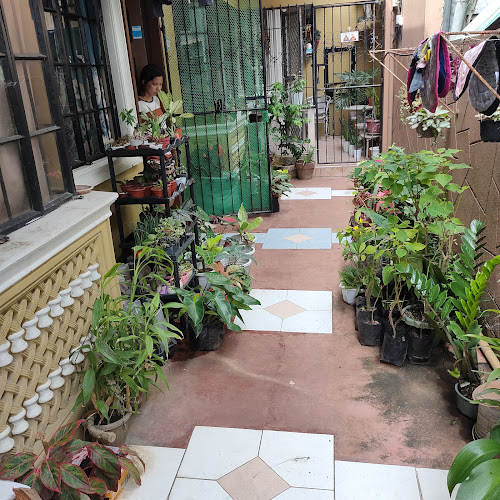
Loverari's Plants
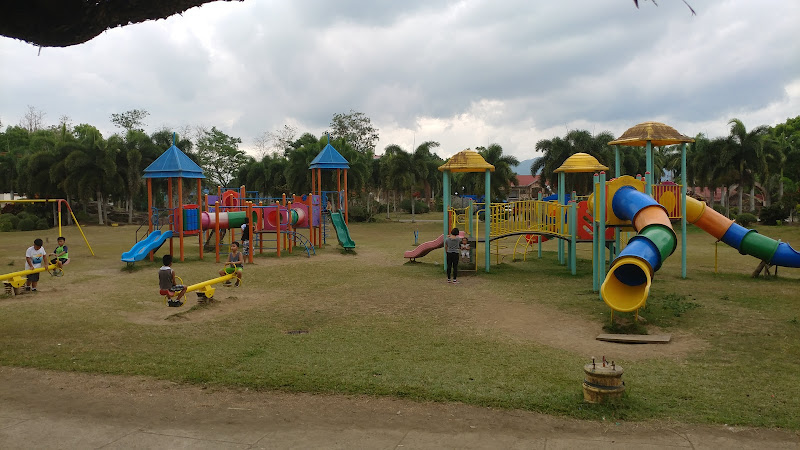
Lipa City Community Park
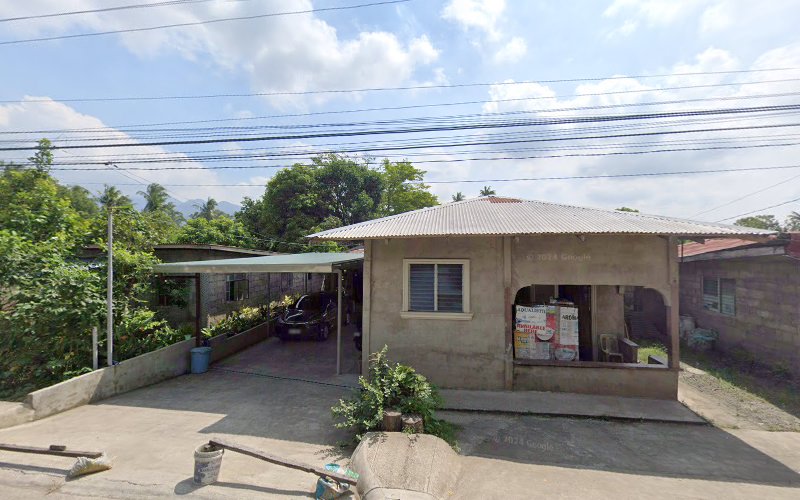
The Sikap Backyard @ Lipa
Find Accommodations Nearby
Recommended Tours & Activities
Visitor Reviews
There are no reviews yet. Be the first one to write one.
Share Your Experience
Have you visited Pinkie’s Farm? Help other travelers by leaving a review.