
Loverari’s Plants
About Loverari’s Plants
Description
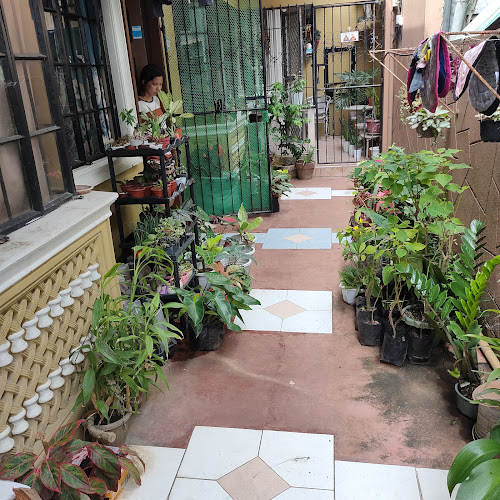
Loverari’s Plants is one of those places that sneaks up on you. At first glance, it might look like just another garden stop on your travel list, but give it half an hour and it starts doing that quiet thing plants do—slowing your breathing, making you forget your phone is buzzing, and reminding you why people have been collecting and nurturing greenery for centuries. This garden is less about flashy displays and more about a thoughtful, hands-on relationship with plants. And honestly, that’s what makes it stick in your memory.
The space feels curated by people who actually get dirt under their nails. You can tell the caretakers aren’t chasing trends; they’re following seasons, weather patterns, and a deep respect for plant life. There’s a lived-in quality to the pathways, the soil beds, even the slightly uneven stones underfoot. I remember visiting on a weekday afternoon, expecting a quick walk-through, and somehow I stayed nearly two hours. Time just kind of… slipped.
What travelers often appreciate is how accessible the garden feels. You don’t need a degree in botany to enjoy it. Labels are clear but not overwhelming, and staff are usually happy to chat if you look curious rather than rushed. That said, it’s not polished to perfection. Some areas feel experimental, and occasionally you’ll spot a plant that’s struggling rather than thriving. But for me, that honesty adds credibility. Gardens aren’t museums; they’re living systems, messy and unpredictable.
Loverari’s Plants appeals to a wide range of visitors, from casual travelers killing an afternoon to serious plant lovers making a pilgrimage. Families wander through pointing out unusual leaves, while solo travelers sit on benches sketching or journaling. And if you’re the kind of person who travels to feel grounded rather than entertained, this place speaks your language.
Key Features
- Extensive collection of regional and exotic plant species, arranged by growing conditions rather than aesthetics alone
- Hands-on demonstration areas showing propagation, pruning, and soil preparation techniques
- Shaded walking paths that stay comfortable even on warmer days
- Seasonal planting cycles that ensure repeat visits never feel identical
- Informal seating spots perfect for resting, reading, or people-watching
- Occasional workshops and guided walks led by long-term gardeners
One thing I really appreciated was how the garden doesn’t try to wow you all at once. Instead, it rewards attention. You’ll notice tiny details—new growth on an old stem, a contrast between drought-tolerant plants and water-loving ones placed surprisingly close together. And yes, sometimes the signage could be clearer or more consistent, but that imperfection makes the experience feel less staged.
Best Time to Visit
Timing your visit to Loverari’s Plants matters more than you might think. Late spring and early autumn tend to be the sweet spots. During these periods, temperatures are manageable, and many plant varieties are either flowering or transitioning, which adds texture and contrast throughout the garden. Summer can be beautiful too, but expect stronger sun and the occasional dry patch. Winter visits are quieter, and while fewer plants are at their peak, the structure of the garden really shows through.
I once went on a slightly overcast morning, the kind travelers sometimes avoid. Big mistake—on their part. The light was soft, colors were richer, and there were hardly any crowds. If you’re traveling during peak tourist season, aim for early mornings or late afternoons. The garden feels more personal then, almost like you’ve been let in on a local secret.
Weekdays are generally calmer than weekends. And if you’re sensitive to heat or crowds, shoulder seasons are your best bet. Weather patterns do influence which sections look their best, so if you’re particularly keen on flowering plants, it’s worth asking locally about what’s in bloom.
How to Get There
Reaching Loverari’s Plants is fairly straightforward, especially if you’re already exploring the surrounding area. Most travelers arrive by car, which offers the most flexibility. Parking is usually manageable, though it can get tight during popular visiting hours. Public transportation options exist, but they may require a bit of walking afterward. That walk, by the way, isn’t a downside. It kind of sets the mood.
If you’re the adventurous type—cycling or even walking from nearby neighborhoods—you’ll appreciate how the transition from urban or rural surroundings into the garden space feels gradual. There’s no dramatic gate or entrance moment, and I actually like that. It’s more of a gentle shift, as if you’re easing into a different pace.
Rideshares and taxis can drop you close enough, but double-check pickup options for your return, especially later in the day. This isn’t a place where you want to feel rushed at the end, trust me.
Tips for Visiting
First tip: wear comfortable shoes. This seems obvious, but you’ll likely walk more than you expect. Paths vary, and while nothing is extreme, uneven ground is part of the experience. Bring water, especially during warmer months, and maybe a hat. Shade exists, but you’ll move in and out of it.
Second, slow down. Loverari’s Plants isn’t designed for speed. If you try to rush through, you’ll miss half the charm. Sit when you feel like it. Watch how other visitors interact with the space. One of my favorite moments was overhearing a couple debate whether a plant was thriving or “just being dramatic.” Plants do that, apparently.
If you’re into photography, natural light is your friend here. Avoid harsh midday sun if you can. Early or late light adds depth without washing out colors. And don’t be shy about asking staff questions. They’re often happy to share insights that aren’t written anywhere.
Families should keep an eye on younger kids, as not all areas are touch-friendly. That said, it’s a great place to teach respect for nature rather than fear of it. Solo travelers might want to bring a notebook or book—you’ll find yourself wanting to linger.
Finally, manage expectations. This isn’t a manicured show garden designed to impress in five minutes. It’s a working, evolving space. Some visitors love that authenticity; others find it less polished than expected. Personally, I’ll take real over perfect any day. And if you’re the kind of traveler who values quiet moments and thoughtful design, Loverari’s Plants will likely stay with you long after you’ve left.
Key Features
- Extensive collection of regional and exotic plant species, arranged by growing conditions rather than aesthetics alone
- Hands-on demonstration areas showing propagation, pruning, and soil preparation techniques
- Shaded walking paths that stay comfortable even on warmer days
- Seasonal planting cycles that ensure repeat visits never feel identical
- Informal seating spots perfect for resting, reading, or people-watching
- Occasional workshops and guided walks led by long-term gardeners
More Details
Updated December 31, 2025
Table of Contents
Description
Loverari’s Plants is one of those places that sneaks up on you. At first glance, it might look like just another garden stop on your travel list, but give it half an hour and it starts doing that quiet thing plants do—slowing your breathing, making you forget your phone is buzzing, and reminding you why people have been collecting and nurturing greenery for centuries. This garden is less about flashy displays and more about a thoughtful, hands-on relationship with plants. And honestly, that’s what makes it stick in your memory.
The space feels curated by people who actually get dirt under their nails. You can tell the caretakers aren’t chasing trends; they’re following seasons, weather patterns, and a deep respect for plant life. There’s a lived-in quality to the pathways, the soil beds, even the slightly uneven stones underfoot. I remember visiting on a weekday afternoon, expecting a quick walk-through, and somehow I stayed nearly two hours. Time just kind of… slipped.
What travelers often appreciate is how accessible the garden feels. You don’t need a degree in botany to enjoy it. Labels are clear but not overwhelming, and staff are usually happy to chat if you look curious rather than rushed. That said, it’s not polished to perfection. Some areas feel experimental, and occasionally you’ll spot a plant that’s struggling rather than thriving. But for me, that honesty adds credibility. Gardens aren’t museums; they’re living systems, messy and unpredictable.
Loverari’s Plants appeals to a wide range of visitors, from casual travelers killing an afternoon to serious plant lovers making a pilgrimage. Families wander through pointing out unusual leaves, while solo travelers sit on benches sketching or journaling. And if you’re the kind of person who travels to feel grounded rather than entertained, this place speaks your language.
Key Features
- Extensive collection of regional and exotic plant species, arranged by growing conditions rather than aesthetics alone
- Hands-on demonstration areas showing propagation, pruning, and soil preparation techniques
- Shaded walking paths that stay comfortable even on warmer days
- Seasonal planting cycles that ensure repeat visits never feel identical
- Informal seating spots perfect for resting, reading, or people-watching
- Occasional workshops and guided walks led by long-term gardeners
One thing I really appreciated was how the garden doesn’t try to wow you all at once. Instead, it rewards attention. You’ll notice tiny details—new growth on an old stem, a contrast between drought-tolerant plants and water-loving ones placed surprisingly close together. And yes, sometimes the signage could be clearer or more consistent, but that imperfection makes the experience feel less staged.
Best Time to Visit
Timing your visit to Loverari’s Plants matters more than you might think. Late spring and early autumn tend to be the sweet spots. During these periods, temperatures are manageable, and many plant varieties are either flowering or transitioning, which adds texture and contrast throughout the garden. Summer can be beautiful too, but expect stronger sun and the occasional dry patch. Winter visits are quieter, and while fewer plants are at their peak, the structure of the garden really shows through.
I once went on a slightly overcast morning, the kind travelers sometimes avoid. Big mistake—on their part. The light was soft, colors were richer, and there were hardly any crowds. If you’re traveling during peak tourist season, aim for early mornings or late afternoons. The garden feels more personal then, almost like you’ve been let in on a local secret.
Weekdays are generally calmer than weekends. And if you’re sensitive to heat or crowds, shoulder seasons are your best bet. Weather patterns do influence which sections look their best, so if you’re particularly keen on flowering plants, it’s worth asking locally about what’s in bloom.
How to Get There
Reaching Loverari’s Plants is fairly straightforward, especially if you’re already exploring the surrounding area. Most travelers arrive by car, which offers the most flexibility. Parking is usually manageable, though it can get tight during popular visiting hours. Public transportation options exist, but they may require a bit of walking afterward. That walk, by the way, isn’t a downside. It kind of sets the mood.
If you’re the adventurous type—cycling or even walking from nearby neighborhoods—you’ll appreciate how the transition from urban or rural surroundings into the garden space feels gradual. There’s no dramatic gate or entrance moment, and I actually like that. It’s more of a gentle shift, as if you’re easing into a different pace.
Rideshares and taxis can drop you close enough, but double-check pickup options for your return, especially later in the day. This isn’t a place where you want to feel rushed at the end, trust me.
Tips for Visiting
First tip: wear comfortable shoes. This seems obvious, but you’ll likely walk more than you expect. Paths vary, and while nothing is extreme, uneven ground is part of the experience. Bring water, especially during warmer months, and maybe a hat. Shade exists, but you’ll move in and out of it.
Second, slow down. Loverari’s Plants isn’t designed for speed. If you try to rush through, you’ll miss half the charm. Sit when you feel like it. Watch how other visitors interact with the space. One of my favorite moments was overhearing a couple debate whether a plant was thriving or “just being dramatic.” Plants do that, apparently.
If you’re into photography, natural light is your friend here. Avoid harsh midday sun if you can. Early or late light adds depth without washing out colors. And don’t be shy about asking staff questions. They’re often happy to share insights that aren’t written anywhere.
Families should keep an eye on younger kids, as not all areas are touch-friendly. That said, it’s a great place to teach respect for nature rather than fear of it. Solo travelers might want to bring a notebook or book—you’ll find yourself wanting to linger.
Finally, manage expectations. This isn’t a manicured show garden designed to impress in five minutes. It’s a working, evolving space. Some visitors love that authenticity; others find it less polished than expected. Personally, I’ll take real over perfect any day. And if you’re the kind of traveler who values quiet moments and thoughtful design, Loverari’s Plants will likely stay with you long after you’ve left.
Key Highlights
- Extensive collection of regional and exotic plant species, arranged by growing conditions rather than aesthetics alone
- Hands-on demonstration areas showing propagation, pruning, and soil preparation techniques
- Shaded walking paths that stay comfortable even on warmer days
- Seasonal planting cycles that ensure repeat visits never feel identical
- Informal seating spots perfect for resting, reading, or people-watching
- Occasional workshops and guided walks led by long-term gardeners
Location
Places to Stay Near Loverari's Plants
Find and Book a Tour
Explore More Travel Guides
No reviews found! Be the first to review!
Traveler Reviews for Loverari’s Plants
There are no reviews yet. Be the first one to write one.
Have you visited Loverari’s Plants? Help other travelers by sharing your review.
You Might Also Like
Casa De Segunda

Our Lady Of Mount Carmel Parish

The Old Grove Farmstead
Find Accommodations Nearby
Recommended Tours & Activities
Visitor Reviews
There are no reviews yet. Be the first one to write one.
Share Your Experience
Have you visited Loverari’s Plants? Help other travelers by leaving a review.