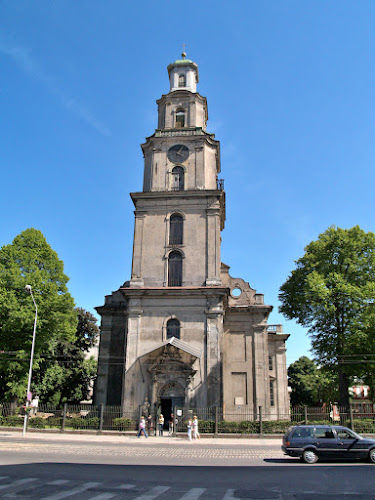
About Piemiņas zīme par godu Jūras spēku atjaunošanai

Description

The Memorial Sign in Honor of Naval Forces Restoration stands as a powerful testament to Latvia's maritime heritage and military resilience. This commemorative monument marks the symbolic restoration of Latvia's Naval Forces on April 11, 1992, representing a pivotal moment in the country's journey toward independence and sovereignty.

Located at the historic pier in Liepāja's Yacht Harbor, this memorial holds deep significance beyond its physical presence. The site itself carries tremendous historical weight – it's the very spot where Latvia's submarine "Ronis" was moored for the last time on July 25, 1940, effectively marking the end of free Latvia's naval operations during Soviet occupation. The restoration of this area in 2020 preserved both the historic pier and the memorial, creating a powerful connection between past struggles and renewed hope.

What strikes visitors most about this place is how it bridges different eras of Latvian history. You're not just looking at a modern memorial – you're standing where naval dreams ended and began again, five decades apart. The memorial serves as both a celebration of restoration and a solemn reminder of what was lost during the occupation years.

The monument attracts history enthusiasts, military buffs, and travelers seeking to understand Latvia's complex past. But honestly, even casual visitors find themselves moved by the story this place tells. There's something profound about standing where a nation's maritime identity was both extinguished and reborn.

Key Features

The Memorial Sign offers several distinctive elements that make it worth visiting:

  • Historic Pier Setting – The memorial sits at the preserved pier where Latvia's last pre-war submarine was stationed, creating an authentic historical atmosphere
  • Dual Historical Significance – Represents both the 1940 end of Latvia's naval independence and the 1992 restoration of maritime forces
  • Family-Friendly Environment – The location welcomes visitors of all ages, making it an educational stop for families exploring Latvian history
  • Yacht Harbor Views – Positioned within Liepāja's active yacht harbor, offering scenic maritime surroundings
  • Walking Distance Accessibility – Easy to reach on foot from central Liepāja, allowing for spontaneous visits
  • Photography Opportunities – The combination of memorial, harbor, and historic pier creates compelling visual compositions
  • Educational Value – Provides insight into Latvia's 20th-century naval history and independence struggles
  • Quiet Reflection Space – Despite being in an active harbor, the memorial area offers peaceful moments for contemplation

Best Time to Visit

The memorial can be visited year-round, but timing your visit right makes all the difference in your experience. Spring through early fall – roughly May through September – offers the most comfortable weather for exploring the waterfront location. During these months, you'll find the harbor area more active with boats and maritime activity, which actually enhances the memorial's nautical context.

Summer months bring longer daylight hours, giving you more time to explore the surrounding yacht harbor and appreciate the maritime setting. The weather's usually mild enough that you can spend time reading the memorial plaques without rushing.

But here's something interesting – winter visits have their own unique appeal. The stark, often dramatic weather reflects the serious historical themes the memorial represents. And there's fewer tourists, so you'll have more space for quiet reflection.

If you're planning around specific dates, April 11th holds special significance as it marks the anniversary of the Naval Forces restoration. While there aren't always formal ceremonies, visiting on this date adds extra meaning to your experience.

Early morning or late afternoon visits work particularly well for photography enthusiasts. The harbor lighting during these times creates atmospheric conditions that complement the memorial's solemn dignity.

How to Get There

Getting to the Memorial Sign requires navigating to Liepāja's Yacht Harbor area, which is relatively straightforward once you know the landmarks to look for. The memorial sits within the harbor complex, accessible by foot from central Liepāja.

If you're driving, head toward Liepāja's port area and look for signs directing you to the yacht harbor. Parking is generally available in the vicinity, though spaces can fill up during busy summer weekends when sailing activity peaks.

Public transportation serves the broader harbor area reasonably well. Local buses connect central Liepāja with the port district, though you'll still need to walk the final stretch to reach the specific pier location.

For international visitors, Liepāja itself is accessible by bus from Riga (about 3 hours) or by car via the A9 highway. The city also has a small airport, though most travelers arrive overland.

Once you reach the yacht harbor area, look for the historic pier – it's the older, more substantial structure compared to modern marina facilities. The memorial is positioned prominently enough that you shouldn't have trouble locating it.

Walking from Liepāja's city center takes about 15-20 minutes, depending on your pace and how much you stop to admire the coastal scenery along the way.

Tips for Visiting

Before you head out, there's several things worth knowing that'll make your visit more rewarding. First, dress appropriately for coastal weather – even on calm days, the harbor area can be breezy, and conditions change quickly near the water.

Bring a camera, but be respectful about photography. This is a memorial site, so maintain appropriate decorum while capturing images. The best shots often come from including both the memorial and the surrounding maritime context.

Take time to read any informational plaques or signs in the area. The historical context makes the memorial much more meaningful, and you'll appreciate the significance of the location more fully. Some information might be in Latvian, so having translation capabilities on your phone can help.

If you're traveling with children, this can actually be a great educational opportunity. The memorial's location in an active harbor provides visual interest, and kids often find the maritime setting engaging while learning about history.

Consider combining your visit with exploration of the broader yacht harbor area. There's often interesting boats to observe, and the maritime atmosphere enhances your understanding of why naval forces matter so much to Latvia's identity.

Weather can change quickly in coastal areas, so check forecasts and maybe bring a light jacket even on seemingly nice days. The memorial is outdoors and exposed, so you'll want to be comfortable spending time in the elements.

Allow yourself enough time for reflection – this isn't just a quick photo stop. The memorial represents complex historical themes that deserve thoughtful consideration. Many visitors find they need more time than initially expected to fully appreciate the site's significance.

Respect the solemn nature of the memorial while still enjoying your visit. It's perfectly appropriate to appreciate the maritime setting and take photos, but remember you're at a site commemorating important historical events and honoring those who served.

Key Features

  • Key Features
  • Best Time to Visit
  • How to Get There
  • Tips for Visiting

More Details

Updated September 14, 2025

Description

The Memorial Sign in Honor of Naval Forces Restoration stands as a powerful testament to Latvia’s maritime heritage and military resilience. This commemorative monument marks the symbolic restoration of Latvia’s Naval Forces on April 11, 1992, representing a pivotal moment in the country’s journey toward independence and sovereignty.

Located at the historic pier in Liepāja’s Yacht Harbor, this memorial holds deep significance beyond its physical presence. The site itself carries tremendous historical weight – it’s the very spot where Latvia’s submarine “Ronis” was moored for the last time on July 25, 1940, effectively marking the end of free Latvia’s naval operations during Soviet occupation. The restoration of this area in 2020 preserved both the historic pier and the memorial, creating a powerful connection between past struggles and renewed hope.

What strikes visitors most about this place is how it bridges different eras of Latvian history. You’re not just looking at a modern memorial – you’re standing where naval dreams ended and began again, five decades apart. The memorial serves as both a celebration of restoration and a solemn reminder of what was lost during the occupation years.

The monument attracts history enthusiasts, military buffs, and travelers seeking to understand Latvia’s complex past. But honestly, even casual visitors find themselves moved by the story this place tells. There’s something profound about standing where a nation’s maritime identity was both extinguished and reborn.

Key Features

The Memorial Sign offers several distinctive elements that make it worth visiting:

  • Historic Pier Setting – The memorial sits at the preserved pier where Latvia’s last pre-war submarine was stationed, creating an authentic historical atmosphere
  • Dual Historical Significance – Represents both the 1940 end of Latvia’s naval independence and the 1992 restoration of maritime forces
  • Family-Friendly Environment – The location welcomes visitors of all ages, making it an educational stop for families exploring Latvian history
  • Yacht Harbor Views – Positioned within Liepāja’s active yacht harbor, offering scenic maritime surroundings
  • Walking Distance Accessibility – Easy to reach on foot from central Liepāja, allowing for spontaneous visits
  • Photography Opportunities – The combination of memorial, harbor, and historic pier creates compelling visual compositions
  • Educational Value – Provides insight into Latvia’s 20th-century naval history and independence struggles
  • Quiet Reflection Space – Despite being in an active harbor, the memorial area offers peaceful moments for contemplation

Best Time to Visit

The memorial can be visited year-round, but timing your visit right makes all the difference in your experience. Spring through early fall – roughly May through September – offers the most comfortable weather for exploring the waterfront location. During these months, you’ll find the harbor area more active with boats and maritime activity, which actually enhances the memorial’s nautical context.

Summer months bring longer daylight hours, giving you more time to explore the surrounding yacht harbor and appreciate the maritime setting. The weather’s usually mild enough that you can spend time reading the memorial plaques without rushing.

But here’s something interesting – winter visits have their own unique appeal. The stark, often dramatic weather reflects the serious historical themes the memorial represents. And there’s fewer tourists, so you’ll have more space for quiet reflection.

If you’re planning around specific dates, April 11th holds special significance as it marks the anniversary of the Naval Forces restoration. While there aren’t always formal ceremonies, visiting on this date adds extra meaning to your experience.

Early morning or late afternoon visits work particularly well for photography enthusiasts. The harbor lighting during these times creates atmospheric conditions that complement the memorial’s solemn dignity.

How to Get There

Getting to the Memorial Sign requires navigating to Liepāja’s Yacht Harbor area, which is relatively straightforward once you know the landmarks to look for. The memorial sits within the harbor complex, accessible by foot from central Liepāja.

If you’re driving, head toward Liepāja’s port area and look for signs directing you to the yacht harbor. Parking is generally available in the vicinity, though spaces can fill up during busy summer weekends when sailing activity peaks.

Public transportation serves the broader harbor area reasonably well. Local buses connect central Liepāja with the port district, though you’ll still need to walk the final stretch to reach the specific pier location.

For international visitors, Liepāja itself is accessible by bus from Riga (about 3 hours) or by car via the A9 highway. The city also has a small airport, though most travelers arrive overland.

Once you reach the yacht harbor area, look for the historic pier – it’s the older, more substantial structure compared to modern marina facilities. The memorial is positioned prominently enough that you shouldn’t have trouble locating it.

Walking from Liepāja’s city center takes about 15-20 minutes, depending on your pace and how much you stop to admire the coastal scenery along the way.

Tips for Visiting

Before you head out, there’s several things worth knowing that’ll make your visit more rewarding. First, dress appropriately for coastal weather – even on calm days, the harbor area can be breezy, and conditions change quickly near the water.

Bring a camera, but be respectful about photography. This is a memorial site, so maintain appropriate decorum while capturing images. The best shots often come from including both the memorial and the surrounding maritime context.

Take time to read any informational plaques or signs in the area. The historical context makes the memorial much more meaningful, and you’ll appreciate the significance of the location more fully. Some information might be in Latvian, so having translation capabilities on your phone can help.

If you’re traveling with children, this can actually be a great educational opportunity. The memorial’s location in an active harbor provides visual interest, and kids often find the maritime setting engaging while learning about history.

Consider combining your visit with exploration of the broader yacht harbor area. There’s often interesting boats to observe, and the maritime atmosphere enhances your understanding of why naval forces matter so much to Latvia’s identity.

Weather can change quickly in coastal areas, so check forecasts and maybe bring a light jacket even on seemingly nice days. The memorial is outdoors and exposed, so you’ll want to be comfortable spending time in the elements.

Allow yourself enough time for reflection – this isn’t just a quick photo stop. The memorial represents complex historical themes that deserve thoughtful consideration. Many visitors find they need more time than initially expected to fully appreciate the site’s significance.

Respect the solemn nature of the memorial while still enjoying your visit. It’s perfectly appropriate to appreciate the maritime setting and take photos, but remember you’re at a site commemorating important historical events and honoring those who served.

Key Highlights

  • Key Features
  • Best Time to Visit
  • How to Get There
  • Tips for Visiting

Location

Places to Stay Near Piemiņas zīme par godu Jūras spēku atjaunošanai

Find and Book a Tour

Explore More Travel Guides

No reviews found! Be the first to review!

Traveler Reviews for Piemiņas zīme par godu Jūras spēku atjaunošanai

There are no reviews yet. Be the first one to write one.

Share Your Experience

Have you visited Piemiņas zīme par godu Jūras spēku atjaunošanai? Help other travelers by sharing your review.

Find Accommodations Nearby

Recommended Tours & Activities

Visitor Reviews

There are no reviews yet. Be the first one to write one.

Share Your Experience

Have you visited Piemiņas zīme par godu Jūras spēku atjaunošanai? Help other travelers by leaving a review.