

Spoku koks (Tree of Ghosts)
About Spoku koks (Tree of Ghosts)
Spoku koks, commonly called the Tree of Ghosts, is an unusual public art installation and memorial that frequently surprises visitors to Liepāja, Latvia. It reads like a modern folk tale in metal: at first glance it looks like a stylised tree; take a second look and its trunk and branches are actually an assemblage of thousands of steel rods shaped into a living silhouette that seems to sing when wind and light play across it. The object acts as a memorial to a local music scene and as a small, oddly intimate landmark in the city park where it stands. Locals know it. Tourists stop and squint. Musicians nod. It wears its backstory on its ribs — in a properly quiet way.
The tree was created as a tribute to the legendary Latvian rock band Līvi and to the musicians who shaped the city's sound. That connection gives the work a pulse: metal branches resemble guitar strings and instrument shapes, and visitors often discover engraved handprints and the names of deceased band members tucked among the rods. This is not a generic sculpture about nature; it is a cultural monument, a meeting place for fans, and a piece of Liepāja's musical memory made tangible. For anyone exploring attractions in Liepāja, the Tree of Ghosts offers both visual intrigue and a little history lesson, all wrapped into one quiet piece of urban storytelling.
It stands out because it pairs artistry with approachable design. The structure is tall enough to be seen from a short distance but intimate enough to walk around and through — many visitors spend a good ten minutes circling it, studying details and taking photographs from odd angles. The material choice — stainless steel rods — creates a filigree effect: from one side it reads as a dense silhouette, from another it becomes airy, almost transparent. On certain days sunlight will pour through and trace ghostly patterns on the ground; at night small lights installed nearby or ambient streetlights give the installation an ethereal glow. The effect is subtle, the kind of thing that rewards curiosity rather than flash photography.
Accessibility is a surprisingly practical part of the appeal. The Tree of Ghosts is located in a public area with level paths and wheelchair-accessible entrances and parking nearby, so families and people with mobility needs can reach it without theatrical planning. That matters. Too many city sculptures assume everyone can climb a steep step or trudge across grass — this one does not. Children find it playful, and caregivers appreciate that the paths around it are paved and stroller-friendly. So yes, it's an artistic attraction, but it's also set up to be part of everyday life for the city: a bench to meet friends, a photo spot after a museum visit, a place to sit and listen to the wind through metal branches.
There are layers to the Tree of Ghosts. On the surface it is a decorative landmark and memorable photo opportunity; dig a bit deeper and the installation tells a story about Liepāja's musical culture. Līvi fans will likely recognize references and enjoy hunting for names and handprints of musicians among the metalwork. Even if someone arrives with no knowledge of the band, the piece quietly suggests ritual and remembrance, enough to make a passerby pause. It becomes, in that sense, a living part of the city’s memory-scape: a local place of homage, not an imposing museum exhibit but a communal, outdoor shrine.
Visitor experience varies. For many the Tree of Ghosts is charming, unexpected, and one of those small, specific things that make a trip to Liepāja feel worthwhile. Some see it purely as a clever design — an interesting twist on the idea of a monument. Others find the music connection evocative and will linger, sometimes hum a tune, sometimes read aloud the inflections left on plaques and elements. It can be part of a casual walk through the park or the centerpiece of a half-hour visit focused on photo angles and details. But because people come with very different expectations — some expecting a big spectacle, others a meditative piece — impressions can differ. The installation does not attempt to be everything; that's part of its charm.
Practical quirks that matter to visitors: the surface of the rods catches light in ways that reward photographs taken in morning or late afternoon; midday sun is less flattering. On windy days the surrounding foliage and the metal rods interact to make soft rattles and whispers that some describe as atmospheric and others as slightly eerie — fitting for a Tree of Ghosts, really. If someone is into urban exploration and small design details, they will appreciate how the sculptor used negative space to create faces, instrument outlines and, yes, ghostly silhouettes that reveal themselves from certain viewpoints. It’s a kind of visual puzzle that rewards repeated visits or slow observation.
Local context helps. The artwork sits within a wider cultural walk in Liepāja where there are other small monuments and music-related points of interest. The installation therefore often appears on walking routes recommended to people who want to experience Liepāja’s maritime city centre and its modern cultural monuments. A visitor who pairs the Tree of Ghosts with a stroll along the waterfront or a stop at a nearby music-related site will get more out of the visit than someone who treats it as an isolated snapshot. It plays best as part of a rhythm: a museum, then a park, then a sculpture; music and city memory stitched together.
Because the Tree of Ghosts doubles as a memorial, it invites a respectful, contemplative approach. Groups of schoolchildren, older residents, and young couples have all been spotted leaving small tokens or pausing for a quiet moment. It’s not heavy-handed; the memorial aspect is woven into the design rather than imposed by plaque-heavy solemnity. Still, people who act as if they’ve stumbled into a theme park attraction sometimes miss the poignancy embedded in the work. Observant visitors will notice subtle plaques and names tucked into the base — discreet gestures towards those who inspired the monument — and that can be unexpectedly moving.
From a photographer’s standpoint, the Tree of Ghosts is a gift: it offers compositional challenges and rewards. Shot into the sun, the steel rods create lace-like silhouettes; shot at twilight, tiny lights and reflections produce an almost metallic aurora. The piece doesn’t scream for attention, which is why careful framing often yields the most interesting images. It also sits on paved ground and near benches, which makes it easier to set up a tripod if someone is trying to capture that long-exposure glow after dusk. But remember — it’s in a public space, so long sessions can feel monopolising; be mindful of others who might also want a moment with the sculpture.
One somewhat hidden detail that often delights repeat visitors is the way popular songs once associated with the band seem to echo in the minds of people who grew up in Liepāja. It’s a soft, cultural echo rather than an audible one, but it shapes the atmosphere: older residents may hum a line, teenagers might take a selfie while lip-syncing a classic chorus, and tourists sometimes ask about the connection, which opens up conversations with local residents. That social element — the chance to ask, to learn a story — is one reason the Tree of Ghosts functions as more than static public art. It is, in small ways, a prompt for exchange.
In short, Spoku koks is a small, focused attraction that combines craft, memory and music into one public object. It’s accessible, family-friendly, and best experienced when someone allows time to explore details and the story behind the piece. For travelers cataloguing things to see in Liepāja, the Tree of Ghosts is the kind of stop that rewards curiosity: it may not be the largest monument in Latvia, but it is one of the more characterful and locally meaningful pieces to encounter in the city.
Key Features
Spoku koks (Tree of Ghosts)
You Might Also Like
A9

City Name On The Beach
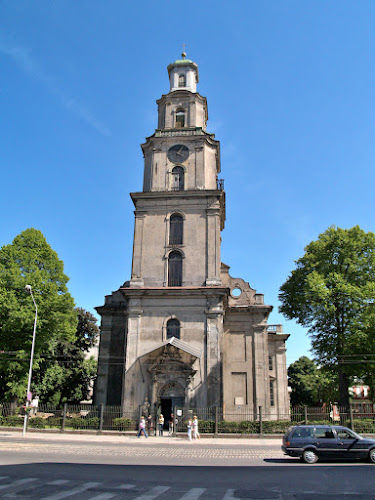
Holy Trinity Cathedral
Tours & Activities
GetYourGuide provides this tour inventory. We may earn a commission if you book through it; verify current availability, prices, and terms with the provider.
Visitor Reviews
There are no reviews yet. Be the first one to write one.
Share Your Experience
Have you visited Spoku koks (Tree of Ghosts)? Help other travelers by leaving a review.