
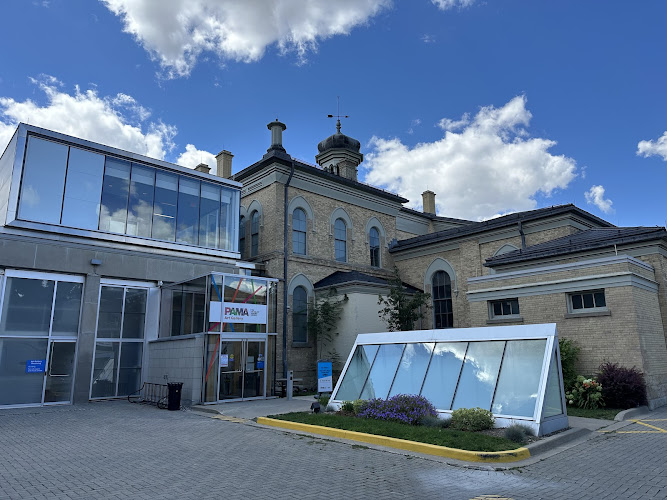
Peel Art Gallery, Museum and Archives
About Peel Art Gallery, Museum and Archives
Description
The Peel Art Gallery, Museum and Archives stands as one of those rare cultural institutions that manages to preserve the past while staying genuinely interesting for modern visitors. And trust me, that's harder to pull off than you'd think. Housed in a beautifully preserved 19th-century courthouse and jail – yes, an actual historic jail – this multi-faceted facility offers travelers an unexpected journey through the Peel region's fascinating history alongside contemporary art exhibitions that'll make you stop and think. What makes this place special isn't just the building itself, though walking through corridors where prisoners once shuffled definitely adds an atmospheric quality you won't find in your typical museum. It's the way they've managed to blend three distinct experiences – art gallery, museum, and archives – into one cohesive visit. You're not just looking at old artifacts behind glass or paintings on walls. You're stepping into stories that shaped this part of Ontario, and maybe, if you're anything like me, you'll find yourself staying way longer than you initially planned. The facility does an excellent job showcasing regional history without making it feel like a dusty textbook come to life. I've been to plenty of local history museums that seem to forget people actually want to be entertained while they learn. But here, the exhibits manage to strike that balance between education and engagement. The art gallery component features rotating exhibitions that range from historical pieces to contemporary works by regional and national artists, which means there's usually something fresh to see even if you've visited before.Key Features
- Original 19th-century courthouse and jail cells that have been carefully preserved, giving visitors an authentic glimpse into historical judicial and correctional systems
- Extensive archives containing photographs, documents, maps, and records that chronicle the Peel region's development from its earliest days through modern times
- Multiple gallery spaces featuring rotating art exhibitions that showcase both historical and contemporary works from local, regional, and national artists
- Historical exhibits that explore the region's agricultural heritage, industrial development, immigration patterns, and community evolution
- Live performance spaces that host cultural events, lectures, and community programs throughout the year
- Fully accessible facilities including wheelchair-accessible entrances, parking, and restrooms, making it welcoming for all visitors
- Free Wi-Fi access throughout the facility for visitors who want to share their experience or do additional research during their visit
- Gender-neutral restroom facilities reflecting modern inclusivity standards
- Kid-friendly exhibits and programs that make history engaging for younger visitors without talking down to them
- Research facilities where genealogy enthusiasts and history buffs can dive deep into archival materials
- The actual jail cells where you can stand behind bars and contemplate what life was like for prisoners in the 1800s
Best Time to Visit
Here's the thing about planning your visit – timing matters more than you might initially think. The Peel Art Gallery, Museum and Archives experiences different crowd levels depending on when you show up, and knowing this can really enhance your experience. Weekday mornings, particularly Tuesday through Thursday, tend to be the quietest times. If you're the type who likes to take your time examining exhibits without feeling rushed or crowded, this is your golden window. I've found that arriving shortly after opening gives you that peaceful museum experience where you can actually hear your own thoughts and really absorb what you're seeing. Weekends obviously attract more visitors, especially families with children. But don't let that deter you if weekends are your only option. The facility is spacious enough that it rarely feels uncomfortably packed. Plus, there's something kind of nice about seeing kids get excited about history – it reminds you that these stories actually matter to future generations. If you're visiting specifically for the art exhibitions, check their schedule before you go because the gallery rotates shows regularly. Planning your trip around a particular exhibition opening can add an extra layer of excitement to your visit. Sometimes they host special events or artist talks that coincide with new exhibitions, which can provide insights you wouldn't get from just viewing the art on your own. School holiday periods – March break, summer months, and December holidays – naturally see increased family traffic. The museum is definitely geared toward accommodating kids, so it's not chaos or anything, but be prepared for a more energetic atmosphere during these times. Weather doesn't matter much since everything's indoors, which makes this an excellent rainy day destination. Actually, I think there's something particularly fitting about exploring a historic courthouse on a grey, drizzly day. It just sets the mood right.How to Get There
Getting to the Peel Art Gallery, Museum and Archives is pretty straightforward whether you're driving or relying on public transportation, though like most places in the Greater Toronto Area, having a car does make things easier. For drivers, the facility is located in downtown Brampton, which is accessible via Highway 410 or Highway 407. Downtown Brampton itself is easy to navigate, and there's dedicated wheelchair-accessible parking available on-site. Street parking is also an option if the lot is full, though you'll want to check the posted signs for time limits and payment requirements. The downtown core has been undergoing revitalization in recent years, so parking infrastructure continues to improve. If you're coming from Toronto or Mississauga, the drive typically takes anywhere from 30 to 60 minutes depending on traffic conditions and your starting point. And yes, traffic can be a real consideration – avoid the 410 during rush hours if you can help it. You'll thank yourself for that bit of planning. Public transit users can access the area via Brampton Transit or Züm, the city's rapid transit service. Several bus routes serve downtown Brampton with stops within walking distance of the museum. If you're coming from Toronto, you can take GO Transit to Brampton GO Station and then transfer to local transit. It takes longer than driving but gives you that car-free travel option that some visitors prefer. The facility's location in downtown Brampton means you're also within walking distance of cafes, restaurants, and shops if you want to make a fuller day of your visit. The downtown area has been working on becoming more pedestrian-friendly, and it shows in the walkability around the museum. For out-of-town visitors flying into Toronto Pearson International Airport, you're actually quite close – only about a 20-minute drive under normal traffic conditions. This makes the museum a viable option even if you're just passing through the area with a few hours to spare.Tips for Visiting
Let me share some practical advice that'll help you make the most of your visit, stuff I wish someone had told me before my first time exploring the place. First off, give yourself more time than you think you'll need. I made the mistake once of popping in thinking I'd do a quick 45-minute walkthrough, and I ended up staying for over two hours. There's just more to see than you'd expect, especially if you're someone who actually reads the exhibit descriptions rather than just glancing at things. The jail cells are honestly the highlight for many visitors, and rightfully so. Take your time in that section. Stand in the cells, look at the architecture, imagine what it was like. The museum has done excellent interpretive work there, but the power of the space really comes from just being present in it and letting yourself feel the history. Yeah, that sounds a bit dramatic, but it's true. Photography is generally permitted in most areas, but always check for any posted restrictions in specific galleries. Some temporary art exhibitions may have photography limitations. But definitely bring your camera or smartphone – the architectural details of the building alone are worth capturing. If you're visiting with children, the facility does a good job providing engaging content for younger audiences. However, some of the historical content deals with serious subjects like crime and punishment that might require parental discretion depending on your child's age and sensitivity. Use your judgment. The archives section is a treasure trove if you have any interest in genealogy or local history research. But this isn't something you can fully explore in a casual visit. If you want to dive into archival materials, consider planning a separate visit specifically for research purposes and maybe call ahead to inquire about access procedures. Free Wi-Fi throughout the facility is genuinely useful – you can look up additional information about exhibits, share photos in real-time, or access digital guides if available. Don't feel guilty about using your phone here; it can actually enhance rather than detract from the experience. There's no restaurant on-site, which is probably the biggest practical limitation. Plan accordingly. You'll find dining options within a short walk in downtown Brampton, or bring snacks if you need them. The downtown area has been developing its food scene, so exploring local eateries can be part of your adventure. Check their website before visiting for any special exhibitions or events happening during your visit. Live performances and special programs can really enhance the experience, but they're also timed events that require advance planning. The wheelchair accessibility throughout the facility is legitimately good, not just token compliance. If you or someone in your group has mobility considerations, you can visit here without worrying about major obstacles or limitations. Lastly, approach this place with an open mind. It's not the Art Gallery of Ontario or the ROM – it's a regional facility with a specific focus. But that regional focus is exactly what makes it valuable. You'll learn things about Ontario's development and cultural history that larger institutions often overlook. And sometimes, those more intimate, focused experiences end up being the most memorable parts of your travels.Key Features
- Historic heritage complex with former courthouse, jail and registry buildings
- Rotating contemporary and historical exhibitions in the art gallery
- Extensive local archives documenting Peel Region’s civic and social history
- Educational programs, workshops and community outreach
- Accessible downtown location with museum, gallery and preserved period rooms
More Details
Updated March 30, 2026
Table of Contents
- Description
- Key Features
- Best Time to Visit
- How to Get There
- Tips for Visiting
- Key Highlights
- Location
- Places to Stay Near Peel Art Gallery, Museum and Archives
- Find and Book a Tour
- Explore More Travel Guides
- Nearby Places You Might Like
- Traveler Reviews for Peel Art Gallery, Museum and Archives
- Share Your Experience
Description
The Peel Art Gallery, Museum and Archives stands as one of those rare cultural institutions that manages to preserve the past while staying genuinely interesting for modern visitors. And trust me, that’s harder to pull off than you’d think. Housed in a beautifully preserved 19th-century courthouse and jail – yes, an actual historic jail – this multi-faceted facility offers travelers an unexpected journey through the Peel region’s fascinating history alongside contemporary art exhibitions that’ll make you stop and think.
What makes this place special isn’t just the building itself, though walking through corridors where prisoners once shuffled definitely adds an atmospheric quality you won’t find in your typical museum. It’s the way they’ve managed to blend three distinct experiences – art gallery, museum, and archives – into one cohesive visit. You’re not just looking at old artifacts behind glass or paintings on walls. You’re stepping into stories that shaped this part of Ontario, and maybe, if you’re anything like me, you’ll find yourself staying way longer than you initially planned.
The facility does an excellent job showcasing regional history without making it feel like a dusty textbook come to life. I’ve been to plenty of local history museums that seem to forget people actually want to be entertained while they learn. But here, the exhibits manage to strike that balance between education and engagement. The art gallery component features rotating exhibitions that range from historical pieces to contemporary works by regional and national artists, which means there’s usually something fresh to see even if you’ve visited before.
Key Features
- Original 19th-century courthouse and jail cells that have been carefully preserved, giving visitors an authentic glimpse into historical judicial and correctional systems
- Extensive archives containing photographs, documents, maps, and records that chronicle the Peel region’s development from its earliest days through modern times
- Multiple gallery spaces featuring rotating art exhibitions that showcase both historical and contemporary works from local, regional, and national artists
- Historical exhibits that explore the region’s agricultural heritage, industrial development, immigration patterns, and community evolution
- Live performance spaces that host cultural events, lectures, and community programs throughout the year
- Fully accessible facilities including wheelchair-accessible entrances, parking, and restrooms, making it welcoming for all visitors
- Free Wi-Fi access throughout the facility for visitors who want to share their experience or do additional research during their visit
- Gender-neutral restroom facilities reflecting modern inclusivity standards
- Kid-friendly exhibits and programs that make history engaging for younger visitors without talking down to them
- Research facilities where genealogy enthusiasts and history buffs can dive deep into archival materials
- The actual jail cells where you can stand behind bars and contemplate what life was like for prisoners in the 1800s
Best Time to Visit
Here’s the thing about planning your visit – timing matters more than you might initially think. The Peel Art Gallery, Museum and Archives experiences different crowd levels depending on when you show up, and knowing this can really enhance your experience.
Weekday mornings, particularly Tuesday through Thursday, tend to be the quietest times. If you’re the type who likes to take your time examining exhibits without feeling rushed or crowded, this is your golden window. I’ve found that arriving shortly after opening gives you that peaceful museum experience where you can actually hear your own thoughts and really absorb what you’re seeing.
Weekends obviously attract more visitors, especially families with children. But don’t let that deter you if weekends are your only option. The facility is spacious enough that it rarely feels uncomfortably packed. Plus, there’s something kind of nice about seeing kids get excited about history – it reminds you that these stories actually matter to future generations.
If you’re visiting specifically for the art exhibitions, check their schedule before you go because the gallery rotates shows regularly. Planning your trip around a particular exhibition opening can add an extra layer of excitement to your visit. Sometimes they host special events or artist talks that coincide with new exhibitions, which can provide insights you wouldn’t get from just viewing the art on your own.
School holiday periods – March break, summer months, and December holidays – naturally see increased family traffic. The museum is definitely geared toward accommodating kids, so it’s not chaos or anything, but be prepared for a more energetic atmosphere during these times.
Weather doesn’t matter much since everything’s indoors, which makes this an excellent rainy day destination. Actually, I think there’s something particularly fitting about exploring a historic courthouse on a grey, drizzly day. It just sets the mood right.
How to Get There
Getting to the Peel Art Gallery, Museum and Archives is pretty straightforward whether you’re driving or relying on public transportation, though like most places in the Greater Toronto Area, having a car does make things easier.
For drivers, the facility is located in downtown Brampton, which is accessible via Highway 410 or Highway 407. Downtown Brampton itself is easy to navigate, and there’s dedicated wheelchair-accessible parking available on-site. Street parking is also an option if the lot is full, though you’ll want to check the posted signs for time limits and payment requirements. The downtown core has been undergoing revitalization in recent years, so parking infrastructure continues to improve.
If you’re coming from Toronto or Mississauga, the drive typically takes anywhere from 30 to 60 minutes depending on traffic conditions and your starting point. And yes, traffic can be a real consideration – avoid the 410 during rush hours if you can help it. You’ll thank yourself for that bit of planning.
Public transit users can access the area via Brampton Transit or Züm, the city’s rapid transit service. Several bus routes serve downtown Brampton with stops within walking distance of the museum. If you’re coming from Toronto, you can take GO Transit to Brampton GO Station and then transfer to local transit. It takes longer than driving but gives you that car-free travel option that some visitors prefer.
The facility’s location in downtown Brampton means you’re also within walking distance of cafes, restaurants, and shops if you want to make a fuller day of your visit. The downtown area has been working on becoming more pedestrian-friendly, and it shows in the walkability around the museum.
For out-of-town visitors flying into Toronto Pearson International Airport, you’re actually quite close – only about a 20-minute drive under normal traffic conditions. This makes the museum a viable option even if you’re just passing through the area with a few hours to spare.
Tips for Visiting
Let me share some practical advice that’ll help you make the most of your visit, stuff I wish someone had told me before my first time exploring the place.
First off, give yourself more time than you think you’ll need. I made the mistake once of popping in thinking I’d do a quick 45-minute walkthrough, and I ended up staying for over two hours. There’s just more to see than you’d expect, especially if you’re someone who actually reads the exhibit descriptions rather than just glancing at things.
The jail cells are honestly the highlight for many visitors, and rightfully so. Take your time in that section. Stand in the cells, look at the architecture, imagine what it was like. The museum has done excellent interpretive work there, but the power of the space really comes from just being present in it and letting yourself feel the history. Yeah, that sounds a bit dramatic, but it’s true.
Photography is generally permitted in most areas, but always check for any posted restrictions in specific galleries. Some temporary art exhibitions may have photography limitations. But definitely bring your camera or smartphone – the architectural details of the building alone are worth capturing.
If you’re visiting with children, the facility does a good job providing engaging content for younger audiences. However, some of the historical content deals with serious subjects like crime and punishment that might require parental discretion depending on your child’s age and sensitivity. Use your judgment.
The archives section is a treasure trove if you have any interest in genealogy or local history research. But this isn’t something you can fully explore in a casual visit. If you want to dive into archival materials, consider planning a separate visit specifically for research purposes and maybe call ahead to inquire about access procedures.
Free Wi-Fi throughout the facility is genuinely useful – you can look up additional information about exhibits, share photos in real-time, or access digital guides if available. Don’t feel guilty about using your phone here; it can actually enhance rather than detract from the experience.
There’s no restaurant on-site, which is probably the biggest practical limitation. Plan accordingly. You’ll find dining options within a short walk in downtown Brampton, or bring snacks if you need them. The downtown area has been developing its food scene, so exploring local eateries can be part of your adventure.
Check their website before visiting for any special exhibitions or events happening during your visit. Live performances and special programs can really enhance the experience, but they’re also timed events that require advance planning.
The wheelchair accessibility throughout the facility is legitimately good, not just token compliance. If you or someone in your group has mobility considerations, you can visit here without worrying about major obstacles or limitations.
Lastly, approach this place with an open mind. It’s not the Art Gallery of Ontario or the ROM – it’s a regional facility with a specific focus. But that regional focus is exactly what makes it valuable. You’ll learn things about Ontario’s development and cultural history that larger institutions often overlook. And sometimes, those more intimate, focused experiences end up being the most memorable parts of your travels.
Key Highlights
- Historic heritage complex with former courthouse, jail and registry buildings
- Rotating contemporary and historical exhibitions in the art gallery
- Extensive local archives documenting Peel Region’s civic and social history
- Educational programs, workshops and community outreach
- Accessible downtown location with museum, gallery and preserved period rooms
Location
Places to Stay Near Peel Art Gallery, Museum and Archives
Find and Book a Tour
Explore More Travel Guides
No reviews found! Be the first to review!
Peel Art Gallery, Museum and Archives is a prominent museums located in Brampton.
Visit us at: 9 Wellington St E, Brampton, ON L6W 1Y1, Canada.
Traveler Reviews for Peel Art Gallery, Museum and Archives
There are no reviews yet. Be the first one to write one.
Have you visited Peel Art Gallery, Museum and Archives? Help other travelers by sharing your review.
Nearby Attractions
You Might Also Like

Chinguacousy Park

Major Oaks Park

The Creditview Activity Hub
Find Accommodations Nearby
Recommended Tours & Activities
Visitor Reviews
There are no reviews yet. Be the first one to write one.
Share Your Experience
Have you visited Peel Art Gallery, Museum and Archives? Help other travelers by leaving a review.