
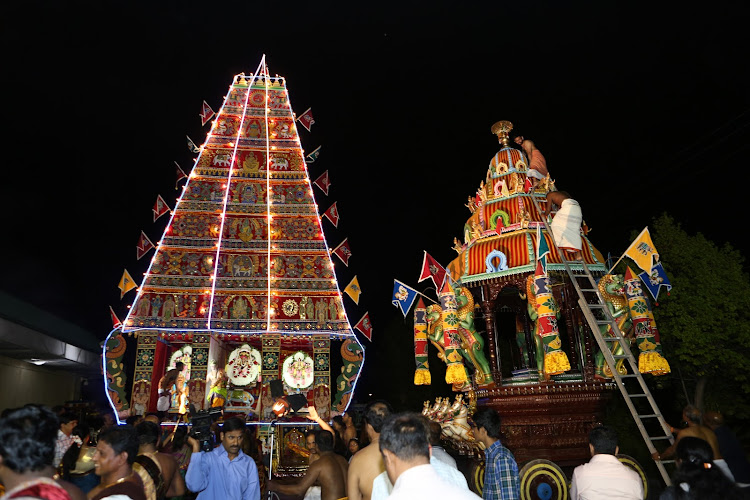
Sri Katpaga Vinayagar Hindu Temple
About Sri Katpaga Vinayagar Hindu Temple
Description
The Sri Katpaga Vinayagar Hindu Temple stands as a welcoming spiritual haven where ancient traditions meet modern accessibility. This temple dedicates itself primarily to Lord Ganesha, the elephant-headed deity revered throughout Hindu culture as the remover of obstacles and the patron of new beginnings. What strikes most visitors first isn't grandeur or overwhelming architectural spectacle – it's the genuine sense of tranquility that permeates every corner of this sacred space. I remember chatting with a traveler from Australia who described her visit here as unexpectedly moving. She wasn't Hindu, knew practically nothing about the religion before stepping through those doors, but found herself drawn to the serene atmosphere and the quiet devotion of worshippers. And that's really what makes this temple special. It doesn't shout for attention or try to impress you with lavish displays. Instead, it invites you into an authentic spiritual experience that feels both timeless and accessible. The temple houses an array of beautifully crafted statues representing various Hindu deities, each one painted in the traditional bright colors that carry deep symbolic meaning within Hindu iconography. These aren't mass-produced decorations but thoughtfully created representations that devotees have honored for years. The craftsmanship tells stories of dedication, faith, and cultural preservation that continues to thrive in this community space. For travelers seeking genuine cultural immersion rather than tourist-trap experiences, this temple offers something increasingly rare – an opportunity to witness living tradition in practice. You'll find families conducting prayers, individuals seeking blessings before important life events, and community members gathering for festivals and ceremonies that have been celebrated for centuries. The atmosphere invites respectful observation and participation, making it ideal for those interested in understanding Hindu practices beyond what guidebooks typically share.Key Features
The Sri Katpaga Vinayagar Hindu Temple offers several distinctive features that enhance the visitor experience:- Comprehensive Wheelchair Accessibility – Both the entrance and parking lot accommodate wheelchair users, making this temple notably more accessible than many traditional religious sites. This thoughtful design allows everyone to participate in worship and cultural exploration regardless of physical limitations.
- Colorful Deity Statues – The temple showcases an impressive collection of Hindu deity representations, each adorned in traditional vibrant hues. The main Vinayagar (Ganesha) statue serves as the focal point, but you'll discover numerous other deities honored throughout the space, each with their own significance and following.
- Peaceful Worship Environment – Unlike some tourist-heavy religious sites, this temple maintains an atmosphere genuinely conducive to meditation and reflection. The absence of commercial pressure or overwhelming crowds creates space for authentic spiritual experience.
- Visitor-Friendly Amenities – Restroom facilities are available on-site, which honestly matters more than most travel guides acknowledge. It's these practical considerations that can make or break a visit, especially for families or those planning extended stays.
- Community-Centered Atmosphere – The temple functions as both a place of worship and a cultural gathering space for the local Hindu community. Visitors often appreciate witnessing genuine religious practice rather than performances staged for tourists.
- Educational Opportunity – For those unfamiliar with Hinduism, the temple provides organic learning experiences. Observing rituals, examining the iconography, and respectfully engaging with worshippers offers insights that textbooks simply can't match.
- Unpretentious Setting – The facility prioritizes function and spiritual purpose over flashy architecture. This humility actually enhances the experience, allowing the religious significance to take center stage rather than being overshadowed by tourist-oriented spectacle.
Best Time to Visit
Timing your visit to Sri Katpaga Vinayagar Hindu Temple can significantly influence your experience, and I've learned this matters more than people initially realize. Festival periods bring the temple to life in extraordinary ways. Ganesh Chaturthi, the birthday celebration of Lord Ganesha, typically falls between August and September and transforms the temple into a hub of devotional energy. You'll witness elaborate rituals, special offerings, traditional music, and a palpable sense of communal joy that's genuinely infectious. But fair warning – these periods also mean larger crowds and longer wait times for darshan (viewing of the deity). Diwali, the festival of lights celebrated in October or November, represents another spectacular time for temple visits. The entire space glows with oil lamps and decorative lights, creating an atmosphere that feels almost magical. The energy during these celebrations gives travelers insight into Hindu culture that ordinary days simply can't provide. However, if you're seeking that peaceful atmosphere the temple is known for, weekday mornings offer ideal conditions. Tuesday mornings hold particular significance for Ganesha worship, so you'll see more devotees than other weekdays, but it rarely becomes overwhelming. The early hours between 8 and 10 AM typically provide the sweet spot – enough activity to feel the temple's living spirit without the afternoon rush. Weekend afternoons tend toward busier periods as families visit together and community members gather after work obligations. This isn't necessarily negative – witnessing the temple as a active community space has its own value – but those sensitive to crowds might find it less comfortable. Weather-wise, the temple's indoor nature means you're protected from most seasonal concerns. Still, visiting during moderate temperature months makes the overall journey more pleasant, especially if you're exploring the surrounding area before or after your temple visit. I'd personally avoid visiting during major North American holidays unless they coincide with Hindu festivals, as the temple may have adjusted hours or limited accessibility due to reduced volunteer presence.How to Get There
Reaching the Sri Katpaga Vinayagar Hindu Temple requires some planning, but the journey is straightforward once you understand your options. Most visitors arrive by personal vehicle, which offers the most flexibility and convenience. The temple provides wheelchair-accessible parking, and you'll generally find adequate space even during moderately busy periods. If you're using GPS navigation, entering the temple's name should provide accurate directions, though double-checking the exact location before departing helps avoid those frustrating last-minute navigation errors that seem to plague religious site searches. For those relying on ride-sharing services like Uber or Lyft, these platforms work well for temple visits. The pickup and drop-off area is clearly defined, and drivers familiar with the area typically know the location. Just allow extra buffer time for your return ride, as availability might fluctuate depending on the time and day. Public transportation options vary significantly based on your starting location. Some visitors have successfully used bus routes with reasonable walking distances, but this requires research specific to your accommodation location and schedule. The accessibility features become particularly valuable here – if you're navigating public transit with mobility considerations, knowing the temple accommodates wheelchairs eliminates one major concern from your journey planning. Travelers staying in nearby hotels might find the temple within reasonable taxi distance. I've spoken with visitors who negotiated with taxi drivers for round-trip service, asking the driver to return after a specified time. This approach works well if you've planned a focused temple visit of specific duration. When planning your route, factor in parking time and the walk from your vehicle to the entrance. While the accessible entrance facilitates easy entry, arriving during peak periods might mean parking further from the immediate entrance area. International travelers should note that having offline maps downloaded provides backup navigation if cellular service proves unreliable. There's nothing quite like the sinking feeling of losing GPS signal when you're already running late for a specific ceremony or event you hoped to witness.Tips for Visiting
Making the most of your Sri Katpaga Vinayagar Hindu Temple visit involves understanding both practical considerations and cultural expectations. And honestly, these details can transform a visit from merely nice to genuinely memorable. Dress modestly and respectfully. This means covering shoulders and knees at minimum. You don't need to purchase special clothing, but that beach outfit or gym wear isn't appropriate here. Loose, comfortable clothing works perfectly – remember you might be sitting on the floor during certain ceremonies. Many women choose to cover their heads, though this isn't universally required at this particular temple. When in doubt, bring a light scarf that can serve multiple purposes. Remove your shoes before entering the main worship areas. The temple provides designated areas for footwear storage, but I always recommend bringing socks or being comfortable walking barefoot. The floors are maintained, but if you're particular about foot hygiene, socks solve that concern while remaining respectful. Photography etiquette matters enormously. While some temples prohibit photography entirely, others allow it with restrictions. Always ask permission before photographing people, especially during worship. Flash photography is typically discouraged as it disrupts the meditative atmosphere. I've seen well-meaning tourists create uncomfortable situations by treating worshippers like zoo exhibits – don't be that person. Understanding basic temple etiquette enhances everyone's experience. Walk clockwise around the main shrine when circumambulating (walking around as an act of devotion). Don't point your feet toward deity statues when sitting. Avoid physical displays of affection beyond simple hand-holding. These aren't arbitrary rules but meaningful practices rooted in centuries of tradition. Consider visiting during aarti (prayer ceremony) times for a richer experience. These ceremonies involve oil lamps, chanting, and communal worship that illustrates Hinduism's living tradition. Temple staff or regular devotees can typically inform you of aarti schedules. Offerings and donations are appreciated but never mandatory for visitors. If you wish to participate in offering traditions, small amounts of fruit or flowers are customary. Monetary donations support temple maintenance and community programs. But you shouldn't feel pressured – respectful presence and genuine interest are valued. Engage respectfully with worshippers if opportunities arise naturally. Many devotees are happy to explain practices or answer questions when approached with genuine curiosity and respect. I've had some of my most educational travel experiences through these spontaneous conversations. But read the room – someone deep in prayer obviously isn't the moment for your questions. Plan for spending at least 45 minutes to an hour if you want to truly absorb the atmosphere rather than just checking it off a list. Rushing through defeats the purpose of visiting a space dedicated to contemplation and spiritual practice. The restroom facilities are available, but coming prepared never hurts. Bring hand sanitizer and any personal items you might need, as temple facilities, while clean, may not stock everything you're accustomed to. If you're visiting with children, prepare them beforehand about expected behavior. Temples welcome families, but maintaining respectful quiet is important. Bringing quiet activities for very young children helps if they become restless during longer visits. Finally, approach your visit with openness and humility. You're entering a sacred space that holds deep meaning for its community. Whether you're spiritually inclined or simply culturally curious, that respect creates the foundation for meaningful cross-cultural exchange that benefits everyone involved.Key Features
- Primary deity: Sri Katpaga Vinayagar (Lord Ganesha)
- Traditional South Indian/Tamil style rituals and music (including nadaswaram)
- Wheelchair-accessible entrance and facilities
- Active community centre with festivals and cultural events
- Located in Brampton with straightforward parking and transit access
More Details
Updated March 30, 2026
Table of Contents
- Description
- Key Features
- Best Time to Visit
- How to Get There
- Tips for Visiting
- Key Highlights
- Location
- Places to Stay Near Sri Katpaga Vinayagar Hindu Temple
- Find and Book a Tour
- Explore More Travel Guides
- Nearby Places You Might Like
- Traveler Reviews for Sri Katpaga Vinayagar Hindu Temple
- Share Your Experience
Description
The Sri Katpaga Vinayagar Hindu Temple stands as a welcoming spiritual haven where ancient traditions meet modern accessibility. This temple dedicates itself primarily to Lord Ganesha, the elephant-headed deity revered throughout Hindu culture as the remover of obstacles and the patron of new beginnings. What strikes most visitors first isn’t grandeur or overwhelming architectural spectacle – it’s the genuine sense of tranquility that permeates every corner of this sacred space.
I remember chatting with a traveler from Australia who described her visit here as unexpectedly moving. She wasn’t Hindu, knew practically nothing about the religion before stepping through those doors, but found herself drawn to the serene atmosphere and the quiet devotion of worshippers. And that’s really what makes this temple special. It doesn’t shout for attention or try to impress you with lavish displays. Instead, it invites you into an authentic spiritual experience that feels both timeless and accessible.
The temple houses an array of beautifully crafted statues representing various Hindu deities, each one painted in the traditional bright colors that carry deep symbolic meaning within Hindu iconography. These aren’t mass-produced decorations but thoughtfully created representations that devotees have honored for years. The craftsmanship tells stories of dedication, faith, and cultural preservation that continues to thrive in this community space.
For travelers seeking genuine cultural immersion rather than tourist-trap experiences, this temple offers something increasingly rare – an opportunity to witness living tradition in practice. You’ll find families conducting prayers, individuals seeking blessings before important life events, and community members gathering for festivals and ceremonies that have been celebrated for centuries. The atmosphere invites respectful observation and participation, making it ideal for those interested in understanding Hindu practices beyond what guidebooks typically share.
Key Features
The Sri Katpaga Vinayagar Hindu Temple offers several distinctive features that enhance the visitor experience:
- Comprehensive Wheelchair Accessibility – Both the entrance and parking lot accommodate wheelchair users, making this temple notably more accessible than many traditional religious sites. This thoughtful design allows everyone to participate in worship and cultural exploration regardless of physical limitations.
- Colorful Deity Statues – The temple showcases an impressive collection of Hindu deity representations, each adorned in traditional vibrant hues. The main Vinayagar (Ganesha) statue serves as the focal point, but you’ll discover numerous other deities honored throughout the space, each with their own significance and following.
- Peaceful Worship Environment – Unlike some tourist-heavy religious sites, this temple maintains an atmosphere genuinely conducive to meditation and reflection. The absence of commercial pressure or overwhelming crowds creates space for authentic spiritual experience.
- Visitor-Friendly Amenities – Restroom facilities are available on-site, which honestly matters more than most travel guides acknowledge. It’s these practical considerations that can make or break a visit, especially for families or those planning extended stays.
- Community-Centered Atmosphere – The temple functions as both a place of worship and a cultural gathering space for the local Hindu community. Visitors often appreciate witnessing genuine religious practice rather than performances staged for tourists.
- Educational Opportunity – For those unfamiliar with Hinduism, the temple provides organic learning experiences. Observing rituals, examining the iconography, and respectfully engaging with worshippers offers insights that textbooks simply can’t match.
- Unpretentious Setting – The facility prioritizes function and spiritual purpose over flashy architecture. This humility actually enhances the experience, allowing the religious significance to take center stage rather than being overshadowed by tourist-oriented spectacle.
Best Time to Visit
Timing your visit to Sri Katpaga Vinayagar Hindu Temple can significantly influence your experience, and I’ve learned this matters more than people initially realize.
Festival periods bring the temple to life in extraordinary ways. Ganesh Chaturthi, the birthday celebration of Lord Ganesha, typically falls between August and September and transforms the temple into a hub of devotional energy. You’ll witness elaborate rituals, special offerings, traditional music, and a palpable sense of communal joy that’s genuinely infectious. But fair warning – these periods also mean larger crowds and longer wait times for darshan (viewing of the deity).
Diwali, the festival of lights celebrated in October or November, represents another spectacular time for temple visits. The entire space glows with oil lamps and decorative lights, creating an atmosphere that feels almost magical. The energy during these celebrations gives travelers insight into Hindu culture that ordinary days simply can’t provide.
However, if you’re seeking that peaceful atmosphere the temple is known for, weekday mornings offer ideal conditions. Tuesday mornings hold particular significance for Ganesha worship, so you’ll see more devotees than other weekdays, but it rarely becomes overwhelming. The early hours between 8 and 10 AM typically provide the sweet spot – enough activity to feel the temple’s living spirit without the afternoon rush.
Weekend afternoons tend toward busier periods as families visit together and community members gather after work obligations. This isn’t necessarily negative – witnessing the temple as a active community space has its own value – but those sensitive to crowds might find it less comfortable.
Weather-wise, the temple’s indoor nature means you’re protected from most seasonal concerns. Still, visiting during moderate temperature months makes the overall journey more pleasant, especially if you’re exploring the surrounding area before or after your temple visit.
I’d personally avoid visiting during major North American holidays unless they coincide with Hindu festivals, as the temple may have adjusted hours or limited accessibility due to reduced volunteer presence.
How to Get There
Reaching the Sri Katpaga Vinayagar Hindu Temple requires some planning, but the journey is straightforward once you understand your options.
Most visitors arrive by personal vehicle, which offers the most flexibility and convenience. The temple provides wheelchair-accessible parking, and you’ll generally find adequate space even during moderately busy periods. If you’re using GPS navigation, entering the temple’s name should provide accurate directions, though double-checking the exact location before departing helps avoid those frustrating last-minute navigation errors that seem to plague religious site searches.
For those relying on ride-sharing services like Uber or Lyft, these platforms work well for temple visits. The pickup and drop-off area is clearly defined, and drivers familiar with the area typically know the location. Just allow extra buffer time for your return ride, as availability might fluctuate depending on the time and day.
Public transportation options vary significantly based on your starting location. Some visitors have successfully used bus routes with reasonable walking distances, but this requires research specific to your accommodation location and schedule. The accessibility features become particularly valuable here – if you’re navigating public transit with mobility considerations, knowing the temple accommodates wheelchairs eliminates one major concern from your journey planning.
Travelers staying in nearby hotels might find the temple within reasonable taxi distance. I’ve spoken with visitors who negotiated with taxi drivers for round-trip service, asking the driver to return after a specified time. This approach works well if you’ve planned a focused temple visit of specific duration.
When planning your route, factor in parking time and the walk from your vehicle to the entrance. While the accessible entrance facilitates easy entry, arriving during peak periods might mean parking further from the immediate entrance area.
International travelers should note that having offline maps downloaded provides backup navigation if cellular service proves unreliable. There’s nothing quite like the sinking feeling of losing GPS signal when you’re already running late for a specific ceremony or event you hoped to witness.
Tips for Visiting
Making the most of your Sri Katpaga Vinayagar Hindu Temple visit involves understanding both practical considerations and cultural expectations. And honestly, these details can transform a visit from merely nice to genuinely memorable.
Dress modestly and respectfully. This means covering shoulders and knees at minimum. You don’t need to purchase special clothing, but that beach outfit or gym wear isn’t appropriate here. Loose, comfortable clothing works perfectly – remember you might be sitting on the floor during certain ceremonies. Many women choose to cover their heads, though this isn’t universally required at this particular temple. When in doubt, bring a light scarf that can serve multiple purposes.
Remove your shoes before entering the main worship areas. The temple provides designated areas for footwear storage, but I always recommend bringing socks or being comfortable walking barefoot. The floors are maintained, but if you’re particular about foot hygiene, socks solve that concern while remaining respectful.
Photography etiquette matters enormously. While some temples prohibit photography entirely, others allow it with restrictions. Always ask permission before photographing people, especially during worship. Flash photography is typically discouraged as it disrupts the meditative atmosphere. I’ve seen well-meaning tourists create uncomfortable situations by treating worshippers like zoo exhibits – don’t be that person.
Understanding basic temple etiquette enhances everyone’s experience. Walk clockwise around the main shrine when circumambulating (walking around as an act of devotion). Don’t point your feet toward deity statues when sitting. Avoid physical displays of affection beyond simple hand-holding. These aren’t arbitrary rules but meaningful practices rooted in centuries of tradition.
Consider visiting during aarti (prayer ceremony) times for a richer experience. These ceremonies involve oil lamps, chanting, and communal worship that illustrates Hinduism’s living tradition. Temple staff or regular devotees can typically inform you of aarti schedules.
Offerings and donations are appreciated but never mandatory for visitors. If you wish to participate in offering traditions, small amounts of fruit or flowers are customary. Monetary donations support temple maintenance and community programs. But you shouldn’t feel pressured – respectful presence and genuine interest are valued.
Engage respectfully with worshippers if opportunities arise naturally. Many devotees are happy to explain practices or answer questions when approached with genuine curiosity and respect. I’ve had some of my most educational travel experiences through these spontaneous conversations. But read the room – someone deep in prayer obviously isn’t the moment for your questions.
Plan for spending at least 45 minutes to an hour if you want to truly absorb the atmosphere rather than just checking it off a list. Rushing through defeats the purpose of visiting a space dedicated to contemplation and spiritual practice.
The restroom facilities are available, but coming prepared never hurts. Bring hand sanitizer and any personal items you might need, as temple facilities, while clean, may not stock everything you’re accustomed to.
If you’re visiting with children, prepare them beforehand about expected behavior. Temples welcome families, but maintaining respectful quiet is important. Bringing quiet activities for very young children helps if they become restless during longer visits.
Finally, approach your visit with openness and humility. You’re entering a sacred space that holds deep meaning for its community. Whether you’re spiritually inclined or simply culturally curious, that respect creates the foundation for meaningful cross-cultural exchange that benefits everyone involved.
Key Highlights
- Primary deity: Sri Katpaga Vinayagar (Lord Ganesha)
- Traditional South Indian/Tamil style rituals and music (including nadaswaram)
- Wheelchair-accessible entrance and facilities
- Active community centre with festivals and cultural events
- Located in Brampton with straightforward parking and transit access
Location
Places to Stay Near Sri Katpaga Vinayagar Hindu Temple
Find and Book a Tour
Explore More Travel Guides
No reviews found! Be the first to review!
Sri Katpaga Vinayagar Hindu Temple is a prominent attractions located in Brampton.
Visit us at: 200 Advance Blvd #1-5, Brampton, ON L6T 4V4, Canada.
Traveler Reviews for Sri Katpaga Vinayagar Hindu Temple
There are no reviews yet. Be the first one to write one.
Have you visited Sri Katpaga Vinayagar Hindu Temple? Help other travelers by sharing your review.
Nearby Attractions
You Might Also Like
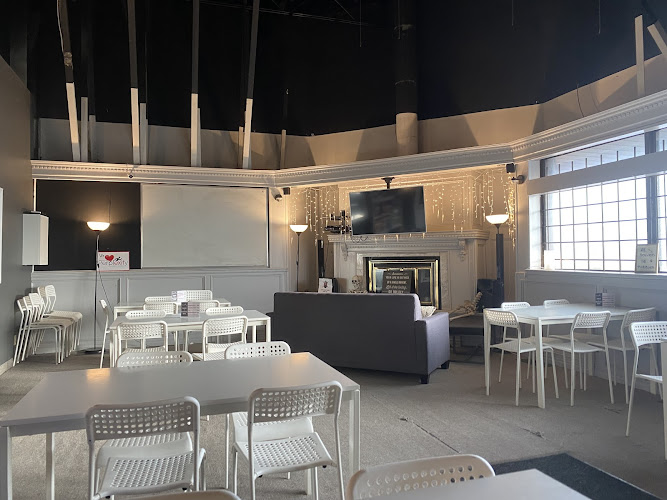
Perplexity Escape Games - Brampton
Spring Valley Ct
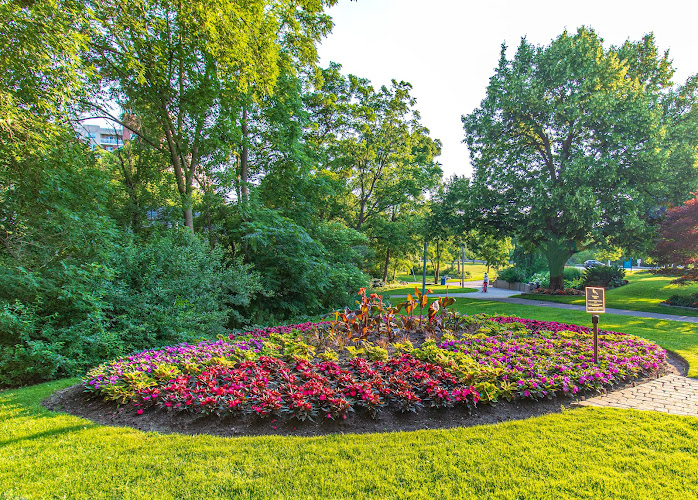
Charles F. Watson and Family Gardens
Find Accommodations Nearby
Recommended Tours & Activities
Visitor Reviews
There are no reviews yet. Be the first one to write one.
Share Your Experience
Have you visited Sri Katpaga Vinayagar Hindu Temple? Help other travelers by leaving a review.