About Parque Forestal

Description

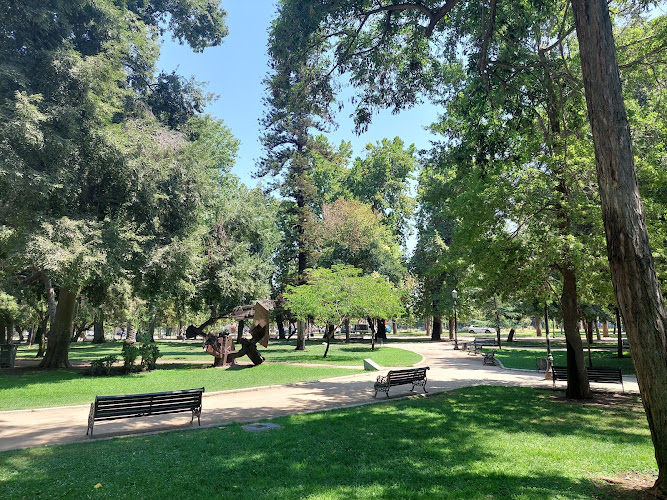
Parque Forestal stretches through the heart of Santiago like a green ribbon, and honestly, it's one of those places that grows on you the more you explore it. Dating back to 1905, this narrow strip of urban park has watched over the city for more than a century, and you can feel that history in every corner. The park runs alongside the Mapocho River, creating this unexpected oasis where locals and travelers alike come to catch their breath from the city's hustle. What strikes most visitors first is how the park manages to be both peaceful and purposeful at the same time. It's not just grass and trees—though there's plenty of that. The winding pathways take you past an impressive collection of sculptures that seem to pop up when you least expect them, each telling its own story about Chilean art and culture. And speaking from experience, there's something special about stumbling upon a bronze statue under dappled sunlight while you're just trying to find your way to the next museum. The park serves as a connector between several important cultural institutions, making it more than just a pretty place to walk. You'll find yourself naturally drawn from one attraction to another, with the park acting as this thoughtful transition space that gives you time to process what you've just seen before diving into the next experience. It's functional design at its best, really.

Key Features

  • Historic pathways lined with mature trees that provide generous shade during Santiago's warm months
  • Multiple sculptures and art installations scattered throughout the park, creating an outdoor gallery atmosphere
  • Designated cycling lanes that make exploring on two wheels both safe and enjoyable
  • Well-maintained playground facilities with slides and swings that keep younger travelers entertained
  • Dog-friendly areas including a dedicated dog park where four-legged companions can socialize
  • Accessible entrances and parking designed for wheelchair users and visitors with mobility challenges
  • Public restrooms strategically placed along the main pathways
  • Kid-friendly hiking trails that work perfectly for families wanting gentle outdoor activity
  • Ample green spaces ideal for picnicking with locally-sourced food from nearby markets
  • Direct access to cultural museums and attractions without leaving the park grounds
  • Benches positioned throughout for rest stops and people-watching opportunities
  • Street performers and local artists who often set up near the main thoroughfares

Best Time to Visit

The question of timing really depends on what kind of experience you're after, but I'll tell you what I've learned from watching this park through different seasons and times of day. Spring months—September through November in the Southern Hemisphere—bring Parque Forestal to life in ways that feel almost cinematic. The trees burst with fresh leaves, the temperature hovers in that perfect range where you don't need a jacket but won't break a sweat either, and the whole park seems to exhale after winter. You'll find more families out during this period, and the energy is genuinely infectious. But here's the thing: because it's so pleasant, you're sharing the space with quite a few other people who had the same brilliant idea. Summer (December through February) gets hot in Santiago, and while some travelers avoid the park during midday, I'd argue that's actually when the mature tree canopy proves its worth. The shade becomes precious, and if you time your visit for early morning—say around 8 or 9 AM—you'll catch joggers, dog walkers, and that special quality of light that photographers dream about. Late afternoon works too, when the heat breaks and locals start filtering in after work. Autumn months of March through May offer arguably the most photogenic version of the park. The leaves change color, creating this golden overlay that makes even a simple walk feel significant. Crowds thin out a bit compared to spring, and the mild temperatures mean you can comfortably spend hours here without planning your entire route around shade. Winter brings its own character. Sure, it's the rainy season and temperatures drop, but Parque Forestal in winter has this contemplative quality that appeals to certain types of travelers. Pack a waterproof jacket, embrace the possibility of drizzle, and you might find yourself sharing the pathways with only a handful of dedicated locals and their very happy dogs. Weekdays generally offer a calmer experience than weekends, particularly Saturday afternoons when it seems like half of Santiago decides to have a family outing. Sunday mornings, though? That's a sweet spot. Many locals sleep in or attend family gatherings, giving you more breathing room to explore at your own pace.

How to Get There

Getting to Parque Forestal is refreshingly straightforward, which matters when you're trying to maximize your limited travel time. The Santiago Metro puts you within easy walking distance if you use either the Bellas Artes or Baquedano stations on Line 5 (the green line). Both stations dump you out right at the park's edges, and the walk from platform to park entrance takes maybe five minutes. Baquedano also connects with Line 1 (the red line), making it a particularly convenient transfer point if you're coming from other parts of the city. Metro aside, Santiago's bus system serves the area extensively. Routes 210, 405, and 506 all stop along the park's perimeter, though figuring out the bus system can feel like solving a puzzle if you're new to the city. The Transantiago website helps, but honestly, I've found that asking locals tends to work better than any app. If you're staying in neighborhoods like Lastarria or Bellavista, you can absolutely walk to Parque Forestal. The park essentially forms a boundary between these areas and the city center, so you might find yourself passing through it naturally as you navigate Santiago. The walk from Lastarria takes about 10 minutes, maybe 15 if you're stopping to look at street art along the way. Taxis and rideshare services like Uber and Cabify know the park well. Just tell the driver "Parque Forestal" and specify which end you prefer—near the Museo Nacional de Bellas Artes works as a good reference point. The fare from most central Santiago locations shouldn't break your budget. Cyclists will appreciate that Santiago has been improving its bike infrastructure, and several routes lead directly to the park's dedicated cycling lanes. You can rent bikes from various shops in nearby neighborhoods, and some hostels even loan them to guests.

Tips for Visiting

Pack water and snacks even if you're planning a short visit. While you'll find vendors near the park selling drinks and treats, they charge tourist prices and the selection can be limited. There's a certain freedom in having your own supplies, especially if you want to claim a spot under a tree and just exist for a while. Wear comfortable walking shoes—this seems obvious but I've seen too many travelers in new sandals discover the hard way that blisters don't care about your vacation schedule. The pathways are generally well-maintained but you'll be covering more distance than you expect once you start wandering. Bring a light jacket or sweater regardless of the season. Santiago's weather can shift quickly, and even on warm days, the shade under those old trees can feel surprisingly cool. Layering is your friend here. If you're visiting with kids, scope out the playground areas early in your visit so you know where to head when energy levels demand it. The playgrounds tend to be busier late afternoon, so morning visits might give younger travelers more room to explore the equipment. Dog owners should know that while dogs are welcome throughout most of the park, the designated dog park area lets your pet off-leash safely. Locals take dog etiquette seriously here, so bring waste bags and actually use them. Photography enthusiasts should consider that the lighting changes dramatically depending on which direction you're facing and what time of day you visit. The sculptures make excellent subjects, but don't overlook the architectural details of the surrounding buildings visible through the trees. Keep an eye on your belongings without being paranoid about it. Parque Forestal is generally safe, especially during daylight hours, but it's still an urban park in a major city. Common sense applies—don't leave bags unattended while you chase that perfect photo. The museums adjacent to the park deserve your attention but require separate planning. Don't expect to "quickly pop into" the Museo Nacional de Bellas Artes and be out in 20 minutes. Budget proper time for cultural attractions if they're on your agenda. Street performers and artists often gather near the main entrances and pathways. Small bills for tips are appreciated if you stop to watch a performance or take photos of artwork. Picnicking here is genuinely delightful, and many travelers miss out by not planning for it. Stop at the nearby Mercado Central or La Vega markets before your visit, grab some local cheese, bread, and fruit, and you've got yourself an authentic Santiago lunch experience for a fraction of restaurant prices. Finally, consider visiting multiple times if your schedule allows. Parque Forestal reveals different aspects of itself depending on when you arrive—morning light, afternoon crowds, evening coolness. It's not the kind of place you "do" once and check off your list. Instead, it becomes a familiar reference point as you explore Santiago, a green thread connecting different parts of your journey through the city.

Key Features

  • Linear riverside layout along the former Mapocho riverbed
  • Proximity to major museums: Museo Nacional de Bellas Artes and Museo de Artes Visuales
  • Historic design dating to 1905 with European-inspired landscaping
  • Shaded promenades, sculptures, ponds and plentiful seating areas
  • Vibrant nearby neighborhoods (Lastarria) with cafes, galleries and cultural venues

More Details

Updated March 30, 2026

Description

Parque Forestal stretches through the heart of Santiago like a green ribbon, and honestly, it’s one of those places that grows on you the more you explore it. Dating back to 1905, this narrow strip of urban park has watched over the city for more than a century, and you can feel that history in every corner. The park runs alongside the Mapocho River, creating this unexpected oasis where locals and travelers alike come to catch their breath from the city’s hustle.

What strikes most visitors first is how the park manages to be both peaceful and purposeful at the same time. It’s not just grass and trees—though there’s plenty of that. The winding pathways take you past an impressive collection of sculptures that seem to pop up when you least expect them, each telling its own story about Chilean art and culture. And speaking from experience, there’s something special about stumbling upon a bronze statue under dappled sunlight while you’re just trying to find your way to the next museum.

The park serves as a connector between several important cultural institutions, making it more than just a pretty place to walk. You’ll find yourself naturally drawn from one attraction to another, with the park acting as this thoughtful transition space that gives you time to process what you’ve just seen before diving into the next experience. It’s functional design at its best, really.

Key Features

  • Historic pathways lined with mature trees that provide generous shade during Santiago’s warm months
  • Multiple sculptures and art installations scattered throughout the park, creating an outdoor gallery atmosphere
  • Designated cycling lanes that make exploring on two wheels both safe and enjoyable
  • Well-maintained playground facilities with slides and swings that keep younger travelers entertained
  • Dog-friendly areas including a dedicated dog park where four-legged companions can socialize
  • Accessible entrances and parking designed for wheelchair users and visitors with mobility challenges
  • Public restrooms strategically placed along the main pathways
  • Kid-friendly hiking trails that work perfectly for families wanting gentle outdoor activity
  • Ample green spaces ideal for picnicking with locally-sourced food from nearby markets
  • Direct access to cultural museums and attractions without leaving the park grounds
  • Benches positioned throughout for rest stops and people-watching opportunities
  • Street performers and local artists who often set up near the main thoroughfares

Best Time to Visit

The question of timing really depends on what kind of experience you’re after, but I’ll tell you what I’ve learned from watching this park through different seasons and times of day.

Spring months—September through November in the Southern Hemisphere—bring Parque Forestal to life in ways that feel almost cinematic. The trees burst with fresh leaves, the temperature hovers in that perfect range where you don’t need a jacket but won’t break a sweat either, and the whole park seems to exhale after winter. You’ll find more families out during this period, and the energy is genuinely infectious. But here’s the thing: because it’s so pleasant, you’re sharing the space with quite a few other people who had the same brilliant idea.

Summer (December through February) gets hot in Santiago, and while some travelers avoid the park during midday, I’d argue that’s actually when the mature tree canopy proves its worth. The shade becomes precious, and if you time your visit for early morning—say around 8 or 9 AM—you’ll catch joggers, dog walkers, and that special quality of light that photographers dream about. Late afternoon works too, when the heat breaks and locals start filtering in after work.

Autumn months of March through May offer arguably the most photogenic version of the park. The leaves change color, creating this golden overlay that makes even a simple walk feel significant. Crowds thin out a bit compared to spring, and the mild temperatures mean you can comfortably spend hours here without planning your entire route around shade.

Winter brings its own character. Sure, it’s the rainy season and temperatures drop, but Parque Forestal in winter has this contemplative quality that appeals to certain types of travelers. Pack a waterproof jacket, embrace the possibility of drizzle, and you might find yourself sharing the pathways with only a handful of dedicated locals and their very happy dogs.

Weekdays generally offer a calmer experience than weekends, particularly Saturday afternoons when it seems like half of Santiago decides to have a family outing. Sunday mornings, though? That’s a sweet spot. Many locals sleep in or attend family gatherings, giving you more breathing room to explore at your own pace.

How to Get There

Getting to Parque Forestal is refreshingly straightforward, which matters when you’re trying to maximize your limited travel time.

The Santiago Metro puts you within easy walking distance if you use either the Bellas Artes or Baquedano stations on Line 5 (the green line). Both stations dump you out right at the park’s edges, and the walk from platform to park entrance takes maybe five minutes. Baquedano also connects with Line 1 (the red line), making it a particularly convenient transfer point if you’re coming from other parts of the city.

Metro aside, Santiago’s bus system serves the area extensively. Routes 210, 405, and 506 all stop along the park’s perimeter, though figuring out the bus system can feel like solving a puzzle if you’re new to the city. The Transantiago website helps, but honestly, I’ve found that asking locals tends to work better than any app.

If you’re staying in neighborhoods like Lastarria or Bellavista, you can absolutely walk to Parque Forestal. The park essentially forms a boundary between these areas and the city center, so you might find yourself passing through it naturally as you navigate Santiago. The walk from Lastarria takes about 10 minutes, maybe 15 if you’re stopping to look at street art along the way.

Taxis and rideshare services like Uber and Cabify know the park well. Just tell the driver “Parque Forestal” and specify which end you prefer—near the Museo Nacional de Bellas Artes works as a good reference point. The fare from most central Santiago locations shouldn’t break your budget.

Cyclists will appreciate that Santiago has been improving its bike infrastructure, and several routes lead directly to the park’s dedicated cycling lanes. You can rent bikes from various shops in nearby neighborhoods, and some hostels even loan them to guests.

Tips for Visiting

Pack water and snacks even if you’re planning a short visit. While you’ll find vendors near the park selling drinks and treats, they charge tourist prices and the selection can be limited. There’s a certain freedom in having your own supplies, especially if you want to claim a spot under a tree and just exist for a while.

Wear comfortable walking shoes—this seems obvious but I’ve seen too many travelers in new sandals discover the hard way that blisters don’t care about your vacation schedule. The pathways are generally well-maintained but you’ll be covering more distance than you expect once you start wandering.

Bring a light jacket or sweater regardless of the season. Santiago’s weather can shift quickly, and even on warm days, the shade under those old trees can feel surprisingly cool. Layering is your friend here.

If you’re visiting with kids, scope out the playground areas early in your visit so you know where to head when energy levels demand it. The playgrounds tend to be busier late afternoon, so morning visits might give younger travelers more room to explore the equipment.

Dog owners should know that while dogs are welcome throughout most of the park, the designated dog park area lets your pet off-leash safely. Locals take dog etiquette seriously here, so bring waste bags and actually use them.

Photography enthusiasts should consider that the lighting changes dramatically depending on which direction you’re facing and what time of day you visit. The sculptures make excellent subjects, but don’t overlook the architectural details of the surrounding buildings visible through the trees.

Keep an eye on your belongings without being paranoid about it. Parque Forestal is generally safe, especially during daylight hours, but it’s still an urban park in a major city. Common sense applies—don’t leave bags unattended while you chase that perfect photo.

The museums adjacent to the park deserve your attention but require separate planning. Don’t expect to “quickly pop into” the Museo Nacional de Bellas Artes and be out in 20 minutes. Budget proper time for cultural attractions if they’re on your agenda.

Street performers and artists often gather near the main entrances and pathways. Small bills for tips are appreciated if you stop to watch a performance or take photos of artwork.

Picnicking here is genuinely delightful, and many travelers miss out by not planning for it. Stop at the nearby Mercado Central or La Vega markets before your visit, grab some local cheese, bread, and fruit, and you’ve got yourself an authentic Santiago lunch experience for a fraction of restaurant prices.

Finally, consider visiting multiple times if your schedule allows. Parque Forestal reveals different aspects of itself depending on when you arrive—morning light, afternoon crowds, evening coolness. It’s not the kind of place you “do” once and check off your list. Instead, it becomes a familiar reference point as you explore Santiago, a green thread connecting different parts of your journey through the city.

Key Highlights

  • Linear riverside layout along the former Mapocho riverbed
  • Proximity to major museums: Museo Nacional de Bellas Artes and Museo de Artes Visuales
  • Historic design dating to 1905 with European-inspired landscaping
  • Shaded promenades, sculptures, ponds and plentiful seating areas
  • Vibrant nearby neighborhoods (Lastarria) with cafes, galleries and cultural venues

Location

Places to Stay Near Parque Forestal

Find and Book a Tour

Explore More Travel Guides

No reviews found! Be the first to review!

Parque Forestal is a prominent attractions located in Santiago.

Visit us at: 8420488 Santiago, Santiago Metropolitan Region, Chile.

Traveler Reviews for Parque Forestal

There are no reviews yet. Be the first one to write one.

Share Your Experience

Have you visited Parque Forestal? Help other travelers by sharing your review.

Nearby Attractions

Museo Nacional de Bellas Artes Lastarria neighborhood (cafés, galleries, boutiques) Museo de Artes Visuales

Find Accommodations Nearby

Recommended Tours & Activities

Visitor Reviews

There are no reviews yet. Be the first one to write one.

Share Your Experience

Have you visited Parque Forestal? Help other travelers by leaving a review.