About Castillo Hidalgo

Description

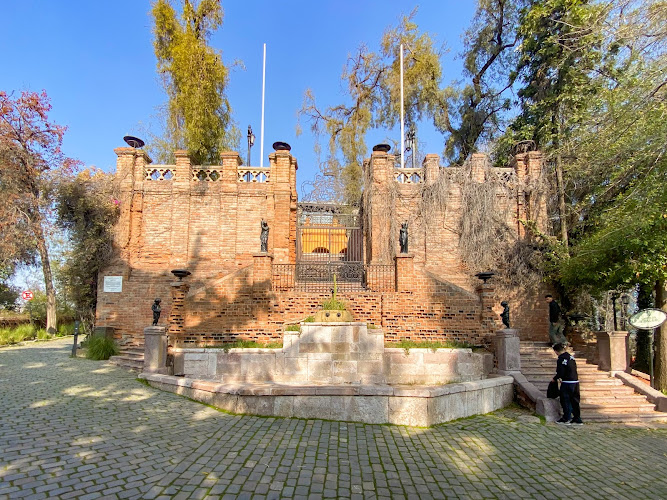
Perched atop Santa Lucía Hill in Santiago, Castillo Hidalgo stands as a remarkable testament to Chile's colonial military history. Built back in 1816, this fortress was originally constructed to protect the city from potential threats during a turbulent period in South American history. And honestly, when you first lay eyes on it, you can't help but imagine soldiers keeping watch over the valley below, scanning the horizon for any signs of danger. The castle has transformed quite a bit since its military days. Today it operates primarily as an event center and cultural venue, though it maintains much of its historical charm and architectural integrity. Walking through this place feels like stepping into a different era - the thick stone walls and strategic positioning tell stories of defense and vigilance that defined an entire period of Santiago's development. What makes Castillo Hidalgo particularly special is its dual nature. It's not just sitting there as a static museum piece gathering dust. Instead, it's a living, breathing venue that hosts everything from wedding receptions to corporate events, art exhibitions to cultural gatherings. This means the castle continues to play an active role in Santiago's social and cultural life, which I think is way better than letting these old structures just fade into irrelevance. The views from up here are absolutely breathtaking, by the way. Santiago sprawls out beneath you in every direction, with the Andes Mountains creating this dramatic backdrop that changes with the light throughout the day. I've talked to travelers who told me they came just for the castle and ended up spending hours on Santa Lucía Hill simply because the panoramas were too good to leave behind.

Key Features

The distinctive characteristics of Castillo Hidalgo make it worth adding to any Santiago itinerary:
  • Historical Military Architecture: The fortress design reflects early 19th-century defensive construction techniques, with thick stone walls and strategic vantage points that showcase colonial-era military planning
  • Panoramic City Views: The elevated position provides 360-degree views of Santiago, including the modern skyline, historic neighborhoods, and the majestic Andes mountain range in the distance
  • Santa Lucía Hill Integration: The castle forms part of a larger hilltop park experience, with terraced gardens, fountains, and winding pathways that make the journey to reach it half the fun
  • Event Venue Functionality: The space regularly hosts cultural events, exhibitions, and private functions, meaning visitors might encounter everything from art displays to musical performances
  • Photography Opportunities: Both the castle's architecture and the surrounding vistas create exceptional photo opportunities at different times of day, particularly during golden hour
  • Historical Context: Information displays and architectural elements provide insight into Chile's independence period and Santiago's defensive strategies during the 1800s
  • Accessible Amenities: Restroom facilities are available on-site, making it practical for extended visits
  • Family-Friendly Environment: The castle and surrounding hill area work well for visitors with children, offering educational value combined with outdoor exploration

Best Time to Visit

Timing your visit to Castillo Hidalgo can really make or break the experience. The castle itself is open year-round, but there's definitely sweet spots in the calendar that'll give you the best experience. Spring months from September through November are absolutely prime time. The weather in Santiago during these months is just chef's kiss - warm but not scorching, clear skies most days, and the gardens on Santa Lucía Hill are blooming like crazy. Plus, you're avoiding the intense summer heat that can make climbing the hill feel like a workout you didn't sign up for. Early autumn (March through May) runs a close second. The temperatures cool down to comfortable levels, and you'll find fewer crowds than peak summer months. The light during autumn is particularly gorgeous for photography, with that soft golden quality that makes everything look like it belongs on a postcard. As for time of day, I'd suggest arriving either mid-morning around 10am or late afternoon around 4pm. Morning visits give you clearer air before city pollution builds up throughout the day, which means better mountain views. But those late afternoon visits? That's when the magic really happens. The setting sun hits the Andes in ways that'll make you understand why people write poetry about mountains. Weekdays are generally quieter than weekends, especially if you're trying to avoid crowds. Saturdays and Sundays can get pretty packed with local families and tour groups. But if weekends are your only option, don't stress about it - just arrive earlier in the day. One thing to keep in mind is that since the castle functions as an event venue, certain areas might be closed off if there's a private function happening. This doesn't happen constantly, but it's worth checking ahead if you're traveling during peak wedding season (which in Chile runs from November through March). Winter months from June through August are totally doable, but you'll need to dress warmly and be prepared for occasional rain. The hill can get slippery when wet, which makes the climb up a bit more challenging. However, winter also means fewer tourists and a certain moody atmosphere that some visitors actually prefer.

How to Get There

Getting to Castillo Hidalgo isn't complicated, though it does require some physical effort since you're essentially climbing a hill in the middle of Santiago. The castle sits atop Santa Lucía Hill, which is located right in the heart of downtown Santiago, making it surprisingly accessible despite being on elevated terrain. The metro is honestly your best bet for getting to the general area. Take Line 1 (the red line) and get off at Santa Lucía station. When you exit, you'll find yourself right at the base of the hill. From there, it's all about the climb. And yeah, I said climb - there are stairs. Lots of stairs. But they're well-maintained and there's places to stop and catch your breath along the way. If you're coming by bus, several routes pass near Santa Lucía Hill. Routes 102, 103, and various others stop along Alameda Avenue, which runs right past the hill. Just tell the driver you're going to "Cerro Santa Lucía" and they'll know exactly where you're headed. Taxis and ride-sharing apps like Uber work perfectly fine too. Just plug in "Castillo Hidalgo" or "Cerro Santa Lucía" and your driver will drop you at one of the main entrances at the base of the hill. From there, you're back to using your own two feet to reach the castle itself. Now here's something important - the castle isn't wheelchair accessible, and neither is most of Santa Lucía Hill. Those stairs I mentioned? They're pretty much the only way up. There's no elevator, no ramps, no alternative routes that avoid steps. This is one of those historical sites where modern accessibility features just weren't feasible to add without completely changing the structure. So if mobility is a concern, you'll want to factor this into your planning. Parking around Santa Lucía Hill is limited and honestly kind of a pain. Street parking exists but it's metered and often full, especially during weekdays when people are working in the area. If you're driving, I'd recommend parking at a paid lot a few blocks away and walking to the hill. Trust me, the stress you'll save is worth the short walk. The walk up to the castle takes most people between 15 to 25 minutes depending on fitness level and how often you stop to look at the views. There's multiple paths and staircases with different levels of difficulty. Some routes are more direct but steeper, while others meander through the gardens but take longer. Choose based on your comfort level - there's no prize for speed here.

Tips for Visiting

After talking to dozens of travelers who've made the trek to Castillo Hidalgo, I've compiled some practical advice that'll help your visit go smoothly. First things first - wear comfortable shoes with good grip. I can't stress this enough. Those historic stone steps can be uneven and a bit slick, especially in the morning dew or if it's recently rained. Leave the flip-flops and fancy dress shoes at the hotel. Your feet will thank you. Bring water, especially if you're visiting during warmer months. The climb works up a thirst, and while there are vendors near the base of the hill, you won't find much on the way up. Staying hydrated makes the experience way more enjoyable than arriving at the castle feeling like you just crossed a desert. Sun protection is crucial during spring and summer months. The hilltop offers limited shade, and you're at elevation with less atmospheric protection from UV rays. Sunscreen, sunglasses, and a hat aren't optional accessories - they're essentials. I've seen too many tourists turn lobster-red because they underestimated the Santiago sun. Camera or phone should be fully charged and have plenty of storage space. You'll want to capture those views, and you'll probably take way more photos than you planned. The lighting changes dramatically as you ascend, giving you completely different shots from various terraces and viewpoints. Check whether events are scheduled before you visit. Since the castle operates as an event venue, certain areas might be off-limits during private functions. A quick call or online check can save you disappointment. Though honestly, even if part of the castle is closed, the exterior and surrounding views still make the visit worthwhile. Visit the entire Santa Lucía Hill complex, not just the castle itself. The hill has multiple terraces, fountains, statues, and architectural features that are worth exploring. The castle is the crown jewel, sure, but the whole hill offers a rich experience. Budget at least an hour or two for a proper visit rather than rushing straight to the castle and back down. Timing your visit around sunset can be magical, but remember that the hill closes at certain hours depending on the season. Generally it closes around dusk, so if you're planning a sunset visit, give yourself enough time to get back down before they lock the gates. Getting trapped on a hilltop isn't quite the adventure most people are looking for. Bring some cash for vendors at the base of the hill who sell snacks, drinks, and souvenirs. Not everything accepts cards, and having small bills makes transactions smoother. The restrooms at the castle are available but basic, so manage expectations accordingly. They're clean enough and functional, but this isn't a modern facility with all the bells and whistles. If you're traveling with kids, frame the climb as an adventure or treasure hunt. The stairs can seem daunting to little legs, but breaking it into stages with goals at each terrace makes it more manageable and fun. The castle itself tends to capture children's imagination with its fortress-like qualities. Consider combining your visit with other nearby attractions in downtown Santiago. La Moneda Palace, Plaza de Armas, and the Bellas Artes neighborhood are all within walking distance or a short metro ride. This makes efficient use of your time and energy. Language-wise, having basic Spanish phrases helps but isn't absolutely necessary. Many staff and vendors encounter international visitors regularly and can manage basic English. But making the effort to say "buenos días" and "gracias" goes a long way in Chile. Weather in Santiago can change throughout the day, so layering your clothing is smart. Mornings might start cool, warm up significantly by midday, then get breezy again as afternoon turns to evening. A light jacket you can tie around your waist works perfectly. Finally, take your time and actually absorb where you are. Too many visitors rush through checking boxes on their itinerary without really experiencing places. Castillo Hidalgo and Santa Lucía Hill deserve some slowness. Sit on a bench, watch the city move below you, feel the history in those old stones. That's the kind of travel memory that sticks with you long after you've forgotten which restaurant you ate at or what souvenir you bought.

Key Features

  • Historic 19th‑century fortress architecture and stone ramparts
  • Panoramic views over downtown Santiago and the Andes
  • Cannons and military interpretive panels explaining colonial defenses
  • Well‑kept terraces and landscaped paths on Santa Lucía Hill
  • Close proximity to central cultural sites and easy pedestrian access

More Details

Updated March 30, 2026

Description

Perched atop Santa Lucía Hill in Santiago, Castillo Hidalgo stands as a remarkable testament to Chile’s colonial military history. Built back in 1816, this fortress was originally constructed to protect the city from potential threats during a turbulent period in South American history. And honestly, when you first lay eyes on it, you can’t help but imagine soldiers keeping watch over the valley below, scanning the horizon for any signs of danger.

The castle has transformed quite a bit since its military days. Today it operates primarily as an event center and cultural venue, though it maintains much of its historical charm and architectural integrity. Walking through this place feels like stepping into a different era – the thick stone walls and strategic positioning tell stories of defense and vigilance that defined an entire period of Santiago’s development.

What makes Castillo Hidalgo particularly special is its dual nature. It’s not just sitting there as a static museum piece gathering dust. Instead, it’s a living, breathing venue that hosts everything from wedding receptions to corporate events, art exhibitions to cultural gatherings. This means the castle continues to play an active role in Santiago’s social and cultural life, which I think is way better than letting these old structures just fade into irrelevance.

The views from up here are absolutely breathtaking, by the way. Santiago sprawls out beneath you in every direction, with the Andes Mountains creating this dramatic backdrop that changes with the light throughout the day. I’ve talked to travelers who told me they came just for the castle and ended up spending hours on Santa Lucía Hill simply because the panoramas were too good to leave behind.

Key Features

The distinctive characteristics of Castillo Hidalgo make it worth adding to any Santiago itinerary:

  • Historical Military Architecture: The fortress design reflects early 19th-century defensive construction techniques, with thick stone walls and strategic vantage points that showcase colonial-era military planning
  • Panoramic City Views: The elevated position provides 360-degree views of Santiago, including the modern skyline, historic neighborhoods, and the majestic Andes mountain range in the distance
  • Santa Lucía Hill Integration: The castle forms part of a larger hilltop park experience, with terraced gardens, fountains, and winding pathways that make the journey to reach it half the fun
  • Event Venue Functionality: The space regularly hosts cultural events, exhibitions, and private functions, meaning visitors might encounter everything from art displays to musical performances
  • Photography Opportunities: Both the castle’s architecture and the surrounding vistas create exceptional photo opportunities at different times of day, particularly during golden hour
  • Historical Context: Information displays and architectural elements provide insight into Chile’s independence period and Santiago’s defensive strategies during the 1800s
  • Accessible Amenities: Restroom facilities are available on-site, making it practical for extended visits
  • Family-Friendly Environment: The castle and surrounding hill area work well for visitors with children, offering educational value combined with outdoor exploration

Best Time to Visit

Timing your visit to Castillo Hidalgo can really make or break the experience. The castle itself is open year-round, but there’s definitely sweet spots in the calendar that’ll give you the best experience.

Spring months from September through November are absolutely prime time. The weather in Santiago during these months is just chef’s kiss – warm but not scorching, clear skies most days, and the gardens on Santa Lucía Hill are blooming like crazy. Plus, you’re avoiding the intense summer heat that can make climbing the hill feel like a workout you didn’t sign up for.

Early autumn (March through May) runs a close second. The temperatures cool down to comfortable levels, and you’ll find fewer crowds than peak summer months. The light during autumn is particularly gorgeous for photography, with that soft golden quality that makes everything look like it belongs on a postcard.

As for time of day, I’d suggest arriving either mid-morning around 10am or late afternoon around 4pm. Morning visits give you clearer air before city pollution builds up throughout the day, which means better mountain views. But those late afternoon visits? That’s when the magic really happens. The setting sun hits the Andes in ways that’ll make you understand why people write poetry about mountains.

Weekdays are generally quieter than weekends, especially if you’re trying to avoid crowds. Saturdays and Sundays can get pretty packed with local families and tour groups. But if weekends are your only option, don’t stress about it – just arrive earlier in the day.

One thing to keep in mind is that since the castle functions as an event venue, certain areas might be closed off if there’s a private function happening. This doesn’t happen constantly, but it’s worth checking ahead if you’re traveling during peak wedding season (which in Chile runs from November through March).

Winter months from June through August are totally doable, but you’ll need to dress warmly and be prepared for occasional rain. The hill can get slippery when wet, which makes the climb up a bit more challenging. However, winter also means fewer tourists and a certain moody atmosphere that some visitors actually prefer.

How to Get There

Getting to Castillo Hidalgo isn’t complicated, though it does require some physical effort since you’re essentially climbing a hill in the middle of Santiago. The castle sits atop Santa Lucía Hill, which is located right in the heart of downtown Santiago, making it surprisingly accessible despite being on elevated terrain.

The metro is honestly your best bet for getting to the general area. Take Line 1 (the red line) and get off at Santa Lucía station. When you exit, you’ll find yourself right at the base of the hill. From there, it’s all about the climb. And yeah, I said climb – there are stairs. Lots of stairs. But they’re well-maintained and there’s places to stop and catch your breath along the way.

If you’re coming by bus, several routes pass near Santa Lucía Hill. Routes 102, 103, and various others stop along Alameda Avenue, which runs right past the hill. Just tell the driver you’re going to “Cerro Santa Lucía” and they’ll know exactly where you’re headed.

Taxis and ride-sharing apps like Uber work perfectly fine too. Just plug in “Castillo Hidalgo” or “Cerro Santa Lucía” and your driver will drop you at one of the main entrances at the base of the hill. From there, you’re back to using your own two feet to reach the castle itself.

Now here’s something important – the castle isn’t wheelchair accessible, and neither is most of Santa Lucía Hill. Those stairs I mentioned? They’re pretty much the only way up. There’s no elevator, no ramps, no alternative routes that avoid steps. This is one of those historical sites where modern accessibility features just weren’t feasible to add without completely changing the structure. So if mobility is a concern, you’ll want to factor this into your planning.

Parking around Santa Lucía Hill is limited and honestly kind of a pain. Street parking exists but it’s metered and often full, especially during weekdays when people are working in the area. If you’re driving, I’d recommend parking at a paid lot a few blocks away and walking to the hill. Trust me, the stress you’ll save is worth the short walk.

The walk up to the castle takes most people between 15 to 25 minutes depending on fitness level and how often you stop to look at the views. There’s multiple paths and staircases with different levels of difficulty. Some routes are more direct but steeper, while others meander through the gardens but take longer. Choose based on your comfort level – there’s no prize for speed here.

Tips for Visiting

After talking to dozens of travelers who’ve made the trek to Castillo Hidalgo, I’ve compiled some practical advice that’ll help your visit go smoothly.

First things first – wear comfortable shoes with good grip. I can’t stress this enough. Those historic stone steps can be uneven and a bit slick, especially in the morning dew or if it’s recently rained. Leave the flip-flops and fancy dress shoes at the hotel. Your feet will thank you.

Bring water, especially if you’re visiting during warmer months. The climb works up a thirst, and while there are vendors near the base of the hill, you won’t find much on the way up. Staying hydrated makes the experience way more enjoyable than arriving at the castle feeling like you just crossed a desert.

Sun protection is crucial during spring and summer months. The hilltop offers limited shade, and you’re at elevation with less atmospheric protection from UV rays. Sunscreen, sunglasses, and a hat aren’t optional accessories – they’re essentials. I’ve seen too many tourists turn lobster-red because they underestimated the Santiago sun.

Camera or phone should be fully charged and have plenty of storage space. You’ll want to capture those views, and you’ll probably take way more photos than you planned. The lighting changes dramatically as you ascend, giving you completely different shots from various terraces and viewpoints.

Check whether events are scheduled before you visit. Since the castle operates as an event venue, certain areas might be off-limits during private functions. A quick call or online check can save you disappointment. Though honestly, even if part of the castle is closed, the exterior and surrounding views still make the visit worthwhile.

Visit the entire Santa Lucía Hill complex, not just the castle itself. The hill has multiple terraces, fountains, statues, and architectural features that are worth exploring. The castle is the crown jewel, sure, but the whole hill offers a rich experience. Budget at least an hour or two for a proper visit rather than rushing straight to the castle and back down.

Timing your visit around sunset can be magical, but remember that the hill closes at certain hours depending on the season. Generally it closes around dusk, so if you’re planning a sunset visit, give yourself enough time to get back down before they lock the gates. Getting trapped on a hilltop isn’t quite the adventure most people are looking for.

Bring some cash for vendors at the base of the hill who sell snacks, drinks, and souvenirs. Not everything accepts cards, and having small bills makes transactions smoother.

The restrooms at the castle are available but basic, so manage expectations accordingly. They’re clean enough and functional, but this isn’t a modern facility with all the bells and whistles.

If you’re traveling with kids, frame the climb as an adventure or treasure hunt. The stairs can seem daunting to little legs, but breaking it into stages with goals at each terrace makes it more manageable and fun. The castle itself tends to capture children’s imagination with its fortress-like qualities.

Consider combining your visit with other nearby attractions in downtown Santiago. La Moneda Palace, Plaza de Armas, and the Bellas Artes neighborhood are all within walking distance or a short metro ride. This makes efficient use of your time and energy.

Language-wise, having basic Spanish phrases helps but isn’t absolutely necessary. Many staff and vendors encounter international visitors regularly and can manage basic English. But making the effort to say “buenos días” and “gracias” goes a long way in Chile.

Weather in Santiago can change throughout the day, so layering your clothing is smart. Mornings might start cool, warm up significantly by midday, then get breezy again as afternoon turns to evening. A light jacket you can tie around your waist works perfectly.

Finally, take your time and actually absorb where you are. Too many visitors rush through checking boxes on their itinerary without really experiencing places. Castillo Hidalgo and Santa Lucía Hill deserve some slowness. Sit on a bench, watch the city move below you, feel the history in those old stones. That’s the kind of travel memory that sticks with you long after you’ve forgotten which restaurant you ate at or what souvenir you bought.

Key Highlights

  • Historic 19th‑century fortress architecture and stone ramparts
  • Panoramic views over downtown Santiago and the Andes
  • Cannons and military interpretive panels explaining colonial defenses
  • Well‑kept terraces and landscaped paths on Santa Lucía Hill
  • Close proximity to central cultural sites and easy pedestrian access

Location

Places to Stay Near Castillo Hidalgo

Find and Book a Tour

Explore More Travel Guides

No reviews found! Be the first to review!

Castillo Hidalgo is a prominent museums located in Santiago.

Visit us at: Santiago, Santiago Metropolitan Region, Chile.

Traveler Reviews for Castillo Hidalgo

There are no reviews yet. Be the first one to write one.

Share Your Experience

Have you visited Castillo Hidalgo? Help other travelers by sharing your review.

Nearby Attractions

Plaza de Armas (Santiago’s main square) Catedral Metropolitana de Santiago Museo Histórico Nacional

Find Accommodations Nearby

Recommended Tours & Activities

Visitor Reviews

There are no reviews yet. Be the first one to write one.

Share Your Experience

Have you visited Castillo Hidalgo? Help other travelers by leaving a review.