
Parc du Château des Ravalet
About Parc du Château des Ravalet
Description
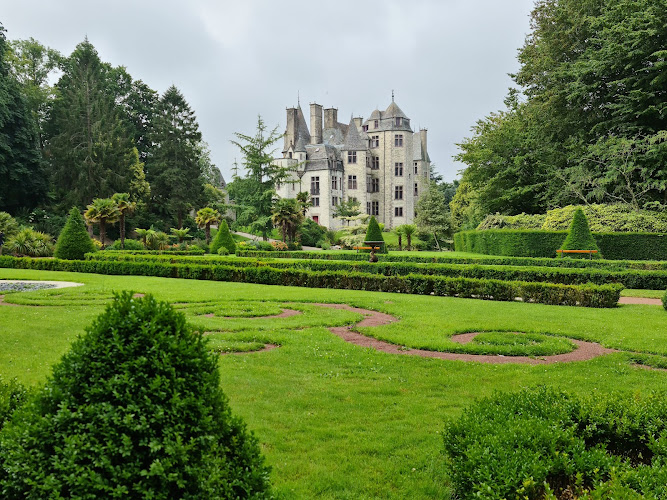
If you ever find yourself traveling through the countryside of Normandy, there’s a spot that, in my humble opinion, rivals some of the best-kept gardens in Europe: the Parc du Château des Ravalet. The park holds this low-key kind of magic—serene yet colorful, historic with a very comforting air. It didn’t just pop up outta nowhere; the park was totally reimagined back in the late 19th century by Vicomte René de Tocqueville. He somehow blended the show-off grandeur of French gardens with that informal, wild-hearted, almost rebellious style of English gardens. The result? It’s a bit like the setting of a lush period drama, but entirely real and welcoming to all.
Winding paths (some just itching for a bit of exploration), broad meadows, and water features that reflect the sky—I could definitely see myself lying down with a book here for a good while. And the trees! If you half expect to see a botanist jotting down notes, you wouldn’t be wrong; the park’s home to both native and more exotic varieties. I’ll admit, the first time I saw that rare 19th-century glasshouse tucked among the gardens, I felt like I’d stumbled across treasure. Speaking of history: it’s not every day a park earns “Monument historique” status in France, or gets the coveted “Jardin remarquable” label. That’s saying something about its charm and, honestly, how much the locals care for it.
This place isn’t just for garden nerds or historians, though. Families come to picnic under the old trees. Kids tumble over grassy lawns and race each other to the playground (there’s slides and swings—I may have tested one once!). The vibe is relaxed, occasionally animated but never overwhelming. Sometimes you’ll spot hikers stretching their legs before chasing the next viewpoint or simply watching the ducks. Even on busier spring weekends, it never loses that air of generous calm.
Key Features
- Unique mix of English and French garden landscapes, artfully designed for wanderers and daydreamers alike
- Sprawling 18 hectares of lawns, ponds, beds of rare flowers, and both native and exotic trees—so much green you might just forget your city life
- Playground with slides and swings to keep the younger kids fully entertained (and let’s face it, some adults)
- Public restrooms and picnic tables—perfect for planning a lazy lunch after a stroll
- Historic 19th-century glasshouse, a rare survivor in Normandy, that’ll make plant enthusiasts nerd-out on the spot
- Well-marked kid-friendly hiking trails; nothing too intense, just right for a meander or letting little ones blow off steam
- Wheelchair-accessible entrance and parking—so everyone really can experience the grounds without hassle
- Designated as both “Monument historique” and “Jardin remarquable”—not many parks tick both those boxes!
- Wide open spaces for games, running, or, if you’re anything like me, some solid people-watching
Best Time to Visit
You’re probably wondering—when should you drop by? In my very biased view, this place shines brightest from late April through early October. Spring kicks off with carpets of wildflowers, seriously heady scents, and those fountains bubbling along behind azaleas and rhododendrons. It’s honestly the stuff of watercolor paintings. By summer, tulips and roses have their own show. The grass is at its softest, perfect for sprawling. Plus, longer daylight hours mean you can savor everything without rushing.
If you swing by in fall, catch the leaves turning all sorts of gold, russet, and amber—all of them swirling around those ponds, and adding this extra layer of beauty you just don’t get any other time. Even the cooler months have charm; on quieter days, the mist lingering over the lawns feels very much like you’ve got the place to yourself. But, if you want the full experience—plants in bloom, families enjoying their day, and the glasshouse in all its glory—late spring is almost unbeatable.
Best avoid heavy rain if you’re not a fan of mud (learned that one the hard way—bring boots if you’re unsure!). And weekends during local school holidays can get lively, with locals making the most of their own little corner of paradise, but even so, there’s always a quiet corner to find.
How to Get There
Now, let’s talk logistics. The Parc du Château des Ravalet sits just a short hop from the heart of Cherbourg-en-Cotentin. If you’re traveling by car, the route is pretty straightforward with clear signage. Honestly, the drive is kind of pleasant—sometimes there’s this rolling mist on the fields in early morning, which sets the mood perfectly.
For those without wheels, local bus lines serve the area—handy if you’re coming in from Cherbourg town center or the port. You could even bike, if you fancy stretching your legs a bit before lounging in the gardens; the roads are friendly to cyclists, with enough room for comfort but not so much traffic to make it stressful. And yes, there’s a wheelchair-accessible parking lot for anyone who needs that extra bit of convenience. The park entrance itself is step-free and smooth, so getting in is a breeze.
If you’re like me and occasionally forget your map, don’t stress—the locals are genuinely helpful. I once got turned around, and a friendly soul not only pointed me in the right direction but recommended the best vantage point for photos (pro tip: near the duck pond at golden hour). For train travelers, Cherbourg’s main station isn’t far, and you can easily catch a taxi for the final leg.
Tips for Visiting
Here’s the fun part—insider tips. First, bring a picnic. The park does have tables, but honestly, there’s something special about spreading a blanket by the water with fresh local cheese and a bit of crusty bread (and if you sneak in a pastry or three, who’s judging?).
Wear good shoes. Sounds basic, but those winding paths invite a lot of strolling, and trust me, flip-flops don’t hold up for more than a couple laps around the pond. If you’re into botany, bring your plant guidebook—there are rare specimens lurking amid the old oaks, so you might just spot something you’ve never seen before.
For parents: the playground is a winner, shaded for the most part, and you’ll have a nice line of sight from most picnic spots. I’ve seen parents relaxing with coffee while their kids try to conquer the slides—win-win.
Check the schedule before visiting, especially if you hope to catch special events like guided garden tours or historical reenactments. They add a flavorful dose of local tradition, sometimes including costumed actors that really bring the château’s story to life (I stumbled into a group sword-fighting once—very entertaining, even if a little unexpected!).
Early mornings or late afternoons are best for photographers—the light skips across the ponds in just that right way, casting long shadows and catching the glasshouse at its best angles. For those with limited mobility, don’t hesitate to ask staff for the easiest routes; they’re genuinely attentive and the park is among the more accessible heritage sites in the region.
Last thought? Don’t rush it. The park rewards those who linger—whether it’s watching kids roll down a gentle hill, knowing you’re walking ground cared for over centuries, or simply breathing deep and letting Normandy work its quiet magic on you. Bring your sense of wonder, and maybe a good story to read under the old trees. I have a feeling you’ll want to stay just a little bit longer than planned.
Key Features
- Unique mix of English and French garden landscapes, artfully designed for wanderers and daydreamers alike
- Sprawling 18 hectares of lawns, ponds, beds of rare flowers, and both native and exotic trees—so much green you might just forget your city life
- Playground with slides and swings to keep the younger kids fully entertained (and let’s face it, some adults)
- Public restrooms and picnic tables—perfect for planning a lazy lunch after a stroll
- Historic 19th-century glasshouse, a rare survivor in Normandy, that’ll make plant enthusiasts nerd-out on the spot
- Well-marked kid-friendly hiking trails; nothing too intense, just right for a meander or letting little ones blow off steam
- Wheelchair-accessible entrance and parking—so everyone really can experience the grounds without hassle
- Designated as both “Monument historique” and “Jardin remarquable”—not many parks tick both those boxes!
More Details
Updated June 8, 2025
Table of Contents
Description
If you ever find yourself traveling through the countryside of Normandy, there’s a spot that, in my humble opinion, rivals some of the best-kept gardens in Europe: the Parc du Château des Ravalet. The park holds this low-key kind of magic—serene yet colorful, historic with a very comforting air. It didn’t just pop up outta nowhere; the park was totally reimagined back in the late 19th century by Vicomte René de Tocqueville. He somehow blended the show-off grandeur of French gardens with that informal, wild-hearted, almost rebellious style of English gardens. The result? It’s a bit like the setting of a lush period drama, but entirely real and welcoming to all.
Winding paths (some just itching for a bit of exploration), broad meadows, and water features that reflect the sky—I could definitely see myself lying down with a book here for a good while. And the trees! If you half expect to see a botanist jotting down notes, you wouldn’t be wrong; the park’s home to both native and more exotic varieties. I’ll admit, the first time I saw that rare 19th-century glasshouse tucked among the gardens, I felt like I’d stumbled across treasure. Speaking of history: it’s not every day a park earns “Monument historique” status in France, or gets the coveted “Jardin remarquable” label. That’s saying something about its charm and, honestly, how much the locals care for it.
This place isn’t just for garden nerds or historians, though. Families come to picnic under the old trees. Kids tumble over grassy lawns and race each other to the playground (there’s slides and swings—I may have tested one once!). The vibe is relaxed, occasionally animated but never overwhelming. Sometimes you’ll spot hikers stretching their legs before chasing the next viewpoint or simply watching the ducks. Even on busier spring weekends, it never loses that air of generous calm.
Key Features
- Unique mix of English and French garden landscapes, artfully designed for wanderers and daydreamers alike
- Sprawling 18 hectares of lawns, ponds, beds of rare flowers, and both native and exotic trees—so much green you might just forget your city life
- Playground with slides and swings to keep the younger kids fully entertained (and let’s face it, some adults)
- Public restrooms and picnic tables—perfect for planning a lazy lunch after a stroll
- Historic 19th-century glasshouse, a rare survivor in Normandy, that’ll make plant enthusiasts nerd-out on the spot
- Well-marked kid-friendly hiking trails; nothing too intense, just right for a meander or letting little ones blow off steam
- Wheelchair-accessible entrance and parking—so everyone really can experience the grounds without hassle
- Designated as both “Monument historique” and “Jardin remarquable”—not many parks tick both those boxes!
- Wide open spaces for games, running, or, if you’re anything like me, some solid people-watching
Best Time to Visit
You’re probably wondering—when should you drop by? In my very biased view, this place shines brightest from late April through early October. Spring kicks off with carpets of wildflowers, seriously heady scents, and those fountains bubbling along behind azaleas and rhododendrons. It’s honestly the stuff of watercolor paintings. By summer, tulips and roses have their own show. The grass is at its softest, perfect for sprawling. Plus, longer daylight hours mean you can savor everything without rushing.
If you swing by in fall, catch the leaves turning all sorts of gold, russet, and amber—all of them swirling around those ponds, and adding this extra layer of beauty you just don’t get any other time. Even the cooler months have charm; on quieter days, the mist lingering over the lawns feels very much like you’ve got the place to yourself. But, if you want the full experience—plants in bloom, families enjoying their day, and the glasshouse in all its glory—late spring is almost unbeatable.
Best avoid heavy rain if you’re not a fan of mud (learned that one the hard way—bring boots if you’re unsure!). And weekends during local school holidays can get lively, with locals making the most of their own little corner of paradise, but even so, there’s always a quiet corner to find.
How to Get There
Now, let’s talk logistics. The Parc du Château des Ravalet sits just a short hop from the heart of Cherbourg-en-Cotentin. If you’re traveling by car, the route is pretty straightforward with clear signage. Honestly, the drive is kind of pleasant—sometimes there’s this rolling mist on the fields in early morning, which sets the mood perfectly.
For those without wheels, local bus lines serve the area—handy if you’re coming in from Cherbourg town center or the port. You could even bike, if you fancy stretching your legs a bit before lounging in the gardens; the roads are friendly to cyclists, with enough room for comfort but not so much traffic to make it stressful. And yes, there’s a wheelchair-accessible parking lot for anyone who needs that extra bit of convenience. The park entrance itself is step-free and smooth, so getting in is a breeze.
If you’re like me and occasionally forget your map, don’t stress—the locals are genuinely helpful. I once got turned around, and a friendly soul not only pointed me in the right direction but recommended the best vantage point for photos (pro tip: near the duck pond at golden hour). For train travelers, Cherbourg’s main station isn’t far, and you can easily catch a taxi for the final leg.
Tips for Visiting
Here’s the fun part—insider tips. First, bring a picnic. The park does have tables, but honestly, there’s something special about spreading a blanket by the water with fresh local cheese and a bit of crusty bread (and if you sneak in a pastry or three, who’s judging?).
Wear good shoes. Sounds basic, but those winding paths invite a lot of strolling, and trust me, flip-flops don’t hold up for more than a couple laps around the pond. If you’re into botany, bring your plant guidebook—there are rare specimens lurking amid the old oaks, so you might just spot something you’ve never seen before.
For parents: the playground is a winner, shaded for the most part, and you’ll have a nice line of sight from most picnic spots. I’ve seen parents relaxing with coffee while their kids try to conquer the slides—win-win.
Check the schedule before visiting, especially if you hope to catch special events like guided garden tours or historical reenactments. They add a flavorful dose of local tradition, sometimes including costumed actors that really bring the château’s story to life (I stumbled into a group sword-fighting once—very entertaining, even if a little unexpected!).
Early mornings or late afternoons are best for photographers—the light skips across the ponds in just that right way, casting long shadows and catching the glasshouse at its best angles. For those with limited mobility, don’t hesitate to ask staff for the easiest routes; they’re genuinely attentive and the park is among the more accessible heritage sites in the region.
Last thought? Don’t rush it. The park rewards those who linger—whether it’s watching kids roll down a gentle hill, knowing you’re walking ground cared for over centuries, or simply breathing deep and letting Normandy work its quiet magic on you. Bring your sense of wonder, and maybe a good story to read under the old trees. I have a feeling you’ll want to stay just a little bit longer than planned.
Key Highlights
- Unique mix of English and French garden landscapes, artfully designed for wanderers and daydreamers alike
- Sprawling 18 hectares of lawns, ponds, beds of rare flowers, and both native and exotic trees—so much green you might just forget your city life
- Playground with slides and swings to keep the younger kids fully entertained (and let’s face it, some adults)
- Public restrooms and picnic tables—perfect for planning a lazy lunch after a stroll
- Historic 19th-century glasshouse, a rare survivor in Normandy, that’ll make plant enthusiasts nerd-out on the spot
- Well-marked kid-friendly hiking trails; nothing too intense, just right for a meander or letting little ones blow off steam
- Wheelchair-accessible entrance and parking—so everyone really can experience the grounds without hassle
- Designated as both “Monument historique” and “Jardin remarquable”—not many parks tick both those boxes!
Location
Places to Stay Near Parc du Château des Ravalet
Find and Book a Tour
Explore More Travel Guides
No reviews found! Be the first to review!
Traveler Reviews for Parc du Château des Ravalet
There are no reviews yet. Be the first one to write one.
Have you visited Parc du Château des Ravalet? Help other travelers by sharing your review.
You Might Also Like

Stena Line | Cherbourg
Liberation Museum
Basilique Sainte-Trinité de Cherbourg-en-Cotentin
Find Accommodations Nearby
Recommended Tours & Activities
Visitor Reviews
There are no reviews yet. Be the first one to write one.
Share Your Experience
Have you visited Parc du Château des Ravalet? Help other travelers by leaving a review.