
Liberation Museum
About Liberation Museum
Description
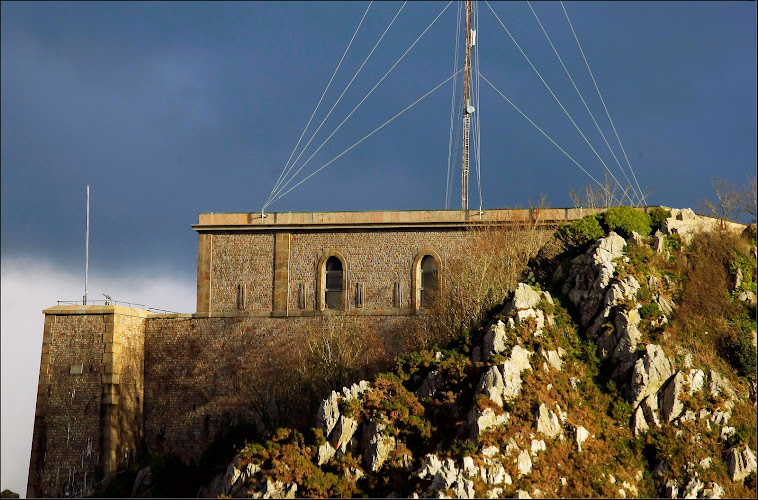
If you’re the kind of traveler who gets goosebumps just standing in a place layered with history, you’ll get a kick out of the Liberation Museum in Cherbourg. Seriously—I’d count it among Normandy’s more evocative hidden gems, and not just because it’s perched inside a fortress that’s almost as old as your granddad’s favorite walking stick. You get a real sense of “whoa, this happened here” when you first pass through its imposing gate, which is exactly the vibe a history buff wants. No stuffy glass cases with dusty artifacts buried in text; instead, they’ve curated stories, photos, uniforms, and objects that chart the gritty, real-life drama of World War II—especially the jaw-dropping days around D-Day, right in Cherbourg.
I'm always a little skeptical before visiting war museums; some can be heavy-handed, others skim the surface. Here, though, it somehow strikes the right balance—informative, but not overwhelming, and personal without drifting into nostalgia-overload. There’s a focus on the civilian and resistance experience (that’s something you won’t find everywhere), plus enough on military operations to pull in the armchair generals among us. The fact you’re inside these 1800s stone walls gives it a weirdly immersive feel—I remember my hair standing on end at one point, picturing soldiers and locals sheltering in the very corridors I was wandering. Not every museum can say that, right?
It’s clear that care has gone into making this museum educational, respectful, and actually enjoyable for different ages. There’s enough hands-on material and captivating displays that even kids (or distracted adults) won’t start clock-watching ten minutes in. But let's be honest, it still helps if you arrive ready to pay attention: WWII is massive, and Cherbourg was at its heart during the liberation of France. There’s enough English translation you won’t get lost, though reading a bit about the period beforehand always helps paint a fuller picture. Spoiler alert: you’ll leave with a deeper respect for the local resistance, and maybe even a sense of gratitude for all the ordinary folks who faced extraordinary odds.
Key Features
- Authentic 19th-century fortress setting: The museum is housed in a stone-built fort overlooking Cherbourg, adding a sucker-punch of atmosphere that ordinary galleries just can’t match.
- Immersive WWII exhibits: Displays walk you through the key moments of Normandy’s liberation and D-Day, with special attention paid to the role Cherbourg played—and trust me, it was pivotal.
- Rare artifacts and personal stories: From uniforms to resistance memorabilia, you get to see real objects tied to actual people, giving the story a heartbeat rather than just a timeline.
- Focus on local civilian & resistance history: This isn’t just about big battles; you’ll discover the daily realities of locals—something that hits a little differently compared to broader war museums.
- Kid-friendly educational experience: Interactive elements and clear displays mean you can bring kids (and, heck, learn something new yourself), without risking a boredom-strike midway.
- Wheelchair accessible: The entrance, parking lot, and restrooms are all designed for wheelchair use, making the museum much more inclusive than typical historical sites—major thumbs up for that!
- Free parking lot: Always a relief, especially after driving those Normandy roads—no circling or ticket-hunting stress.
- Restrooms available inside: Maybe not exciting, but after a few cafés au lait in town, trust me, you’ll be glad to know they’re there.
Best Time to Visit
Okay, picture this: it’s a drizzly weekday morning and you’re winding your way up the fortress road, a light Normandy mist swirling around you. That’s honestly my kind of museum weather—moody skies set the tone, crowds are thin, and you can almost hear the echoes of history. But, no joke, if you're after the real WOW factor, late spring and early fall are unbeatable. From May to June and September to early October, the weather just gets it right: fewer tourists clogging the halls, and the countryside just pops with that lush green that makes Normandy famous. It’s like having a private showing of history.
If you visit in July or August, brace yourself for livelier crowds—school’s out, so expect more families and groups. That said, the museum was designed to handle a fair number of people, so you won’t lose that immersive “stepping back in time” feeling. Pro tip: Avoid weekends if you can, especially during French holidays. Nothing worse than getting elbowed as you’re trying to decipher a display about paratroopers.
Winter? The museum doesn’t have the coziness of a creperie, but it is open, and there’s something fitting about learning war history when the wind’s howling outside. Just wear layers—those fortress walls aren’t joking about the cold! My take: Go when you can give it a few hours, and leave yourself time to soak in that view back down over Cherbourg port, especially on a clear day. It’s goosebump territory.
How to Get There
Honestly, finding the Liberation Museum is kind of part of the adventure. Cherbourg isn’t Paris, so don’t expect high-speed trains to drop you at the front gate. If you’re coming by car, it’s a breeze—there’s a handy free parking lot at the site (hallelujah for free parking!). Plug “Mont des Résistants” into your GPS to avoid winding around town in circles—ask me how I know…
Coming on foot? That’s a bit of a hike: it’s not impossible—more of a short uphill stroll if you’re already in town—but anyone with mobility issues will appreciate the parking right at the entrance. Cycling up adds to the local adventure, but don’t say I didn’t warn you about the incline! For folks using public transportation, Cherbourg’s bus network can drop you a ways off, then it’s a moderate walk. Taxis and local rideshares exist, but honestly, in Normandy, having your own wheels is golden—lets you explore nearby D-Day beaches or coastal viewpoints when you’re done playing war historian.
Bit of storytelling here: I once made the mistake of arriving right before closing on a rainy weekday, and let’s just say I had to sprint the last stretch. So, double-check opening hours and give yourself time to wander. You won’t regret it.
Tips for Visiting
Some days, museums are a “zip through and snap selfies” deal. Not here—trust me. To get the best bang for your time, give yourself at least 1.5–2 hours. That’s what I’ve found is long enough to absorb the history, read personal stories, but not so long that your feet start plotting a revolt. Here’s some honest, tried-and-tested advice to make your visit smooth:
- Comfy shoes: You’ll be walking stone corridors and standing a bunch, so skip the flip-flops—your back will thank you.
- Layer up: The fortress can be chilly even in warmer months, and downright cold on damp days. I once wore a light jacket in July and was glad I did.
- Check opening hours: They sometimes change by season or for public holidays. Double check before you go—nothing worse than turning up to iron gates.
- Make use of free parking: It sounds trivial, but saves hassle. The lot is close to the entrance, so folks with strollers, wheelchairs, or loaded bags will be relieved.
- Don’t expect a café: No restaurant on site, so eat beforehand or pack a snack. There are a few places to picnic nearby, especially if the weather’s behaving.
- Photography allowed (but be considerate): Snap away, but try not to block displays. I snapped a few photos for future reference, but put my phone away when reading stories of the resistance—it just felt right.
- Bring the kids (or a history-shy partner): The museum is genuinely kid-friendly and pitched for all attention spans, so you won’t be bored, promise. Plus, a little WWII context never hurt anyone’s education.
- Accessibility is top-notch: Wheelchair users, you’re sorted: accessible entrance, restrooms, parking. It’s far more inclusive than you’d expect from an old fort.
- Plan for more than just the museum: If you’re driving, tag nearby WWII sites or the Cherbourg harbor onto your trip—it rounds out the story.
If you’ve got half a historian’s bone in your body—or just want to walk in the footsteps of real heroes—the Liberation Museum is hard to skip. And honestly, even someone just “along for the ride” will remember this place long after the last cannon display. Just be ready to have your perspective altered, even just a smidge. That’s the mark of
Key Features
- Key Features
- Best Time to Visit
- How to Get There
- Tips for Visiting
More Details
Updated June 8, 2025
Table of Contents
Description
If you’re the kind of traveler who gets goosebumps just standing in a place layered with history, you’ll get a kick out of the Liberation Museum in Cherbourg. Seriously—I’d count it among Normandy’s more evocative hidden gems, and not just because it’s perched inside a fortress that’s almost as old as your granddad’s favorite walking stick. You get a real sense of “whoa, this happened here” when you first pass through its imposing gate, which is exactly the vibe a history buff wants. No stuffy glass cases with dusty artifacts buried in text; instead, they’ve curated stories, photos, uniforms, and objects that chart the gritty, real-life drama of World War II—especially the jaw-dropping days around D-Day, right in Cherbourg.
I’m always a little skeptical before visiting war museums; some can be heavy-handed, others skim the surface. Here, though, it somehow strikes the right balance—informative, but not overwhelming, and personal without drifting into nostalgia-overload. There’s a focus on the civilian and resistance experience (that’s something you won’t find everywhere), plus enough on military operations to pull in the armchair generals among us. The fact you’re inside these 1800s stone walls gives it a weirdly immersive feel—I remember my hair standing on end at one point, picturing soldiers and locals sheltering in the very corridors I was wandering. Not every museum can say that, right?
It’s clear that care has gone into making this museum educational, respectful, and actually enjoyable for different ages. There’s enough hands-on material and captivating displays that even kids (or distracted adults) won’t start clock-watching ten minutes in. But let’s be honest, it still helps if you arrive ready to pay attention: WWII is massive, and Cherbourg was at its heart during the liberation of France. There’s enough English translation you won’t get lost, though reading a bit about the period beforehand always helps paint a fuller picture. Spoiler alert: you’ll leave with a deeper respect for the local resistance, and maybe even a sense of gratitude for all the ordinary folks who faced extraordinary odds.
Key Features
- Authentic 19th-century fortress setting: The museum is housed in a stone-built fort overlooking Cherbourg, adding a sucker-punch of atmosphere that ordinary galleries just can’t match.
- Immersive WWII exhibits: Displays walk you through the key moments of Normandy’s liberation and D-Day, with special attention paid to the role Cherbourg played—and trust me, it was pivotal.
- Rare artifacts and personal stories: From uniforms to resistance memorabilia, you get to see real objects tied to actual people, giving the story a heartbeat rather than just a timeline.
- Focus on local civilian & resistance history: This isn’t just about big battles; you’ll discover the daily realities of locals—something that hits a little differently compared to broader war museums.
- Kid-friendly educational experience: Interactive elements and clear displays mean you can bring kids (and, heck, learn something new yourself), without risking a boredom-strike midway.
- Wheelchair accessible: The entrance, parking lot, and restrooms are all designed for wheelchair use, making the museum much more inclusive than typical historical sites—major thumbs up for that!
- Free parking lot: Always a relief, especially after driving those Normandy roads—no circling or ticket-hunting stress.
- Restrooms available inside: Maybe not exciting, but after a few cafés au lait in town, trust me, you’ll be glad to know they’re there.
Best Time to Visit
Okay, picture this: it’s a drizzly weekday morning and you’re winding your way up the fortress road, a light Normandy mist swirling around you. That’s honestly my kind of museum weather—moody skies set the tone, crowds are thin, and you can almost hear the echoes of history. But, no joke, if you’re after the real WOW factor, late spring and early fall are unbeatable. From May to June and September to early October, the weather just gets it right: fewer tourists clogging the halls, and the countryside just pops with that lush green that makes Normandy famous. It’s like having a private showing of history.
If you visit in July or August, brace yourself for livelier crowds—school’s out, so expect more families and groups. That said, the museum was designed to handle a fair number of people, so you won’t lose that immersive “stepping back in time” feeling. Pro tip: Avoid weekends if you can, especially during French holidays. Nothing worse than getting elbowed as you’re trying to decipher a display about paratroopers.
Winter? The museum doesn’t have the coziness of a creperie, but it is open, and there’s something fitting about learning war history when the wind’s howling outside. Just wear layers—those fortress walls aren’t joking about the cold! My take: Go when you can give it a few hours, and leave yourself time to soak in that view back down over Cherbourg port, especially on a clear day. It’s goosebump territory.
How to Get There
Honestly, finding the Liberation Museum is kind of part of the adventure. Cherbourg isn’t Paris, so don’t expect high-speed trains to drop you at the front gate. If you’re coming by car, it’s a breeze—there’s a handy free parking lot at the site (hallelujah for free parking!). Plug “Mont des Résistants” into your GPS to avoid winding around town in circles—ask me how I know…
Coming on foot? That’s a bit of a hike: it’s not impossible—more of a short uphill stroll if you’re already in town—but anyone with mobility issues will appreciate the parking right at the entrance. Cycling up adds to the local adventure, but don’t say I didn’t warn you about the incline! For folks using public transportation, Cherbourg’s bus network can drop you a ways off, then it’s a moderate walk. Taxis and local rideshares exist, but honestly, in Normandy, having your own wheels is golden—lets you explore nearby D-Day beaches or coastal viewpoints when you’re done playing war historian.
Bit of storytelling here: I once made the mistake of arriving right before closing on a rainy weekday, and let’s just say I had to sprint the last stretch. So, double-check opening hours and give yourself time to wander. You won’t regret it.
Tips for Visiting
Some days, museums are a “zip through and snap selfies” deal. Not here—trust me. To get the best bang for your time, give yourself at least 1.5–2 hours. That’s what I’ve found is long enough to absorb the history, read personal stories, but not so long that your feet start plotting a revolt. Here’s some honest, tried-and-tested advice to make your visit smooth:
- Comfy shoes: You’ll be walking stone corridors and standing a bunch, so skip the flip-flops—your back will thank you.
- Layer up: The fortress can be chilly even in warmer months, and downright cold on damp days. I once wore a light jacket in July and was glad I did.
- Check opening hours: They sometimes change by season or for public holidays. Double check before you go—nothing worse than turning up to iron gates.
- Make use of free parking: It sounds trivial, but saves hassle. The lot is close to the entrance, so folks with strollers, wheelchairs, or loaded bags will be relieved.
- Don’t expect a café: No restaurant on site, so eat beforehand or pack a snack. There are a few places to picnic nearby, especially if the weather’s behaving.
- Photography allowed (but be considerate): Snap away, but try not to block displays. I snapped a few photos for future reference, but put my phone away when reading stories of the resistance—it just felt right.
- Bring the kids (or a history-shy partner): The museum is genuinely kid-friendly and pitched for all attention spans, so you won’t be bored, promise. Plus, a little WWII context never hurt anyone’s education.
- Accessibility is top-notch: Wheelchair users, you’re sorted: accessible entrance, restrooms, parking. It’s far more inclusive than you’d expect from an old fort.
- Plan for more than just the museum: If you’re driving, tag nearby WWII sites or the Cherbourg harbor onto your trip—it rounds out the story.
If you’ve got half a historian’s bone in your body—or just want to walk in the footsteps of real heroes—the Liberation Museum is hard to skip. And honestly, even someone just “along for the ride” will remember this place long after the last cannon display. Just be ready to have your perspective altered, even just a smidge. That’s the mark of
Key Highlights
- Key Features
- Best Time to Visit
- How to Get There
- Tips for Visiting
Location
Places to Stay Near Liberation Museum
Find and Book a Tour
Explore More Travel Guides
No reviews found! Be the first to review!
Traveler Reviews for Liberation Museum
There are no reviews yet. Be the first one to write one.
Have you visited Liberation Museum? Help other travelers by sharing your review.
You Might Also Like
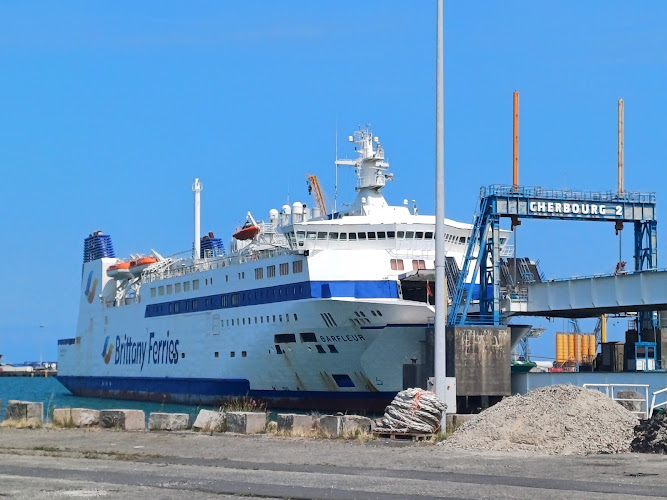
Stena Line | Cherbourg
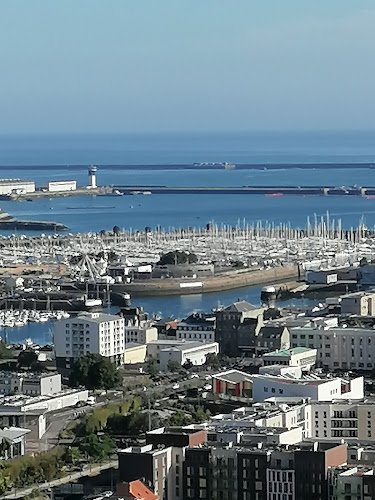
Fort du Roule
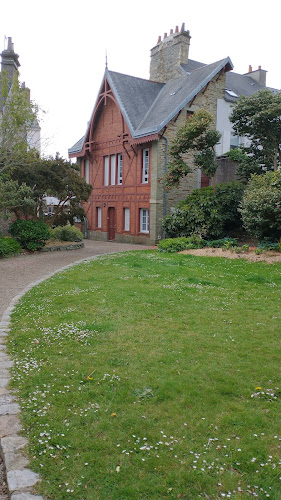
Montebello Botanical Garden
Find Accommodations Nearby
Recommended Tours & Activities
Visitor Reviews
There are no reviews yet. Be the first one to write one.
Share Your Experience
Have you visited Liberation Museum? Help other travelers by leaving a review.