

Paradox Museum Barcelona
About Paradox Museum Barcelona
Description
The Paradox Museum Barcelona offers visitors a fascinating journey into the world of optical illusions and mind-bending exhibits that challenge perception and reality. This interactive museum transforms the traditional museum experience into something far more engaging - a place where guests become active participants rather than passive observers. Located in one of Europe's most architecturally stunning cities, this attraction proves that seeing isn't always believing. I've always been fascinated by how our brains can be tricked so easily, and that's exactly what this museum capitalizes on. You'll find yourself questioning everything you thought you knew about how your eyes and mind work together. The exhibits here range from classic optical illusions that have stumped people for generations to cutting-edge installations that use modern technology to create seemingly impossible scenarios. And honestly, that's what makes it so appealing to such a diverse crowd. The museum spreads across several rooms, each dedicated to different types of perceptual phenomena. Some exhibits play with size and perspective, making visitors appear gigantic in one moment and tiny the next. Others mess with gravity or create situations where the laws of physics seem to have taken a holiday. What really sets this place apart is how photogenic everything is - each installation is designed with Instagram and social media sharing in mind, though the experience itself is worth way more than just the photos you'll take. Families find particular value here because it's one of those rare attractions where parents are just as confused and delighted as their children. The interactive nature means kids aren't being told to keep their hands to themselves every five minutes. Instead, they're encouraged to touch, explore, and position themselves in ways that maximize the illusion's effect.Key Features
The Paradox Museum Barcelona distinguishes itself through several remarkable features that visitors consistently appreciate:- Over 70 paradox-based exhibits and optical illusions spread throughout multiple themed rooms
- Fully wheelchair accessible entrance and restroom facilities, making the experience available to visitors with mobility challenges
- Free Wi-Fi throughout the venue, perfect for immediately uploading those mind-boggling photos to social media
- Interactive experiences designed specifically for photography, with staff available to help capture the perfect shot
- Climate-controlled indoor environment ideal for escaping Barcelona's occasionally intense summer heat
- Bilingual signage and explanations helping international visitors understand the science behind each illusion
- Self-paced exploration allowing visitors to spend as much time as they want at each exhibit
- Educational components explaining the psychological and scientific principles behind optical illusions
- Regular rotation of certain exhibits keeping the experience fresh for repeat visitors
- Clean, modern facilities with onsite restrooms for guest convenience
Best Time to Visit
Timing your visit to the Paradox Museum Barcelona can significantly impact your experience, and I'd say this matters more than people initially realize. The museum operates year-round, but certain periods offer distinct advantages depending on what kind of experience you're after. Weekday mornings, particularly Tuesday through Thursday between 10am and noon, typically see the lightest crowds. During these windows, you'll have more space to set up your photos without strangers photobombing your shots or waiting in line for popular exhibits. This is especially valuable because some of the illusions require specific positioning and multiple attempts to get just right. Barcelona's peak tourist season runs from June through August, and the museum definitely feels this influx. But here's the thing - because it's an indoor attraction, many tourists don't prioritize it until they need a break from the heat or encounter unexpected rain. So even during summer, early morning or late afternoon visits (the museum often stays open into the evening) can provide a more relaxed experience. Winter months from November to February bring fewer international visitors to Barcelona overall, which translates to shorter wait times at the museum. The weather is still mild by most European standards, and the museum's indoor setting makes it a perfect activity regardless of what's happening outside. Plus, advance ticket prices sometimes drop slightly during these off-peak periods. Weekends and school holidays present the biggest crowds, particularly Saturday afternoons. If you're traveling with children and have no choice but weekend visiting, aim for Sunday mornings when many locals are sleeping in or having leisurely brunches. Spanish families tend to eat lunch later in the day, so you might find a sweet spot before 2pm. One strategy I'd definitely recommend is booking the earliest entry slot available. Museums like this tend to get progressively busier as the day continues, and starting fresh means you'll have pristine opportunities at each exhibit before dozens of other visitors have been there.How to Get There
Getting to the Paradox Museum Barcelona is refreshingly straightforward thanks to the city's excellent public transportation network. The museum's central location makes it accessible through multiple methods, each with its own advantages depending on where you're staying and your comfort level navigating a foreign city. The Barcelona Metro system provides the most reliable and cost-effective option for most visitors. Several metro lines serve the area, and the nearest stations are within comfortable walking distance. The metro runs frequently throughout the day, and purchasing a T-Casual ticket (which offers ten journeys) makes economic sense if you're planning multiple trips around the city during your stay. Barcelona's metro is generally safe, clean, and efficient - I'd take it over dealing with traffic any day. Public buses also service the area extensively, and they offer the advantage of seeing the city at street level rather than underground. The TMB bus network connects virtually every neighborhood, and real-time arrival information is available through mobile apps. However, buses can get caught in Barcelona's sometimes congested traffic, especially during rush hours or when cruise ships disgorge thousands of passengers simultaneously. For visitors staying in the city center or Gothic Quarter, walking might be your best option. Barcelona is fundamentally a pedestrian-friendly city, and the journey to the museum takes you through interesting streets and past notable architecture. Just wear comfortable shoes because those charming cobblestone streets can be tough on the feet after a while. Taxi services and ride-sharing apps like Uber and Cabify operate throughout Barcelona and can drop you directly at the museum entrance. This option costs more but makes sense if you're traveling with young children, have mobility limitations, or are splitting the fare among several people. The convenience factor shouldn't be underestimated, particularly in a foreign city where language barriers might exist. Parking options exist nearby through both paid street parking and dedicated parking garages. But I'll be honest - driving in Barcelona's old districts can be stressful with narrow streets, aggressive scooter riders, and parking that's both expensive and scarce. If you've rented a car for exploring Catalunya's countryside, consider leaving it at your hotel and using public transport for city attractions.Tips for Visiting
Making the most of your Paradox Museum Barcelona experience requires some advance planning and insider knowledge that'll save you time, money, and frustration. Purchase tickets online before your visit - this can't be emphasized enough. The museum strongly recommends advance booking, and showing up hoping to buy tickets at the door often results in disappointment or lengthy waits, especially during peak seasons. Online tickets also occasionally offer small discounts compared to walk-up prices. Charge your phone fully before arriving. You'll be taking dozens of photos and possibly recording videos, and there's nothing worse than watching your battery die halfway through. While the museum has Wi-Fi, they don't have abundant charging stations, so bringing a portable battery pack isn't a bad idea either. Wear comfortable, practical clothing. Some exhibits require you to sit, lie down, or position yourself in unusual ways. Those Instagram-worthy photos might require some unflattering intermediate positions, and you'll want clothing that allows movement without wardrobe malfunctions. Solid colors often photograph better against the exhibits than busy patterns. Plan to spend between 60 to 90 minutes exploring thoroughly. Some visitors rush through in 45 minutes, but they're really missing out on understanding the illusions and getting creative with their photography. The museum is entirely self-guided, so you control the pace completely. Visit with a companion if possible. Many exhibits require someone else to photograph you properly to achieve the full illusion effect. Solo travelers shouldn't worry too much though - museum staff are generally helpful about snapping photos, and you'll often find other friendly visitors willing to trade photography duties. Read the explanation cards at each exhibit. Yeah, I know, vacation isn't school. But understanding why your brain is being fooled actually makes the experience more memorable and impressive. The science behind these illusions is genuinely fascinating once you dig into it a bit. Don't skip the restroom before entering the exhibition space. Once you're immersed in the exhibits, backtracking to the facilities interrupts your flow. The museum has clean restrooms available, so use them strategically. Consider visiting on a rainy day. Barcelonians are spoiled with gorgeous weather, so when it rains, everyone flocks to indoor activities. However, tourists often plan outdoor activities regardless and stick to their schedules, meaning museums sometimes stay surprisingly manageable during brief rain showers. Ask staff for photography tips. They've seen thousands of visitors attempt these photos and know exactly how to position yourself for maximum effect. Don't be shy about asking for help or suggestions - that's literally part of their job and they're usually enthusiastic about helping you get that perfect shot.Key Features
- 70+ interactive exhibits and illusion rooms
- Hands-on installations designed for photography
- Ames rooms and forced-perspective stages
- Family-friendly, suitable for all ages
- Central location in Barcelona with easy transit access
More Details
Updated January 17, 2026
Table of Contents
Description
The Paradox Museum Barcelona offers visitors a fascinating journey into the world of optical illusions and mind-bending exhibits that challenge perception and reality. This interactive museum transforms the traditional museum experience into something far more engaging – a place where guests become active participants rather than passive observers. Located in one of Europe’s most architecturally stunning cities, this attraction proves that seeing isn’t always believing.
I’ve always been fascinated by how our brains can be tricked so easily, and that’s exactly what this museum capitalizes on. You’ll find yourself questioning everything you thought you knew about how your eyes and mind work together. The exhibits here range from classic optical illusions that have stumped people for generations to cutting-edge installations that use modern technology to create seemingly impossible scenarios. And honestly, that’s what makes it so appealing to such a diverse crowd.
The museum spreads across several rooms, each dedicated to different types of perceptual phenomena. Some exhibits play with size and perspective, making visitors appear gigantic in one moment and tiny the next. Others mess with gravity or create situations where the laws of physics seem to have taken a holiday. What really sets this place apart is how photogenic everything is – each installation is designed with Instagram and social media sharing in mind, though the experience itself is worth way more than just the photos you’ll take.
Families find particular value here because it’s one of those rare attractions where parents are just as confused and delighted as their children. The interactive nature means kids aren’t being told to keep their hands to themselves every five minutes. Instead, they’re encouraged to touch, explore, and position themselves in ways that maximize the illusion’s effect.
Key Features
The Paradox Museum Barcelona distinguishes itself through several remarkable features that visitors consistently appreciate:
- Over 70 paradox-based exhibits and optical illusions spread throughout multiple themed rooms
- Fully wheelchair accessible entrance and restroom facilities, making the experience available to visitors with mobility challenges
- Free Wi-Fi throughout the venue, perfect for immediately uploading those mind-boggling photos to social media
- Interactive experiences designed specifically for photography, with staff available to help capture the perfect shot
- Climate-controlled indoor environment ideal for escaping Barcelona’s occasionally intense summer heat
- Bilingual signage and explanations helping international visitors understand the science behind each illusion
- Self-paced exploration allowing visitors to spend as much time as they want at each exhibit
- Educational components explaining the psychological and scientific principles behind optical illusions
- Regular rotation of certain exhibits keeping the experience fresh for repeat visitors
- Clean, modern facilities with onsite restrooms for guest convenience
Best Time to Visit
Timing your visit to the Paradox Museum Barcelona can significantly impact your experience, and I’d say this matters more than people initially realize. The museum operates year-round, but certain periods offer distinct advantages depending on what kind of experience you’re after.
Weekday mornings, particularly Tuesday through Thursday between 10am and noon, typically see the lightest crowds. During these windows, you’ll have more space to set up your photos without strangers photobombing your shots or waiting in line for popular exhibits. This is especially valuable because some of the illusions require specific positioning and multiple attempts to get just right.
Barcelona’s peak tourist season runs from June through August, and the museum definitely feels this influx. But here’s the thing – because it’s an indoor attraction, many tourists don’t prioritize it until they need a break from the heat or encounter unexpected rain. So even during summer, early morning or late afternoon visits (the museum often stays open into the evening) can provide a more relaxed experience.
Winter months from November to February bring fewer international visitors to Barcelona overall, which translates to shorter wait times at the museum. The weather is still mild by most European standards, and the museum’s indoor setting makes it a perfect activity regardless of what’s happening outside. Plus, advance ticket prices sometimes drop slightly during these off-peak periods.
Weekends and school holidays present the biggest crowds, particularly Saturday afternoons. If you’re traveling with children and have no choice but weekend visiting, aim for Sunday mornings when many locals are sleeping in or having leisurely brunches. Spanish families tend to eat lunch later in the day, so you might find a sweet spot before 2pm.
One strategy I’d definitely recommend is booking the earliest entry slot available. Museums like this tend to get progressively busier as the day continues, and starting fresh means you’ll have pristine opportunities at each exhibit before dozens of other visitors have been there.
How to Get There
Getting to the Paradox Museum Barcelona is refreshingly straightforward thanks to the city’s excellent public transportation network. The museum’s central location makes it accessible through multiple methods, each with its own advantages depending on where you’re staying and your comfort level navigating a foreign city.
The Barcelona Metro system provides the most reliable and cost-effective option for most visitors. Several metro lines serve the area, and the nearest stations are within comfortable walking distance. The metro runs frequently throughout the day, and purchasing a T-Casual ticket (which offers ten journeys) makes economic sense if you’re planning multiple trips around the city during your stay. Barcelona’s metro is generally safe, clean, and efficient – I’d take it over dealing with traffic any day.
Public buses also service the area extensively, and they offer the advantage of seeing the city at street level rather than underground. The TMB bus network connects virtually every neighborhood, and real-time arrival information is available through mobile apps. However, buses can get caught in Barcelona’s sometimes congested traffic, especially during rush hours or when cruise ships disgorge thousands of passengers simultaneously.
For visitors staying in the city center or Gothic Quarter, walking might be your best option. Barcelona is fundamentally a pedestrian-friendly city, and the journey to the museum takes you through interesting streets and past notable architecture. Just wear comfortable shoes because those charming cobblestone streets can be tough on the feet after a while.
Taxi services and ride-sharing apps like Uber and Cabify operate throughout Barcelona and can drop you directly at the museum entrance. This option costs more but makes sense if you’re traveling with young children, have mobility limitations, or are splitting the fare among several people. The convenience factor shouldn’t be underestimated, particularly in a foreign city where language barriers might exist.
Parking options exist nearby through both paid street parking and dedicated parking garages. But I’ll be honest – driving in Barcelona’s old districts can be stressful with narrow streets, aggressive scooter riders, and parking that’s both expensive and scarce. If you’ve rented a car for exploring Catalunya’s countryside, consider leaving it at your hotel and using public transport for city attractions.
Tips for Visiting
Making the most of your Paradox Museum Barcelona experience requires some advance planning and insider knowledge that’ll save you time, money, and frustration.
Purchase tickets online before your visit – this can’t be emphasized enough. The museum strongly recommends advance booking, and showing up hoping to buy tickets at the door often results in disappointment or lengthy waits, especially during peak seasons. Online tickets also occasionally offer small discounts compared to walk-up prices.
Charge your phone fully before arriving. You’ll be taking dozens of photos and possibly recording videos, and there’s nothing worse than watching your battery die halfway through. While the museum has Wi-Fi, they don’t have abundant charging stations, so bringing a portable battery pack isn’t a bad idea either.
Wear comfortable, practical clothing. Some exhibits require you to sit, lie down, or position yourself in unusual ways. Those Instagram-worthy photos might require some unflattering intermediate positions, and you’ll want clothing that allows movement without wardrobe malfunctions. Solid colors often photograph better against the exhibits than busy patterns.
Plan to spend between 60 to 90 minutes exploring thoroughly. Some visitors rush through in 45 minutes, but they’re really missing out on understanding the illusions and getting creative with their photography. The museum is entirely self-guided, so you control the pace completely.
Visit with a companion if possible. Many exhibits require someone else to photograph you properly to achieve the full illusion effect. Solo travelers shouldn’t worry too much though – museum staff are generally helpful about snapping photos, and you’ll often find other friendly visitors willing to trade photography duties.
Read the explanation cards at each exhibit. Yeah, I know, vacation isn’t school. But understanding why your brain is being fooled actually makes the experience more memorable and impressive. The science behind these illusions is genuinely fascinating once you dig into it a bit.
Don’t skip the restroom before entering the exhibition space. Once you’re immersed in the exhibits, backtracking to the facilities interrupts your flow. The museum has clean restrooms available, so use them strategically.
Consider visiting on a rainy day. Barcelonians are spoiled with gorgeous weather, so when it rains, everyone flocks to indoor activities. However, tourists often plan outdoor activities regardless and stick to their schedules, meaning museums sometimes stay surprisingly manageable during brief rain showers.
Ask staff for photography tips. They’ve seen thousands of visitors attempt these photos and know exactly how to position yourself for maximum effect. Don’t be shy about asking for help or suggestions – that’s literally part of their job and they’re usually enthusiastic about helping you get that perfect shot.
Key Highlights
- 70+ interactive exhibits and illusion rooms
- Hands-on installations designed for photography
- Ames rooms and forced-perspective stages
- Family-friendly, suitable for all ages
- Central location in Barcelona with easy transit access
Location
Places to Stay Near Paradox Museum Barcelona
Find and Book a Tour
Explore More Travel Guides
No reviews found! Be the first to review!
Traveler Reviews for Paradox Museum Barcelona
There are no reviews yet. Be the first one to write one.
Have you visited Paradox Museum Barcelona? Help other travelers by sharing your review.
Nearby Attractions
You Might Also Like
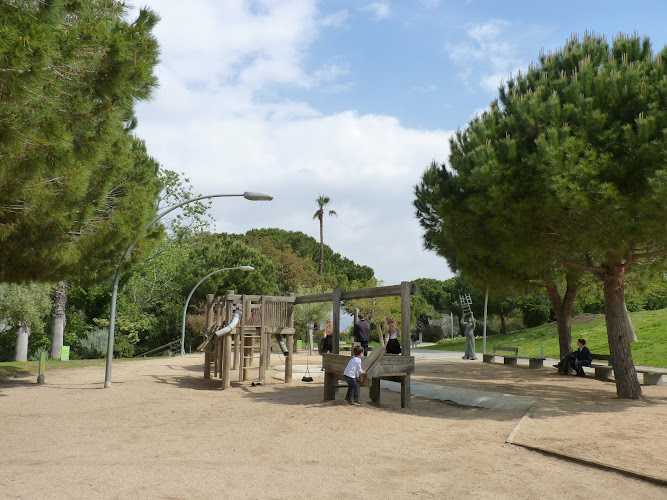
Jardins de Joan Brossa
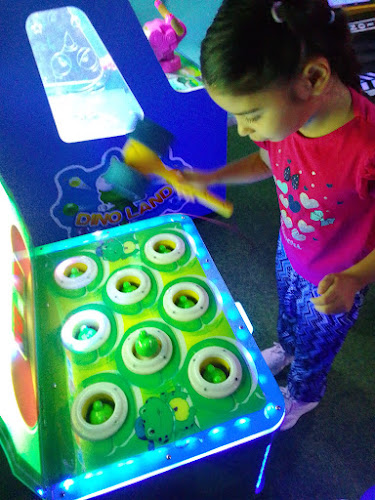
Parque arcade lecheria
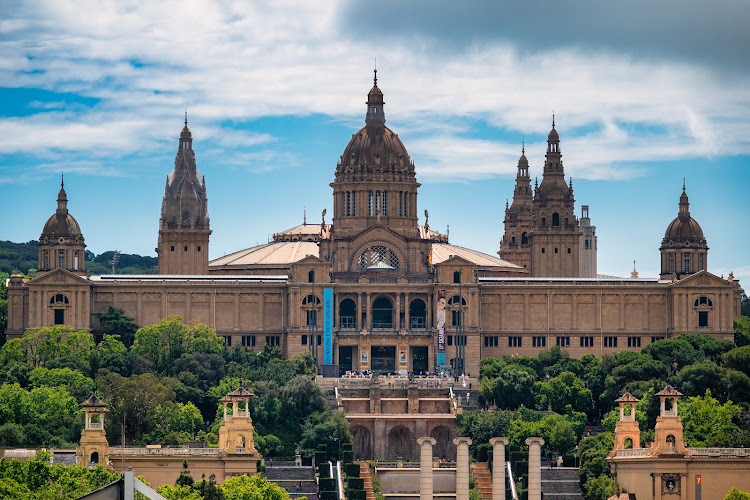
Museu Nacional d'Art de Catalunya
Find Accommodations Nearby
Recommended Tours & Activities
Visitor Reviews
There are no reviews yet. Be the first one to write one.
Share Your Experience
Have you visited Paradox Museum Barcelona? Help other travelers by leaving a review.