

Camino Barcelona Spanish language school
About Camino Barcelona Spanish language school
Description
Learning Spanish while traveling through Barcelona is honestly one of those experiences that can completely transform your trip from a typical tourist visit into something much more meaningful. Camino Barcelona Spanish language school has carved out quite a reputation for itself as a place where travelers can actually immerse themselves in the language without feeling like they're stuck in some sterile classroom environment. This is a women-owned business that's been welcoming students from all corners of the globe, and there's something refreshing about how they've managed to create a learning space that feels inclusive and accessible to pretty much anyone who walks through their doors. The school operates both as a language academy and student housing center, which is pretty convenient if you ask me. Instead of scrambling to find accommodation while trying to coordinate class schedules, you can sort both things out in one go. The people behind Camino Barcelona seem to understand that learning a language isn't just about memorizing verb conjugations and vocabulary lists – it's about getting comfortable enough to actually use Spanish in real-world situations. And Barcelona provides the perfect backdrop for that kind of learning. What really stands out is their commitment to creating a safe and welcoming environment for everyone. The school proudly identifies as LGBTQ+ friendly and operates as a transgender safe space, which unfortunately isn't something you can take for granted everywhere you go. They've also made accessibility a priority with wheelchair-accessible entrances, restrooms, and seating throughout their facilities. These aren't just checkboxes they're ticking off – they're genuine efforts to make language learning available to travelers regardless of their background or needs. The school offers both online and onsite classes, giving you flexibility depending on how you want to structure your Barcelona experience. Maybe you want to do some preparatory work before you arrive, or perhaps you need to continue your studies after you've left the city. That hybrid approach is particularly useful for travelers who aren't quite sure how long they'll be staying or who want to maximize their time exploring while still making progress with their Spanish.Key Features
Here's what makes Camino Barcelona stand out from other language schools you might be considering: • Women-owned and operated business with a clear commitment to inclusive education • Dual functionality as both a language school and student housing center for convenient all-in-one booking • Complete wheelchair accessibility including entrances, restrooms, and seating areas • Gender-neutral restroom facilities available on-site • LGBTQ+ friendly environment explicitly designated as a transgender safe space • Flexible learning options with both online and in-person classes available • Central Barcelona location making it easy to practice Spanish in authentic settings immediately after class • Structured around the needs of travelers rather than traditional long-term students • Teaching methodology that emphasizes practical communication over rigid academic approaches • International student community creating opportunities for cultural exchange beyond just language learning • Small class sizes ensuring personalized attention from instructors • Accommodation services that help students transition smoothly into Barcelona life • Cultural activities and excursions often integrated into the learning programBest Time to Visit
Timing your visit to Camino Barcelona really depends on what kind of experience you're after. I've found that September through November is actually ideal for language learning in Barcelona. The summer tourist crowds have thinned out considerably, the weather is still pleasant enough to enjoy outdoor activities after class, and the city settles back into its regular rhythm. You'll get a more authentic sense of daily life in Barcelona during these months, which honestly helps with language immersion. Spring months from March to May work beautifully too. The city starts warming up, café terraces fill with locals, and there's an energy that makes practicing your Spanish feel less intimidating. You can stumble through conversations at the market or in neighborhood bars without feeling like you're surrounded by English-speaking tourists at every turn. Summer remains popular despite the heat and crowds because that's when most people have vacation time available. If you're coming during July or August, just know that you'll be sharing the city with masses of other tourists. But that's not entirely bad – sometimes having other travelers around creates a supportive environment for practicing Spanish without the pressure of communicating with native speakers right away. Winter months from December through February see fewer international students, which means smaller class sizes and potentially more individualized attention from instructors. Barcelona winters are mild compared to most of Europe or North America, so you're not dealing with harsh weather that keeps you cooped up inside. And honestly, there's something special about learning Spanish while the rest of your friends back home are shoveling snow. The school operates year-round, so you've got flexibility. Many travelers opt for intensive courses lasting anywhere from one to twelve weeks, though some students commit to longer programs if they're taking a gap year or extended travel break.How to Get There
Getting to Camino Barcelona is pretty straightforward once you land in the city. Barcelona's El Prat Airport connects to the city center through several options. The Aerobus runs every few minutes and gets you downtown in about 35 minutes – it's reliable and you don't have to think too much about it. Alternatively, the regular public bus system and the metro also service the airport, though these take a bit longer with more stops along the way. If you're arriving by train from elsewhere in Spain or Europe, you'll likely come into Barcelona Sants or Estació de França. Both stations are well-connected to Barcelona's excellent metro system. The city's public transportation is honestly one of its best features – clean, efficient, and way more user-friendly than what you'll find in many other major European cities. Once you're in Barcelona, the metro will become your best friend. The school's location in the city means you can reach it using public transportation without much hassle. A T-Casual card gives you ten trips on the metro, bus, or tram, and it's shareable if you're traveling with friends. For longer stays while attending classes, a monthly unlimited pass makes more financial sense. Many students choose to walk or bike once they're familiar with the neighborhood. Barcelona is genuinely a walkable city, and getting around on foot helps you discover those hidden plazas and local haunts that you'd miss zipping by underground. Plus, every walk becomes an opportunity to practice reading Spanish signs and eavesdropping on conversations – all part of the learning process. Paid parking is available if you're driving, including parking garages, lots, and street parking, though I'd honestly question why you'd want to deal with a car in Barcelona. The city wasn't designed for modern traffic, and you'll spend more time frustrated in narrow streets than actually enjoying the driving experience.Tips for Visiting
First thing – book your accommodation through the school if you're planning to use their housing services. Student housing in Barcelona fills up quickly, especially during peak seasons, and coordinating this beforehand removes one major stressor from your travel planning. Even if you decide to find your own place, start looking well in advance because affordable options in decent neighborhoods disappear fast. Come prepared with at least some basic Spanish phrases. I know the school will teach you everything you need, but arriving with "hola," "gracias," and "no entiendo" already in your vocabulary shows respect and helps those first few days feel less overwhelming. You'd be surprised how much confidence a few simple phrases can give you when you're navigating a new city. Take advantage of the onsite services and don't be shy about asking questions. The staff at Camino Barcelona deal with travelers daily – they've heard every concern and answered every question imaginable. They can point you toward the best local markets, recommend affordable restaurants where locals actually eat, and help you avoid tourist traps. Participate in whatever cultural activities or excursions the school organizes. These aren't just filler content – they're designed to get you using Spanish in real contexts. Going to a cooking class, visiting museums, or taking day trips with other students creates low-pressure situations where you can practice without the fear of completely embarrassing yourself. Get out of your comfort zone between classes. It's tempting to hang out exclusively with English-speaking classmates, but force yourself to order coffee in Spanish, ask for directions even when you know where you're going, and strike up conversations with shopkeepers. Barcelona locals generally appreciate the effort, and you'll find most people patient with learners. Budget accordingly because Barcelona isn't exactly cheap. Between tuition, housing, food, and entertainment, costs add up quickly. That said, you can find affordable menú del día lunch specials at neighborhood restaurants, and cooking your own meals saves considerable money. The school's housing often includes kitchen access, which helps stretch your budget. Don't stress too much about making mistakes. Everyone at a language school is there to learn, which means everyone is making mistakes constantly. The sooner you get comfortable with sounding foolish, the faster you'll actually improve. And honestly, some of the best memories come from hilariously botched attempts at communication. Finally, remember why you're there. Learning Spanish while traveling through Barcelona is a privilege and an adventure. There'll be frustrating days when your brain feels full and you can't remember the difference between ser and estar no matter how many times someone explains it. But stick with it, because being able to communicate in another language opens up travel experiences in ways that guidebooks and translation apps simply can't match.Key Features
- Key Features
- Best Time to Visit
- How to Get There
- Tips for Visiting
More Details
Updated January 17, 2026
Table of Contents
- Description
- Key Features
- Best Time to Visit
- How to Get There
- Tips for Visiting
- Key Highlights
- Location
- Places to Stay Near Camino Barcelona Spanish language school
- Find and Book a Tour
- Explore More Travel Guides
- Nearby Places You Might Like
- Traveler Reviews for Camino Barcelona Spanish language school
- Share Your Experience
Description
Learning Spanish while traveling through Barcelona is honestly one of those experiences that can completely transform your trip from a typical tourist visit into something much more meaningful. Camino Barcelona Spanish language school has carved out quite a reputation for itself as a place where travelers can actually immerse themselves in the language without feeling like they’re stuck in some sterile classroom environment. This is a women-owned business that’s been welcoming students from all corners of the globe, and there’s something refreshing about how they’ve managed to create a learning space that feels inclusive and accessible to pretty much anyone who walks through their doors.
The school operates both as a language academy and student housing center, which is pretty convenient if you ask me. Instead of scrambling to find accommodation while trying to coordinate class schedules, you can sort both things out in one go. The people behind Camino Barcelona seem to understand that learning a language isn’t just about memorizing verb conjugations and vocabulary lists – it’s about getting comfortable enough to actually use Spanish in real-world situations. And Barcelona provides the perfect backdrop for that kind of learning.
What really stands out is their commitment to creating a safe and welcoming environment for everyone. The school proudly identifies as LGBTQ+ friendly and operates as a transgender safe space, which unfortunately isn’t something you can take for granted everywhere you go. They’ve also made accessibility a priority with wheelchair-accessible entrances, restrooms, and seating throughout their facilities. These aren’t just checkboxes they’re ticking off – they’re genuine efforts to make language learning available to travelers regardless of their background or needs.
The school offers both online and onsite classes, giving you flexibility depending on how you want to structure your Barcelona experience. Maybe you want to do some preparatory work before you arrive, or perhaps you need to continue your studies after you’ve left the city. That hybrid approach is particularly useful for travelers who aren’t quite sure how long they’ll be staying or who want to maximize their time exploring while still making progress with their Spanish.
Key Features
Here’s what makes Camino Barcelona stand out from other language schools you might be considering:
• Women-owned and operated business with a clear commitment to inclusive education
• Dual functionality as both a language school and student housing center for convenient all-in-one booking
• Complete wheelchair accessibility including entrances, restrooms, and seating areas
• Gender-neutral restroom facilities available on-site
• LGBTQ+ friendly environment explicitly designated as a transgender safe space
• Flexible learning options with both online and in-person classes available
• Central Barcelona location making it easy to practice Spanish in authentic settings immediately after class
• Structured around the needs of travelers rather than traditional long-term students
• Teaching methodology that emphasizes practical communication over rigid academic approaches
• International student community creating opportunities for cultural exchange beyond just language learning
• Small class sizes ensuring personalized attention from instructors
• Accommodation services that help students transition smoothly into Barcelona life
• Cultural activities and excursions often integrated into the learning program
Best Time to Visit
Timing your visit to Camino Barcelona really depends on what kind of experience you’re after. I’ve found that September through November is actually ideal for language learning in Barcelona. The summer tourist crowds have thinned out considerably, the weather is still pleasant enough to enjoy outdoor activities after class, and the city settles back into its regular rhythm. You’ll get a more authentic sense of daily life in Barcelona during these months, which honestly helps with language immersion.
Spring months from March to May work beautifully too. The city starts warming up, café terraces fill with locals, and there’s an energy that makes practicing your Spanish feel less intimidating. You can stumble through conversations at the market or in neighborhood bars without feeling like you’re surrounded by English-speaking tourists at every turn.
Summer remains popular despite the heat and crowds because that’s when most people have vacation time available. If you’re coming during July or August, just know that you’ll be sharing the city with masses of other tourists. But that’s not entirely bad – sometimes having other travelers around creates a supportive environment for practicing Spanish without the pressure of communicating with native speakers right away.
Winter months from December through February see fewer international students, which means smaller class sizes and potentially more individualized attention from instructors. Barcelona winters are mild compared to most of Europe or North America, so you’re not dealing with harsh weather that keeps you cooped up inside. And honestly, there’s something special about learning Spanish while the rest of your friends back home are shoveling snow.
The school operates year-round, so you’ve got flexibility. Many travelers opt for intensive courses lasting anywhere from one to twelve weeks, though some students commit to longer programs if they’re taking a gap year or extended travel break.
How to Get There
Getting to Camino Barcelona is pretty straightforward once you land in the city. Barcelona’s El Prat Airport connects to the city center through several options. The Aerobus runs every few minutes and gets you downtown in about 35 minutes – it’s reliable and you don’t have to think too much about it. Alternatively, the regular public bus system and the metro also service the airport, though these take a bit longer with more stops along the way.
If you’re arriving by train from elsewhere in Spain or Europe, you’ll likely come into Barcelona Sants or Estació de França. Both stations are well-connected to Barcelona’s excellent metro system. The city’s public transportation is honestly one of its best features – clean, efficient, and way more user-friendly than what you’ll find in many other major European cities.
Once you’re in Barcelona, the metro will become your best friend. The school’s location in the city means you can reach it using public transportation without much hassle. A T-Casual card gives you ten trips on the metro, bus, or tram, and it’s shareable if you’re traveling with friends. For longer stays while attending classes, a monthly unlimited pass makes more financial sense.
Many students choose to walk or bike once they’re familiar with the neighborhood. Barcelona is genuinely a walkable city, and getting around on foot helps you discover those hidden plazas and local haunts that you’d miss zipping by underground. Plus, every walk becomes an opportunity to practice reading Spanish signs and eavesdropping on conversations – all part of the learning process.
Paid parking is available if you’re driving, including parking garages, lots, and street parking, though I’d honestly question why you’d want to deal with a car in Barcelona. The city wasn’t designed for modern traffic, and you’ll spend more time frustrated in narrow streets than actually enjoying the driving experience.
Tips for Visiting
First thing – book your accommodation through the school if you’re planning to use their housing services. Student housing in Barcelona fills up quickly, especially during peak seasons, and coordinating this beforehand removes one major stressor from your travel planning. Even if you decide to find your own place, start looking well in advance because affordable options in decent neighborhoods disappear fast.
Come prepared with at least some basic Spanish phrases. I know the school will teach you everything you need, but arriving with “hola,” “gracias,” and “no entiendo” already in your vocabulary shows respect and helps those first few days feel less overwhelming. You’d be surprised how much confidence a few simple phrases can give you when you’re navigating a new city.
Take advantage of the onsite services and don’t be shy about asking questions. The staff at Camino Barcelona deal with travelers daily – they’ve heard every concern and answered every question imaginable. They can point you toward the best local markets, recommend affordable restaurants where locals actually eat, and help you avoid tourist traps.
Participate in whatever cultural activities or excursions the school organizes. These aren’t just filler content – they’re designed to get you using Spanish in real contexts. Going to a cooking class, visiting museums, or taking day trips with other students creates low-pressure situations where you can practice without the fear of completely embarrassing yourself.
Get out of your comfort zone between classes. It’s tempting to hang out exclusively with English-speaking classmates, but force yourself to order coffee in Spanish, ask for directions even when you know where you’re going, and strike up conversations with shopkeepers. Barcelona locals generally appreciate the effort, and you’ll find most people patient with learners.
Budget accordingly because Barcelona isn’t exactly cheap. Between tuition, housing, food, and entertainment, costs add up quickly. That said, you can find affordable menú del día lunch specials at neighborhood restaurants, and cooking your own meals saves considerable money. The school’s housing often includes kitchen access, which helps stretch your budget.
Don’t stress too much about making mistakes. Everyone at a language school is there to learn, which means everyone is making mistakes constantly. The sooner you get comfortable with sounding foolish, the faster you’ll actually improve. And honestly, some of the best memories come from hilariously botched attempts at communication.
Finally, remember why you’re there. Learning Spanish while traveling through Barcelona is a privilege and an adventure. There’ll be frustrating days when your brain feels full and you can’t remember the difference between ser and estar no matter how many times someone explains it. But stick with it, because being able to communicate in another language opens up travel experiences in ways that guidebooks and translation apps simply can’t match.
Key Highlights
- Key Features
- Best Time to Visit
- How to Get There
- Tips for Visiting
Location
Places to Stay Near Camino Barcelona Spanish language school
Find and Book a Tour
Explore More Travel Guides
No reviews found! Be the first to review!
Traveler Reviews for Camino Barcelona Spanish language school
There are no reviews yet. Be the first one to write one.
Have you visited Camino Barcelona Spanish language school? Help other travelers by sharing your review.
You Might Also Like
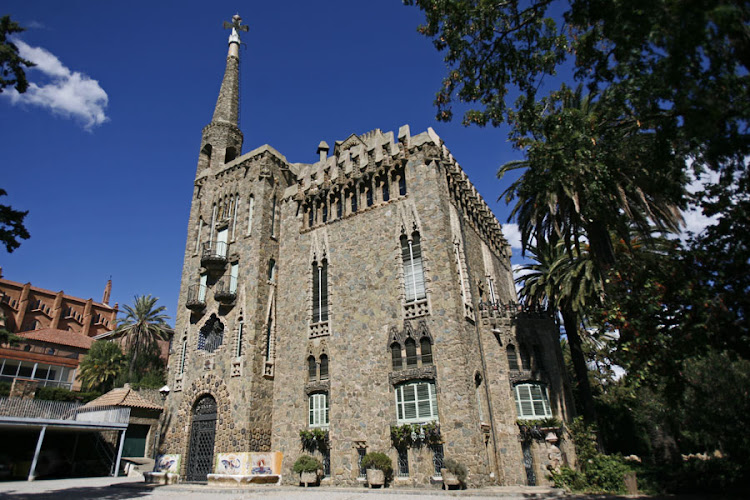
Bellesguard

Park Güell

Escalinata monumental
Find Accommodations Nearby
Recommended Tours & Activities
Visitor Reviews
There are no reviews yet. Be the first one to write one.
Share Your Experience
Have you visited Camino Barcelona Spanish language school? Help other travelers by leaving a review.