
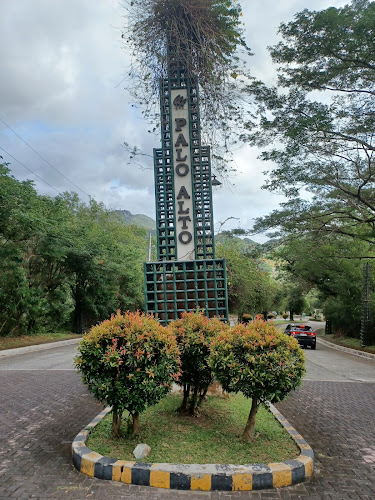
Palo Alto
About Palo Alto
Description
Palo Alto stands as one of those California destinations that manages to feel both remarkably progressive and refreshingly laid-back at the same time. Located in the heart of Silicon Valley, this city has earned its reputation as a tech hub while maintaining an approachable character that welcomes visitors from all walks of life. When I first explored Palo Alto, I was struck by how it balances innovation with nature, urban energy with suburban calm. The city takes its name from a coastal redwood tree called El Palo Alto, which has stood tall along San Francisquito Creek for over a thousand years. And honestly, that tree pretty much sums up the whole vibe here—deeply rooted yet reaching toward the sky. Walking through Palo Alto, you'll notice the distinctive blend of historic architecture sitting comfortably alongside modern glass structures, tree-lined streets that burst with California sunshine, and an intellectual atmosphere that seems to seep from the very sidewalks. What makes Palo Alto particularly appealing to travelers is its accessibility for all types of visitors. Families will find plenty of kid-friendly activities, while solo travelers can lose themselves in bookstores, cafes, and scenic bike paths. The downtown area offers an authentic California experience without the overwhelming crowds you might encounter in San Francisco or Los Angeles. Plus, the weather cooperates most of the year, which never hurts when you're trying to maximize your vacation time. The Stanford University campus dominates much of the city's character and provides visitors with free access to world-class museums, stunning architecture, and expansive grounds perfect for afternoon strolls. But Palo Alto isn't just about the university—there's a thriving arts scene, excellent dining options that span every cuisine imaginable, and outdoor spaces that remind you why people fell in love with California in the first place.Key Features
Palo Alto delivers several distinctive experiences that set it apart from typical California tourist destinations:- Stanford University Campus – This sprawling campus functions as both an educational institution and a major attraction, featuring the Cantor Arts Center with its impressive Rodin sculpture collection, the stunning Memorial Church with its intricate mosaics, and Hoover Tower offering panoramic views from its observation platform
- University Avenue – The main commercial thoroughfare runs through downtown and showcases excellent shopping, diverse restaurants, and that quintessential California outdoor dining scene where you can people-watch for hours
- Baylands Nature Preserve – Over 1,900 acres of marshland provide a surprising natural escape right within city limits, with boardwalk trails perfect for birdwatching and sunset viewing
- Historic El Palo Alto Tree – The thousand-year-old redwood that gave the city its name still stands and offers a tangible connection to California's natural heritage
- Tech Company Campuses – While most aren't open for tours, architecture enthusiasts and tech history buffs enjoy viewing the headquarters of companies that changed how we live and communicate
- Excellent Bike Infrastructure – The city's commitment to cycling means visitors can explore safely on two wheels, with dedicated paths connecting major attractions
- Michelin-Rated Dining – For a city its size, Palo Alto punches above its weight in culinary offerings, from casual farm-to-table spots to fine dining establishments
- Full Accessibility Features – Wheelchair accessible parking and facilities make the city welcoming for travelers with mobility considerations, and most attractions maintain high accessibility standards
Best Time to Visit
I've visited Palo Alto in different seasons, and I'll tell you straight—there really isn't a bad time to go, though some periods definitely edge out others depending on what you're after. Spring, particularly March through May, might be my personal favorite. The weather sits in that perfect range where you'll need maybe a light jacket in the morning but can wear shorts by afternoon. The Stanford campus becomes especially beautiful during these months, with flowers blooming across the grounds and students buzzing around with that end-of-semester energy. You'll find temperatures hovering between 60-75 degrees Fahrenheit, which is just about ideal for walking tours and outdoor dining. Summer brings warmer weather but rarely the oppressive heat you'd find in inland California cities. June through August sees temperatures in the 70s and 80s, with very little rain to disrupt your plans. But here's the thing—summer also brings more tourists, especially families taking advantage of school breaks. If you don't mind sharing sidewalk space and restaurant tables, summer works great. The longer daylight hours mean you can pack more into each day. Fall, specifically September and October, offers another sweet spot for visitors. The weather remains pleasant, the summer crowds thin out, and you get that golden California light that photographers dream about. Stanford's academic year kicks into full gear, which adds energy to the surrounding areas without overwhelming them. Restaurant reservations become easier to snag, too. Winter is mild by most standards—we're talking 50-60 degree days with occasional rain. Some travelers actually prefer this season because hotel rates drop and popular spots become more accessible. Just pack layers and a rain jacket, and you'll be fine. The holiday season brings festive decorations along University Avenue that create a charming atmosphere, though some attractions may have reduced hours. Weekdays generally offer a calmer experience than weekends, when locals and visitors from nearby cities descend on popular spots. If your schedule allows flexibility, planning your visit mid-week can significantly enhance your experience.How to Get There
Getting to Palo Alto is refreshingly straightforward, with multiple transportation options that suit different travel styles and budgets. Flying in, you'll most likely land at San Francisco International Airport (SFO), which sits about 20 miles north of Palo Alto. From there, you've got choices. Renting a car gives you the most flexibility for exploring, though parking in downtown areas can require patience and sometimes costs a few dollars. The drive from SFO to Palo Alto takes roughly 30-40 minutes depending on traffic, following US-101 South. But here's where Palo Alto distinguishes itself from many California destinations—you genuinely don't need a car if you'd rather avoid the hassle. Caltrain, the commuter rail system, connects San Francisco to San Jose with several stops in Palo Alto. The train runs frequently during weekdays and offers a stress-free alternative to highway driving. I've taken Caltrain numerous times and actually prefer it for day trips because you can relax, check your phone, or just watch the Peninsula scenery roll by without worrying about traffic. From SFO, you can take BART (Bay Area Rapid Transit) to Millbrae Station, then transfer to Caltrain heading south. The whole journey takes about an hour and costs significantly less than rideshare services. Speaking of which, Uber and Lyft operate throughout the area if you prefer door-to-door service. San Jose International Airport offers another option, sitting about 15 miles south of Palo Alto. Sometimes flights into San Jose run cheaper than SFO, making it worth comparing both airports when booking. The drive north on US-101 is typically quick and straightforward. If you're already in California, driving to Palo Alto is easy from pretty much anywhere in the Bay Area. From San Francisco, take US-101 South or I-280 South—both routes work, though I-280 offers more scenic views if you're not in a rush. From San Jose, head north on US-101, and you'll be there in 20 minutes under normal traffic conditions. Once you arrive, getting around Palo Alto itself is quite manageable. The downtown area is compact and walkable. Bike rentals are available and honestly provide one of the best ways to explore like a local. The city's bike lanes and paths make cycling safe and enjoyable even for casual riders.Tips for Visiting
After spending considerable time exploring Palo Alto, I've picked up some insights that'll help you make the most of your visit without the usual tourist headaches. First off, parking deserves your attention. Downtown parking can be tricky, especially during lunch hours and weekends. Street parking limits hover around 90 minutes in most areas, which sounds reasonable until you're engrossed in museum exhibits or enjoying a leisurely meal. Several parking structures offer longer-term options at reasonable rates—just factor this into your budget and planning. Better yet, consider using bikes or public transit to avoid the parking puzzle altogether. Stanford University welcomes visitors but operates on an academic calendar that affects your experience. During summer and winter breaks, the campus feels quieter, which some visitors prefer. But when students are present, you get a more authentic sense of the university's energy. The Cantor Arts Center and other campus attractions maintain regular hours, but it's smart to check ahead for any special closures. And yes, you can walk freely around most of campus—just be respectful of classes and private areas. Restaurant reservations aren't always mandatory but definitely recommended for popular spots, especially on weekend evenings. The dining scene here is competitive, and places fill up fast. On the flip side, you'll find excellent casual options that don't require advance planning, from Vietnamese pho shops to California-style pizza joints. Bring layers, even in summer. The Bay Area's microclimate thing is real—mornings can be cool and foggy while afternoons turn warm and sunny. A light jacket or sweater saves you from being uncomfortable half the day. And comfortable walking shoes are non-negotiable unless you plan on spending your entire visit sitting in cafes. The Baylands Nature Preserve deserves more time than you might initially allocate. Give yourself at least an hour, preferably two, to really experience the trails and boardwalks. Early morning offers the best birdwatching, while sunset creates stunning photo opportunities. Bring binoculars if you're into wildlife viewing. Budget-wise, Palo Alto leans expensive compared to many U.S. cities—this is Silicon Valley, after all. But free experiences abound if you know where to look. The Stanford campus costs nothing to explore, the Baylands are free, and simply wandering downtown people-watching doesn't cost a cent. Balance splurge-worthy restaurants with more affordable meals to keep your budget reasonable. If you're visiting with kids, the area maintains high standards for family facilities, including accessible restrooms at major attractions. Parks scattered throughout the city offer playgrounds where children can burn energy between activities. Mitchell Park, in particular, features a library, community center, and excellent playground that locals swear by. Tech enthusiasts might be disappointed to learn that most major company campuses aren't open for public tours due to security concerns. You can view buildings from public areas and snap photos, but don't expect to walk through Google or Facebook facilities without an employee escort. Finally, embrace the local coffee culture. Palo Alto takes its coffee seriously, with numerous independent cafes serving excellent brews. These spots function as community gathering places where you might overhear fascinating conversations about everything from startup ventures to environmental policy. Order a cappuccino, find a seat, and soak in the atmosphere—it's Palo Alto in its most authentic form.Key Features
- Small scenic waterfall with plunge pool suitable for wading and photos
- Developed leisure estate setting with cottages, picnic tables and paved walkways
- Easy access and short walk-in from parking inside Palo Alto Leisure and Residential Estates
- Family-friendly environment — suitable for casual swimmers and picnics
- Close to other outdoor attractions in Baras and Tanay for combined day trips
More Details
Updated January 17, 2026
Table of Contents
Description
Palo Alto stands as one of those California destinations that manages to feel both remarkably progressive and refreshingly laid-back at the same time. Located in the heart of Silicon Valley, this city has earned its reputation as a tech hub while maintaining an approachable character that welcomes visitors from all walks of life. When I first explored Palo Alto, I was struck by how it balances innovation with nature, urban energy with suburban calm.
The city takes its name from a coastal redwood tree called El Palo Alto, which has stood tall along San Francisquito Creek for over a thousand years. And honestly, that tree pretty much sums up the whole vibe here—deeply rooted yet reaching toward the sky. Walking through Palo Alto, you’ll notice the distinctive blend of historic architecture sitting comfortably alongside modern glass structures, tree-lined streets that burst with California sunshine, and an intellectual atmosphere that seems to seep from the very sidewalks.
What makes Palo Alto particularly appealing to travelers is its accessibility for all types of visitors. Families will find plenty of kid-friendly activities, while solo travelers can lose themselves in bookstores, cafes, and scenic bike paths. The downtown area offers an authentic California experience without the overwhelming crowds you might encounter in San Francisco or Los Angeles. Plus, the weather cooperates most of the year, which never hurts when you’re trying to maximize your vacation time.
The Stanford University campus dominates much of the city’s character and provides visitors with free access to world-class museums, stunning architecture, and expansive grounds perfect for afternoon strolls. But Palo Alto isn’t just about the university—there’s a thriving arts scene, excellent dining options that span every cuisine imaginable, and outdoor spaces that remind you why people fell in love with California in the first place.
Key Features
Palo Alto delivers several distinctive experiences that set it apart from typical California tourist destinations:
- Stanford University Campus – This sprawling campus functions as both an educational institution and a major attraction, featuring the Cantor Arts Center with its impressive Rodin sculpture collection, the stunning Memorial Church with its intricate mosaics, and Hoover Tower offering panoramic views from its observation platform
- University Avenue – The main commercial thoroughfare runs through downtown and showcases excellent shopping, diverse restaurants, and that quintessential California outdoor dining scene where you can people-watch for hours
- Baylands Nature Preserve – Over 1,900 acres of marshland provide a surprising natural escape right within city limits, with boardwalk trails perfect for birdwatching and sunset viewing
- Historic El Palo Alto Tree – The thousand-year-old redwood that gave the city its name still stands and offers a tangible connection to California’s natural heritage
- Tech Company Campuses – While most aren’t open for tours, architecture enthusiasts and tech history buffs enjoy viewing the headquarters of companies that changed how we live and communicate
- Excellent Bike Infrastructure – The city’s commitment to cycling means visitors can explore safely on two wheels, with dedicated paths connecting major attractions
- Michelin-Rated Dining – For a city its size, Palo Alto punches above its weight in culinary offerings, from casual farm-to-table spots to fine dining establishments
- Full Accessibility Features – Wheelchair accessible parking and facilities make the city welcoming for travelers with mobility considerations, and most attractions maintain high accessibility standards
Best Time to Visit
I’ve visited Palo Alto in different seasons, and I’ll tell you straight—there really isn’t a bad time to go, though some periods definitely edge out others depending on what you’re after.
Spring, particularly March through May, might be my personal favorite. The weather sits in that perfect range where you’ll need maybe a light jacket in the morning but can wear shorts by afternoon. The Stanford campus becomes especially beautiful during these months, with flowers blooming across the grounds and students buzzing around with that end-of-semester energy. You’ll find temperatures hovering between 60-75 degrees Fahrenheit, which is just about ideal for walking tours and outdoor dining.
Summer brings warmer weather but rarely the oppressive heat you’d find in inland California cities. June through August sees temperatures in the 70s and 80s, with very little rain to disrupt your plans. But here’s the thing—summer also brings more tourists, especially families taking advantage of school breaks. If you don’t mind sharing sidewalk space and restaurant tables, summer works great. The longer daylight hours mean you can pack more into each day.
Fall, specifically September and October, offers another sweet spot for visitors. The weather remains pleasant, the summer crowds thin out, and you get that golden California light that photographers dream about. Stanford’s academic year kicks into full gear, which adds energy to the surrounding areas without overwhelming them. Restaurant reservations become easier to snag, too.
Winter is mild by most standards—we’re talking 50-60 degree days with occasional rain. Some travelers actually prefer this season because hotel rates drop and popular spots become more accessible. Just pack layers and a rain jacket, and you’ll be fine. The holiday season brings festive decorations along University Avenue that create a charming atmosphere, though some attractions may have reduced hours.
Weekdays generally offer a calmer experience than weekends, when locals and visitors from nearby cities descend on popular spots. If your schedule allows flexibility, planning your visit mid-week can significantly enhance your experience.
How to Get There
Getting to Palo Alto is refreshingly straightforward, with multiple transportation options that suit different travel styles and budgets.
Flying in, you’ll most likely land at San Francisco International Airport (SFO), which sits about 20 miles north of Palo Alto. From there, you’ve got choices. Renting a car gives you the most flexibility for exploring, though parking in downtown areas can require patience and sometimes costs a few dollars. The drive from SFO to Palo Alto takes roughly 30-40 minutes depending on traffic, following US-101 South.
But here’s where Palo Alto distinguishes itself from many California destinations—you genuinely don’t need a car if you’d rather avoid the hassle. Caltrain, the commuter rail system, connects San Francisco to San Jose with several stops in Palo Alto. The train runs frequently during weekdays and offers a stress-free alternative to highway driving. I’ve taken Caltrain numerous times and actually prefer it for day trips because you can relax, check your phone, or just watch the Peninsula scenery roll by without worrying about traffic.
From SFO, you can take BART (Bay Area Rapid Transit) to Millbrae Station, then transfer to Caltrain heading south. The whole journey takes about an hour and costs significantly less than rideshare services. Speaking of which, Uber and Lyft operate throughout the area if you prefer door-to-door service.
San Jose International Airport offers another option, sitting about 15 miles south of Palo Alto. Sometimes flights into San Jose run cheaper than SFO, making it worth comparing both airports when booking. The drive north on US-101 is typically quick and straightforward.
If you’re already in California, driving to Palo Alto is easy from pretty much anywhere in the Bay Area. From San Francisco, take US-101 South or I-280 South—both routes work, though I-280 offers more scenic views if you’re not in a rush. From San Jose, head north on US-101, and you’ll be there in 20 minutes under normal traffic conditions.
Once you arrive, getting around Palo Alto itself is quite manageable. The downtown area is compact and walkable. Bike rentals are available and honestly provide one of the best ways to explore like a local. The city’s bike lanes and paths make cycling safe and enjoyable even for casual riders.
Tips for Visiting
After spending considerable time exploring Palo Alto, I’ve picked up some insights that’ll help you make the most of your visit without the usual tourist headaches.
First off, parking deserves your attention. Downtown parking can be tricky, especially during lunch hours and weekends. Street parking limits hover around 90 minutes in most areas, which sounds reasonable until you’re engrossed in museum exhibits or enjoying a leisurely meal. Several parking structures offer longer-term options at reasonable rates—just factor this into your budget and planning. Better yet, consider using bikes or public transit to avoid the parking puzzle altogether.
Stanford University welcomes visitors but operates on an academic calendar that affects your experience. During summer and winter breaks, the campus feels quieter, which some visitors prefer. But when students are present, you get a more authentic sense of the university’s energy. The Cantor Arts Center and other campus attractions maintain regular hours, but it’s smart to check ahead for any special closures. And yes, you can walk freely around most of campus—just be respectful of classes and private areas.
Restaurant reservations aren’t always mandatory but definitely recommended for popular spots, especially on weekend evenings. The dining scene here is competitive, and places fill up fast. On the flip side, you’ll find excellent casual options that don’t require advance planning, from Vietnamese pho shops to California-style pizza joints.
Bring layers, even in summer. The Bay Area’s microclimate thing is real—mornings can be cool and foggy while afternoons turn warm and sunny. A light jacket or sweater saves you from being uncomfortable half the day. And comfortable walking shoes are non-negotiable unless you plan on spending your entire visit sitting in cafes.
The Baylands Nature Preserve deserves more time than you might initially allocate. Give yourself at least an hour, preferably two, to really experience the trails and boardwalks. Early morning offers the best birdwatching, while sunset creates stunning photo opportunities. Bring binoculars if you’re into wildlife viewing.
Budget-wise, Palo Alto leans expensive compared to many U.S. cities—this is Silicon Valley, after all. But free experiences abound if you know where to look. The Stanford campus costs nothing to explore, the Baylands are free, and simply wandering downtown people-watching doesn’t cost a cent. Balance splurge-worthy restaurants with more affordable meals to keep your budget reasonable.
If you’re visiting with kids, the area maintains high standards for family facilities, including accessible restrooms at major attractions. Parks scattered throughout the city offer playgrounds where children can burn energy between activities. Mitchell Park, in particular, features a library, community center, and excellent playground that locals swear by.
Tech enthusiasts might be disappointed to learn that most major company campuses aren’t open for public tours due to security concerns. You can view buildings from public areas and snap photos, but don’t expect to walk through Google or Facebook facilities without an employee escort.
Finally, embrace the local coffee culture. Palo Alto takes its coffee seriously, with numerous independent cafes serving excellent brews. These spots function as community gathering places where you might overhear fascinating conversations about everything from startup ventures to environmental policy. Order a cappuccino, find a seat, and soak in the atmosphere—it’s Palo Alto in its most authentic form.
Key Highlights
- Small scenic waterfall with plunge pool suitable for wading and photos
- Developed leisure estate setting with cottages, picnic tables and paved walkways
- Easy access and short walk-in from parking inside Palo Alto Leisure and Residential Estates
- Family-friendly environment — suitable for casual swimmers and picnics
- Close to other outdoor attractions in Baras and Tanay for combined day trips
Location
Places to Stay Near Palo Alto
Find and Book a Tour
Explore More Travel Guides
No reviews found! Be the first to review!
Traveler Reviews for Palo Alto
There are no reviews yet. Be the first one to write one.
Have you visited Palo Alto? Help other travelers by sharing your review.
Nearby Attractions
You Might Also Like
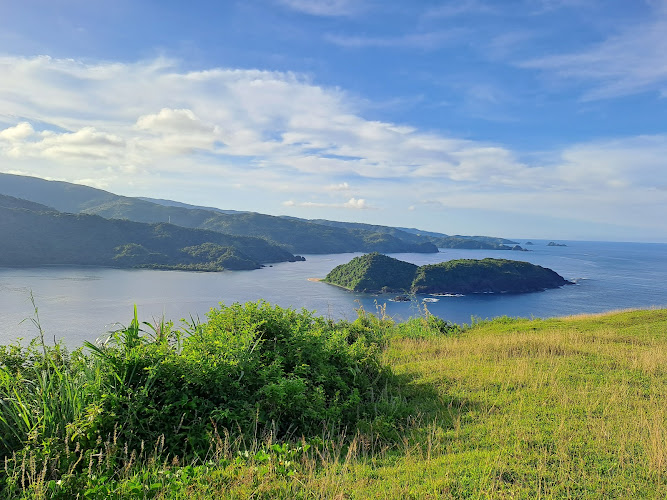
Balacay Point
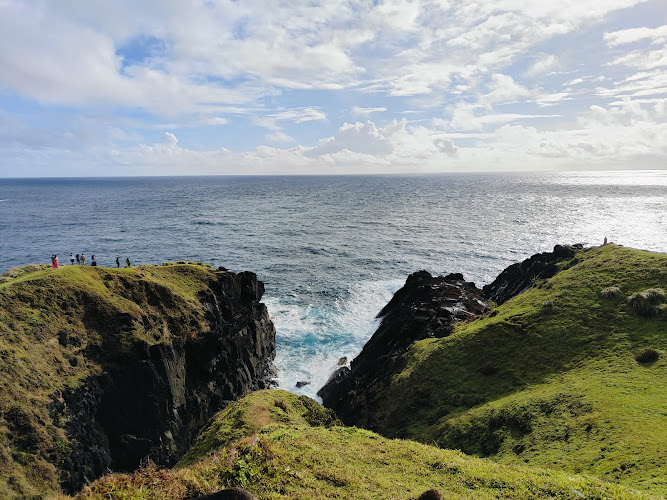
Binurong Point
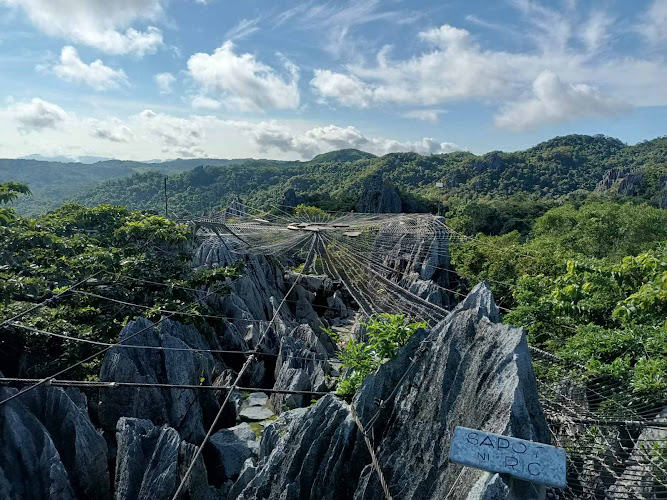
Masungi Georeserve
Find Accommodations Nearby
Recommended Tours & Activities
Visitor Reviews
There are no reviews yet. Be the first one to write one.
Share Your Experience
Have you visited Palo Alto? Help other travelers by leaving a review.