

Palais de Tokyo
About Palais de Tokyo
Description
Stepping into the Palais de Tokyo, honestly, always feels a bit like tumbling down the rabbit hole—except the rabbits are avant-garde sculptures and kaleidoscopic paintings. It’s one of my favorite spots in Paris, not just because I’m perpetually on the hunt for an espresso and an existential question, but because this massive modern art space does both with flair. Since opening its doors back in the 1930s, the Palais de Tokyo has been pushing boundaries—sometimes gently, sometimes with a wild-eyed mohawk and a bulldozer. Think of it as the city’s playground for contemporary artists who are allergic to tradition.
This isn’t your average, stuffy art museum where security guards tail you if you breathe too close to a Monet. No, here you get ever-rotating exhibitions from big-name disruptors and fresh talents you’ll want to stalk on Instagram (in a non-creepy way, promise). You might encounter performance art in the stairwells, installations that spill out onto the floor, and experimental films tucked into nooks only the bravest or most curious will find. And if you’re the type to get museum fatigue, it’s got plenty of weird corners to sit and people-watch—sometimes the visitors are as fascinating as the displays themselves.
Of course, a few exhibits can feel a bit too “over your head” (maybe that’s just me?), but even the misses spark conversation. The building itself is an experience: unapologetically stark, full of concrete and natural light, and rumors have it some Parisians think it’s ugly. I say, beauty is in the eye of the beholder, and the Palais makes up for any brute force aesthetics with sheer creative energy. It’s the sort of place where last time, I actually had a chat with a stranger about whether a heap of broken tiles was genius or just, well, trash. We didn’t agree—but we laughed about it, and that’s what art should do, isn’t it? Challenge you, shake things up, and leave you buzzing with thoughts (and, let's be honest, Instagram material).
Key Features
- Rotating Exhibitions: Unlike some museums, nothing stays the same for long here. One month it’s digital art, the next it’s boundary-smashing performance pieces. Come back often—you’ll rarely see the same thing twice.
- Large-Scale Installations: If you’ve got a thing for immersive experiences, the Palais’ vast halls are ideal for larger-than-life sculptures and walk-through exhibits. Wear comfy shoes, trust me.
- Emerging & Big-Name Artists: You never know if the next Banksy or Yayoi Kusama will have their breakthrough here. It’s a blend of headliners and promising newcomers, keeping things fresh and unexpected.
- Kid-Friendly Spaces: Yes, you can bring your little ones. The staff pours real effort into making art approachable for all ages—sometimes with workshops or interactive displays, so no scolding for giggle fits.
- Wheelchair Accessibility: The entrance, parking, and bathrooms are all wheelchair friendly, making it one of the more accessible art spots in Paris. A thoughtful touch that honestly puts other venues to shame.
- Onsite Restaurant & Restrooms: Hungry after pondering life’s big questions? There’s an onsite restaurant (the menu’s actually decent) and clean restrooms, so you can linger for hours without sacrificing comfort.
- Late Opening Hours: Procrastinators and night owls rejoice. The Palais often stays open later than most Paris museums, making it perfect for those who hate morning crowds (not naming any names, but *me*).
- Urban Art Bookshop: The bookshop here goes beyond glossy coffee table fare—think zines, indie prints, and wacky art gadgets you never knew you wanted.
- Prime Location: It’s almost unfair how close you are to the Eiffel Tower and some of Paris’ most iconic bridges, yet surrounded by edgy, contemporary art. Best of both worlds.
Best Time to Visit
Alright, confession: I genuinely think there’s never a bad time to visit the Palais de Tokyo, unless, well, you hate art (and if you do, what are you doing reading this anyway?). But if you want to really get the most out of it, timing can make all the difference. Paris gets swamped with visitors May through September, and while the Palais can handle a good crowd, coming mid-week—particularly early afternoons—means more space and less elbowing through selfie sticks. I went on a rainy November Thursday last year, and it felt like I had the entire ground floor to myself. The hush was perfect for soaking in the offbeat installations without distraction.
If possible, plan around rotating exhibit openings—they often host special events or late-night sessions, which have a fun, buzzy atmosphere. Some Parisians even prefer hitting up the museum after dinner (it’s open until 10pm or later much of the week, which is kind of a big deal in the city). You get a little of that after-dark energy, different crowds, and—let’s be honest—fewer kids sprinting through the gallery spaces. One note: major holidays can be unexpectedly packed or, sometimes, closed altogether, so make sure to check hours before you roll up. Locals do love their time off, after all.
How to Get There
Let’s keep it real—navigating Paris can feel like an Olympic sport, even if you aced Google Maps. The good news? The Palais de Tokyo is spectacularly easy to reach. If you’re already marveling at the Eiffel Tower, you’re literally a stroll away; just cross the river and follow the gentle parade of tourists heading toward the big, blocky building. (If you get lost, take it from me—ask a Parisian. They’ll sigh dramatically but point you in the right direction.)
Public transit is super convenient here. The nearest Metro stops are Iéna (Line 9) or Alma-Marceau (Line 9)—a 5-minute walk, assuming you don’t get distracted by street crepes. Buses frequent this area too, with several lines stopping nearby, and taxis/Ubers are easy to hail—it’s a main artery. If you’re driving, there’s accessible parking, but honestly, unless you really love parallel parking and Parisian traffic (I absolutely do not), stick to transit or a good urban stroll. The neighborhood itself is pleasant for wandering, plus you’ll get to see parts of the city most visitors miss.
Tips for Visiting
Here’s where I get to lay out the hard-won advice I wish someone had given me on my first visit (which, yes, involved nearly missing the entrance and accidentally photobombing a fashion shoot—only in Paris, right?).
- Go with an open mind. Not everything here is going to make sense on the first pass. That’s half the fun. I’ve stood in front of installations and scratched my head, too, but it always sparks ideas—or at least a chuckle.
- Take advantage of late hours. If you hate crowds, try visiting after 7pm. Everything feels more relaxed, and the vibe totally shifts in the evenings—edgier, quieter, and arguably more fun if you want artsy photos without people in the background.
- Check the exhibit schedule ahead of time. Exhibitions rotate frequently. I can’t count how many times I’ve shuffled in excited for something I’ve seen on social and realized it closed the week before. Rookie mistake.
- Bring the kids, but prep them. While the museum is kid-friendly, some artworks might be a bit risqué. Have a quick chat before you go if you’re with little ones who ask a lot of questions (not speaking from experience, except I totally am).
- Leave time for the restaurant (and bookshop). Even if you’re not a foodie, grabbing a coffee in the sunlit restaurant is oddly soothing after the mental workout the galleries provide. And don’t skip the gift shop—their selection is delightfully unpredictable.
- Photography is welcomed—mostly. Unless there’s a sign saying otherwise, snap away. The architecture itself is Instagram gold, but do be considerate: some visitors are here for a meditative escape and don’t love being immortalized in the background.
- Accessibility is excellent. I’ve visited with a family member in a wheelchair, and everything was smooth, from parking to restroom access. If you or your loved ones need accommodations, you’ll find the Palais stands out in Paris for its ease of movement.
- Allow for some aimless wandering. The best discoveries I’ve made were when I wandered off the main route—unexpected installations, pop-up mini-shows, and once, an impromptu music performance. Take your time, and don
Key Features
- Key Features
- Best Time to Visit
- How to Get There
- Tips for Visiting
More Details
Updated June 8, 2025
Table of Contents
Description
Stepping into the Palais de Tokyo, honestly, always feels a bit like tumbling down the rabbit hole—except the rabbits are avant-garde sculptures and kaleidoscopic paintings. It’s one of my favorite spots in Paris, not just because I’m perpetually on the hunt for an espresso and an existential question, but because this massive modern art space does both with flair. Since opening its doors back in the 1930s, the Palais de Tokyo has been pushing boundaries—sometimes gently, sometimes with a wild-eyed mohawk and a bulldozer. Think of it as the city’s playground for contemporary artists who are allergic to tradition.
This isn’t your average, stuffy art museum where security guards tail you if you breathe too close to a Monet. No, here you get ever-rotating exhibitions from big-name disruptors and fresh talents you’ll want to stalk on Instagram (in a non-creepy way, promise). You might encounter performance art in the stairwells, installations that spill out onto the floor, and experimental films tucked into nooks only the bravest or most curious will find. And if you’re the type to get museum fatigue, it’s got plenty of weird corners to sit and people-watch—sometimes the visitors are as fascinating as the displays themselves.
Of course, a few exhibits can feel a bit too “over your head” (maybe that’s just me?), but even the misses spark conversation. The building itself is an experience: unapologetically stark, full of concrete and natural light, and rumors have it some Parisians think it’s ugly. I say, beauty is in the eye of the beholder, and the Palais makes up for any brute force aesthetics with sheer creative energy. It’s the sort of place where last time, I actually had a chat with a stranger about whether a heap of broken tiles was genius or just, well, trash. We didn’t agree—but we laughed about it, and that’s what art should do, isn’t it? Challenge you, shake things up, and leave you buzzing with thoughts (and, let’s be honest, Instagram material).
Key Features
- Rotating Exhibitions: Unlike some museums, nothing stays the same for long here. One month it’s digital art, the next it’s boundary-smashing performance pieces. Come back often—you’ll rarely see the same thing twice.
- Large-Scale Installations: If you’ve got a thing for immersive experiences, the Palais’ vast halls are ideal for larger-than-life sculptures and walk-through exhibits. Wear comfy shoes, trust me.
- Emerging & Big-Name Artists: You never know if the next Banksy or Yayoi Kusama will have their breakthrough here. It’s a blend of headliners and promising newcomers, keeping things fresh and unexpected.
- Kid-Friendly Spaces: Yes, you can bring your little ones. The staff pours real effort into making art approachable for all ages—sometimes with workshops or interactive displays, so no scolding for giggle fits.
- Wheelchair Accessibility: The entrance, parking, and bathrooms are all wheelchair friendly, making it one of the more accessible art spots in Paris. A thoughtful touch that honestly puts other venues to shame.
- Onsite Restaurant & Restrooms: Hungry after pondering life’s big questions? There’s an onsite restaurant (the menu’s actually decent) and clean restrooms, so you can linger for hours without sacrificing comfort.
- Late Opening Hours: Procrastinators and night owls rejoice. The Palais often stays open later than most Paris museums, making it perfect for those who hate morning crowds (not naming any names, but *me*).
- Urban Art Bookshop: The bookshop here goes beyond glossy coffee table fare—think zines, indie prints, and wacky art gadgets you never knew you wanted.
- Prime Location: It’s almost unfair how close you are to the Eiffel Tower and some of Paris’ most iconic bridges, yet surrounded by edgy, contemporary art. Best of both worlds.
Best Time to Visit
Alright, confession: I genuinely think there’s never a bad time to visit the Palais de Tokyo, unless, well, you hate art (and if you do, what are you doing reading this anyway?). But if you want to really get the most out of it, timing can make all the difference. Paris gets swamped with visitors May through September, and while the Palais can handle a good crowd, coming mid-week—particularly early afternoons—means more space and less elbowing through selfie sticks. I went on a rainy November Thursday last year, and it felt like I had the entire ground floor to myself. The hush was perfect for soaking in the offbeat installations without distraction.
If possible, plan around rotating exhibit openings—they often host special events or late-night sessions, which have a fun, buzzy atmosphere. Some Parisians even prefer hitting up the museum after dinner (it’s open until 10pm or later much of the week, which is kind of a big deal in the city). You get a little of that after-dark energy, different crowds, and—let’s be honest—fewer kids sprinting through the gallery spaces. One note: major holidays can be unexpectedly packed or, sometimes, closed altogether, so make sure to check hours before you roll up. Locals do love their time off, after all.
How to Get There
Let’s keep it real—navigating Paris can feel like an Olympic sport, even if you aced Google Maps. The good news? The Palais de Tokyo is spectacularly easy to reach. If you’re already marveling at the Eiffel Tower, you’re literally a stroll away; just cross the river and follow the gentle parade of tourists heading toward the big, blocky building. (If you get lost, take it from me—ask a Parisian. They’ll sigh dramatically but point you in the right direction.)
Public transit is super convenient here. The nearest Metro stops are Iéna (Line 9) or Alma-Marceau (Line 9)—a 5-minute walk, assuming you don’t get distracted by street crepes. Buses frequent this area too, with several lines stopping nearby, and taxis/Ubers are easy to hail—it’s a main artery. If you’re driving, there’s accessible parking, but honestly, unless you really love parallel parking and Parisian traffic (I absolutely do not), stick to transit or a good urban stroll. The neighborhood itself is pleasant for wandering, plus you’ll get to see parts of the city most visitors miss.
Tips for Visiting
Here’s where I get to lay out the hard-won advice I wish someone had given me on my first visit (which, yes, involved nearly missing the entrance and accidentally photobombing a fashion shoot—only in Paris, right?).
- Go with an open mind. Not everything here is going to make sense on the first pass. That’s half the fun. I’ve stood in front of installations and scratched my head, too, but it always sparks ideas—or at least a chuckle.
- Take advantage of late hours. If you hate crowds, try visiting after 7pm. Everything feels more relaxed, and the vibe totally shifts in the evenings—edgier, quieter, and arguably more fun if you want artsy photos without people in the background.
- Check the exhibit schedule ahead of time. Exhibitions rotate frequently. I can’t count how many times I’ve shuffled in excited for something I’ve seen on social and realized it closed the week before. Rookie mistake.
- Bring the kids, but prep them. While the museum is kid-friendly, some artworks might be a bit risqué. Have a quick chat before you go if you’re with little ones who ask a lot of questions (not speaking from experience, except I totally am).
- Leave time for the restaurant (and bookshop). Even if you’re not a foodie, grabbing a coffee in the sunlit restaurant is oddly soothing after the mental workout the galleries provide. And don’t skip the gift shop—their selection is delightfully unpredictable.
- Photography is welcomed—mostly. Unless there’s a sign saying otherwise, snap away. The architecture itself is Instagram gold, but do be considerate: some visitors are here for a meditative escape and don’t love being immortalized in the background.
- Accessibility is excellent. I’ve visited with a family member in a wheelchair, and everything was smooth, from parking to restroom access. If you or your loved ones need accommodations, you’ll find the Palais stands out in Paris for its ease of movement.
-
Allow for some aimless wandering. The best discoveries I’ve made were when I wandered off the main route—unexpected installations, pop-up mini-shows, and once, an impromptu music performance. Take your time, and don
Key Highlights
- Key Features
- Best Time to Visit
- How to Get There
- Tips for Visiting
Location
Places to Stay Near Palais de Tokyo
Find and Book a Tour
Explore More Travel Guides
No reviews found! Be the first to review!
Traveler Reviews for Palais de Tokyo
There are no reviews yet. Be the first one to write one.
Have you visited Palais de Tokyo? Help other travelers by sharing your review.
You Might Also Like
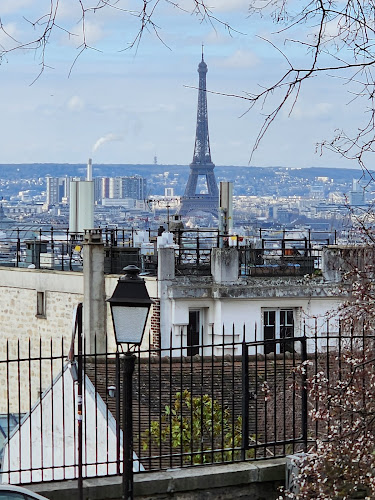
Square Nadar
76 Av. Daumesnil
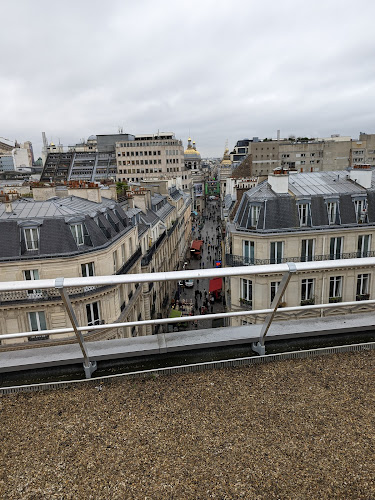
Rue du Havre
Find Accommodations Nearby
Recommended Tours & Activities
Visitor Reviews
There are no reviews yet. Be the first one to write one.
Share Your Experience
Have you visited Palais de Tokyo? Help other travelers by leaving a review.