

Palácio e Parque Biester
About Palácio e Parque Biester
Description
Palácio e Parque Biester is one of those places that quietly messes with your expectations. It looks like a castle, behaves like a heritage museum, and then—just when you think you’ve got it figured out—it pulls you into a park that feels more like a secret garden designed by someone with a dramatic streak. This is not a bombastic royal palace dripping in gold. It’s subtler, moodier, and honestly more interesting for it.
The palace dates back to the late 19th century and was commissioned by José Luís Ferreira, known as Biester, a wealthy bookseller with strong artistic opinions. That part always makes me smile. There’s something charming about a man who loved books so much he decided to build a whole neo-romantic palace around his ideas. And yes, you feel that intellectual, slightly eccentric energy as you walk through the rooms.
Architecturally, the Palácio Biester blends Romanticism, neo-Gothic, and Manueline influences. That might sound like design jargon, but what it really means is pointed arches, theatrical staircases, carved stone details, and rooms that seem designed for thinking big thoughts. Some spaces feel intimate and quiet, others intentionally over-the-top. And the light—especially in the upper rooms—does lovely things in the afternoon. Bring a camera, but also give yourself time to just stare.
The palace interior functions as a heritage museum today, with restored rooms that reflect upper-class life in Sintra during the 1800s. You won’t find ropes everywhere or that sterile museum vibe. It feels lived-in, almost like the owners just stepped out for a very long walk. And that walk, by the way, leads straight into the surrounding park.
Parque Biester is a big part of the experience. Winding paths, hidden viewpoints, unexpected sculptures, and a kind of romantic chaos that feels intentional. It’s not a manicured botanical garden, and thank goodness for that. Trees lean where they want, moss does its thing, and the whole place hums with that damp Sintra air. If you’ve been to the more famous estates nearby, this park feels more personal, less performative.
Visitors tend to leave with strong opinions. Most fall hard for it, praising the calm atmosphere, the restoration work, and the lack of crowds compared to neighboring attractions. A few, though, expect something flashier or bigger and feel underwhelmed. That’s fair. This is a place for people who like details, stories, and a slower pace. If you rush it, you’ll miss the point.
Key Features
- 19th-century neo-romantic palace with Gothic and Manueline elements
- Heritage museum showcasing restored interiors and period details
- Expansive park with winding trails, shaded areas, and scenic viewpoints
- Architectural details designed for contemplation rather than spectacle
- Onsite services that make the visit smooth and low-stress
- Wheelchair accessible restroom, which is still not a given in historic sites
- Payment options include credit and debit cards, no scrambling for cash
- Good for kids, especially those who like exploring paths and “secret” corners
Best Time to Visit
Timing matters here more than people think. The best months are late spring and early autumn, when Sintra’s misty climate works in your favor instead of against you. April to June brings green landscapes and manageable crowds. September and October are quieter, with warm light that makes the stonework and gardens look extra dramatic. I once visited in October and ended up staying far longer than planned because the park felt like it was whispering, don’t leave yet.
Summer is tricky. It’s busier, warmer, and the humidity can sneak up on you. But if summer is your only option, aim for early morning. The palace interiors stay relatively cool, and the park paths are more pleasant before midday. Winter has its charm too, especially for travelers who enjoy moody atmospheres. Just know that rain can limit how much time you’ll want to spend outdoors.
Weekdays are noticeably calmer than weekends. And if you’re the type who likes to wander without bumping into tour groups every five minutes, that alone is reason enough to plan around it. Late afternoon visits can be magical, but keep an eye on closing times so you don’t end up speed-walking through rooms you wanted to savor.
How to Get There
Palácio e Parque Biester sits within the broader Sintra area, which already tells you a lot about accessibility: it’s easy, but not effortless. Travelers typically arrive in Sintra by train from Lisbon, a route so common it feels like a commuter line some days. From the town center, the palace can be reached by local transport, taxi, or a solid walk if you’re up for hills. And yes, the hills are real.
Walking has its perks, though. You pass by smaller streets, patches of forest, and get a sense of Sintra beyond the postcard spots. But if you’re short on time or traveling with kids, public transport or a taxi saves energy for the actual visit. Drivers should know that parking in Sintra can test your patience. Consider parking further out and finishing the journey another way.
Once you arrive, entry and navigation are straightforward. Signage is clear, staff are generally helpful, and the flow through the palace and park makes sense even on a first visit. No need to overthink this part.
Tips for Visiting
First tip: don’t rush. This isn’t a check-the-box attraction. Plan at least two hours, more if you enjoy wandering gardens or sitting on a bench pretending you’re in a 19th-century novel. I’ve seen people breeze through in 45 minutes and then complain it was “too small.” That’s on them.
Wear proper shoes. The park paths are uneven, sometimes damp, and occasionally slippery. Stylish sandals might look good in photos, but your ankles will hate you. Trust me on this one—I learned the hard way years ago at a different Sintra site and swore never again.
Photography is allowed in many areas, but be respectful indoors. Some rooms invite quiet appreciation more than constant snapping. And honestly, the memories stick better when you’re not glued to a screen.
If you’re traveling with children, frame the visit as an exploration rather than a museum tour. Let them lead on the paths, spot carvings, and invent stories about who lived there. The park especially works well for that kind of imagination. It’s one of the more kid-friendly heritage sites in the area, without turning itself into a theme park.
Accessibility has been thoughtfully considered in key areas, including restroom facilities, though some historic sections naturally come with limitations. If mobility is a concern, it’s worth pacing the visit and asking staff for guidance on the easiest routes.
Bring a light jacket even in warmer months. Sintra’s microclimate is unpredictable, and the palace interiors can feel cool. And snacks—while there are onsite services, having water on hand makes the park stroll far more pleasant.
Lastly, temper expectations in the best way. Palácio e Parque Biester doesn’t shout for attention. It rewards curiosity, patience, and people who enjoy places with a bit of soul and contradiction. Some visitors walk away mildly impressed. Others, myself included, keep thinking about it days later. And that, in travel terms, is usually the sign you found somewhere worth remembering.
Key Features
- 19th-century neo-romantic palace with Gothic and Manueline elements
- Heritage museum showcasing restored interiors and period details
- Expansive park with winding trails, shaded areas, and scenic viewpoints
- Architectural details designed for contemplation rather than spectacle
- Onsite services that make the visit smooth and low-stress
- Wheelchair accessible restroom, which is still not a given in historic sites
- Payment options include credit and debit cards, no scrambling for cash
- Good for kids, especially those who like exploring paths and “secret” corners
More Details
Updated December 31, 2025
Table of Contents
Description
Palácio e Parque Biester is one of those places that quietly messes with your expectations. It looks like a castle, behaves like a heritage museum, and then—just when you think you’ve got it figured out—it pulls you into a park that feels more like a secret garden designed by someone with a dramatic streak. This is not a bombastic royal palace dripping in gold. It’s subtler, moodier, and honestly more interesting for it.
The palace dates back to the late 19th century and was commissioned by José Luís Ferreira, known as Biester, a wealthy bookseller with strong artistic opinions. That part always makes me smile. There’s something charming about a man who loved books so much he decided to build a whole neo-romantic palace around his ideas. And yes, you feel that intellectual, slightly eccentric energy as you walk through the rooms.
Architecturally, the Palácio Biester blends Romanticism, neo-Gothic, and Manueline influences. That might sound like design jargon, but what it really means is pointed arches, theatrical staircases, carved stone details, and rooms that seem designed for thinking big thoughts. Some spaces feel intimate and quiet, others intentionally over-the-top. And the light—especially in the upper rooms—does lovely things in the afternoon. Bring a camera, but also give yourself time to just stare.
The palace interior functions as a heritage museum today, with restored rooms that reflect upper-class life in Sintra during the 1800s. You won’t find ropes everywhere or that sterile museum vibe. It feels lived-in, almost like the owners just stepped out for a very long walk. And that walk, by the way, leads straight into the surrounding park.
Parque Biester is a big part of the experience. Winding paths, hidden viewpoints, unexpected sculptures, and a kind of romantic chaos that feels intentional. It’s not a manicured botanical garden, and thank goodness for that. Trees lean where they want, moss does its thing, and the whole place hums with that damp Sintra air. If you’ve been to the more famous estates nearby, this park feels more personal, less performative.
Visitors tend to leave with strong opinions. Most fall hard for it, praising the calm atmosphere, the restoration work, and the lack of crowds compared to neighboring attractions. A few, though, expect something flashier or bigger and feel underwhelmed. That’s fair. This is a place for people who like details, stories, and a slower pace. If you rush it, you’ll miss the point.
Key Features
- 19th-century neo-romantic palace with Gothic and Manueline elements
- Heritage museum showcasing restored interiors and period details
- Expansive park with winding trails, shaded areas, and scenic viewpoints
- Architectural details designed for contemplation rather than spectacle
- Onsite services that make the visit smooth and low-stress
- Wheelchair accessible restroom, which is still not a given in historic sites
- Payment options include credit and debit cards, no scrambling for cash
- Good for kids, especially those who like exploring paths and “secret” corners
Best Time to Visit
Timing matters here more than people think. The best months are late spring and early autumn, when Sintra’s misty climate works in your favor instead of against you. April to June brings green landscapes and manageable crowds. September and October are quieter, with warm light that makes the stonework and gardens look extra dramatic. I once visited in October and ended up staying far longer than planned because the park felt like it was whispering, don’t leave yet.
Summer is tricky. It’s busier, warmer, and the humidity can sneak up on you. But if summer is your only option, aim for early morning. The palace interiors stay relatively cool, and the park paths are more pleasant before midday. Winter has its charm too, especially for travelers who enjoy moody atmospheres. Just know that rain can limit how much time you’ll want to spend outdoors.
Weekdays are noticeably calmer than weekends. And if you’re the type who likes to wander without bumping into tour groups every five minutes, that alone is reason enough to plan around it. Late afternoon visits can be magical, but keep an eye on closing times so you don’t end up speed-walking through rooms you wanted to savor.
How to Get There
Palácio e Parque Biester sits within the broader Sintra area, which already tells you a lot about accessibility: it’s easy, but not effortless. Travelers typically arrive in Sintra by train from Lisbon, a route so common it feels like a commuter line some days. From the town center, the palace can be reached by local transport, taxi, or a solid walk if you’re up for hills. And yes, the hills are real.
Walking has its perks, though. You pass by smaller streets, patches of forest, and get a sense of Sintra beyond the postcard spots. But if you’re short on time or traveling with kids, public transport or a taxi saves energy for the actual visit. Drivers should know that parking in Sintra can test your patience. Consider parking further out and finishing the journey another way.
Once you arrive, entry and navigation are straightforward. Signage is clear, staff are generally helpful, and the flow through the palace and park makes sense even on a first visit. No need to overthink this part.
Tips for Visiting
First tip: don’t rush. This isn’t a check-the-box attraction. Plan at least two hours, more if you enjoy wandering gardens or sitting on a bench pretending you’re in a 19th-century novel. I’ve seen people breeze through in 45 minutes and then complain it was “too small.” That’s on them.
Wear proper shoes. The park paths are uneven, sometimes damp, and occasionally slippery. Stylish sandals might look good in photos, but your ankles will hate you. Trust me on this one—I learned the hard way years ago at a different Sintra site and swore never again.
Photography is allowed in many areas, but be respectful indoors. Some rooms invite quiet appreciation more than constant snapping. And honestly, the memories stick better when you’re not glued to a screen.
If you’re traveling with children, frame the visit as an exploration rather than a museum tour. Let them lead on the paths, spot carvings, and invent stories about who lived there. The park especially works well for that kind of imagination. It’s one of the more kid-friendly heritage sites in the area, without turning itself into a theme park.
Accessibility has been thoughtfully considered in key areas, including restroom facilities, though some historic sections naturally come with limitations. If mobility is a concern, it’s worth pacing the visit and asking staff for guidance on the easiest routes.
Bring a light jacket even in warmer months. Sintra’s microclimate is unpredictable, and the palace interiors can feel cool. And snacks—while there are onsite services, having water on hand makes the park stroll far more pleasant.
Lastly, temper expectations in the best way. Palácio e Parque Biester doesn’t shout for attention. It rewards curiosity, patience, and people who enjoy places with a bit of soul and contradiction. Some visitors walk away mildly impressed. Others, myself included, keep thinking about it days later. And that, in travel terms, is usually the sign you found somewhere worth remembering.
Key Highlights
- 19th-century neo-romantic palace with Gothic and Manueline elements
- Heritage museum showcasing restored interiors and period details
- Expansive park with winding trails, shaded areas, and scenic viewpoints
- Architectural details designed for contemplation rather than spectacle
- Onsite services that make the visit smooth and low-stress
- Wheelchair accessible restroom, which is still not a given in historic sites
- Payment options include credit and debit cards, no scrambling for cash
- Good for kids, especially those who like exploring paths and “secret” corners
Location
Places to Stay Near Palácio e Parque Biester
Find and Book a Tour
Explore More Travel Guides
No reviews found! Be the first to review!
Traveler Reviews for Palácio e Parque Biester
There are no reviews yet. Be the first one to write one.
Have you visited Palácio e Parque Biester? Help other travelers by sharing your review.
You Might Also Like

Quinta da Regaleira
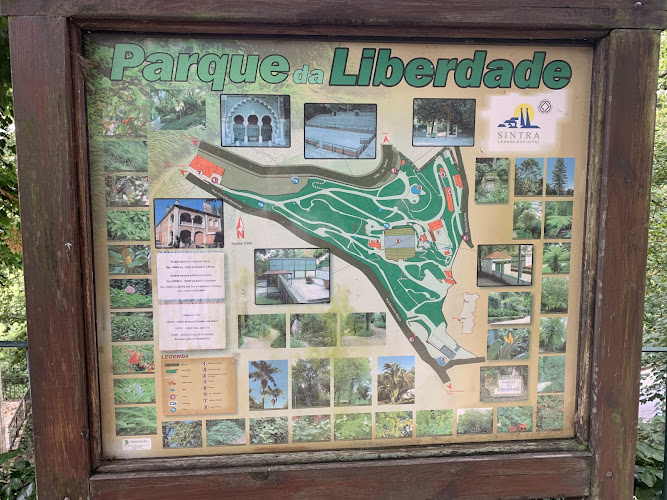
Freedom Park
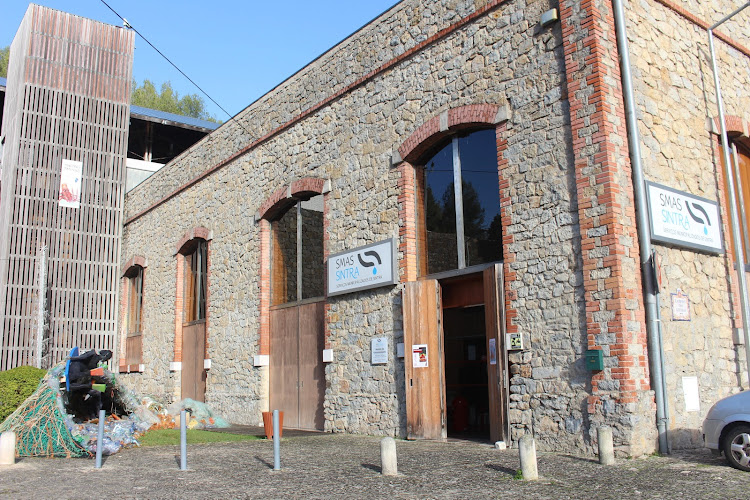
Sintra Science Workshop
Find Accommodations Nearby
Recommended Tours & Activities
Visitor Reviews
There are no reviews yet. Be the first one to write one.
Share Your Experience
Have you visited Palácio e Parque Biester? Help other travelers by leaving a review.