

Parque da Pena
About Parque da Pena
Description
Parque da Pena is the kind of place that quietly sneaks up on you. People talk about the Pena Palace all the time, the colors, the drama, the photos that end up on postcards. But the park? That’s where the real magic lingers. This massive green landscape wraps around the palace like a protective cloak, spreading across rolling hills, forested paths, and unexpected viewpoints that feel worlds away from the crowds below in Sintra.
The park was designed in the 19th century as part of King Ferdinand II’s romantic vision, and honestly, it shows. This isn’t a neat, trimmed garden with straight lines and polite flowerbeds. It’s intentionally wild in places, layered with exotic trees from all over the world, winding trails that curve just when you think they won’t, and quiet corners where you can hear nothing but wind and birds. I remember walking here on a foggy morning and thinking, well, this feels like a fairy tale that forgot it was supposed to end.
Covering around 200 hectares, Parque da Pena is more like a forest reserve than a traditional city park. You’ll pass towering ferns, mossy stones, lakes that mirror the sky, and benches that beg you to sit longer than planned. And yes, it can be busy near the palace itself. But give it ten minutes on a side trail, and suddenly it’s just you, your thoughts, and maybe a curious peacock wandering past like it owns the place. Which, to be fair, it kind of does.
Travelers often underestimate how much time to spend here. Big mistake. This park rewards slow wandering. It’s also surprisingly accessible for families, kids, and even travelers with mobility needs, which isn’t something you can say about every historic attraction perched on a hill. Parque da Pena feels lived-in, loved, and slightly unpredictable. That’s part of the charm.
Key Features
Parque da Pena isn’t about one single wow moment. It’s a collection of them, scattered across hills and hidden behind trees. Here are some highlights worth keeping an eye out for:
- Extensive hiking trails that range from easy strolls to more demanding uphill walks, all well-marked but still adventurous.
- Strategic viewpoints offering sweeping looks over Sintra, the Atlantic on clear days, and layers of forest that seem to go on forever.
- Exotic plant species collected from different continents, including North America, Asia, and Australia, making it feel oddly global.
- Quiet picnic areas with tables, perfect for a break that doesn’t feel rushed or touristy.
- Kid-friendly paths and open spaces where children can explore without constant shushing.
- Public restrooms placed thoughtfully around the park, which, trust me, matters more than you think on a long walk.
- Wheelchair-accessible entrances and parking areas, rare and appreciated in a historic hillside park.
- Easy access to the Pena Palace complex, letting you combine history and nature in one visit.
And one small thing I personally love: the park doesn’t overwhelm you with signs and explanations. You’re encouraged to look, feel, wander, maybe get a little lost. That freedom is refreshing.
Best Time to Visit
If you ask me, early morning is unbeatable. The air feels cooler, the mist sometimes hangs low between the trees, and the park feels almost private. You’ll still see other travelers, sure, but the energy is calmer. Late afternoons can also be lovely, especially when the light starts slanting through the forest and everything turns golden and soft.
Season-wise, spring and early autumn hit the sweet spot. Spring brings fresh greens and blooming plants from all corners of the world. Autumn adds warm colors and fewer tour groups. Summer is popular, and for good reason, but it can feel crowded near the palace and warmer on uphill trails. Winter is quieter and moody, with fog and damp paths, but that atmosphere? It’s something special if you don’t mind cooler weather.
One thing to consider is weather changes. Sintra has its own microclimate, and Parque da Pena sits high enough that clouds roll in fast. I’ve started walks under blue skies and finished them wrapped in fog, slightly damp but weirdly happy about it. Bring layers. Always.
How to Get There
Getting to Parque da Pena is part of the experience, and yeah, sometimes part of the challenge. Most travelers arrive via Sintra, which is well connected by train from Lisbon. From Sintra’s center, you’ve got a few options. Shuttle buses run regularly and are the most common choice. They’re efficient, but they can get packed, especially mid-day.
Taxis and rideshares are another route and can save time if you’re traveling with others. Just be aware that traffic can slow things down during peak hours. Some brave souls choose to hike up from town. I’ve done it once. It’s steep, sweaty, and oddly satisfying. If you’re into that kind of thing, go for it. If not, no shame in wheels.
Once inside the park, be prepared to walk. Distances are longer than they look on maps. Comfortable shoes aren’t optional here. I learned that the hard way and regretted every stylish but useless sole choice I made that day.
Tips for Visiting
Parque da Pena is generous, but it asks for a little respect and planning in return. These tips come from experience, not a brochure:
Give yourself time. This isn’t a quick stop. Plan at least half a day if you want to enjoy it without rushing. Full day? Even better.
Pack snacks or a picnic. There are great spots to sit and eat, and it’s way nicer than grabbing something in a crowded café line later.
Wear proper footwear. Paths can be uneven, slippery after rain, and longer than expected. Your feet will thank you.
Expect mixed crowds. Some visitors come just for photos, others for hiking, families with kids, couples, solo wanderers. It all works, but patience helps.
Use the facilities when you see them. Sounds obvious, but the park is big. Don’t assume another restroom is just around the corner.
Stay flexible. Weather changes, fog rolls in, plans shift. That’s part of the charm here. Embrace it.
Slow down. This might be the most important one. Sit on a bench. Watch the light move. Listen. Parque da Pena isn’t about ticking boxes, it’s about being present.
In the end, Parque da Pena leaves an impression that’s hard to pin down. It’s not perfect, and honestly, that’s why it works. Some paths are steep, some views are hidden, and sometimes the weather does whatever it wants. But when you’re standing among trees planted centuries ago, looking out over Sintra with the palace peeking through the green, you’ll get it. And you might already be planning a second visit before the first one’s even over.
Key Features
- Extensive hiking trails that range from easy strolls to more demanding uphill walks, all well-marked but still adventurous.
- Strategic viewpoints offering sweeping looks over Sintra, the Atlantic on clear days, and layers of forest that seem to go on forever.
- Exotic plant species collected from different continents, including North America, Asia, and Australia, making it feel oddly global.
- Quiet picnic areas with tables, perfect for a break that doesn’t feel rushed or touristy.
- Kid-friendly paths and open spaces where children can explore without constant shushing.
- Public restrooms placed thoughtfully around the park, which, trust me, matters more than you think on a long walk.
- Wheelchair-accessible entrances and parking areas, rare and appreciated in a historic hillside park.
- Easy access to the Pena Palace complex, letting you combine history and nature in one visit.
More Details
Updated December 31, 2025
Table of Contents
Description
Parque da Pena is the kind of place that quietly sneaks up on you. People talk about the Pena Palace all the time, the colors, the drama, the photos that end up on postcards. But the park? That’s where the real magic lingers. This massive green landscape wraps around the palace like a protective cloak, spreading across rolling hills, forested paths, and unexpected viewpoints that feel worlds away from the crowds below in Sintra.
The park was designed in the 19th century as part of King Ferdinand II’s romantic vision, and honestly, it shows. This isn’t a neat, trimmed garden with straight lines and polite flowerbeds. It’s intentionally wild in places, layered with exotic trees from all over the world, winding trails that curve just when you think they won’t, and quiet corners where you can hear nothing but wind and birds. I remember walking here on a foggy morning and thinking, well, this feels like a fairy tale that forgot it was supposed to end.
Covering around 200 hectares, Parque da Pena is more like a forest reserve than a traditional city park. You’ll pass towering ferns, mossy stones, lakes that mirror the sky, and benches that beg you to sit longer than planned. And yes, it can be busy near the palace itself. But give it ten minutes on a side trail, and suddenly it’s just you, your thoughts, and maybe a curious peacock wandering past like it owns the place. Which, to be fair, it kind of does.
Travelers often underestimate how much time to spend here. Big mistake. This park rewards slow wandering. It’s also surprisingly accessible for families, kids, and even travelers with mobility needs, which isn’t something you can say about every historic attraction perched on a hill. Parque da Pena feels lived-in, loved, and slightly unpredictable. That’s part of the charm.
Key Features
Parque da Pena isn’t about one single wow moment. It’s a collection of them, scattered across hills and hidden behind trees. Here are some highlights worth keeping an eye out for:
- Extensive hiking trails that range from easy strolls to more demanding uphill walks, all well-marked but still adventurous.
- Strategic viewpoints offering sweeping looks over Sintra, the Atlantic on clear days, and layers of forest that seem to go on forever.
- Exotic plant species collected from different continents, including North America, Asia, and Australia, making it feel oddly global.
- Quiet picnic areas with tables, perfect for a break that doesn’t feel rushed or touristy.
- Kid-friendly paths and open spaces where children can explore without constant shushing.
- Public restrooms placed thoughtfully around the park, which, trust me, matters more than you think on a long walk.
- Wheelchair-accessible entrances and parking areas, rare and appreciated in a historic hillside park.
- Easy access to the Pena Palace complex, letting you combine history and nature in one visit.
And one small thing I personally love: the park doesn’t overwhelm you with signs and explanations. You’re encouraged to look, feel, wander, maybe get a little lost. That freedom is refreshing.
Best Time to Visit
If you ask me, early morning is unbeatable. The air feels cooler, the mist sometimes hangs low between the trees, and the park feels almost private. You’ll still see other travelers, sure, but the energy is calmer. Late afternoons can also be lovely, especially when the light starts slanting through the forest and everything turns golden and soft.
Season-wise, spring and early autumn hit the sweet spot. Spring brings fresh greens and blooming plants from all corners of the world. Autumn adds warm colors and fewer tour groups. Summer is popular, and for good reason, but it can feel crowded near the palace and warmer on uphill trails. Winter is quieter and moody, with fog and damp paths, but that atmosphere? It’s something special if you don’t mind cooler weather.
One thing to consider is weather changes. Sintra has its own microclimate, and Parque da Pena sits high enough that clouds roll in fast. I’ve started walks under blue skies and finished them wrapped in fog, slightly damp but weirdly happy about it. Bring layers. Always.
How to Get There
Getting to Parque da Pena is part of the experience, and yeah, sometimes part of the challenge. Most travelers arrive via Sintra, which is well connected by train from Lisbon. From Sintra’s center, you’ve got a few options. Shuttle buses run regularly and are the most common choice. They’re efficient, but they can get packed, especially mid-day.
Taxis and rideshares are another route and can save time if you’re traveling with others. Just be aware that traffic can slow things down during peak hours. Some brave souls choose to hike up from town. I’ve done it once. It’s steep, sweaty, and oddly satisfying. If you’re into that kind of thing, go for it. If not, no shame in wheels.
Once inside the park, be prepared to walk. Distances are longer than they look on maps. Comfortable shoes aren’t optional here. I learned that the hard way and regretted every stylish but useless sole choice I made that day.
Tips for Visiting
Parque da Pena is generous, but it asks for a little respect and planning in return. These tips come from experience, not a brochure:
Give yourself time. This isn’t a quick stop. Plan at least half a day if you want to enjoy it without rushing. Full day? Even better.
Pack snacks or a picnic. There are great spots to sit and eat, and it’s way nicer than grabbing something in a crowded café line later.
Wear proper footwear. Paths can be uneven, slippery after rain, and longer than expected. Your feet will thank you.
Expect mixed crowds. Some visitors come just for photos, others for hiking, families with kids, couples, solo wanderers. It all works, but patience helps.
Use the facilities when you see them. Sounds obvious, but the park is big. Don’t assume another restroom is just around the corner.
Stay flexible. Weather changes, fog rolls in, plans shift. That’s part of the charm here. Embrace it.
Slow down. This might be the most important one. Sit on a bench. Watch the light move. Listen. Parque da Pena isn’t about ticking boxes, it’s about being present.
In the end, Parque da Pena leaves an impression that’s hard to pin down. It’s not perfect, and honestly, that’s why it works. Some paths are steep, some views are hidden, and sometimes the weather does whatever it wants. But when you’re standing among trees planted centuries ago, looking out over Sintra with the palace peeking through the green, you’ll get it. And you might already be planning a second visit before the first one’s even over.
Key Highlights
- Extensive hiking trails that range from easy strolls to more demanding uphill walks, all well-marked but still adventurous.
- Strategic viewpoints offering sweeping looks over Sintra, the Atlantic on clear days, and layers of forest that seem to go on forever.
- Exotic plant species collected from different continents, including North America, Asia, and Australia, making it feel oddly global.
- Quiet picnic areas with tables, perfect for a break that doesn’t feel rushed or touristy.
- Kid-friendly paths and open spaces where children can explore without constant shushing.
- Public restrooms placed thoughtfully around the park, which, trust me, matters more than you think on a long walk.
- Wheelchair-accessible entrances and parking areas, rare and appreciated in a historic hillside park.
- Easy access to the Pena Palace complex, letting you combine history and nature in one visit.
Location
Places to Stay Near Parque da Pena
Find and Book a Tour
Explore More Travel Guides
No reviews found! Be the first to review!
Traveler Reviews for Parque da Pena
There are no reviews yet. Be the first one to write one.
Have you visited Parque da Pena? Help other travelers by sharing your review.
You Might Also Like
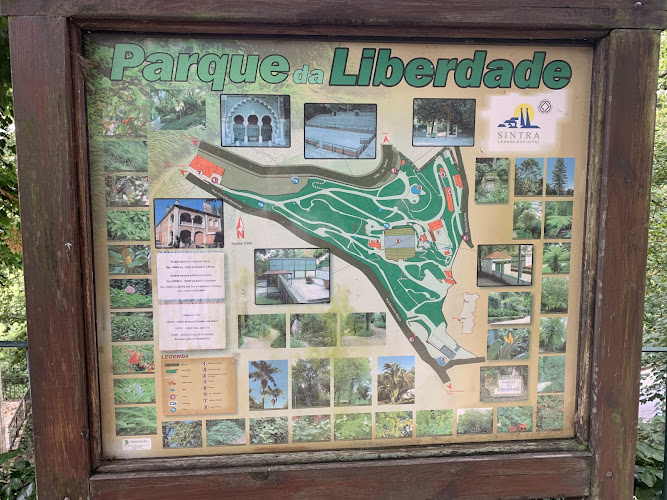
Freedom Park
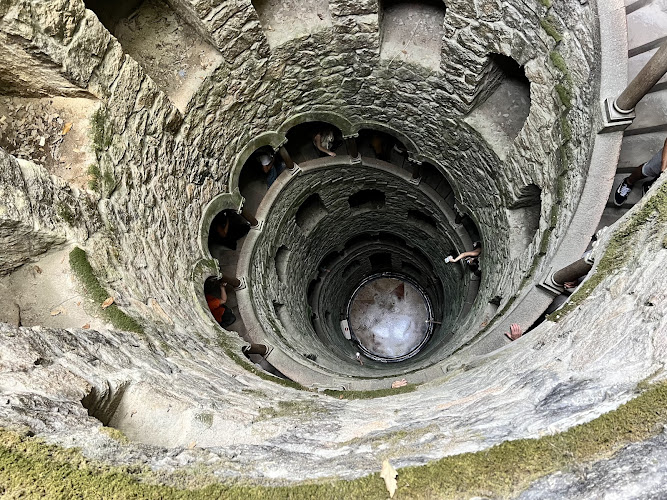
Poço Imperfeito
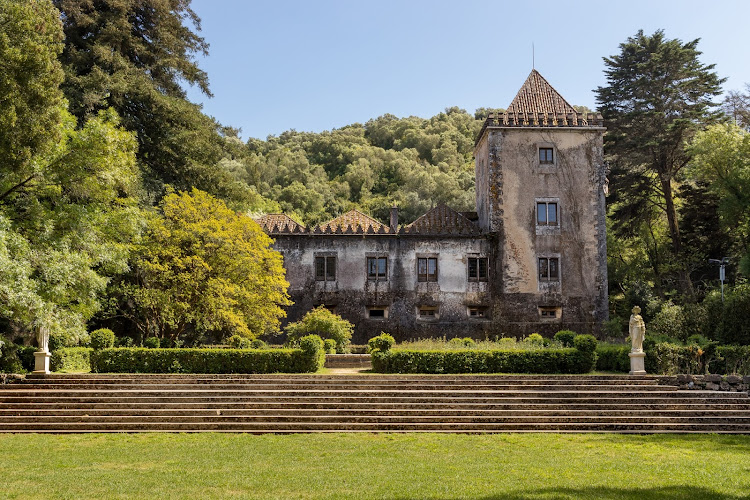
Quinta da Ribafria
Find Accommodations Nearby
Recommended Tours & Activities
Visitor Reviews
There are no reviews yet. Be the first one to write one.
Share Your Experience
Have you visited Parque da Pena? Help other travelers by leaving a review.