

Villa Sassetti
About Villa Sassetti
Description
Villa Sassetti isn’t one of those places that screams for attention. And honestly, that’s part of the charm. Sitting quietly on the slopes of the Sintra hills, this historical landmark feels more like a pause button than a headline attraction. Travelers often stumble upon it while chasing grander sights nearby, like Pena Palace, and then end up lingering longer than planned. I’ve done that myself. Planned a quick walk, ended up sitting on a low stone wall for half an hour, just breathing and thinking, which is not something I usually do on a packed travel day.
The villa dates back to the late 19th century and was originally built as a private residence. It shows. There’s a lived-in quality to the architecture, a sense that this place was meant for everyday life, not crowds. The building blends Romantic-era design with hints of Italian influence, wrapped in thick greenery and mossy stone paths that feel like they’ve grown naturally rather than been designed. Some parts are worn, a bit rough around the edges, and I like that. It feels honest.
What makes Villa Sassetti special is how it bridges two worlds. On one side, you’ve got the theatrical drama of Sintra’s palaces. On the other, a quieter, almost local rhythm. Walking around here, you hear birds more than voices. And if you’re lucky, the wind moving through the trees sounds like a low whisper. It’s atmospheric in a subtle way, not the Instagram-screaming kind. More the kind that sticks in your memory days later.
It’s also a place that doesn’t over-explain itself. There aren’t many signs or curated routes. You wander. You notice details on your own. A faded tile. A crumbling stair. A view opening suddenly between branches. That freedom won’t be for everyone, sure. Some travelers prefer structure. But if you enjoy filling in the blanks with your imagination, Villa Sassetti delivers.
Families do come through, and kids seem to enjoy the sense of exploration. I watched one child pretend the villa was a secret fort, which felt exactly right. Still, visitors should know that accessibility is limited. Uneven paths and stairs are part of the deal here, and that shapes the experience for better or worse.
Overall, Villa Sassetti earns its reputation quietly. It’s not flawless. It’s not flashy. But it offers something increasingly rare in popular travel regions: space to slow down and feel the place rather than consume it.
Key Features
- 19th-century Romantic architecture with Italian-inspired design elements
- Stone pathways and staircases that wind through dense forested surroundings
- Panoramic viewpoints that peek out toward Sintra and surrounding hills
- Connection to walking routes that lead toward major landmarks like Pena Palace
- Atmosphere that feels calm, slightly mysterious, and refreshingly unpolished
- Kid-friendly sense of adventure, though not stroller-friendly
- Less crowded than major Sintra attractions, especially in early hours
Best Time to Visit
If there’s one piece of advice worth listening to, it’s this: go early. Morning light does something magical here. The stone seems softer, the greenery deeper. And you’ll likely have long stretches to yourself. I once arrived just after sunrise, coffee still kicking in, and it felt like the whole hillside belonged to me. By midday, more walkers drift through, though it never gets truly overwhelming.
Spring and early autumn are the sweet spots. The weather behaves, the paths aren’t slippery, and everything feels alive but not chaotic. Summer can be hot, and the shade helps, but you’ll sweat on the climbs. Winter has its own moody appeal, especially with mist rolling in, but expect damp ground and fewer fellow visitors.
Weekdays beat weekends, no contest. And if you’re visiting Sintra during peak season, pairing Villa Sassetti with busier attractions earlier or later in the day creates a nice balance. Think of it as your exhale between tourist-heavy moments.
How to Get There
Most travelers reach Villa Sassetti on foot as part of a longer walk through Sintra’s historic landscape. And honestly, that’s how it should be done. The approach matters. Paths wind upward, sometimes steep, sometimes forgiving, and each turn feels like a small reveal.
If you’re coming from central Sintra, allow time. It’s not far in distance, but elevation changes slow things down. Wear decent shoes. I learned that lesson the hard way with slippery soles and mild regret. Public transport can get you closer to nearby attractions, but you’ll still need to walk the final stretch.
Driving isn’t ideal. Roads are narrow, parking is limited, and it kind of defeats the purpose. Villa Sassetti isn’t about convenience. It’s about the journey. Embrace that, and you’ll enjoy it more.
Tips for Visiting
First tip: don’t rush. This isn’t a checklist stop. Give it at least 45 minutes, more if you like to wander aimlessly. Bring water, especially in warmer months. And snacks aren’t a bad idea either. There aren’t services on-site, which again, adds to the old-world feel but requires a bit of planning.
Second, manage expectations. Villa Sassetti isn’t restored like a museum. Some people get disappointed when they expect grandeur. But if you go in looking for atmosphere, history, and a sense of place, you’ll probably leave happy. Or at least thoughtful.
Third, kids can enjoy it, but keep an eye on them. Uneven terrain and drops are part of the landscape. It’s adventure-lite, not a playground. Still, it sparks imagination, which feels more valuable than slides and swings.
Photography tip: look for frames, not landmarks. Doorways, overgrown arches, light filtering through branches. Those moments tell the real story. And please, just for a few minutes, put the phone away. Sit. Listen. Let the place do its thing.
Finally, pair Villa Sassetti with nearby sights thoughtfully. After the spectacle of Pena Palace, this place feels like a grounding counterweight. Or visit it first, and let it set a calmer tone for the day. Either way, it works.
Villa Sassetti doesn’t shout. It murmurs. And if you’re the kind of traveler who leans in to listen, it has a lot to say.
Key Features
- 19th-century Romantic architecture with Italian-inspired design elements
- Stone pathways and staircases that wind through dense forested surroundings
- Panoramic viewpoints that peek out toward Sintra and surrounding hills
- Connection to walking routes that lead toward major landmarks like Pena Palace
- Atmosphere that feels calm, slightly mysterious, and refreshingly unpolished
- Kid-friendly sense of adventure, though not stroller-friendly
- Less crowded than major Sintra attractions, especially in early hours
More Details
Updated December 31, 2025
Table of Contents
Description
Villa Sassetti isn’t one of those places that screams for attention. And honestly, that’s part of the charm. Sitting quietly on the slopes of the Sintra hills, this historical landmark feels more like a pause button than a headline attraction. Travelers often stumble upon it while chasing grander sights nearby, like Pena Palace, and then end up lingering longer than planned. I’ve done that myself. Planned a quick walk, ended up sitting on a low stone wall for half an hour, just breathing and thinking, which is not something I usually do on a packed travel day.
The villa dates back to the late 19th century and was originally built as a private residence. It shows. There’s a lived-in quality to the architecture, a sense that this place was meant for everyday life, not crowds. The building blends Romantic-era design with hints of Italian influence, wrapped in thick greenery and mossy stone paths that feel like they’ve grown naturally rather than been designed. Some parts are worn, a bit rough around the edges, and I like that. It feels honest.
What makes Villa Sassetti special is how it bridges two worlds. On one side, you’ve got the theatrical drama of Sintra’s palaces. On the other, a quieter, almost local rhythm. Walking around here, you hear birds more than voices. And if you’re lucky, the wind moving through the trees sounds like a low whisper. It’s atmospheric in a subtle way, not the Instagram-screaming kind. More the kind that sticks in your memory days later.
It’s also a place that doesn’t over-explain itself. There aren’t many signs or curated routes. You wander. You notice details on your own. A faded tile. A crumbling stair. A view opening suddenly between branches. That freedom won’t be for everyone, sure. Some travelers prefer structure. But if you enjoy filling in the blanks with your imagination, Villa Sassetti delivers.
Families do come through, and kids seem to enjoy the sense of exploration. I watched one child pretend the villa was a secret fort, which felt exactly right. Still, visitors should know that accessibility is limited. Uneven paths and stairs are part of the deal here, and that shapes the experience for better or worse.
Overall, Villa Sassetti earns its reputation quietly. It’s not flawless. It’s not flashy. But it offers something increasingly rare in popular travel regions: space to slow down and feel the place rather than consume it.
Key Features
- 19th-century Romantic architecture with Italian-inspired design elements
- Stone pathways and staircases that wind through dense forested surroundings
- Panoramic viewpoints that peek out toward Sintra and surrounding hills
- Connection to walking routes that lead toward major landmarks like Pena Palace
- Atmosphere that feels calm, slightly mysterious, and refreshingly unpolished
- Kid-friendly sense of adventure, though not stroller-friendly
- Less crowded than major Sintra attractions, especially in early hours
Best Time to Visit
If there’s one piece of advice worth listening to, it’s this: go early. Morning light does something magical here. The stone seems softer, the greenery deeper. And you’ll likely have long stretches to yourself. I once arrived just after sunrise, coffee still kicking in, and it felt like the whole hillside belonged to me. By midday, more walkers drift through, though it never gets truly overwhelming.
Spring and early autumn are the sweet spots. The weather behaves, the paths aren’t slippery, and everything feels alive but not chaotic. Summer can be hot, and the shade helps, but you’ll sweat on the climbs. Winter has its own moody appeal, especially with mist rolling in, but expect damp ground and fewer fellow visitors.
Weekdays beat weekends, no contest. And if you’re visiting Sintra during peak season, pairing Villa Sassetti with busier attractions earlier or later in the day creates a nice balance. Think of it as your exhale between tourist-heavy moments.
How to Get There
Most travelers reach Villa Sassetti on foot as part of a longer walk through Sintra’s historic landscape. And honestly, that’s how it should be done. The approach matters. Paths wind upward, sometimes steep, sometimes forgiving, and each turn feels like a small reveal.
If you’re coming from central Sintra, allow time. It’s not far in distance, but elevation changes slow things down. Wear decent shoes. I learned that lesson the hard way with slippery soles and mild regret. Public transport can get you closer to nearby attractions, but you’ll still need to walk the final stretch.
Driving isn’t ideal. Roads are narrow, parking is limited, and it kind of defeats the purpose. Villa Sassetti isn’t about convenience. It’s about the journey. Embrace that, and you’ll enjoy it more.
Tips for Visiting
First tip: don’t rush. This isn’t a checklist stop. Give it at least 45 minutes, more if you like to wander aimlessly. Bring water, especially in warmer months. And snacks aren’t a bad idea either. There aren’t services on-site, which again, adds to the old-world feel but requires a bit of planning.
Second, manage expectations. Villa Sassetti isn’t restored like a museum. Some people get disappointed when they expect grandeur. But if you go in looking for atmosphere, history, and a sense of place, you’ll probably leave happy. Or at least thoughtful.
Third, kids can enjoy it, but keep an eye on them. Uneven terrain and drops are part of the landscape. It’s adventure-lite, not a playground. Still, it sparks imagination, which feels more valuable than slides and swings.
Photography tip: look for frames, not landmarks. Doorways, overgrown arches, light filtering through branches. Those moments tell the real story. And please, just for a few minutes, put the phone away. Sit. Listen. Let the place do its thing.
Finally, pair Villa Sassetti with nearby sights thoughtfully. After the spectacle of Pena Palace, this place feels like a grounding counterweight. Or visit it first, and let it set a calmer tone for the day. Either way, it works.
Villa Sassetti doesn’t shout. It murmurs. And if you’re the kind of traveler who leans in to listen, it has a lot to say.
Key Highlights
- 19th-century Romantic architecture with Italian-inspired design elements
- Stone pathways and staircases that wind through dense forested surroundings
- Panoramic viewpoints that peek out toward Sintra and surrounding hills
- Connection to walking routes that lead toward major landmarks like Pena Palace
- Atmosphere that feels calm, slightly mysterious, and refreshingly unpolished
- Kid-friendly sense of adventure, though not stroller-friendly
- Less crowded than major Sintra attractions, especially in early hours
Location
Places to Stay Near Villa Sassetti
Find and Book a Tour
Explore More Travel Guides
No reviews found! Be the first to review!
Traveler Reviews for Villa Sassetti
There are no reviews yet. Be the first one to write one.
Have you visited Villa Sassetti? Help other travelers by sharing your review.
You Might Also Like

Fonte dos Pisões

Chalet of the Countess of Edla
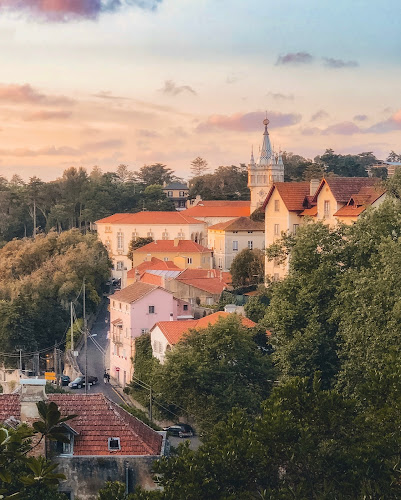
Sintra
Find Accommodations Nearby
Recommended Tours & Activities
Visitor Reviews
There are no reviews yet. Be the first one to write one.
Share Your Experience
Have you visited Villa Sassetti? Help other travelers by leaving a review.