
Otahama
About Otahama
Description
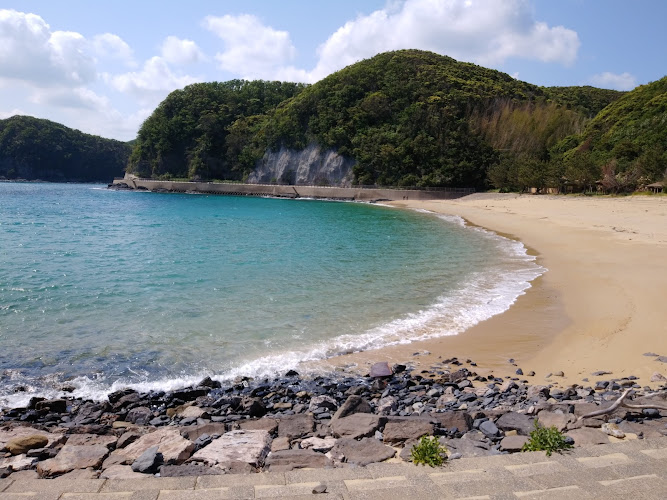
Otahama feels like the kind of beach you accidentally stumble upon while exploring Tsushima Island’s peaceful nooks, thinking you’d found your own little sea-secret. It’s not the type plastered all over glossy brochures or Instagram feeds – which, honestly, is a big part of its charm. Tucked away with gentle, lapping waves and sands that stretch out like they’re trying to shake your hand, Otahama is humbler, quieter, and beautifully understated.
It’s what I’d call a “slow-down” spot. There’s a kind of hush that settles over you here, as if the salty breeze itself is nudging you to unclench your jaw and take a deep breath. Unlike the better-known tourist hotspots, this beach draws a quirky mix of travelers – an offbeat couple picnicking atop driftwood, a solitary shell collector, a cluster of kids’ flip-flops abandoned for tidal pool adventures. And yet, no matter when I’ve visited, I never felt crowded. Actually, it’s almost the opposite – sometimes you’ll feel like you have the whole shoreline to yourself.
Now, I won’t pretend Otahama is flashy – no sprawling resorts, no banana boat rentals or loud shrieks from busy arcades. What it delivers is authentic coastal Japan, the kind of simplicity that soothes your city-worn senses. Seagulls wheel overhead, tiny crabs scamper in the sand, and the scent of pine trees on the sea breeze is oddly comforting. On one trip, I chatted with a friendly local, who pointed out edible wild greens growing near the tree line. Those little moments – unscripted, genuine – stick with you long after you leave.
Otahama might not make your heart race with adrenaline, but it will teach you the beauty of small details. If you’re craving space, mellow beauty, and a real sense of being away from it all, this slice of Tsushima might just surprise you.
Key Features
- Serene Sandy Beach: Gentle sands and calm waves make Otahama the perfect place for a restorative walk, a quiet swim, or plain old sitting and gazing at the blue, blue horizon.
- Coastal Pine Groves: Behind the beach, you’ll find clusters of pine trees – their perfume mingles with salt air, creating a scent I wish I could bottle (or at least describe properly!).
- Tidal Pools: If you’ve got a bit of a curious streak, tidepooling here can be strangely addictive. There’s always a sea snail or crab to discover, and somehow I spot something new every time.
- Natural Vistas: The coastline here remains mostly unspoiled – no high-rises, just green hills and tangled undergrowth blending into the beach. Perfect for amateur photographers or anyone addicted to “just one more sunset” shots.
- Uncrowded Locale: Otahama’s low-key vibe means you miss the big tourist crush, especially on weekdays. Families and small groups blend quietly into the landscape.
- Ideal for Reflection: I know this sounds “woo-woo,” but really, there’s something meditative about Otahama. Many travelers come here simply to slow down and listen to the ocean’s stories.
- Cleanliness: While not pristine to the nth degree, there’s a clear sense that this place gets looked after. Locals care about the state of their shoreline and you can see it – minimal litter, just honest nature.
Best Time to Visit
Here’s the weird truth – Otahama wears many faces, depending on the season. Say you’re all about that classic beach day: late spring through early autumn, roughly May to September, is your sweet spot. The weather’s gentle, the water’s swimmable, and the daylight lingers. It never gets crushingly hot, which my fair-skinned friends appreciate.
But – and this is a big however – if you’re more the solitary rambler (hand raised), late autumn is spectacular. The air goes crisp, pine needles scattered everywhere, and the sea seems to lean into a quieter blue. I’ve even visited in early winter; it gets nippy, but seeing frost crunch underfoot while waves slap the shore is a moody, special kind of magic. Just pack that extra fleece.
Of course, it drizzles in June and July (that’s rainy season for ya), which gives the landscape an emerald lushness but makes lounging on a beach mat a bit soggy. If you don’t mind getting a little damp, fewer people show up, so you gain almost total solitude.
How to Get There
Alright, if you’re already in Tsushima, you might expect beautiful and quirky places to be a tad tricky to access – and you’d be right. That’s part of why Otahama keeps its low profile. Most folks reach the island via flight from Nagasaki or Fukuoka, or by ferry (which, let me tell you, can be its own adventure). Once you’ve landed, you’re looking at a journey by car or taxi – bike if you’re bold. Local buses are an option, but time schedules can be iffy.
Here’s my honest tip: Rent a car at the port, or team up with a friend who drives. The drive to Otahama isn’t particularly long, but it’s delightfully indirect, weaving through forested hills and villages where you wonder “Did we miss a turn?” twice. Signage is minimalist, so a translation app or offline map helps.
Parking is free and straightforward. On weekends, a couple of families might snag the closest spots, but I’ve yet to see it jam-packed. If you go by bike, brace yourself for some climbs – those hills mean business, but the scented air on the descent almost makes up for it.
Tips for Visiting
First, pack your own snacks and drinks. There aren’t any beachside vendors handing out cold drinks or grilled corn here – what you bring is what you eat. (I learned that the hard way, regretting not snagging that bento at the last conbini before heading out.)
Next, try to time your visit to the tides. Low tide is the jackpot for exploring tidal pools and poking at little marine critters. If you’re hoping to swim, mid-tide’s probably safest; just check with a local or see what other swimmers do – currents can surprise you sometimes.
Oh, and bring sandals or sturdy water shoes. There’s sharp shells and driftwood mixed in with the sand, and you don’t want to hobble back to your car with a sore toe. If you’re into birdwatching, throw a pair of binoculars in your pack – the cliffs nearby attract some interesting species, especially in the dawn hours.
There aren’t rental facilities right on the sand, so if you want to laze in comfort, toss a picnic mat or lightweight folding chair in your trunk. On that note, remember there’s minimal shade away from the pines, so a hat is a must in summer. Sunburns sneak up quick, even on cloudy days (speaking from thoroughly pink-faced experience).
If you’re feeling a bit cheeky, wake up at dawn and claim your patch of sand before anyone arrives. Early mornings feel magical here – the soft light, mist over the hills, and the delicious sense that the whole beach is just waiting for you.
Finally, treat the place with care. Locals are quietly proud of Otahama, and the beach’s unspoiled vibe depends on every visitor leaving things as they found them… or, better yet, picking up a stray bottle or two as you go. You’ll get a nod from the locals. Trust me, that stuff feels good.
Whether you stay half an hour or lose track of time until twilight, Otahama offers a fleeting, precious reminder of why slower travel is sometimes the most rewarding kind.
Key Features
- Key Features
- Best Time to Visit
- How to Get There
- Tips for Visiting
More Details
Updated June 9, 2025
Table of Contents
Description
Otahama feels like the kind of beach you accidentally stumble upon while exploring Tsushima Island’s peaceful nooks, thinking you’d found your own little sea-secret. It’s not the type plastered all over glossy brochures or Instagram feeds – which, honestly, is a big part of its charm. Tucked away with gentle, lapping waves and sands that stretch out like they’re trying to shake your hand, Otahama is humbler, quieter, and beautifully understated.
It’s what I’d call a “slow-down” spot. There’s a kind of hush that settles over you here, as if the salty breeze itself is nudging you to unclench your jaw and take a deep breath. Unlike the better-known tourist hotspots, this beach draws a quirky mix of travelers – an offbeat couple picnicking atop driftwood, a solitary shell collector, a cluster of kids’ flip-flops abandoned for tidal pool adventures. And yet, no matter when I’ve visited, I never felt crowded. Actually, it’s almost the opposite – sometimes you’ll feel like you have the whole shoreline to yourself.
Now, I won’t pretend Otahama is flashy – no sprawling resorts, no banana boat rentals or loud shrieks from busy arcades. What it delivers is authentic coastal Japan, the kind of simplicity that soothes your city-worn senses. Seagulls wheel overhead, tiny crabs scamper in the sand, and the scent of pine trees on the sea breeze is oddly comforting. On one trip, I chatted with a friendly local, who pointed out edible wild greens growing near the tree line. Those little moments – unscripted, genuine – stick with you long after you leave.
Otahama might not make your heart race with adrenaline, but it will teach you the beauty of small details. If you’re craving space, mellow beauty, and a real sense of being away from it all, this slice of Tsushima might just surprise you.
Key Features
- Serene Sandy Beach: Gentle sands and calm waves make Otahama the perfect place for a restorative walk, a quiet swim, or plain old sitting and gazing at the blue, blue horizon.
- Coastal Pine Groves: Behind the beach, you’ll find clusters of pine trees – their perfume mingles with salt air, creating a scent I wish I could bottle (or at least describe properly!).
- Tidal Pools: If you’ve got a bit of a curious streak, tidepooling here can be strangely addictive. There’s always a sea snail or crab to discover, and somehow I spot something new every time.
- Natural Vistas: The coastline here remains mostly unspoiled – no high-rises, just green hills and tangled undergrowth blending into the beach. Perfect for amateur photographers or anyone addicted to “just one more sunset” shots.
- Uncrowded Locale: Otahama’s low-key vibe means you miss the big tourist crush, especially on weekdays. Families and small groups blend quietly into the landscape.
- Ideal for Reflection: I know this sounds “woo-woo,” but really, there’s something meditative about Otahama. Many travelers come here simply to slow down and listen to the ocean’s stories.
- Cleanliness: While not pristine to the nth degree, there’s a clear sense that this place gets looked after. Locals care about the state of their shoreline and you can see it – minimal litter, just honest nature.
Best Time to Visit
Here’s the weird truth – Otahama wears many faces, depending on the season. Say you’re all about that classic beach day: late spring through early autumn, roughly May to September, is your sweet spot. The weather’s gentle, the water’s swimmable, and the daylight lingers. It never gets crushingly hot, which my fair-skinned friends appreciate.
But – and this is a big however – if you’re more the solitary rambler (hand raised), late autumn is spectacular. The air goes crisp, pine needles scattered everywhere, and the sea seems to lean into a quieter blue. I’ve even visited in early winter; it gets nippy, but seeing frost crunch underfoot while waves slap the shore is a moody, special kind of magic. Just pack that extra fleece.
Of course, it drizzles in June and July (that’s rainy season for ya), which gives the landscape an emerald lushness but makes lounging on a beach mat a bit soggy. If you don’t mind getting a little damp, fewer people show up, so you gain almost total solitude.
How to Get There
Alright, if you’re already in Tsushima, you might expect beautiful and quirky places to be a tad tricky to access – and you’d be right. That’s part of why Otahama keeps its low profile. Most folks reach the island via flight from Nagasaki or Fukuoka, or by ferry (which, let me tell you, can be its own adventure). Once you’ve landed, you’re looking at a journey by car or taxi – bike if you’re bold. Local buses are an option, but time schedules can be iffy.
Here’s my honest tip: Rent a car at the port, or team up with a friend who drives. The drive to Otahama isn’t particularly long, but it’s delightfully indirect, weaving through forested hills and villages where you wonder “Did we miss a turn?” twice. Signage is minimalist, so a translation app or offline map helps.
Parking is free and straightforward. On weekends, a couple of families might snag the closest spots, but I’ve yet to see it jam-packed. If you go by bike, brace yourself for some climbs – those hills mean business, but the scented air on the descent almost makes up for it.
Tips for Visiting
First, pack your own snacks and drinks. There aren’t any beachside vendors handing out cold drinks or grilled corn here – what you bring is what you eat. (I learned that the hard way, regretting not snagging that bento at the last conbini before heading out.)
Next, try to time your visit to the tides. Low tide is the jackpot for exploring tidal pools and poking at little marine critters. If you’re hoping to swim, mid-tide’s probably safest; just check with a local or see what other swimmers do – currents can surprise you sometimes.
Oh, and bring sandals or sturdy water shoes. There’s sharp shells and driftwood mixed in with the sand, and you don’t want to hobble back to your car with a sore toe. If you’re into birdwatching, throw a pair of binoculars in your pack – the cliffs nearby attract some interesting species, especially in the dawn hours.
There aren’t rental facilities right on the sand, so if you want to laze in comfort, toss a picnic mat or lightweight folding chair in your trunk. On that note, remember there’s minimal shade away from the pines, so a hat is a must in summer. Sunburns sneak up quick, even on cloudy days (speaking from thoroughly pink-faced experience).
If you’re feeling a bit cheeky, wake up at dawn and claim your patch of sand before anyone arrives. Early mornings feel magical here – the soft light, mist over the hills, and the delicious sense that the whole beach is just waiting for you.
Finally, treat the place with care. Locals are quietly proud of Otahama, and the beach’s unspoiled vibe depends on every visitor leaving things as they found them… or, better yet, picking up a stray bottle or two as you go. You’ll get a nod from the locals. Trust me, that stuff feels good.
Whether you stay half an hour or lose track of time until twilight, Otahama offers a fleeting, precious reminder of why slower travel is sometimes the most rewarding kind.
Key Highlights
- Key Features
- Best Time to Visit
- How to Get There
- Tips for Visiting
Location
Places to Stay Near Otahama
Find and Book a Tour
Explore More Travel Guides
No reviews found! Be the first to review!
Traveler Reviews for Otahama
There are no reviews yet. Be the first one to write one.
Have you visited Otahama? Help other travelers by sharing your review.
You Might Also Like
Mount Eboshi Observatory

Kaneishi Castle Garden

Ruins of Shimizusan castle
Find Accommodations Nearby
Recommended Tours & Activities
Visitor Reviews
There are no reviews yet. Be the first one to write one.
Share Your Experience
Have you visited Otahama? Help other travelers by leaving a review.