

Ōsaka Prefectural Museum of Yayoi Culture
About Ōsaka Prefectural Museum of Yayoi Culture
Description
Alright, let’s talk about the Ōsaka Prefectural Museum of Yayoi Culture, shall we? I’ll be honest – museums aren’t always my first stop when I travel, but this spot has a pull all its own. If you’re even a smidge interested in Japan’s ancient roots, especially the mysterious Yayoi period, this is where you want to be. I mean, where else can you stroll among genuine relics from two thousand years ago and come away feeling like you’ve hopped in a time machine? And no, not the cheesy, cobweb-filled kind of museum either.
You know, most museums in Japan will toss in a Yayoi pot in a crowded glass case and call it a day. But this place? The Yayoi artifacts and culture get star billing, front and center. It’s the only one in Japan dedicated solely to this crucial slice of history, so you really won’t find an experience like this anywhere else. That tells you something about how serious (but also fun) they are in curating and presenting all things Yayoi.
What’s genuinely refreshing is how family-friendly it is. Sometimes museums can be a bit… well, stuffy. (My childhood memories of being shushed by museum docents? Still vivid!) But the folks here have built something more welcoming. You’ll see kids working the interactive learning corners, grownups losing track of time reading up on archaeological finds, and even the odd retiree sketching away in a notebook. Various events, like museum concerts and rotating mini-gallery exhibitions, add a little unpredictability and keep things lively, too.
Whether you geek out on ancient rice farming tools, love peering at spear tips, or just want a unique side trip away from Osaka’s crazier downtown, the Ōsaka Prefectural Museum of Yayoi Culture is well worth penciling in. Plus, that sense of discovering a hidden pocket of Japan’s past? Kind of a thrill, I have to say.
Key Features
- Exclusive Yayoi period collections: This is THE place if you’re curious about the transition from the Jomon era into the rice-farming, metal-working world of Yayoi people.
- Hands-on exhibits: Try weaving, touch reproductions, use simple archaeological tools in their interactive areas. Great for all ages, and yes, even for grownup “kids.”
- Live performances: Occasionally, you’ll come across music recitals right inside, blending ancient art with modern expression. It gives the whole place a relaxed, community vibe.
- Special exhibitions: New discoveries and loaned rarities get featured in focused, rotating shows. I once stumbled on an exhibit about Yayoi jewelry – tiny, mind-blowingly detailed craftsmanship you’d miss otherwise.
- Mini gallery & community events: These little shows are cozy and often spotlight contemporary artists inspired by ancient motifs, so there’s always something new to gaze at.
- Family-friendly environment: Schoolkids love it, but it’s also quiet enough for solo travelers hunting for a thoughtful afternoon.
- Accessibility focused: Entrances and restrooms are wheelchair accessible, and wheelchair rentals are available. The staff seem genuinely attentive to guests with different needs.
- Café alternatives nearby: No restaurant inside the museum itself, but step out and wander the nearby streets for tasty, homey eats—no average museum cafeteria, thank goodness.
- Restrooms onsite: Always a necessity, especially when traveling with kids or in a big group.
- Peaceful atmosphere: Unlike Osaka’s gleaming commercial hot spots, this museum has a calm pace that lets you actually absorb what you see.
Best Time to Visit
I’m just gonna say it: avoiding the big crowds makes everything better. For this museum, weekdays—especially mid-mornings—are absolute gold if you want to take your time. School groups tend to come earlier in the day but are gone by lunch. Summers get a bit busier with families and tourists escaping the Osaka heat. Spring and autumn are my favorites, honestly—the weather’s pleasant, and the museum’s events calendar often fills up with quirky seasonal workshops or special exhibitions.
If you don’t like feeling hurried by crowds behind you, skip weekends or Japanese public holidays. I once accidentally visited during the Golden Week holiday—it was packed! Still worthwhile, but prepare for more noise and fewer quiet corners.
On a rainy day (and Osaka gets its share), this place is a brilliant plan B. A couple hours here gives you a perfect, cozy shelter—and kid-friendly, too, if you’ve got rain-soaked little ones to entertain. Plus, the curated lighting makes the displays pop even more when it’s gloomy outside.
How to Get There
You’d think a museum all about a two-millennia-old culture would be out in the sticks, but getting here is surprisingly straightforward. Local public transport in the Osaka area is, frankly, one of life’s great travel conveniences—you won’t be blazing your own trail through wilderness (unless you really want to!). Trains and buses can get you pretty close, and a short stroll through Izumi’s peaceful neighborhood streets is part of the fun.
If you're rolling with a rail pass, definitely take advantage—the nearest stations are well connected. From there, expect a 10- to 20-minute walk, depending on your pace and how long you spend admiring local houses. I’ve gotten sidetracked by neighborhood cats and completely lost track of time before, so don’t hurry unless you want to. There's signage (in Japanese and a bit of English) pointing the way. Parking is also available onsite, which is a big relief if you’re driving or wrangling a crew.
And here's the thing—if you get confused, folks in the area are wonderfully willing to point you in the right direction. My own (very basic) Japanese and enthusiastic gesturing got me a friendly escort to the front door. So don’t sweat it if you’re a little unsure about directions.
Tips for Visiting
Let’s make sure you get the most from your trip. First things first: budget at least two hours, especially if you’re the sort who likes to browse and linger over details. The permanent collection offers more depth than it seems at first glance. And honestly, the storytelling in the displays—sometimes subtle, sometimes right in your face—is refreshingly clear, even if your Japanese is rusty. That said, having a translation app or phrasebook helps, since not all signage is in English.
Hungry? There’s no restaurant in the building, which is a blessing in disguise, in my opinion. It gives you the perfect excuse to try out some real-deal local food nearby—think cozy diners, tiny bakeries, or those sizzling noodle shops every block or two. You’ll probably chat with a local or two as well; always makes a trip more memorable.
If you’re an accessibility advocate (as I am—my uncle uses a wheelchair when traveling) you’ll be relieved to know the museum is genuinely step-free, with accessible restrooms and wheelchairs for visitors if you need them. That’s still not as common as you’d hope in old Japanese institutions, so major kudos here.
Kids in tow? The hands-on areas aren’t just window dressing. Let them explore, touch, and try creating things—don’t worry about strict rules here. And for adults, those mini-galleries are a hidden gem: sometimes local artists showcase Yayoi-inspired crafts or ceramics. Feels personal and creative.
One more tip (learned the hard way): check the museum’s calendar ahead of time. Special events, tiny concerts, or hands-on workshops may only happen certain days, and they really bump up the experience level. Wish I’d known about the koto (traditional zither) recital before I missed it by ONE day!
<!-- /wp:paragraphKey Features
- Key Features
- Best Time to Visit
- How to Get There
- Tips for Visiting
More Details
Updated July 2, 2025
Table of Contents
- Description
- Key Features
- Best Time to Visit
- How to Get There
- Tips for Visiting
- Key Highlights
- Location
- Places to Stay Near Ōsaka Prefectural Museum of Yayoi Culture
- Find and Book a Tour
- Explore More Travel Guides
- Nearby Places You Might Like
- Traveler Reviews for Ōsaka Prefectural Museum of Yayoi Culture
- Share Your Experience
Description
Alright, let’s talk about the Ōsaka Prefectural Museum of Yayoi Culture, shall we? I’ll be honest – museums aren’t always my first stop when I travel, but this spot has a pull all its own. If you’re even a smidge interested in Japan’s ancient roots, especially the mysterious Yayoi period, this is where you want to be. I mean, where else can you stroll among genuine relics from two thousand years ago and come away feeling like you’ve hopped in a time machine? And no, not the cheesy, cobweb-filled kind of museum either.
You know, most museums in Japan will toss in a Yayoi pot in a crowded glass case and call it a day. But this place? The Yayoi artifacts and culture get star billing, front and center. It’s the only one in Japan dedicated solely to this crucial slice of history, so you really won’t find an experience like this anywhere else. That tells you something about how serious (but also fun) they are in curating and presenting all things Yayoi.
What’s genuinely refreshing is how family-friendly it is. Sometimes museums can be a bit… well, stuffy. (My childhood memories of being shushed by museum docents? Still vivid!) But the folks here have built something more welcoming. You’ll see kids working the interactive learning corners, grownups losing track of time reading up on archaeological finds, and even the odd retiree sketching away in a notebook. Various events, like museum concerts and rotating mini-gallery exhibitions, add a little unpredictability and keep things lively, too.
Whether you geek out on ancient rice farming tools, love peering at spear tips, or just want a unique side trip away from Osaka’s crazier downtown, the Ōsaka Prefectural Museum of Yayoi Culture is well worth penciling in. Plus, that sense of discovering a hidden pocket of Japan’s past? Kind of a thrill, I have to say.
Key Features
- Exclusive Yayoi period collections: This is THE place if you’re curious about the transition from the Jomon era into the rice-farming, metal-working world of Yayoi people.
- Hands-on exhibits: Try weaving, touch reproductions, use simple archaeological tools in their interactive areas. Great for all ages, and yes, even for grownup “kids.”
- Live performances: Occasionally, you’ll come across music recitals right inside, blending ancient art with modern expression. It gives the whole place a relaxed, community vibe.
- Special exhibitions: New discoveries and loaned rarities get featured in focused, rotating shows. I once stumbled on an exhibit about Yayoi jewelry – tiny, mind-blowingly detailed craftsmanship you’d miss otherwise.
- Mini gallery & community events: These little shows are cozy and often spotlight contemporary artists inspired by ancient motifs, so there’s always something new to gaze at.
- Family-friendly environment: Schoolkids love it, but it’s also quiet enough for solo travelers hunting for a thoughtful afternoon.
- Accessibility focused: Entrances and restrooms are wheelchair accessible, and wheelchair rentals are available. The staff seem genuinely attentive to guests with different needs.
- Café alternatives nearby: No restaurant inside the museum itself, but step out and wander the nearby streets for tasty, homey eats—no average museum cafeteria, thank goodness.
- Restrooms onsite: Always a necessity, especially when traveling with kids or in a big group.
- Peaceful atmosphere: Unlike Osaka’s gleaming commercial hot spots, this museum has a calm pace that lets you actually absorb what you see.
Best Time to Visit
I’m just gonna say it: avoiding the big crowds makes everything better. For this museum, weekdays—especially mid-mornings—are absolute gold if you want to take your time. School groups tend to come earlier in the day but are gone by lunch. Summers get a bit busier with families and tourists escaping the Osaka heat. Spring and autumn are my favorites, honestly—the weather’s pleasant, and the museum’s events calendar often fills up with quirky seasonal workshops or special exhibitions.
If you don’t like feeling hurried by crowds behind you, skip weekends or Japanese public holidays. I once accidentally visited during the Golden Week holiday—it was packed! Still worthwhile, but prepare for more noise and fewer quiet corners.
On a rainy day (and Osaka gets its share), this place is a brilliant plan B. A couple hours here gives you a perfect, cozy shelter—and kid-friendly, too, if you’ve got rain-soaked little ones to entertain. Plus, the curated lighting makes the displays pop even more when it’s gloomy outside.
How to Get There
You’d think a museum all about a two-millennia-old culture would be out in the sticks, but getting here is surprisingly straightforward. Local public transport in the Osaka area is, frankly, one of life’s great travel conveniences—you won’t be blazing your own trail through wilderness (unless you really want to!). Trains and buses can get you pretty close, and a short stroll through Izumi’s peaceful neighborhood streets is part of the fun.
If you’re rolling with a rail pass, definitely take advantage—the nearest stations are well connected. From there, expect a 10- to 20-minute walk, depending on your pace and how long you spend admiring local houses. I’ve gotten sidetracked by neighborhood cats and completely lost track of time before, so don’t hurry unless you want to. There’s signage (in Japanese and a bit of English) pointing the way. Parking is also available onsite, which is a big relief if you’re driving or wrangling a crew.
And here’s the thing—if you get confused, folks in the area are wonderfully willing to point you in the right direction. My own (very basic) Japanese and enthusiastic gesturing got me a friendly escort to the front door. So don’t sweat it if you’re a little unsure about directions.
Tips for Visiting
Let’s make sure you get the most from your trip. First things first: budget at least two hours, especially if you’re the sort who likes to browse and linger over details. The permanent collection offers more depth than it seems at first glance. And honestly, the storytelling in the displays—sometimes subtle, sometimes right in your face—is refreshingly clear, even if your Japanese is rusty. That said, having a translation app or phrasebook helps, since not all signage is in English.
Hungry? There’s no restaurant in the building, which is a blessing in disguise, in my opinion. It gives you the perfect excuse to try out some real-deal local food nearby—think cozy diners, tiny bakeries, or those sizzling noodle shops every block or two. You’ll probably chat with a local or two as well; always makes a trip more memorable.
If you’re an accessibility advocate (as I am—my uncle uses a wheelchair when traveling) you’ll be relieved to know the museum is genuinely step-free, with accessible restrooms and wheelchairs for visitors if you need them. That’s still not as common as you’d hope in old Japanese institutions, so major kudos here.
Kids in tow? The hands-on areas aren’t just window dressing. Let them explore, touch, and try creating things—don’t worry about strict rules here. And for adults, those mini-galleries are a hidden gem: sometimes local artists showcase Yayoi-inspired crafts or ceramics. Feels personal and creative.
One more tip (learned the hard way): check the museum’s calendar ahead of time. Special events, tiny concerts, or hands-on workshops may only happen certain days, and they really bump up the experience level. Wish I’d known about the koto (traditional zither) recital before I missed it by ONE day!
There are no reviews yet. Be the first one to write one. Have you visited Ōsaka Prefectural Museum of Yayoi Culture? Help other travelers by leaving a review.You Might Also Like
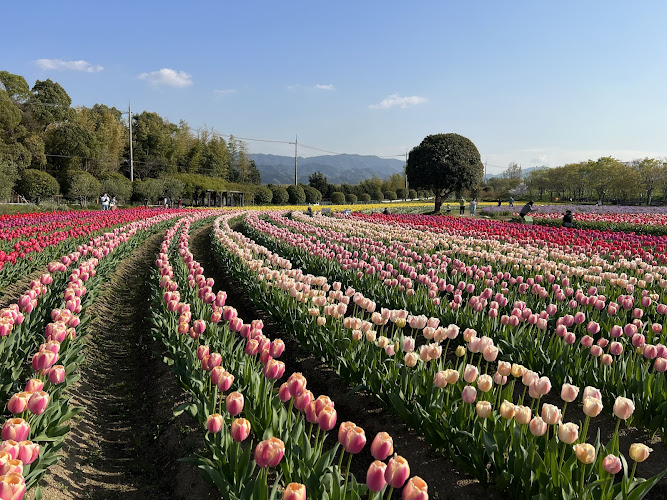
Izumi Recycle Environment Park
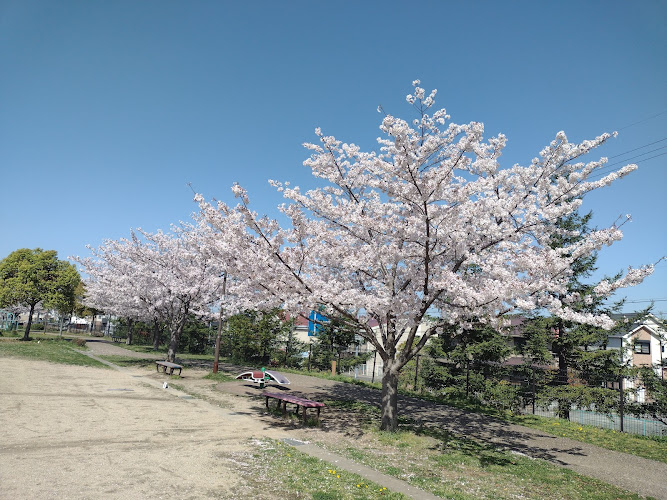
Kusunoki Park
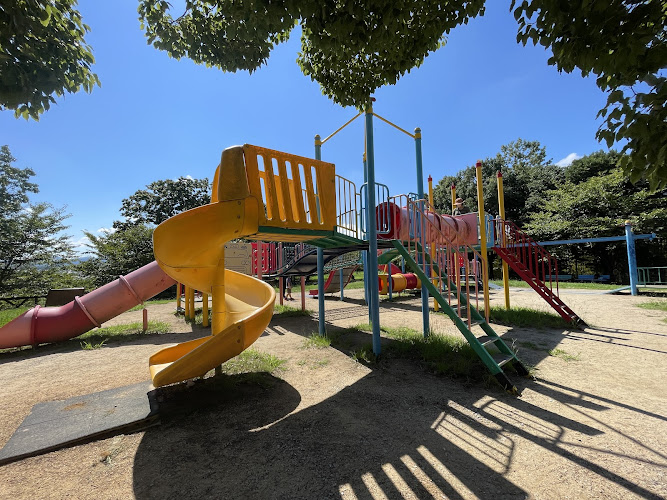
Miyanoue Park
Find Accommodations Nearby
Recommended Tours & Activities
Visitor Reviews
Share Your Experience