
Izumi Recycle Environment Park
About Izumi Recycle Environment Park
Description
You know, when I first heard about Izumi Recycle Environment Park, I honestly expected, well, a dreary landfill dressed up with a few trees. Boy, was I wrong. This place surprises you—sure, it’s a park on what used to be a landfill, but you’d never guess unless someone spilled the beans. Izumi Recycle Environment Park is a living, breathing example of how transformation can happen in both big and small ways. You stand on grounds that once held trash and now find yourself surrounded by flowers, sports fields, and laughter echoing off the play structures. It’s truly Osaka showing off its best side: creative, welcoming, and committed to sustainability.
What struck me most, honestly, is how much thought they’ve put into inclusivity. The entrance is wide and easily accessible for wheelchairs, not to mention the plenty of dedicated parking spaces for those who might need a bit more mobility support. Families, in particular, seem to love this place—kids dart between the upcycled playground gear and adults sprawled out at picnic tables, watching baseball games with half an eye while the aroma of fresh tulips wafts by in the spring.
The park isn’t flawless—I mean, you might spot a patch of grass past its prime or wish you’d brought extra water on a really hot day. Sometimes you’ll notice maintenance lagging behind a bit, but that’s normal with parks this size. But the way they’ve made something so inviting and positive out of a space most cities would avoid? Well, that’s impressive, and it gives the whole park this hopeful, can-do vibe. Let’s be honest, isn’t that what we all need a little more of these days?
Key Features
- Regenerated Green Space: The park’s main “wow” is that it sits on a reclaimed landfill. Walk the paths and you’re literally seeing new life on old land—pretty cool perspective, if you ask me.
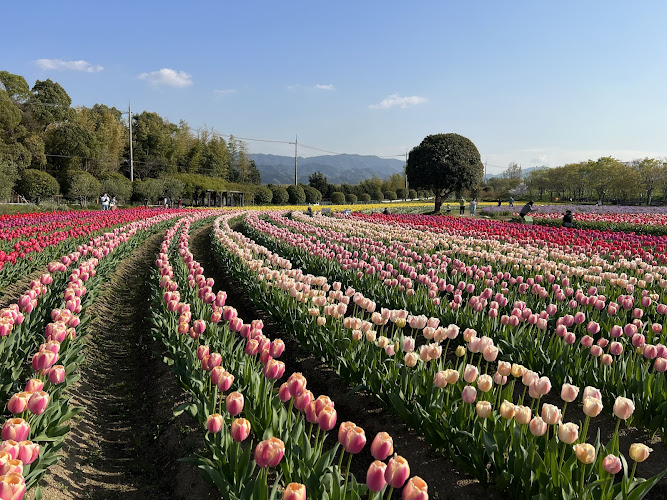
- Flower Farm (Tulips Galore): If you’re in Osaka anywhere near spring, the tulip displays are practically their own Instagram star. I saw whole rows—hundreds of blooms in every color possible. Don’t forget your camera.
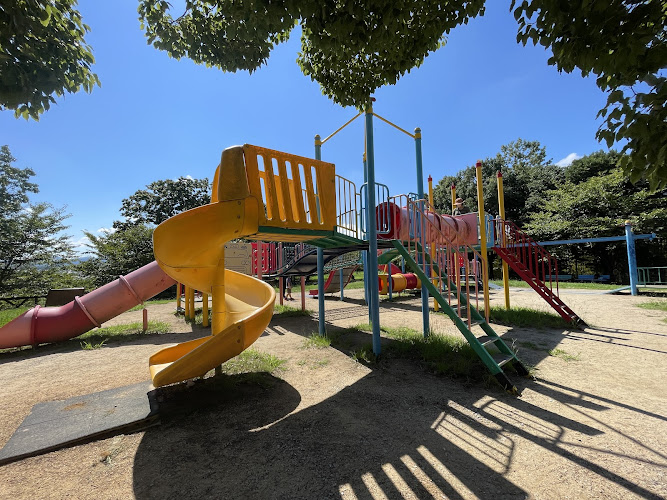
- Upcycled Play Equipment: Kids (and let’s be real, some parents) love clambering on playground gear made from recycled materials. It’s clever, it’s safe, and it fits the park’s theme perfectly.
- Baseball Field: On weekends, grab a spot in the shade and watch a local baseball or softball game. It gets lively, and you’ll feel like you’ve stepped into a true Japanese pastime.
- Sports Courts: You can try your luck with a basketball or a quick game of doubles. Locals are generally friendly and may wave you in. Don’t be shy.
- Wide Open Picnic Areas: Loads of tables mean you’ll actually find a spot even on busy days. I’ve seen groups spread out with everything from bento boxes to elaborate grills.
- Family-Friendly Restrooms: Clean (most of the time), with child-friendly and accessible stalls. More than once I’ve found myself grateful for the thoughtful layout.
- Easy Access for All: Ramps and level walkways mean everyone can enjoy the park—grandparents to toddlers and everyone in between.
Best Time to Visit
If you want the park at its absolute best, springtime is magic here. No exaggeration. The tulip farm puts on its big show and the whole place is suddenly a riot of color. April (sometimes late March, depending on Osaka weather, which let me tell you, can be a little unpredictable) is when the flowers really hit their stride. Photographers, families, and those of us who appreciate a good picnic flock here with cameras in hand and hay fever tablets in pocket.
That said, each season has its quirks and charm. Summer afternoons can get hot, but you’ll catch school teams on the baseball diamond and cold drinks in vending machines never taste better. Autumn also has a nice golden light, and the park is quieter—a little less bustle but just as much beauty. I wouldn’t recommend the dead of winter unless you love solitude; the park loses some of its luster and you’ll want to bundle up.
Weekends, especially during tulip season or big games, get crowded. But sometimes that’s the fun part. If you’re after peace and quiet, try for a weekday morning. You might find yourself with entire fields to wander and space to just... breathe. (A rare thing so close to Osaka’s urban sprawl!)
How to Get There
Let’s talk practicals, because I’ve made the trip more than once and it’s not nearly as tricky as you’d think from Osaka. If you’re driving, the parking’s straightforward—follow the signs, and you’ll find spaces near the (wheelchair accessible) entrance. I’ve never had trouble finding a spot except maybe on peak spring weekends. Quick pro tip: Arrive early for the best parking and easiest picnic table claim.
If public transport’s your game, Osaka’s network has you covered. From Namba, take the Nankai Main Line to Izumiotsu and catch a local bus or taxi for the last short hop. I walked it once—maybe 20-30 minutes if you don’t mind stretching your legs through local neighborhoods, though it’s not the most scenic route if you’re just here for the flowers and fresh air. Buses are reliable, as you’d expect from Japan, although schedules thin out a bit on Sundays and holidays, so double-check before you go.
Bikes are welcome too! In fact, local families roll up on two wheels all the time. You’ll find racks at the entrance so you don’t have to worry about your ride while you wander.
Tips for Visiting
I wish someone had given me half these tips before my first trip, so here you go—field-tested, honest-to-goodness advice:
- Pack your own snacks and drinks. There are some vending machines, sure, but food stalls are infrequent (and sometimes shut on quieter days). A bento, some onigiri, or even packet sandwiches will make your picnic way more satisfying.
- Sunscreen and hats are not optional. The park’s open layout means little natural shade. Trust me, even in spring, the sun can have a sneaky bite.
- Plan for the crowds during peak tulip season. Arrive early or visit later in the day if you want to avoid the selfie stick parade—you’ll thank yourself.
- Bring bug spray in summer. I learned this the hard way. If you’re planning to lounge in the grass, a quick spritz will stop unwanted company.
- Sports fans: bring your own equipment. The courts and fields are accessible, but you’ll need your own balls, bats, and so on.
- Check the weather before heading out. After heavy rain, paths can be muddy, especially around the flower beds.
- Respect the recycling ethos. There are bins everywhere—do your part and sort your trash. It’s the least we can do, right?
- Wheelchair/Stroller users: You’ll have a smooth go—everything’s accessible (though some grassy patches can be tricky after rain, just like any park).
- Photography lovers: Early morning or golden hour gets you the best shots, with soft light that makes the tulips really sing.
And maybe this isn’t a tip so much as a reminder: Give yourself time to just... wander. Don’t rush. Sit with a book under the open sky, watch a stray baseball, or marvel at how a landfill became a local gem. We could all use a little more of that sort of magic in our lives.
Key Features
- Key Features
- Best Time to Visit
- How to Get There
- Tips for Visiting
More Details
Updated July 2, 2025
Table of Contents
Description
You know, when I first heard about Izumi Recycle Environment Park, I honestly expected, well, a dreary landfill dressed up with a few trees. Boy, was I wrong. This place surprises you—sure, it’s a park on what used to be a landfill, but you’d never guess unless someone spilled the beans. Izumi Recycle Environment Park is a living, breathing example of how transformation can happen in both big and small ways. You stand on grounds that once held trash and now find yourself surrounded by flowers, sports fields, and laughter echoing off the play structures. It’s truly Osaka showing off its best side: creative, welcoming, and committed to sustainability.
What struck me most, honestly, is how much thought they’ve put into inclusivity. The entrance is wide and easily accessible for wheelchairs, not to mention the plenty of dedicated parking spaces for those who might need a bit more mobility support. Families, in particular, seem to love this place—kids dart between the upcycled playground gear and adults sprawled out at picnic tables, watching baseball games with half an eye while the aroma of fresh tulips wafts by in the spring.
The park isn’t flawless—I mean, you might spot a patch of grass past its prime or wish you’d brought extra water on a really hot day. Sometimes you’ll notice maintenance lagging behind a bit, but that’s normal with parks this size. But the way they’ve made something so inviting and positive out of a space most cities would avoid? Well, that’s impressive, and it gives the whole park this hopeful, can-do vibe. Let’s be honest, isn’t that what we all need a little more of these days?
Key Features
- Regenerated Green Space: The park’s main “wow” is that it sits on a reclaimed landfill. Walk the paths and you’re literally seeing new life on old land—pretty cool perspective, if you ask me.
- Flower Farm (Tulips Galore): If you’re in Osaka anywhere near spring, the tulip displays are practically their own Instagram star. I saw whole rows—hundreds of blooms in every color possible. Don’t forget your camera.
- Upcycled Play Equipment: Kids (and let’s be real, some parents) love clambering on playground gear made from recycled materials. It’s clever, it’s safe, and it fits the park’s theme perfectly.
- Baseball Field: On weekends, grab a spot in the shade and watch a local baseball or softball game. It gets lively, and you’ll feel like you’ve stepped into a true Japanese pastime.
- Sports Courts: You can try your luck with a basketball or a quick game of doubles. Locals are generally friendly and may wave you in. Don’t be shy.
- Wide Open Picnic Areas: Loads of tables mean you’ll actually find a spot even on busy days. I’ve seen groups spread out with everything from bento boxes to elaborate grills.
- Family-Friendly Restrooms: Clean (most of the time), with child-friendly and accessible stalls. More than once I’ve found myself grateful for the thoughtful layout.
- Easy Access for All: Ramps and level walkways mean everyone can enjoy the park—grandparents to toddlers and everyone in between.
Best Time to Visit
If you want the park at its absolute best, springtime is magic here. No exaggeration. The tulip farm puts on its big show and the whole place is suddenly a riot of color. April (sometimes late March, depending on Osaka weather, which let me tell you, can be a little unpredictable) is when the flowers really hit their stride. Photographers, families, and those of us who appreciate a good picnic flock here with cameras in hand and hay fever tablets in pocket.
That said, each season has its quirks and charm. Summer afternoons can get hot, but you’ll catch school teams on the baseball diamond and cold drinks in vending machines never taste better. Autumn also has a nice golden light, and the park is quieter—a little less bustle but just as much beauty. I wouldn’t recommend the dead of winter unless you love solitude; the park loses some of its luster and you’ll want to bundle up.
Weekends, especially during tulip season or big games, get crowded. But sometimes that’s the fun part. If you’re after peace and quiet, try for a weekday morning. You might find yourself with entire fields to wander and space to just… breathe. (A rare thing so close to Osaka’s urban sprawl!)
How to Get There
Let’s talk practicals, because I’ve made the trip more than once and it’s not nearly as tricky as you’d think from Osaka. If you’re driving, the parking’s straightforward—follow the signs, and you’ll find spaces near the (wheelchair accessible) entrance. I’ve never had trouble finding a spot except maybe on peak spring weekends. Quick pro tip: Arrive early for the best parking and easiest picnic table claim.
If public transport’s your game, Osaka’s network has you covered. From Namba, take the Nankai Main Line to Izumiotsu and catch a local bus or taxi for the last short hop. I walked it once—maybe 20-30 minutes if you don’t mind stretching your legs through local neighborhoods, though it’s not the most scenic route if you’re just here for the flowers and fresh air. Buses are reliable, as you’d expect from Japan, although schedules thin out a bit on Sundays and holidays, so double-check before you go.
Bikes are welcome too! In fact, local families roll up on two wheels all the time. You’ll find racks at the entrance so you don’t have to worry about your ride while you wander.
Tips for Visiting
I wish someone had given me half these tips before my first trip, so here you go—field-tested, honest-to-goodness advice:
- Pack your own snacks and drinks. There are some vending machines, sure, but food stalls are infrequent (and sometimes shut on quieter days). A bento, some onigiri, or even packet sandwiches will make your picnic way more satisfying.
- Sunscreen and hats are not optional. The park’s open layout means little natural shade. Trust me, even in spring, the sun can have a sneaky bite.
- Plan for the crowds during peak tulip season. Arrive early or visit later in the day if you want to avoid the selfie stick parade—you’ll thank yourself.
- Bring bug spray in summer. I learned this the hard way. If you’re planning to lounge in the grass, a quick spritz will stop unwanted company.
- Sports fans: bring your own equipment. The courts and fields are accessible, but you’ll need your own balls, bats, and so on.
- Check the weather before heading out. After heavy rain, paths can be muddy, especially around the flower beds.
- Respect the recycling ethos. There are bins everywhere—do your part and sort your trash. It’s the least we can do, right?
- Wheelchair/Stroller users: You’ll have a smooth go—everything’s accessible (though some grassy patches can be tricky after rain, just like any park).
- Photography lovers: Early morning or golden hour gets you the best shots, with soft light that makes the tulips really sing.
And maybe this isn’t a tip so much as a reminder: Give yourself time to just… wander. Don’t rush. Sit with a book under the open sky, watch a stray baseball, or marvel at how a landfill became a local gem. We could all use a little more of that sort of magic in our lives.
Key Highlights
- Key Features
- Best Time to Visit
- How to Get There
- Tips for Visiting
Location
Places to Stay Near Izumi Recycle Environment Park
Find and Book a Tour
Explore More Travel Guides
No reviews found! Be the first to review!
Traveler Reviews for Izumi Recycle Environment Park
There are no reviews yet. Be the first one to write one.
Have you visited Izumi Recycle Environment Park? Help other travelers by sharing your review.
You Might Also Like
Kusunoki Park
Miyanoue Park

Ikegami-Sone Archaeological Park
Find Accommodations Nearby
Recommended Tours & Activities
Visitor Reviews
There are no reviews yet. Be the first one to write one.
Share Your Experience
Have you visited Izumi Recycle Environment Park? Help other travelers by leaving a review.