
Oktoberfest of Blumenau
About Oktoberfest of Blumenau
Description
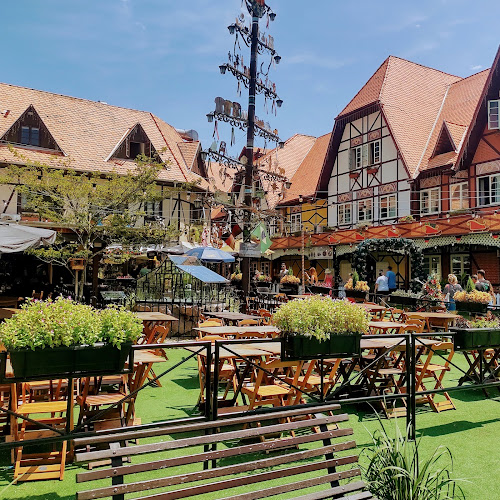
The Oktoberfest of Blumenau isn’t just a party, it’s a full-on cultural moment that kind of sneaks up on you and then refuses to let go. Held every October in Blumenau, a city in southern Brazil with deep German roots, this festival has grown into the second-largest Oktoberfest in the world, right after Munich. And yes, that still blows my mind a bit. Brazil isn’t the first place people think of when they hear lederhosen and brass bands, but once you’re there, it all makes weird and wonderful sense. The event started back in 1984, partly as a way to lift community spirits after a major flood. That origin story matters, because you can still feel that sense of collective pride and resilience in the air. People aren’t just drinking beer. They’re celebrating survival, heritage, and honestly, the joy of being together. The main festivities take place at Parque Vila Germânica, a purpose-built venue that feels like a mini Bavarian village dropped into Brazil, with timber-style buildings, massive beer halls, and open plazas where music spills out in all directions. Expect a lot of beer. Like, a lot. Draft beer is the star here, mostly Brazilian takes on German styles, though you’ll find purists debating the finer points with surprising seriousness. But the festival isn’t only about alcohol. Families come early in the day, kids running around in traditional outfits, grandparents tapping their feet to polka rhythms. And then the night crowd rolls in, louder, messier, but still mostly good-natured. I’ve been to festivals where things tip into chaos fast; Blumenau somehow keeps it mostly in check. Mostly. Food is another unsung hero. Think sausages, pork knuckles, pretzels the size of your face, plus Brazilian twists that shouldn’t work but absolutely do. And between bites, there’s always music. Live bands, folk dancers, oompah rhythms mixed with Brazilian flair. It’s not some sterile reenactment. It’s alive, evolving, and sometimes a little rough around the edges, which honestly makes it better.Key Features
- One of the largest Oktoberfest celebrations globally, drawing hundreds of thousands of visitors each year
- Massive event venue with multiple beer halls, outdoor stages, and themed areas
- Strong German-Brazilian cultural presence, from traditional clothing to folk music
- Wide selection of draft beers, including local breweries and classic styles
- Traditional German food alongside regional Brazilian specialties
- Daily parades through the city featuring floats, bands, and performers
- Family-friendly hours earlier in the day, with a more adult atmosphere at night
- Wheelchair-accessible entrances, restrooms, and parking areas
- Multiple payment options accepted, including cards and mobile payments
- On-site restrooms, changing tables, and varied parking options nearby
Best Time to Visit
October is non-negotiable. The festival usually runs for about two and a half weeks, starting in early October and ending toward the end of the month. But timing within that window really matters. Weekends are wild. Like, shoulder-to-shoulder, singing-with-strangers wild. If that’s your thing, great. You’ll probably leave hoarse and happy. But if you prefer actually being able to walk without spilling your beer (or someone else’s), weekday evenings are gold. Early evenings, especially Monday to Wednesday, offer a sweet spot. The energy is still there, bands are playing, but you can breathe. Families tend to come earlier in the day, so if you’re traveling with kids or just want a calmer vibe, afternoons are surprisingly pleasant. I once wandered in around 4 pm on a Tuesday, expecting nothing much, and ended up staying for hours because it felt so… human. People chatting, laughing, not rushing. Weather-wise, October in Blumenau is warm and humid, with occasional rain. Bring light clothes, but don’t ignore the possibility of a downpour. Locals barely flinch at rain, by the way. The party goes on. Just maybe skip suede shoes. Learned that the hard way.How to Get There
Blumenau is located in the state of Santa Catarina, in southern Brazil. The nearest major airport is in Navegantes, about an hour away by car, depending on traffic and your driver’s enthusiasm. From the airport, travelers can rent a car, book a transfer, or use long-distance buses that connect the region pretty efficiently. Brazilian bus travel is underrated, honestly. Comfortable seats, decent prices, and surprisingly punctual. If you’re coming from bigger cities like São Paulo or Curitiba, flying saves time, but overnight buses are an option if you’re on a budget or just enjoy watching the landscape roll by. Once in Blumenau, getting around is fairly straightforward. During Oktoberfest, public transport schedules are adjusted, and there are special routes to the festival grounds. Ride-shares and taxis are plentiful, though surge pricing can sneak up on you late at night. Driving your own car is doable, but parking near the venue fills up fast. There are free and paid options around, but patience is required. And maybe a sense of humor. Traffic during peak festival nights is… an experience.Tips for Visiting
First tip: pace yourself. This isn’t a sprint. With so many days and so much beer, it’s tempting to go all in on night one. Don’t. Or do, but don’t say you weren’t warned. The locals know how to enjoy the festival over time, and there’s wisdom in that. Dress the part if you want. Traditional outfits aren’t mandatory, but they’re fun, and you won’t feel silly wearing them. In fact, you might feel underdressed if you don’t. That said, comfort beats authenticity at midnight when your feet hurt. Choose wisely. Cash isn’t king here. Cards and mobile payments are widely accepted, which is convenient and safer. Still, keep an eye on your tab. It adds up faster than you think. Beer sizes are generous, and enthusiasm clouds math skills. Eat. Seriously. Don’t skip meals. The food isn’t just filler; it’s part of the experience, and it helps keep things balanced. I’ve seen too many people ignore this advice and fade early. Tragic. If accessibility matters to you or someone you’re traveling with, the festival does a solid job. Ramps, accessible restrooms, and parking are available, though crowds can make navigation slower. Going earlier in the day helps. Be respectful. This sounds obvious, but when alcohol and big crowds mix, lines blur. Blumenau’s Oktoberfest has a friendly reputation because most people look out for each other. Join that energy. Sing along even if you don’t know the words. Laugh at yourself. It’s that kind of place. And finally, give yourself time beyond the festival. Blumenau itself is worth exploring, with its rivers, architecture, and laid-back cafés. Oktoberfest might be the headline, but the city is the story underneath. And once you’ve danced, eaten, and toasted your way through the festival, a quiet morning coffee in town feels like the perfect epilogue.Key Features
- One of the largest Oktoberfest celebrations globally, drawing hundreds of thousands of visitors each year
- Massive event venue with multiple beer halls, outdoor stages, and themed areas
- Strong German-Brazilian cultural presence, from traditional clothing to folk music
- Wide selection of draft beers, including local breweries and classic styles
- Traditional German food alongside regional Brazilian specialties
- Daily parades through the city featuring floats, bands, and performers
- Family-friendly hours earlier in the day, with a more adult atmosphere at night
- Wheelchair-accessible entrances, restrooms, and parking areas
More Details
Updated December 31, 2025
Table of Contents
Description
The Oktoberfest of Blumenau isn’t just a party, it’s a full-on cultural moment that kind of sneaks up on you and then refuses to let go. Held every October in Blumenau, a city in southern Brazil with deep German roots, this festival has grown into the second-largest Oktoberfest in the world, right after Munich. And yes, that still blows my mind a bit. Brazil isn’t the first place people think of when they hear lederhosen and brass bands, but once you’re there, it all makes weird and wonderful sense.
The event started back in 1984, partly as a way to lift community spirits after a major flood. That origin story matters, because you can still feel that sense of collective pride and resilience in the air. People aren’t just drinking beer. They’re celebrating survival, heritage, and honestly, the joy of being together. The main festivities take place at Parque Vila Germânica, a purpose-built venue that feels like a mini Bavarian village dropped into Brazil, with timber-style buildings, massive beer halls, and open plazas where music spills out in all directions.
Expect a lot of beer. Like, a lot. Draft beer is the star here, mostly Brazilian takes on German styles, though you’ll find purists debating the finer points with surprising seriousness. But the festival isn’t only about alcohol. Families come early in the day, kids running around in traditional outfits, grandparents tapping their feet to polka rhythms. And then the night crowd rolls in, louder, messier, but still mostly good-natured. I’ve been to festivals where things tip into chaos fast; Blumenau somehow keeps it mostly in check. Mostly.
Food is another unsung hero. Think sausages, pork knuckles, pretzels the size of your face, plus Brazilian twists that shouldn’t work but absolutely do. And between bites, there’s always music. Live bands, folk dancers, oompah rhythms mixed with Brazilian flair. It’s not some sterile reenactment. It’s alive, evolving, and sometimes a little rough around the edges, which honestly makes it better.
Key Features
- One of the largest Oktoberfest celebrations globally, drawing hundreds of thousands of visitors each year
- Massive event venue with multiple beer halls, outdoor stages, and themed areas
- Strong German-Brazilian cultural presence, from traditional clothing to folk music
- Wide selection of draft beers, including local breweries and classic styles
- Traditional German food alongside regional Brazilian specialties
- Daily parades through the city featuring floats, bands, and performers
- Family-friendly hours earlier in the day, with a more adult atmosphere at night
- Wheelchair-accessible entrances, restrooms, and parking areas
- Multiple payment options accepted, including cards and mobile payments
- On-site restrooms, changing tables, and varied parking options nearby
Best Time to Visit
October is non-negotiable. The festival usually runs for about two and a half weeks, starting in early October and ending toward the end of the month. But timing within that window really matters. Weekends are wild. Like, shoulder-to-shoulder, singing-with-strangers wild. If that’s your thing, great. You’ll probably leave hoarse and happy. But if you prefer actually being able to walk without spilling your beer (or someone else’s), weekday evenings are gold.
Early evenings, especially Monday to Wednesday, offer a sweet spot. The energy is still there, bands are playing, but you can breathe. Families tend to come earlier in the day, so if you’re traveling with kids or just want a calmer vibe, afternoons are surprisingly pleasant. I once wandered in around 4 pm on a Tuesday, expecting nothing much, and ended up staying for hours because it felt so… human. People chatting, laughing, not rushing.
Weather-wise, October in Blumenau is warm and humid, with occasional rain. Bring light clothes, but don’t ignore the possibility of a downpour. Locals barely flinch at rain, by the way. The party goes on. Just maybe skip suede shoes. Learned that the hard way.
How to Get There
Blumenau is located in the state of Santa Catarina, in southern Brazil. The nearest major airport is in Navegantes, about an hour away by car, depending on traffic and your driver’s enthusiasm. From the airport, travelers can rent a car, book a transfer, or use long-distance buses that connect the region pretty efficiently. Brazilian bus travel is underrated, honestly. Comfortable seats, decent prices, and surprisingly punctual.
If you’re coming from bigger cities like São Paulo or Curitiba, flying saves time, but overnight buses are an option if you’re on a budget or just enjoy watching the landscape roll by. Once in Blumenau, getting around is fairly straightforward. During Oktoberfest, public transport schedules are adjusted, and there are special routes to the festival grounds. Ride-shares and taxis are plentiful, though surge pricing can sneak up on you late at night.
Driving your own car is doable, but parking near the venue fills up fast. There are free and paid options around, but patience is required. And maybe a sense of humor. Traffic during peak festival nights is… an experience.
Tips for Visiting
First tip: pace yourself. This isn’t a sprint. With so many days and so much beer, it’s tempting to go all in on night one. Don’t. Or do, but don’t say you weren’t warned. The locals know how to enjoy the festival over time, and there’s wisdom in that.
Dress the part if you want. Traditional outfits aren’t mandatory, but they’re fun, and you won’t feel silly wearing them. In fact, you might feel underdressed if you don’t. That said, comfort beats authenticity at midnight when your feet hurt. Choose wisely.
Cash isn’t king here. Cards and mobile payments are widely accepted, which is convenient and safer. Still, keep an eye on your tab. It adds up faster than you think. Beer sizes are generous, and enthusiasm clouds math skills.
Eat. Seriously. Don’t skip meals. The food isn’t just filler; it’s part of the experience, and it helps keep things balanced. I’ve seen too many people ignore this advice and fade early. Tragic.
If accessibility matters to you or someone you’re traveling with, the festival does a solid job. Ramps, accessible restrooms, and parking are available, though crowds can make navigation slower. Going earlier in the day helps.
Be respectful. This sounds obvious, but when alcohol and big crowds mix, lines blur. Blumenau’s Oktoberfest has a friendly reputation because most people look out for each other. Join that energy. Sing along even if you don’t know the words. Laugh at yourself. It’s that kind of place.
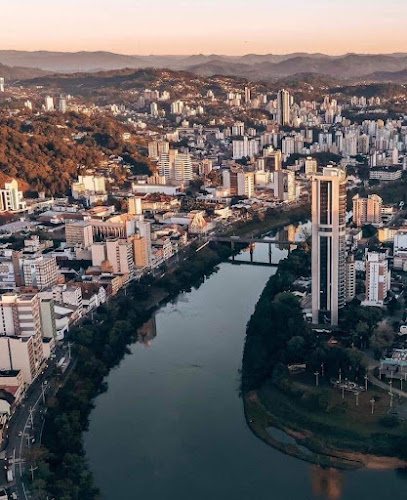
And finally, give yourself time beyond the festival. Blumenau itself is worth exploring, with its rivers, architecture, and laid-back cafés. Oktoberfest might be the headline, but the city is the story underneath. And once you’ve danced, eaten, and toasted your way through the festival, a quiet morning coffee in town feels like the perfect epilogue.
Key Highlights
- One of the largest Oktoberfest celebrations globally, drawing hundreds of thousands of visitors each year
- Massive event venue with multiple beer halls, outdoor stages, and themed areas
- Strong German-Brazilian cultural presence, from traditional clothing to folk music
- Wide selection of draft beers, including local breweries and classic styles
- Traditional German food alongside regional Brazilian specialties
- Daily parades through the city featuring floats, bands, and performers
- Family-friendly hours earlier in the day, with a more adult atmosphere at night
- Wheelchair-accessible entrances, restrooms, and parking areas
Location
Places to Stay Near Oktoberfest of Blumenau
Find and Book a Tour
Explore More Travel Guides
No reviews found! Be the first to review!
Traveler Reviews for Oktoberfest of Blumenau
There are no reviews yet. Be the first one to write one.
Have you visited Oktoberfest of Blumenau? Help other travelers by sharing your review.
You Might Also Like
R. XV de Novembro, 1237 - Centro
Monumento Olavo Bilac, Av. Presidente Castelo Branco, 1185, Blumenau - SC
Blumenau
Find Accommodations Nearby
Recommended Tours & Activities
Visitor Reviews
There are no reviews yet. Be the first one to write one.
Share Your Experience
Have you visited Oktoberfest of Blumenau? Help other travelers by leaving a review.