
Blumenau
About Blumenau
Description
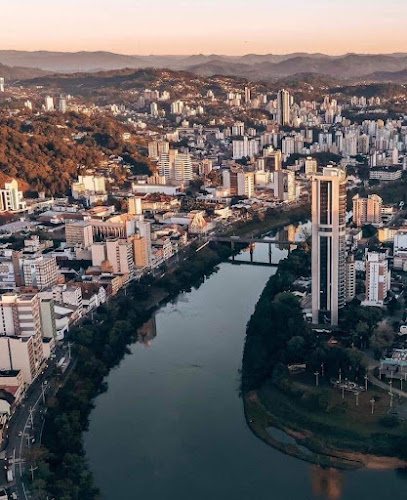
Blumenau sits in southern Brazil, and it kind of messes with your expectations in the best way possible. You arrive thinking Brazil equals beaches, samba, and flip-flops, and suddenly you’re staring at half-timbered houses straight out of a German storybook. It’s not Disneyland-fake either. This place is the result of real immigration, real history, and generations of people holding onto traditions while still being very Brazilian. And honestly, that tension is what makes Blumenau so interesting.
The heart of the city runs along Rua XV de Novembro, a wide avenue where the architecture leans heavily German, especially near the historic core. This is where the Oktoberfest parade rolls through every year, and even outside festival season you can picture it—marching bands, traditional outfits, and beer steins held dangerously high. At one end of the street sits the Beer Museum, small but packed with brewing equipment and stories that explain why Blumenau takes beer very seriously. I remember thinking it would be a quick stop and staying way longer than planned, mostly because the exhibits feel personal, like someone’s proud grandfather curated them.
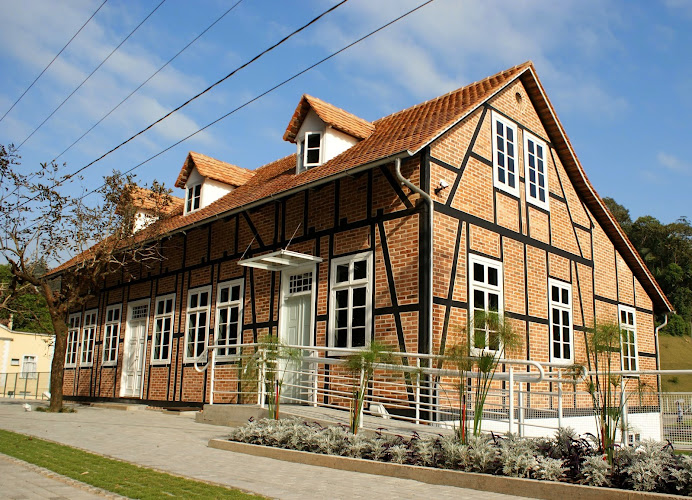
Blumenau isn’t just about beer and festivals though. The city has a strong industrial backbone, especially textiles. The Hering Museum dives into the history of one of Brazil’s most iconic clothing brands, founded right here. Even if fashion isn’t your thing, it’s fascinating to see how a family business helped shape an entire city. And yes, you’ll probably leave with new respect for a simple cotton T-shirt.
Head north and the city starts to thin out into Itoupava Village, a rural area that still preserves farming traditions brought over by German immigrants. It feels slower there. Chickens wandering, old houses with flower boxes, and people who wave at you even if they don’t know you. It’s the kind of place where time stretches a bit, and that’s not a bad thing.
Blumenau is not polished in a glossy-tourism way. Some parts feel messy, others feel oddly quiet. But that’s real life, and travelers who like places with personality tend to fall hard for it.
Key Features
- German-inspired architecture along XV de Novembro Street that actually reflects lived history, not just decoration
- Oktoberfest Blumenau, one of the largest beer festivals outside Germany, with parades, music, and serious beer culture
- The Beer Museum, showcasing original brewing equipment and the city’s long relationship with beer
- Hering Museum, telling the story of a clothing brand that became a national name
- Itoupava Village, a rural area preserving German immigrant traditions and farming life
- A food scene influenced by German recipes mixed with Brazilian flavors, sometimes in surprising ways
- Walkable central areas that encourage slow exploration and people-watching
Best Time to Visit
If you’re aiming for Oktoberfest, you already know the answer: October. But be warned, the city fills up fast. Hotels sell out, streets get crowded, and things get loud. Fun loud, but still loud. If you love festivals, costumes, and beer flowing like water, it’s worth the chaos. I went once during Oktoberfest and slept terribly, smiled constantly, and ate more sausage than I care to admit.
But here’s my honest take: visiting just before or after Oktoberfest can be even better. Late September or early November still has a festive vibe without the shoulder-to-shoulder crowds. The weather is usually mild, warm during the day and cooler at night, perfect for walking around without melting.
Outside of festival season, Blumenau feels calmer and more local. March to May and August to early September are solid choices. Summers can get hot and humid, and heavy rains aren’t uncommon. This region has had flooding issues in the past, something locals are very aware of, so checking weather forecasts matters more here than in some other cities.
Winter, from June to July, brings cooler temperatures. Not cold-cold, but enough for locals to break out jackets and scarves. It’s actually kind of charming to see Brazilians bundle up at 15°C. And the cooler air makes beer tasting even better, if you ask me.
How to Get There
Blumenau doesn’t have its own major airport, which surprises some travelers. Most people fly into Navegantes International Airport, about an hour away by car. From there, you can rent a car, take a bus, or arrange a transfer. The drive is straightforward, passing through green hills and small towns that hint at what’s coming.
If you’re already in southern Brazil, long-distance buses are reliable and affordable. I’ve taken buses in this region and, while they’re not glamorous, they’re comfortable enough and usually on time. Blumenau’s bus terminal is well-connected to cities like Florianópolis and Curitiba.
Driving gives you the most flexibility, especially if you want to explore surrounding villages like Itoupava or nearby towns in the Itajaí Valley. Roads are generally decent, but during heavy rain they can get tricky. And yes, GPS sometimes gets confused in older neighborhoods, so a bit of patience helps.
Tips for Visiting
First tip: don’t rush it. Blumenau rewards slow travelers. Give yourself time to walk the streets, sit in cafés, and watch daily life unfold. Some of my favorite moments were unplanned, like stumbling into a small bakery selling German-style bread that tasted way too good for something so simple.
Try the local food beyond the obvious sausages. There’s a mix of German and Brazilian dishes that doesn’t always get attention. And if you see something unfamiliar on the menu, order it. Worst case, it’s just okay. Best case, you’ll be thinking about it weeks later.
If you visit museums, go in with curiosity rather than expectations. They’re not massive, high-tech spaces. They feel intimate and sometimes a bit old-school, which I actually liked. It feels like listening to someone tell you their family story instead of reading a textbook.
Bring comfortable shoes. The central area is walkable, but you’ll do a lot of standing, strolling, and stopping. And during festivals, you’ll be on your feet more than you expect.
Learn a few basic Portuguese phrases. While some locals speak German or English, Portuguese is king. Even a simple bom dia goes a long way. People here appreciate the effort, and you’ll notice warmer interactions because of it.
Be mindful of weather warnings. Heavy rain can change plans quickly. Locals are used to adapting, and you should be too. Keep plans flexible and have indoor options in mind.
Lastly, talk to people. Blumenau residents are proud of their city, and once you get them chatting, they’ll share tips you won’t find in any guide. One local once redirected my entire afternoon plan, insisting I visit a small neighborhood café. He was right. It ended up being the highlight of my day.
Blumenau isn’t loud about its charm. It doesn’t scream for attention. But if you give it time, it slowly wins you over. And that kind of place tends to stick with you long after you’ve left.
Key Features
- German-inspired architecture along XV de Novembro Street that actually reflects lived history, not just decoration
- Oktoberfest Blumenau, one of the largest beer festivals outside Germany, with parades, music, and serious beer culture
- The Beer Museum, showcasing original brewing equipment and the city’s long relationship with beer
- Hering Museum, telling the story of a clothing brand that became a national name
- Itoupava Village, a rural area preserving German immigrant traditions and farming life
- A food scene influenced by German recipes mixed with Brazilian flavors, sometimes in surprising ways
- Walkable central areas that encourage slow exploration and people-watching
More Details
Updated December 31, 2025
Table of Contents
Description
Blumenau sits in southern Brazil, and it kind of messes with your expectations in the best way possible. You arrive thinking Brazil equals beaches, samba, and flip-flops, and suddenly you’re staring at half-timbered houses straight out of a German storybook. It’s not Disneyland-fake either. This place is the result of real immigration, real history, and generations of people holding onto traditions while still being very Brazilian. And honestly, that tension is what makes Blumenau so interesting.
The heart of the city runs along Rua XV de Novembro, a wide avenue where the architecture leans heavily German, especially near the historic core. This is where the Oktoberfest parade rolls through every year, and even outside festival season you can picture it—marching bands, traditional outfits, and beer steins held dangerously high. At one end of the street sits the Beer Museum, small but packed with brewing equipment and stories that explain why Blumenau takes beer very seriously. I remember thinking it would be a quick stop and staying way longer than planned, mostly because the exhibits feel personal, like someone’s proud grandfather curated them.
Blumenau isn’t just about beer and festivals though. The city has a strong industrial backbone, especially textiles. The Hering Museum dives into the history of one of Brazil’s most iconic clothing brands, founded right here. Even if fashion isn’t your thing, it’s fascinating to see how a family business helped shape an entire city. And yes, you’ll probably leave with new respect for a simple cotton T-shirt.
Head north and the city starts to thin out into Itoupava Village, a rural area that still preserves farming traditions brought over by German immigrants. It feels slower there. Chickens wandering, old houses with flower boxes, and people who wave at you even if they don’t know you. It’s the kind of place where time stretches a bit, and that’s not a bad thing.
Blumenau is not polished in a glossy-tourism way. Some parts feel messy, others feel oddly quiet. But that’s real life, and travelers who like places with personality tend to fall hard for it.
Key Features
- German-inspired architecture along XV de Novembro Street that actually reflects lived history, not just decoration
- Oktoberfest Blumenau, one of the largest beer festivals outside Germany, with parades, music, and serious beer culture
- The Beer Museum, showcasing original brewing equipment and the city’s long relationship with beer
- Hering Museum, telling the story of a clothing brand that became a national name
- Itoupava Village, a rural area preserving German immigrant traditions and farming life
- A food scene influenced by German recipes mixed with Brazilian flavors, sometimes in surprising ways
- Walkable central areas that encourage slow exploration and people-watching
Best Time to Visit
If you’re aiming for Oktoberfest, you already know the answer: October. But be warned, the city fills up fast. Hotels sell out, streets get crowded, and things get loud. Fun loud, but still loud. If you love festivals, costumes, and beer flowing like water, it’s worth the chaos. I went once during Oktoberfest and slept terribly, smiled constantly, and ate more sausage than I care to admit.
But here’s my honest take: visiting just before or after Oktoberfest can be even better. Late September or early November still has a festive vibe without the shoulder-to-shoulder crowds. The weather is usually mild, warm during the day and cooler at night, perfect for walking around without melting.
Outside of festival season, Blumenau feels calmer and more local. March to May and August to early September are solid choices. Summers can get hot and humid, and heavy rains aren’t uncommon. This region has had flooding issues in the past, something locals are very aware of, so checking weather forecasts matters more here than in some other cities.
Winter, from June to July, brings cooler temperatures. Not cold-cold, but enough for locals to break out jackets and scarves. It’s actually kind of charming to see Brazilians bundle up at 15°C. And the cooler air makes beer tasting even better, if you ask me.
How to Get There
Blumenau doesn’t have its own major airport, which surprises some travelers. Most people fly into Navegantes International Airport, about an hour away by car. From there, you can rent a car, take a bus, or arrange a transfer. The drive is straightforward, passing through green hills and small towns that hint at what’s coming.
If you’re already in southern Brazil, long-distance buses are reliable and affordable. I’ve taken buses in this region and, while they’re not glamorous, they’re comfortable enough and usually on time. Blumenau’s bus terminal is well-connected to cities like Florianópolis and Curitiba.
Driving gives you the most flexibility, especially if you want to explore surrounding villages like Itoupava or nearby towns in the Itajaí Valley. Roads are generally decent, but during heavy rain they can get tricky. And yes, GPS sometimes gets confused in older neighborhoods, so a bit of patience helps.
Tips for Visiting
First tip: don’t rush it. Blumenau rewards slow travelers. Give yourself time to walk the streets, sit in cafés, and watch daily life unfold. Some of my favorite moments were unplanned, like stumbling into a small bakery selling German-style bread that tasted way too good for something so simple.
Try the local food beyond the obvious sausages. There’s a mix of German and Brazilian dishes that doesn’t always get attention. And if you see something unfamiliar on the menu, order it. Worst case, it’s just okay. Best case, you’ll be thinking about it weeks later.
If you visit museums, go in with curiosity rather than expectations. They’re not massive, high-tech spaces. They feel intimate and sometimes a bit old-school, which I actually liked. It feels like listening to someone tell you their family story instead of reading a textbook.
Bring comfortable shoes. The central area is walkable, but you’ll do a lot of standing, strolling, and stopping. And during festivals, you’ll be on your feet more than you expect.
Learn a few basic Portuguese phrases. While some locals speak German or English, Portuguese is king. Even a simple bom dia goes a long way. People here appreciate the effort, and you’ll notice warmer interactions because of it.
Be mindful of weather warnings. Heavy rain can change plans quickly. Locals are used to adapting, and you should be too. Keep plans flexible and have indoor options in mind.
Lastly, talk to people. Blumenau residents are proud of their city, and once you get them chatting, they’ll share tips you won’t find in any guide. One local once redirected my entire afternoon plan, insisting I visit a small neighborhood café. He was right. It ended up being the highlight of my day.
Blumenau isn’t loud about its charm. It doesn’t scream for attention. But if you give it time, it slowly wins you over. And that kind of place tends to stick with you long after you’ve left.
Key Highlights
- German-inspired architecture along XV de Novembro Street that actually reflects lived history, not just decoration
- Oktoberfest Blumenau, one of the largest beer festivals outside Germany, with parades, music, and serious beer culture
- The Beer Museum, showcasing original brewing equipment and the city’s long relationship with beer
- Hering Museum, telling the story of a clothing brand that became a national name
- Itoupava Village, a rural area preserving German immigrant traditions and farming life
- A food scene influenced by German recipes mixed with Brazilian flavors, sometimes in surprising ways
- Walkable central areas that encourage slow exploration and people-watching
Location
Places to Stay Near Blumenau
Find and Book a Tour
Explore More Travel Guides
No reviews found! Be the first to review!
Traveler Reviews for Blumenau
There are no reviews yet. Be the first one to write one.
Have you visited Blumenau? Help other travelers by sharing your review.
You Might Also Like
Catedral São Paulo Apóstolo
Hort-site Green Park Spitz Kopf
Museu Hering
Find Accommodations Nearby
Recommended Tours & Activities
Visitor Reviews
There are no reviews yet. Be the first one to write one.
Share Your Experience
Have you visited Blumenau? Help other travelers by leaving a review.