About Obelisco

Description

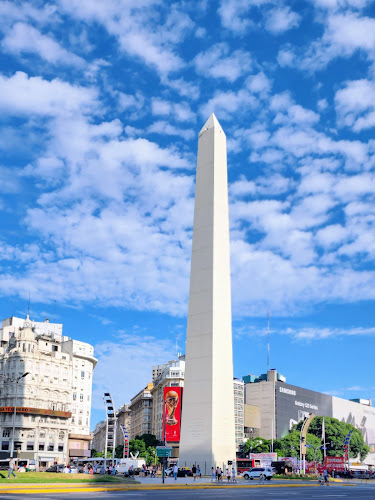
Standing proudly at the intersection of Buenos Aires' busiest avenues, the Obelisco has become more than just a monument—it's practically the heartbeat of Argentina's capital city. When you first catch sight of this towering white structure piercing the sky at 67.5 meters tall, you'll understand why porteños (as Buenos Aires residents call themselves) have adopted it as their unofficial symbol since its unveiling back in 1936. I've always found it fascinating how certain landmarks just capture the essence of a city, you know? The Obelisco does exactly that for Buenos Aires. Built from stunning white stone quarried in Cordoba, this pointed monument commemorates the 400th anniversary of the city's founding, though it's become so much more than a historical marker over the decades. It's where locals arrange to meet friends, where celebrations explode into life, and where the pulse of the city feels most authentic. The monument sits at the intersection of Avenida 9 de Julio—which happens to be one of the widest avenues in the entire world—and Avenida Corrientes, giving visitors this incredible 360-degree view of urban Buenos Aires at its finest. From this vantage point, the city sprawls out in every direction, a testament to Argentina's rich architectural heritage mixing colonial buildings with modern skyscrapers. What strikes most travelers is how the Obelisco serves as this natural gathering point. Whether there's a football victory to celebrate, a political demonstration, or just another beautiful day in the city, people gravitate here. It's become a stage for Argentina's collective emotions, and honestly, experiencing that energy firsthand is something guidebooks can't quite capture.

Key Features

The Obelisco offers visitors several distinctive characteristics that make it worth adding to any Buenos Aires itinerary:
  • An impressive height of 67.5 meters (about 221 feet) that dominates the city skyline and can be spotted from various neighborhoods throughout Buenos Aires
  • Constructed entirely from white stone sourced from Cordoba province, giving it that distinctive pale appearance that glows beautifully during golden hour and under evening lights
  • Strategic location at the intersection of two major thoroughfares, making it incredibly accessible from virtually anywhere in the city center
  • Wheelchair accessible entrance, ensuring that travelers of all mobility levels can experience this iconic landmark up close
  • Family-friendly atmosphere with open public spaces surrounding the monument, perfect for travelers with children who need room to move around
  • Historical significance marking the spot where Argentina's flag was raised for the first time in Buenos Aires
  • Onsite services available in the immediate vicinity, with countless cafes, shops, and restaurants within walking distance
  • A popular photography spot offering unique perspectives of the city's architectural landscape from every angle
  • Regular events and celebrations that transform the area into a cultural hub, from outdoor concerts to national holiday festivities
  • Free to visit and accessible 24 hours a day, making it budget-friendly for travelers watching their expenses

Best Time to Visit

Timing your visit to the Obelisco can really make or break your experience, and I've learned this through trial and error myself. The monument never closes—it's always there, standing sentinel over the city—but when you go matters more than you might think. Early mornings, particularly around sunrise between 6:30 and 8:00 AM, offer something special. The city hasn't fully woken up yet, traffic is manageable, and you'll get these incredible photos without crowds of people photobombing your shots. Plus, the morning light hitting that white stone creates this ethereal glow that's honestly Instagram gold. But here's the thing—if you want to experience the Obelisco as locals do, you need to see it during peak energy times. Late afternoons on weekdays around 5:00-7:00 PM show you the monument in its element, surrounded by commuters, street performers, and that distinctly Argentine urban rhythm. Yes, it's busier, and yes, you'll be navigating crowds, but that's kind of the point. For seasonal considerations, spring (September through November) and fall (March through May) provide the most comfortable weather conditions. Summer months from December to February can get brutally hot, and standing in an open plaza with limited shade isn't exactly pleasant when temperatures soar past 35°C (95°F). Winter brings cooler temps but generally milder conditions than European or North American winters—though you'll want a jacket for evening visits. Weekend evenings transform the area into something entirely different. Fridays and Saturdays after 8:00 PM, you'll find impromptu gatherings, street artists performing, and sometimes organized events or celebrations. If Argentina wins an important football match? Well, prepare yourself for absolute madness in the best possible way. Avoid visiting during major rush hours (8:00-9:30 AM and 5:30-7:30 PM on weekdays) if crowds stress you out. And definitely check the local calendar before your visit—major protests and demonstrations frequently use the Obelisco as their gathering point, which can either be fascinating to witness or frustrating if you just wanted peaceful sightseeing.

How to Get There

Getting to the Obelisco ranks among the easiest navigation challenges you'll face in Buenos Aires, mainly because pretty much every transport option leads there eventually. The monument's central location works heavily in your favor. The subway system, called the Subte, offers the most straightforward route. Line D stops right at the Carlos Pellegrini station, which deposits you basically at the Obelisco's feet—literally a one-minute walk. Line B also works well, with the stop at Carlos Pellegrini/Diagonal Norte placing you just two blocks away. Line C stops at Diagonal Norte (Avenida 9 de Julio station), another convenient option that's about a three-minute walk. Bus routes in Buenos Aires are extensive, and honestly, sometimes confusing for first-time visitors. But here's the good news—dozens of lines pass through or near the Obelisco area. Lines 6, 7, 23, 26, 28, 50, 55, 56, 59, 60, 61, 62, 64, 74, 91, 99, 103, 105, 109, 115, 130, 132, 140, 146, 150, 155, and 168 all stop within a few blocks. Locals use an app called BA Como Llego (BA How to Get There) which I'd strongly recommend downloading—it'll save you considerable confusion. Taxis and ride-sharing services like Uber, Cabify, and Didi operate throughout Buenos Aires. Just tell the driver "El Obelisco" and they'll know exactly where you mean. The ride from neighborhoods like Palermo or Recoleta typically takes 15-20 minutes depending on traffic, costing around 500-800 pesos (though prices fluctuate with inflation—check current rates). Walking to the Obelisco can be enjoyable if you're staying in central neighborhoods. From San Telmo, it's about a 20-25 minute walk north. From Recoleta, roughly 30 minutes south. The streets are generally safe during daylight hours, though keep your belongings secure as you would in any major city. For those renting cars—and honestly, I wouldn't recommend driving in Buenos Aires unless you're already comfortable with aggressive traffic patterns—parking near the Obelisco is challenging and expensive. Several parking garages exist within a few blocks, but expect to pay premium rates.

Tips for Visiting

After multiple visits and hearing stories from countless travelers, I've gathered some practical wisdom worth sharing before you head to the Obelisco. First off, you can't go inside the monument itself. I know, disappointing, right? The interior contains stairs leading to viewing windows near the top, but public access has been restricted for years. Don't be that tourist who wastes time asking around—just appreciate it from ground level where the real action happens anyway. Photography deserves special attention here. Getting the entire Obelisco in one frame requires stepping back quite a distance or using a wide-angle lens. The surrounding buildings and constant traffic make composition tricky. My best shots came from slightly elevated positions in nearby cafes or from the middle islands in Avenida 9 de Julio—though be extremely careful crossing those multiple lanes of traffic. Seriously, Buenos Aires drivers don't mess around. Safety-wise, the Obelisco area generally feels secure, especially during daytime and early evening hours. But it's still a major urban center, so standard precautions apply. Keep phones and cameras secured, watch your bags, and be aware of your surroundings. Pickpockets do operate in crowded tourist areas, though violent crime against tourists remains relatively rare. The best viewing experiences happen from various perspectives around the monument rather than just one spot. Walk the full perimeter—it takes maybe five minutes—and you'll see how different the monument looks against changing backdrops of the city. The view looking north toward Retiro differs dramatically from the southern perspective toward Congreso. Combine your Obelisco visit with nearby attractions to maximize your time. Teatro Colon, one of the world's finest opera houses, sits just a few blocks away. Avenida Corrientes, Buenos Aires' theater district, stretches west from the monument and comes alive in the evenings. Florida Street, a pedestrian shopping area, is within easy walking distance too. For families traveling with kids, the open plaza areas around the Obelisco provide space for children to move around after being cooped up in museums or restaurants. But watch them carefully near the streets—traffic moves fast and crosswalks don't guarantee safety like they might in other countries. Timing your visit around events can enhance the experience, though this requires flexibility. Check local event calendars or ask at your hotel about any celebrations or concerts scheduled near the Obelisco. These gatherings show you authentic porteño culture that planned tourist activities rarely capture. Weather preparation matters more than you'd think for what seems like a quick stop. There's virtually no shade around the monument, so sunscreen and hats are essential during summer months. Winter evenings get chilly, especially with wind whipping through those wide avenues. And here's something many guides don't mention—the area gets absolutely packed during Argentina's national football team matches. If that doesn't interest you, avoid the Obelisco during game times. But if you want to experience Argentine passion for futbol? Show up after a victory and prepare yourself for something unforgettable.

Key Features

  • Height of 67.5 meters with a clean, modernist design
  • Built in 1936 to commemorate the city's 400th anniversary
  • Located at the iconic intersection of Avenida 9 de Julio and Corrientes
  • Serves as a focal point for public celebrations, demonstrations and city rituals
  • Close walking distance to theatres, cafés, and historic downtown sites

More Details

Updated January 5, 2026

Description

Standing proudly at the intersection of Buenos Aires’ busiest avenues, the Obelisco has become more than just a monument—it’s practically the heartbeat of Argentina’s capital city. When you first catch sight of this towering white structure piercing the sky at 67.5 meters tall, you’ll understand why porteños (as Buenos Aires residents call themselves) have adopted it as their unofficial symbol since its unveiling back in 1936.

I’ve always found it fascinating how certain landmarks just capture the essence of a city, you know? The Obelisco does exactly that for Buenos Aires. Built from stunning white stone quarried in Cordoba, this pointed monument commemorates the 400th anniversary of the city’s founding, though it’s become so much more than a historical marker over the decades. It’s where locals arrange to meet friends, where celebrations explode into life, and where the pulse of the city feels most authentic.

The monument sits at the intersection of Avenida 9 de Julio—which happens to be one of the widest avenues in the entire world—and Avenida Corrientes, giving visitors this incredible 360-degree view of urban Buenos Aires at its finest. From this vantage point, the city sprawls out in every direction, a testament to Argentina’s rich architectural heritage mixing colonial buildings with modern skyscrapers.

What strikes most travelers is how the Obelisco serves as this natural gathering point. Whether there’s a football victory to celebrate, a political demonstration, or just another beautiful day in the city, people gravitate here. It’s become a stage for Argentina’s collective emotions, and honestly, experiencing that energy firsthand is something guidebooks can’t quite capture.

Key Features

The Obelisco offers visitors several distinctive characteristics that make it worth adding to any Buenos Aires itinerary:

  • An impressive height of 67.5 meters (about 221 feet) that dominates the city skyline and can be spotted from various neighborhoods throughout Buenos Aires
  • Constructed entirely from white stone sourced from Cordoba province, giving it that distinctive pale appearance that glows beautifully during golden hour and under evening lights
  • Strategic location at the intersection of two major thoroughfares, making it incredibly accessible from virtually anywhere in the city center
  • Wheelchair accessible entrance, ensuring that travelers of all mobility levels can experience this iconic landmark up close
  • Family-friendly atmosphere with open public spaces surrounding the monument, perfect for travelers with children who need room to move around
  • Historical significance marking the spot where Argentina’s flag was raised for the first time in Buenos Aires
  • Onsite services available in the immediate vicinity, with countless cafes, shops, and restaurants within walking distance
  • A popular photography spot offering unique perspectives of the city’s architectural landscape from every angle
  • Regular events and celebrations that transform the area into a cultural hub, from outdoor concerts to national holiday festivities
  • Free to visit and accessible 24 hours a day, making it budget-friendly for travelers watching their expenses

Best Time to Visit

Timing your visit to the Obelisco can really make or break your experience, and I’ve learned this through trial and error myself. The monument never closes—it’s always there, standing sentinel over the city—but when you go matters more than you might think.

Early mornings, particularly around sunrise between 6:30 and 8:00 AM, offer something special. The city hasn’t fully woken up yet, traffic is manageable, and you’ll get these incredible photos without crowds of people photobombing your shots. Plus, the morning light hitting that white stone creates this ethereal glow that’s honestly Instagram gold.

But here’s the thing—if you want to experience the Obelisco as locals do, you need to see it during peak energy times. Late afternoons on weekdays around 5:00-7:00 PM show you the monument in its element, surrounded by commuters, street performers, and that distinctly Argentine urban rhythm. Yes, it’s busier, and yes, you’ll be navigating crowds, but that’s kind of the point.

For seasonal considerations, spring (September through November) and fall (March through May) provide the most comfortable weather conditions. Summer months from December to February can get brutally hot, and standing in an open plaza with limited shade isn’t exactly pleasant when temperatures soar past 35°C (95°F). Winter brings cooler temps but generally milder conditions than European or North American winters—though you’ll want a jacket for evening visits.

Weekend evenings transform the area into something entirely different. Fridays and Saturdays after 8:00 PM, you’ll find impromptu gatherings, street artists performing, and sometimes organized events or celebrations. If Argentina wins an important football match? Well, prepare yourself for absolute madness in the best possible way.

Avoid visiting during major rush hours (8:00-9:30 AM and 5:30-7:30 PM on weekdays) if crowds stress you out. And definitely check the local calendar before your visit—major protests and demonstrations frequently use the Obelisco as their gathering point, which can either be fascinating to witness or frustrating if you just wanted peaceful sightseeing.

How to Get There

Getting to the Obelisco ranks among the easiest navigation challenges you’ll face in Buenos Aires, mainly because pretty much every transport option leads there eventually. The monument’s central location works heavily in your favor.

The subway system, called the Subte, offers the most straightforward route. Line D stops right at the Carlos Pellegrini station, which deposits you basically at the Obelisco’s feet—literally a one-minute walk. Line B also works well, with the stop at Carlos Pellegrini/Diagonal Norte placing you just two blocks away. Line C stops at Diagonal Norte (Avenida 9 de Julio station), another convenient option that’s about a three-minute walk.

Bus routes in Buenos Aires are extensive, and honestly, sometimes confusing for first-time visitors. But here’s the good news—dozens of lines pass through or near the Obelisco area. Lines 6, 7, 23, 26, 28, 50, 55, 56, 59, 60, 61, 62, 64, 74, 91, 99, 103, 105, 109, 115, 130, 132, 140, 146, 150, 155, and 168 all stop within a few blocks. Locals use an app called BA Como Llego (BA How to Get There) which I’d strongly recommend downloading—it’ll save you considerable confusion.

Taxis and ride-sharing services like Uber, Cabify, and Didi operate throughout Buenos Aires. Just tell the driver “El Obelisco” and they’ll know exactly where you mean. The ride from neighborhoods like Palermo or Recoleta typically takes 15-20 minutes depending on traffic, costing around 500-800 pesos (though prices fluctuate with inflation—check current rates).

Walking to the Obelisco can be enjoyable if you’re staying in central neighborhoods. From San Telmo, it’s about a 20-25 minute walk north. From Recoleta, roughly 30 minutes south. The streets are generally safe during daylight hours, though keep your belongings secure as you would in any major city.

For those renting cars—and honestly, I wouldn’t recommend driving in Buenos Aires unless you’re already comfortable with aggressive traffic patterns—parking near the Obelisco is challenging and expensive. Several parking garages exist within a few blocks, but expect to pay premium rates.

Tips for Visiting

After multiple visits and hearing stories from countless travelers, I’ve gathered some practical wisdom worth sharing before you head to the Obelisco.

First off, you can’t go inside the monument itself. I know, disappointing, right? The interior contains stairs leading to viewing windows near the top, but public access has been restricted for years. Don’t be that tourist who wastes time asking around—just appreciate it from ground level where the real action happens anyway.

Photography deserves special attention here. Getting the entire Obelisco in one frame requires stepping back quite a distance or using a wide-angle lens. The surrounding buildings and constant traffic make composition tricky. My best shots came from slightly elevated positions in nearby cafes or from the middle islands in Avenida 9 de Julio—though be extremely careful crossing those multiple lanes of traffic. Seriously, Buenos Aires drivers don’t mess around.

Safety-wise, the Obelisco area generally feels secure, especially during daytime and early evening hours. But it’s still a major urban center, so standard precautions apply. Keep phones and cameras secured, watch your bags, and be aware of your surroundings. Pickpockets do operate in crowded tourist areas, though violent crime against tourists remains relatively rare.

The best viewing experiences happen from various perspectives around the monument rather than just one spot. Walk the full perimeter—it takes maybe five minutes—and you’ll see how different the monument looks against changing backdrops of the city. The view looking north toward Retiro differs dramatically from the southern perspective toward Congreso.

Combine your Obelisco visit with nearby attractions to maximize your time. Teatro Colon, one of the world’s finest opera houses, sits just a few blocks away. Avenida Corrientes, Buenos Aires’ theater district, stretches west from the monument and comes alive in the evenings. Florida Street, a pedestrian shopping area, is within easy walking distance too.

For families traveling with kids, the open plaza areas around the Obelisco provide space for children to move around after being cooped up in museums or restaurants. But watch them carefully near the streets—traffic moves fast and crosswalks don’t guarantee safety like they might in other countries.

Timing your visit around events can enhance the experience, though this requires flexibility. Check local event calendars or ask at your hotel about any celebrations or concerts scheduled near the Obelisco. These gatherings show you authentic porteño culture that planned tourist activities rarely capture.

Weather preparation matters more than you’d think for what seems like a quick stop. There’s virtually no shade around the monument, so sunscreen and hats are essential during summer months. Winter evenings get chilly, especially with wind whipping through those wide avenues.

And here’s something many guides don’t mention—the area gets absolutely packed during Argentina’s national football team matches. If that doesn’t interest you, avoid the Obelisco during game times. But if you want to experience Argentine passion for futbol? Show up after a victory and prepare yourself for something unforgettable.

Key Highlights

  • Height of 67.5 meters with a clean, modernist design
  • Built in 1936 to commemorate the city’s 400th anniversary
  • Located at the iconic intersection of Avenida 9 de Julio and Corrientes
  • Serves as a focal point for public celebrations, demonstrations and city rituals
  • Close walking distance to theatres, cafés, and historic downtown sites

Location

Places to Stay Near Obelisco

Find and Book a Tour

Explore More Travel Guides

No reviews found! Be the first to review!

Traveler Reviews for Obelisco

There are no reviews yet. Be the first one to write one.

Share Your Experience

Have you visited Obelisco? Help other travelers by sharing your review.

Nearby Attractions

Teatro Colón Avenida Corrientes (theatre and café district) Plaza Lavalle

Find Accommodations Nearby

Recommended Tours & Activities

Visitor Reviews

There are no reviews yet. Be the first one to write one.

Share Your Experience

Have you visited Obelisco? Help other travelers by leaving a review.