
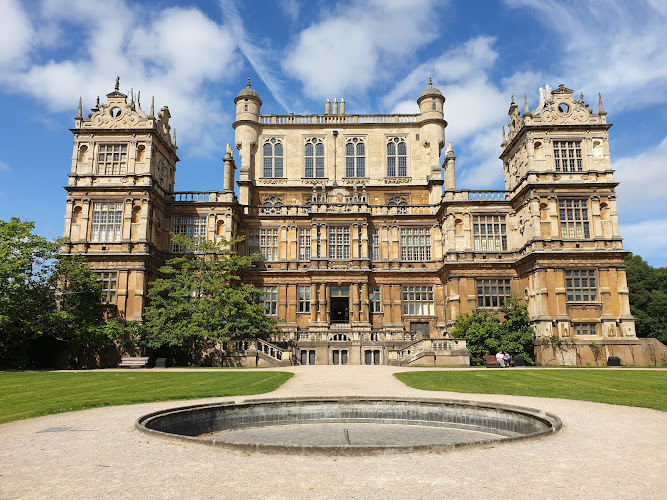
Nottingham Natural History Museum
About Nottingham Natural History Museum
Description
The Nottingham Natural History Museum at Wollaton Hall occupies a curious double identity: part natural history museum, part grand Elizabethan mansion. Located on the grounds of Wollaton Park in Nottingham, the museum displays an extensive natural history collection inside a building that in its own right is a draw. The hall was designed by Robert Smythson for Sir Francis Willoughby in the late 16th century, and while many people come for the fossils, taxidermy and interpretive exhibits, others come simply to ogle the architecture and imagine life in an Elizabethan manor. Both instincts are perfectly justified.
The museum covers a broad sweep of the natural world — local geology and fossils, birds and mammals, insect displays and curated specimen cabinets — but it keeps a distinctly local flavour. Visitors will notice a focus on Nottinghamshire’s natural past and present, as well as displays that are curated with care to speak to visitors of all ages. The taxidermy collection is tasteful rather than theatrical, and the fossil exhibits provide a neat timeline that even casual visitors can follow without feeling overwhelmed.
There is a practical side to the experience, too. Onsite amenities include a restaurant and restrooms, and the site is equipped for wheelchair access at the main entrance, parking, and accessible restrooms. Families with kids find it an easy day out: exhibits are laid out to engage younger visitors and there are often activity trails or hands-on elements that help turn specimens into stories. The museum sits within a large park and deer parkland, which adds a major bonus — after looking at bones and feathers you can step out into rolling lawns and actual deer sightings that feel like a natural history lesson come to life.
The public perception tends to be more positive than otherwise. Many visitors come away impressed; a handful expect more interactive tech or larger temporary exhibitions and can be mildly disappointed. Overall, the tone is welcoming and the experience is sincere: the museum is not a blockbuster attraction but a thoughtful, quietly impressive place that rewards curiosity. And for those curious about pop culture trivia, Wollaton Hall doubled as Wayne Manor in The Dark Knight Rises, which delights a surprising number of people — including this writer, who still smuggles a photo of the façade into conversations at parties for reasons that remain only partly explained.
Key Features
- Located inside Wollaton Hall, a landmark Elizabethan mansion by Robert Smythson with distinctive architecture and period rooms
- Comprehensive natural history collection focusing on local geology, fossils, taxidermy, birds, mammals and insect specimens
- Accessible facilities including wheelchair-accessible entrance, parking and restrooms to help visitors with mobility needs
- Onsite restaurant and public restrooms for convenience during longer visits
- Family-friendly exhibits and activity trails that make the museum good for kids and school groups
- Extensive parkland and a deer park surrounding the hall, ideal for combining the museum visit with outdoor time
- Historic context: strong connections to the Willoughby family and the building’s Elizabethan origins
- Photogenic architecture and landscape — a favourite spot for photographers and for people who love mixing history and nature
Best Time to Visit
The best time to visit depends on what the visitor most wants to see. Spring and early summer are excellent for pairing the museum with a wander in the park: young deer, emerging greenery and longer daylight make it feel like a full-day outing. Autumn brings crisp light and leaf colour that are lovely for photographers, and the park takes on a golden hush that pairs well with quiet, reflective museum galleries.
If the goal is fewer crowds and calmer galleries, weekday mornings are the golden ticket. Weekends and school holidays are noticeably busier — families make the most of the hands-on displays and park access — so those who prefer a quieter experience should aim for midweek. The on-site restaurant can get busy around lunch, so consider an early arrival or a late lunch. For tourists juggling multiple Nottingham attractions in a day, pairing a morning at the Natural History Museum with an afternoon stroll toward the city centre or nearby gardens works well.
The museum sometimes hosts temporary exhibitions and family activity days. Those special events can be a great draw, but they also attract extra people. If a particular exhibition or event is the primary reason for visiting, it’s wise to plan for a slightly longer stay and arrive early to avoid queues.
How to Get There
Travellers heading to the Nottingham Natural History Museum should plan around the hall and park location rather than a city-centre address. Wollaton Hall sits within a large park to the north-west of Nottingham city centre, and it is usually straightforward to reach by car, public transport or bicycle. If arriving by car, there is parking on site; many visitors find driving convenient because they can carry picnic gear and park near the main entrance. The site has wheelchair-accessible parking; however, capacity can fill up at peak times, so arrive early on busy days.
Public transport links serve the general Wollaton area from Nottingham city centre. Bus routes run regularly and drop visitors within a short walk of the park entrance. For guests who prefer cycling, paths into the park are pleasant and bike racks are typically available. Taxis from the city centre are a quick option and usually straightforward; travel times vary by traffic but are generally short. Visitors relying on public transport should check the latest timetables on the morning of travel — local schedules can change, and that one time the writer missed a bus and had an unexpectedly scenic extra walk to the hall is now an anecdote that lives on in family chats.
Tips for Visiting
Plan for a two to three hour visit if we are being honest. That gives enough time to move through the main galleries, enjoy the architecture, and take a stroll in the park without feeling rushed. Some visitors breeze through in an hour, others linger for half a day hunting for small details; either approach is fine, but packing flexible time makes the visit more relaxed.
Wear comfortable shoes. The hall has multiple floors and the park invites walking, often on slightly uneven paths. Even though core facilities are wheelchair accessible, some outdoor routes and slopes in the park are steeper than they appear from photos, so check with staff if mobility concerns are a factor.
Bring a camera or phone for the façades and the park, but be considerate in galleries. Flash photography may be restricted around certain specimens. The architecture is a huge draw — many visitors spend more time outside than they planned because the perspectives and carved stonework are so satisfying.
Combine indoor and outdoor time. The museum pairs especially well with a picnic on the lawns or a coffee on the terraces. If the restaurant is busy, the park provides an easy fallback. Also, be ready for quick weather changes; Nottingham can be capricious and having a light jacket or an umbrella in the bag will prevent one drizzle from spoiling the outing.
Families should pick up any activity trails or children’s guides at reception. They help focus the visit and keep younger travellers engaged. Schools and groups are accommodated, but during major school terms or local events the place can fill up, so pre-booking or arriving early is wise for larger parties.
Expect modest, thoughtful signage rather than flashy interactive screens everywhere. The museum leans into specimens and story-telling rather than high-tech gimmicks. That will satisfy lovers of traditional natural history displays but may feel quieter to visitors used to blockbuster science centres. If a visitor wants more interactive experiences, ask about temporary exhibitions or seasonal programming when planning the trip.
Check opening hours and event calendars before travelling. Seasonal hours and special events can change the flow of a visit and sometimes the hall operates different hours from the park. The museum staff are known to be helpful and will often suggest the best route for the visitor’s particular interests — fossils one day, birds and mammals the next — so a quick question at reception can tailor the experience pleasantly.
Finally, allow time to just sit and watch. There is a small but very real pleasure in paging through natural history specimens, then stepping out to watch deer graze or children play on the lawns. The contrast between the carefully preserved past in the cabinets and the living present in the park is part of what makes the Nottingham Natural History Museum at Wollaton Hall memorable. This writer still remembers one rainy afternoon when the museum felt almost empty, and the hush inside the galleries was matched by sheets of rain blurring the deer in the park into watercolor shapes. That quiet, oddly cinematic moment was worth the trip on its own.
Key Features
- Located inside Wollaton Hall, a landmark Elizabethan mansion by Robert Smythson with distinctive architecture and period rooms
- Comprehensive natural history collection focusing on local geology, fossils, taxidermy, birds, mammals and insect specimens
- Accessible facilities including wheelchair-accessible entrance, parking and restrooms to help visitors with mobility needs
- Onsite restaurant and public restrooms for convenience during longer visits
- Family-friendly exhibits and activity trails that make the museum good for kids and school groups
- Extensive parkland and a deer park surrounding the hall, ideal for combining the museum visit with outdoor time
- Historic context: strong connections to the Willoughby family and the building’s Elizabethan origins
- Photogenic architecture and landscape — a favourite spot for photographers and for people who love mixing history and nature
More Details
Updated August 29, 2025
Table of Contents
Description
The Nottingham Natural History Museum at Wollaton Hall occupies a curious double identity: part natural history museum, part grand Elizabethan mansion. Located on the grounds of Wollaton Park in Nottingham, the museum displays an extensive natural history collection inside a building that in its own right is a draw. The hall was designed by Robert Smythson for Sir Francis Willoughby in the late 16th century, and while many people come for the fossils, taxidermy and interpretive exhibits, others come simply to ogle the architecture and imagine life in an Elizabethan manor. Both instincts are perfectly justified.
The museum covers a broad sweep of the natural world — local geology and fossils, birds and mammals, insect displays and curated specimen cabinets — but it keeps a distinctly local flavour. Visitors will notice a focus on Nottinghamshire’s natural past and present, as well as displays that are curated with care to speak to visitors of all ages. The taxidermy collection is tasteful rather than theatrical, and the fossil exhibits provide a neat timeline that even casual visitors can follow without feeling overwhelmed.
There is a practical side to the experience, too. Onsite amenities include a restaurant and restrooms, and the site is equipped for wheelchair access at the main entrance, parking, and accessible restrooms. Families with kids find it an easy day out: exhibits are laid out to engage younger visitors and there are often activity trails or hands-on elements that help turn specimens into stories. The museum sits within a large park and deer parkland, which adds a major bonus — after looking at bones and feathers you can step out into rolling lawns and actual deer sightings that feel like a natural history lesson come to life.
The public perception tends to be more positive than otherwise. Many visitors come away impressed; a handful expect more interactive tech or larger temporary exhibitions and can be mildly disappointed. Overall, the tone is welcoming and the experience is sincere: the museum is not a blockbuster attraction but a thoughtful, quietly impressive place that rewards curiosity. And for those curious about pop culture trivia, Wollaton Hall doubled as Wayne Manor in The Dark Knight Rises, which delights a surprising number of people — including this writer, who still smuggles a photo of the façade into conversations at parties for reasons that remain only partly explained.
Key Features
- Located inside Wollaton Hall, a landmark Elizabethan mansion by Robert Smythson with distinctive architecture and period rooms
- Comprehensive natural history collection focusing on local geology, fossils, taxidermy, birds, mammals and insect specimens
- Accessible facilities including wheelchair-accessible entrance, parking and restrooms to help visitors with mobility needs
- Onsite restaurant and public restrooms for convenience during longer visits
- Family-friendly exhibits and activity trails that make the museum good for kids and school groups
- Extensive parkland and a deer park surrounding the hall, ideal for combining the museum visit with outdoor time
- Historic context: strong connections to the Willoughby family and the building’s Elizabethan origins
- Photogenic architecture and landscape — a favourite spot for photographers and for people who love mixing history and nature
Best Time to Visit
The best time to visit depends on what the visitor most wants to see. Spring and early summer are excellent for pairing the museum with a wander in the park: young deer, emerging greenery and longer daylight make it feel like a full-day outing. Autumn brings crisp light and leaf colour that are lovely for photographers, and the park takes on a golden hush that pairs well with quiet, reflective museum galleries.
If the goal is fewer crowds and calmer galleries, weekday mornings are the golden ticket. Weekends and school holidays are noticeably busier — families make the most of the hands-on displays and park access — so those who prefer a quieter experience should aim for midweek. The on-site restaurant can get busy around lunch, so consider an early arrival or a late lunch. For tourists juggling multiple Nottingham attractions in a day, pairing a morning at the Natural History Museum with an afternoon stroll toward the city centre or nearby gardens works well.
The museum sometimes hosts temporary exhibitions and family activity days. Those special events can be a great draw, but they also attract extra people. If a particular exhibition or event is the primary reason for visiting, it’s wise to plan for a slightly longer stay and arrive early to avoid queues.
How to Get There
Travellers heading to the Nottingham Natural History Museum should plan around the hall and park location rather than a city-centre address. Wollaton Hall sits within a large park to the north-west of Nottingham city centre, and it is usually straightforward to reach by car, public transport or bicycle. If arriving by car, there is parking on site; many visitors find driving convenient because they can carry picnic gear and park near the main entrance. The site has wheelchair-accessible parking; however, capacity can fill up at peak times, so arrive early on busy days.
Public transport links serve the general Wollaton area from Nottingham city centre. Bus routes run regularly and drop visitors within a short walk of the park entrance. For guests who prefer cycling, paths into the park are pleasant and bike racks are typically available. Taxis from the city centre are a quick option and usually straightforward; travel times vary by traffic but are generally short. Visitors relying on public transport should check the latest timetables on the morning of travel — local schedules can change, and that one time the writer missed a bus and had an unexpectedly scenic extra walk to the hall is now an anecdote that lives on in family chats.
Tips for Visiting
Plan for a two to three hour visit if we are being honest. That gives enough time to move through the main galleries, enjoy the architecture, and take a stroll in the park without feeling rushed. Some visitors breeze through in an hour, others linger for half a day hunting for small details; either approach is fine, but packing flexible time makes the visit more relaxed.
Wear comfortable shoes. The hall has multiple floors and the park invites walking, often on slightly uneven paths. Even though core facilities are wheelchair accessible, some outdoor routes and slopes in the park are steeper than they appear from photos, so check with staff if mobility concerns are a factor.
Bring a camera or phone for the façades and the park, but be considerate in galleries. Flash photography may be restricted around certain specimens. The architecture is a huge draw — many visitors spend more time outside than they planned because the perspectives and carved stonework are so satisfying.
Combine indoor and outdoor time. The museum pairs especially well with a picnic on the lawns or a coffee on the terraces. If the restaurant is busy, the park provides an easy fallback. Also, be ready for quick weather changes; Nottingham can be capricious and having a light jacket or an umbrella in the bag will prevent one drizzle from spoiling the outing.
Families should pick up any activity trails or children’s guides at reception. They help focus the visit and keep younger travellers engaged. Schools and groups are accommodated, but during major school terms or local events the place can fill up, so pre-booking or arriving early is wise for larger parties.
Expect modest, thoughtful signage rather than flashy interactive screens everywhere. The museum leans into specimens and story-telling rather than high-tech gimmicks. That will satisfy lovers of traditional natural history displays but may feel quieter to visitors used to blockbuster science centres. If a visitor wants more interactive experiences, ask about temporary exhibitions or seasonal programming when planning the trip.
Check opening hours and event calendars before travelling. Seasonal hours and special events can change the flow of a visit and sometimes the hall operates different hours from the park. The museum staff are known to be helpful and will often suggest the best route for the visitor’s particular interests — fossils one day, birds and mammals the next — so a quick question at reception can tailor the experience pleasantly.
Finally, allow time to just sit and watch. There is a small but very real pleasure in paging through natural history specimens, then stepping out to watch deer graze or children play on the lawns. The contrast between the carefully preserved past in the cabinets and the living present in the park is part of what makes the Nottingham Natural History Museum at Wollaton Hall memorable. This writer still remembers one rainy afternoon when the museum felt almost empty, and the hush inside the galleries was matched by sheets of rain blurring the deer in the park into watercolor shapes. That quiet, oddly cinematic moment was worth the trip on its own.
Key Highlights
- Located inside Wollaton Hall, a landmark Elizabethan mansion by Robert Smythson with distinctive architecture and period rooms
- Comprehensive natural history collection focusing on local geology, fossils, taxidermy, birds, mammals and insect specimens
- Accessible facilities including wheelchair-accessible entrance, parking and restrooms to help visitors with mobility needs
- Onsite restaurant and public restrooms for convenience during longer visits
- Family-friendly exhibits and activity trails that make the museum good for kids and school groups
- Extensive parkland and a deer park surrounding the hall, ideal for combining the museum visit with outdoor time
- Historic context: strong connections to the Willoughby family and the building’s Elizabethan origins
- Photogenic architecture and landscape — a favourite spot for photographers and for people who love mixing history and nature
Location
Places to Stay Near Nottingham Natural History Museum
Find and Book a Tour
Explore More Travel Guides
No reviews found! Be the first to review!
Traveler Reviews for Nottingham Natural History Museum
There are no reviews yet. Be the first one to write one.
Have you visited Nottingham Natural History Museum? Help other travelers by sharing your review.
You Might Also Like
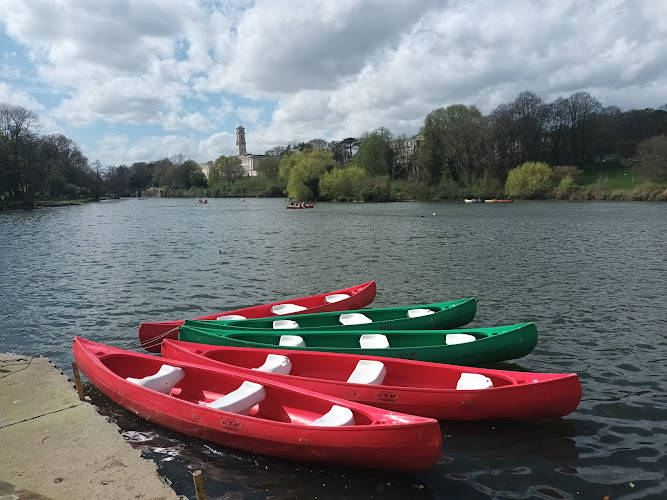
Highfields Park Boating Lake
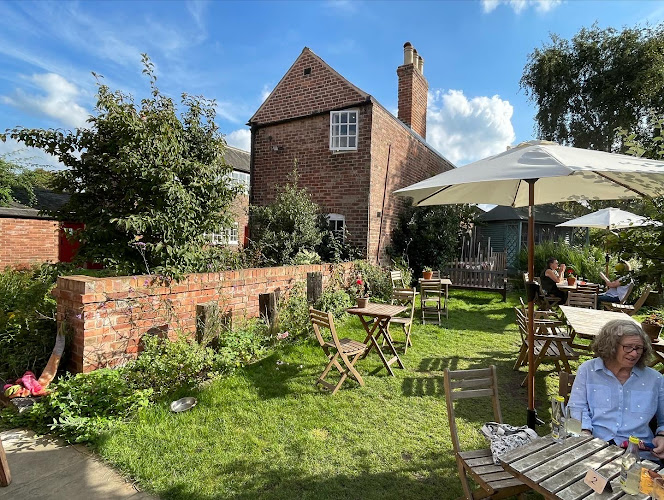
Framework Knitters Museum
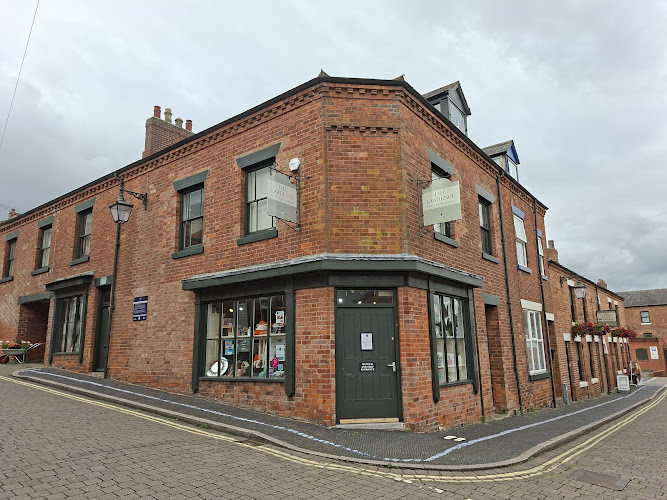
The D.H. Lawrence Birthplace Museum
Find Accommodations Nearby
Recommended Tours & Activities
Visitor Reviews
There are no reviews yet. Be the first one to write one.
Share Your Experience
Have you visited Nottingham Natural History Museum? Help other travelers by leaving a review.