
Framework Knitters Museum
About Framework Knitters Museum
Description
The Framework Knitters Museum in Ruddington is an award-winning heritage museum that traces more than 400 years of framework knitting, social history and local craft. It tells the story of families and workers who spent their lives at cramped wooden frames, producing hosiery and textiles that helped shape Nottinghamshire and the wider textile industry. The museum is built around authentic workers cottages, a working frame shop and the evocatively named Griswold knitting room, where machines, tools and the smell of oil and wool bring the past into sharp focus.
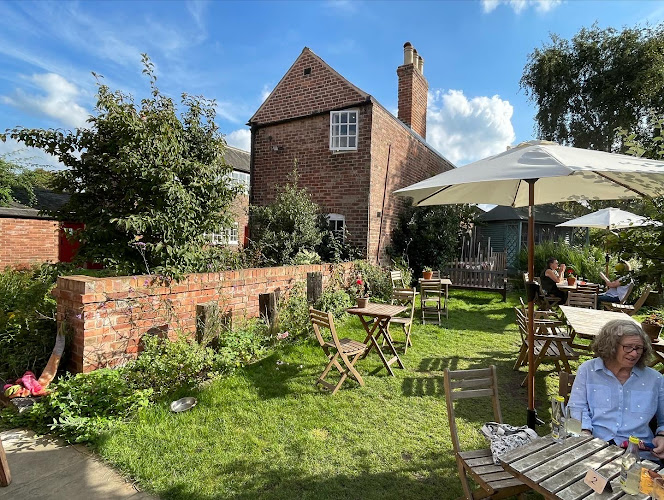
Visitors will find Parkers Yard adjacent to the main museum complex — a small cluster of spaces that includes a café with a beautiful enclosed garden, a well-curated gift shop and a chapel gallery that doubles as an event venue. The chapel gallery can be hired for meetings, small weddings, or community events, which makes the site more than a static display: it lives and breathes as a community hub. Volunteers form the backbone of the place; their passion and personal knowledge are frequently the highlight of a visit.
The atmosphere is hands-on without being gimmicky. Demonstrations of framework knitting, guided tours of the cottages and interpretive exhibits present the industry’s long arc — from home-based knitting in the 17th century through mechanisation in the 19th century, to the niche crafts and preservation efforts of today. While many visitors come for the machines and the curious mechanics of knitting frames, others stay for the human stories: the long hours, the family labour, the resilience and the ingenuity. It’s a museum that quietly insists you slow down, look closer, and, yes, maybe imagine the click-clack of frames in a winter kitchen.
Overall, the Framework Knitters Museum balances serious heritage interpretation with approachable displays and amenities. It has earned recognition beyond the local area and is a point of pride for Ruddington and Nottinghamshire. The tone of the interpretation is honest: it celebrates craftsmanship while acknowledging difficult working conditions and the social history tied to the trade.
Key Features
- Authentic workers cottages showing domestic life and the home-based framework knitting economy
- Working frame shop with demonstrations of knitting frames and machines
- Griswold knitting room, a concentrate of mechanical history and textile craft
- Parkers Yard café serving locally sourced food and drink, with an enclosed garden for relaxed breaks (open Tuesday to Saturday from 9 am)
- Chapel gallery space available for hire for events, exhibitions and small functions
- Onsite gift shop offering handmade and locally themed items — handy if one wants to take a memory home
- Volunteer-led tours and specialist workshops that give insight into framework knitting techniques and social history
- Accessibility provisions include assisted listening devices, an assistive hearing loop, wheelchair-accessible entrance, wheelchair-accessible restrooms and seating
- Family-friendly layout with facilities suitable for children and changing tables
- Interpretation that covers 17th to 19th-century framework knitting, the rise of the knitting machine, and the region’s textile legacy
Best Time to Visit
The museum works best when the weather is mild, partly because Parkers Yard’s enclosed garden and outdoor spaces become a pleasant place to linger after a tour. Late spring to early autumn offers the best mix of garden colour and comfortable walking, but indoor exhibits and the frame demonstrations mean the museum is very much a year-round destination. Weekdays tend to be quieter; if someone dislikes crowds they should plan a midweek morning when volunteers have time to chat and demonstrations feel intimate rather than rushed.
Special events and seasonal workshops — think textile-themed fairs, Christmas craft markets and hands-on knitting sessions — can draw bigger crowds. Those events are worth checking in advance if visitors want to catch something specific, but do note they change through the year. The café opens Tuesday to Saturday at 9 am, so Saturday mornings are popular with families and local visitors. If time is limited, aim for a Tuesday or Wednesday visit: fewer people, more breathing room, and often better access to volunteer-guided experiences.
How to Get There
The museum sits in the village of Ruddington, a short journey from Nottingham city. It is accessible by car and public transport; the simplest route from the city centre is a short bus ride followed by a modest walk. Train travellers should disembark at Nottingham and continue by local bus or taxi. For people relying on public transport, planning shows and timetables ahead of time makes the trip smoother — village bus services are frequent enough, but less so late in the evening.
Parking is available nearby, though visitors with mobility needs should note that accessible parking directly beside the site is limited. The museum has a wheelchair-accessible entrance and facilities, but those who require accessible parking may need to arrange drop-off or consult local parking options and leave extra time. Driving from Nottingham takes about 15–25 minutes depending on traffic. Taxis and local ride services are straightforward options for travelers who want door-to-door convenience.
Tips for Visiting
Book ahead for group tours and workshops. While casual visitors can usually drop in, the most rewarding parts of the museum — working frame demonstrations and specialist talks — often depend on volunteer availability. Booking ensures the right people will be on hand to explain the mechanics of frames and to tell the human stories behind them.
Allow 1.5 to 2.5 hours for a thorough visit. That window gives time for a guided walkthrough of the workers cottages, a demonstration in the frame shop, a look inside the Griswold knitting room and a relaxed coffee in Parkers Yard. The gift shop is compact but filled with interesting items, so add a little extra time if browsing is a priority.
Families should bring a stroller or carrier that can handle a few steps and narrow spaces. The museum is family-friendly and suitable for children, but researchers and parents should be prepared for some historic buildings with tighter circulation than modern museums. Changing facilities are available, which is a welcome practical detail for parents with infants.
Use the assisted listening devices and the hearing loop if needed. The museum takes accessibility seriously in several areas, but the historical buildings mean some spaces are inherently intimate and acoustically challenging. Those devices make guided tours and volunteer talks much easier to follow.
Expect a mix of interpretation styles. Some rooms will be immersive reconstructions, others display-driven with text and artefacts. If someone prefers interactive hands-on experiences, check the schedule for workshops. If they prefer reading labels and lingering over objects, the exhibit display cases are rich with original tools, frames and domestic items.
Bring a camera but respect restrictions. The museum is photogenic, especially the frame shop and Griswold room. Many visitors take pictures for personal memories, but the museum appreciates discretion during demonstrations and in any spaces where volunteers are working closely with historic items.
Try the café. The Parkers Yard café focuses on locally sourced ingredients and simple, fresh dishes. It opens from 9 am, Tuesday to Saturday, and offers a genuinely pleasant place to rest during a visit. The enclosed garden is a small, surprisingly calm pocket that many visitors remember as much as the exhibits themselves.
Talk to the volunteers. This cannot be overstated: the volunteers are passionate, knowledgeable and often have personal or family connections to the history on display. A casual chat in the frame shop or a question asked after a demo will often yield personal anecdotes, technical detail and suggestions for further reading or nearby sites of interest.
Plan for accessibility of parking. As mentioned earlier, accessible parking is limited near the site. Visitors with mobility challenges should contact the museum in advance to arrange assistance or advice on the best place to be dropped off. The museum staff and volunteers are used to helping visitors plan and will usually offer practical suggestions.
Consider combining the visit with a short explore of Ruddington village. The village has its own charm — independent shops, local pubs and a few green spaces. For those staying longer, Nottingham city centre with its museums and historic sites is nearby, making a Framework Knitters Museum visit a nice half-day diversion or a focused cultural stop within a broader Nottinghamshire itinerary.
Finally, keep an open mind. The Framework Knitters Museum is not a huge national institution with sweeping modern galleries; it is an intimate, lovingly preserved place that rewards curiosity. Some visitors come expecting a shiny, interactive blockbuster and leave bewildered; others find it quietly moving and educational beyond expectation. In short, go with curiosity, give yourself time, and be ready to listen — the stories and the machines have plenty to tell.
Key Features
- Authentic workers cottages showing domestic life and the home-based framework knitting economy
- Working frame shop with demonstrations of knitting frames and machines
- Griswold knitting room, a concentrate of mechanical history and textile craft
- Parkers Yard café serving locally sourced food and drink, with an enclosed garden for relaxed breaks (open Tuesday to Saturday from 9 am)
- Chapel gallery space available for hire for events, exhibitions and small functions
- Onsite gift shop offering handmade and locally themed items — handy if one wants to take a memory home
- Volunteer-led tours and specialist workshops that give insight into framework knitting techniques and social history
- Accessibility provisions include assisted listening devices, an assistive hearing loop, wheelchair-accessible entrance, wheelchair-accessible restrooms and seating
More Details
Updated August 29, 2025
Table of Contents
Description
The Framework Knitters Museum in Ruddington is an award-winning heritage museum that traces more than 400 years of framework knitting, social history and local craft. It tells the story of families and workers who spent their lives at cramped wooden frames, producing hosiery and textiles that helped shape Nottinghamshire and the wider textile industry. The museum is built around authentic workers cottages, a working frame shop and the evocatively named Griswold knitting room, where machines, tools and the smell of oil and wool bring the past into sharp focus.
Visitors will find Parkers Yard adjacent to the main museum complex — a small cluster of spaces that includes a café with a beautiful enclosed garden, a well-curated gift shop and a chapel gallery that doubles as an event venue. The chapel gallery can be hired for meetings, small weddings, or community events, which makes the site more than a static display: it lives and breathes as a community hub. Volunteers form the backbone of the place; their passion and personal knowledge are frequently the highlight of a visit.
The atmosphere is hands-on without being gimmicky. Demonstrations of framework knitting, guided tours of the cottages and interpretive exhibits present the industry’s long arc — from home-based knitting in the 17th century through mechanisation in the 19th century, to the niche crafts and preservation efforts of today. While many visitors come for the machines and the curious mechanics of knitting frames, others stay for the human stories: the long hours, the family labour, the resilience and the ingenuity. It’s a museum that quietly insists you slow down, look closer, and, yes, maybe imagine the click-clack of frames in a winter kitchen.
Overall, the Framework Knitters Museum balances serious heritage interpretation with approachable displays and amenities. It has earned recognition beyond the local area and is a point of pride for Ruddington and Nottinghamshire. The tone of the interpretation is honest: it celebrates craftsmanship while acknowledging difficult working conditions and the social history tied to the trade.
Key Features
- Authentic workers cottages showing domestic life and the home-based framework knitting economy
- Working frame shop with demonstrations of knitting frames and machines
- Griswold knitting room, a concentrate of mechanical history and textile craft
- Parkers Yard café serving locally sourced food and drink, with an enclosed garden for relaxed breaks (open Tuesday to Saturday from 9 am)
- Chapel gallery space available for hire for events, exhibitions and small functions
- Onsite gift shop offering handmade and locally themed items — handy if one wants to take a memory home
- Volunteer-led tours and specialist workshops that give insight into framework knitting techniques and social history
- Accessibility provisions include assisted listening devices, an assistive hearing loop, wheelchair-accessible entrance, wheelchair-accessible restrooms and seating
- Family-friendly layout with facilities suitable for children and changing tables
- Interpretation that covers 17th to 19th-century framework knitting, the rise of the knitting machine, and the region’s textile legacy
Best Time to Visit
The museum works best when the weather is mild, partly because Parkers Yard’s enclosed garden and outdoor spaces become a pleasant place to linger after a tour. Late spring to early autumn offers the best mix of garden colour and comfortable walking, but indoor exhibits and the frame demonstrations mean the museum is very much a year-round destination. Weekdays tend to be quieter; if someone dislikes crowds they should plan a midweek morning when volunteers have time to chat and demonstrations feel intimate rather than rushed.
Special events and seasonal workshops — think textile-themed fairs, Christmas craft markets and hands-on knitting sessions — can draw bigger crowds. Those events are worth checking in advance if visitors want to catch something specific, but do note they change through the year. The café opens Tuesday to Saturday at 9 am, so Saturday mornings are popular with families and local visitors. If time is limited, aim for a Tuesday or Wednesday visit: fewer people, more breathing room, and often better access to volunteer-guided experiences.
How to Get There
The museum sits in the village of Ruddington, a short journey from Nottingham city. It is accessible by car and public transport; the simplest route from the city centre is a short bus ride followed by a modest walk. Train travellers should disembark at Nottingham and continue by local bus or taxi. For people relying on public transport, planning shows and timetables ahead of time makes the trip smoother — village bus services are frequent enough, but less so late in the evening.
Parking is available nearby, though visitors with mobility needs should note that accessible parking directly beside the site is limited. The museum has a wheelchair-accessible entrance and facilities, but those who require accessible parking may need to arrange drop-off or consult local parking options and leave extra time. Driving from Nottingham takes about 15–25 minutes depending on traffic. Taxis and local ride services are straightforward options for travelers who want door-to-door convenience.
Tips for Visiting
Book ahead for group tours and workshops. While casual visitors can usually drop in, the most rewarding parts of the museum — working frame demonstrations and specialist talks — often depend on volunteer availability. Booking ensures the right people will be on hand to explain the mechanics of frames and to tell the human stories behind them.
Allow 1.5 to 2.5 hours for a thorough visit. That window gives time for a guided walkthrough of the workers cottages, a demonstration in the frame shop, a look inside the Griswold knitting room and a relaxed coffee in Parkers Yard. The gift shop is compact but filled with interesting items, so add a little extra time if browsing is a priority.
Families should bring a stroller or carrier that can handle a few steps and narrow spaces. The museum is family-friendly and suitable for children, but researchers and parents should be prepared for some historic buildings with tighter circulation than modern museums. Changing facilities are available, which is a welcome practical detail for parents with infants.
Use the assisted listening devices and the hearing loop if needed. The museum takes accessibility seriously in several areas, but the historical buildings mean some spaces are inherently intimate and acoustically challenging. Those devices make guided tours and volunteer talks much easier to follow.
Expect a mix of interpretation styles. Some rooms will be immersive reconstructions, others display-driven with text and artefacts. If someone prefers interactive hands-on experiences, check the schedule for workshops. If they prefer reading labels and lingering over objects, the exhibit display cases are rich with original tools, frames and domestic items.
Bring a camera but respect restrictions. The museum is photogenic, especially the frame shop and Griswold room. Many visitors take pictures for personal memories, but the museum appreciates discretion during demonstrations and in any spaces where volunteers are working closely with historic items.
Try the café. The Parkers Yard café focuses on locally sourced ingredients and simple, fresh dishes. It opens from 9 am, Tuesday to Saturday, and offers a genuinely pleasant place to rest during a visit. The enclosed garden is a small, surprisingly calm pocket that many visitors remember as much as the exhibits themselves.
Talk to the volunteers. This cannot be overstated: the volunteers are passionate, knowledgeable and often have personal or family connections to the history on display. A casual chat in the frame shop or a question asked after a demo will often yield personal anecdotes, technical detail and suggestions for further reading or nearby sites of interest.
Plan for accessibility of parking. As mentioned earlier, accessible parking is limited near the site. Visitors with mobility challenges should contact the museum in advance to arrange assistance or advice on the best place to be dropped off. The museum staff and volunteers are used to helping visitors plan and will usually offer practical suggestions.
Consider combining the visit with a short explore of Ruddington village. The village has its own charm — independent shops, local pubs and a few green spaces. For those staying longer, Nottingham city centre with its museums and historic sites is nearby, making a Framework Knitters Museum visit a nice half-day diversion or a focused cultural stop within a broader Nottinghamshire itinerary.
Finally, keep an open mind. The Framework Knitters Museum is not a huge national institution with sweeping modern galleries; it is an intimate, lovingly preserved place that rewards curiosity. Some visitors come expecting a shiny, interactive blockbuster and leave bewildered; others find it quietly moving and educational beyond expectation. In short, go with curiosity, give yourself time, and be ready to listen — the stories and the machines have plenty to tell.
Key Highlights
- Authentic workers cottages showing domestic life and the home-based framework knitting economy
- Working frame shop with demonstrations of knitting frames and machines
- Griswold knitting room, a concentrate of mechanical history and textile craft
- Parkers Yard café serving locally sourced food and drink, with an enclosed garden for relaxed breaks (open Tuesday to Saturday from 9 am)
- Chapel gallery space available for hire for events, exhibitions and small functions
- Onsite gift shop offering handmade and locally themed items — handy if one wants to take a memory home
- Volunteer-led tours and specialist workshops that give insight into framework knitting techniques and social history
- Accessibility provisions include assisted listening devices, an assistive hearing loop, wheelchair-accessible entrance, wheelchair-accessible restrooms and seating
Location
Places to Stay Near Framework Knitters Museum
Find and Book a Tour
Explore More Travel Guides
No reviews found! Be the first to review!
Traveler Reviews for Framework Knitters Museum
There are no reviews yet. Be the first one to write one.
Have you visited Framework Knitters Museum? Help other travelers by sharing your review.
You Might Also Like
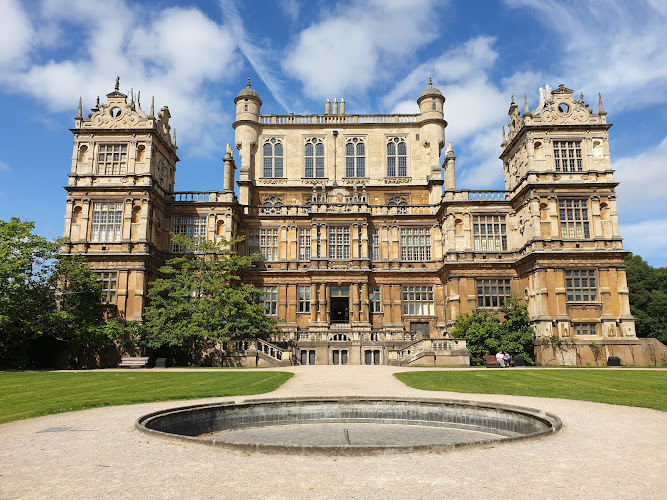
Nottingham Natural History Museum
Attenborough Nature Reserve
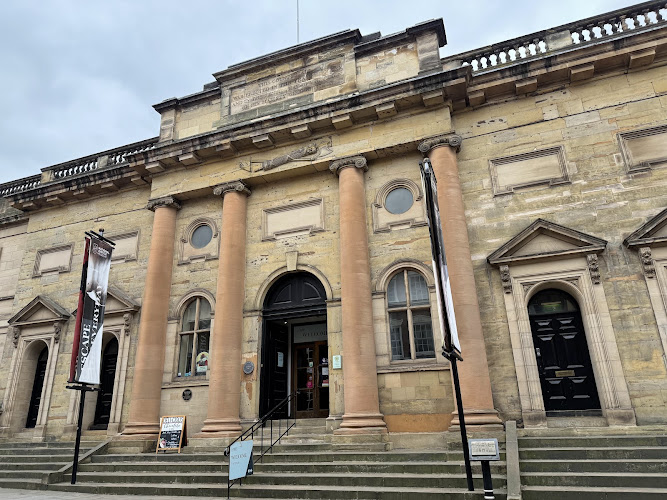
National Justice Museum
Find Accommodations Nearby
Recommended Tours & Activities
Visitor Reviews
There are no reviews yet. Be the first one to write one.
Share Your Experience
Have you visited Framework Knitters Museum? Help other travelers by leaving a review.