About Niah National Park

Description

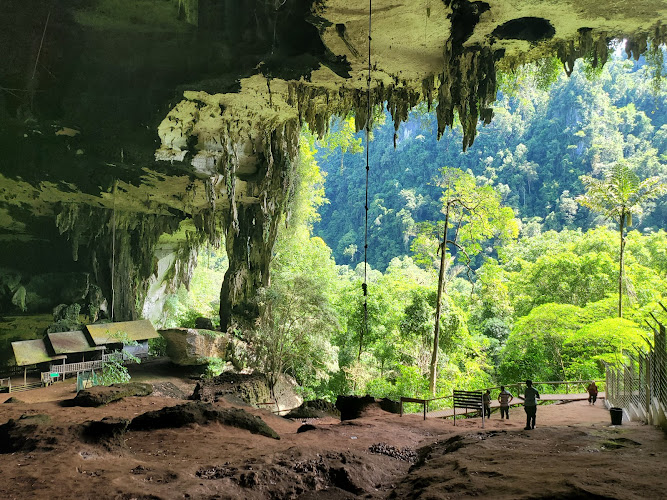
Niah National Park in Sarawak is widely admired for its dramatic limestone formations, dense rainforest surroundings, and fascinating role as an archaeological site. Many visitors come here to see the famed Gua Niah or Niah Caves, which are not just massive caverns but also a window into Southeast Asia’s deep past. Archaeologists have uncovered human remains that are thousands of years old, along with wooden coffins, stone tools, and cave paintings that tell a story of early human settlement in this very corner of Malaysia. It’s an outdoor museum, but one where you’ll find yourself beneath towering cliffs, swifts and bats swooping through the dim light, and pathways that echo with history.

Travelers often remark about the unforgettable scale of the Niah Great Cave—it’s immense, a shadowy world that seems humbling when you walk in. Of course, it’s not just about prehistoric finds. The caves remain part of daily life for the people who harvest bird nests, a practice that’s been around for generations. Some say the walk to the Painted Cave, where ancient red ochre rock art is preserved, is just as moving as the destination itself. You trek through planks stretched across lush swampy rainforest, the air thick with humidity, occasional bird calls, and that unmistakable earthy smell of the tropics.

While most visitors leave with awe, others note that the park isn’t overly developed—so don’t expect luxury facilities. The hike is long in parts, the cave floors can be slippery, and it’s easy to feel small under nature’s weight. But for anyone who enjoys history and raw landscapes, this is part of the magic. It’s not effortless tourism; it requires some grit and a good flashlight. And to me, that makes the experience more rewarding. After all, how often do you get to wander through a site where human beings lived tens of thousands of years ago, leaving echoes of their existence still painted on the walls?

Key Features

  • Niah Great Cave – a colossal limestone chamber that feels almost like an underground cathedral
  • Painted Cave – home to prehistoric rock paintings believed to be over a thousand years old
  • Archaeological remains – including ancient stone tools, wooden coffins, and skeletal fragments
  • Rainforest boardwalk trails weaving through dense greenery leading up to the caves
  • Opportunities for spotting swifts, bats, and unique limestone-dwelling flora
  • The Niah Archaeological Museum located near the headquarters, providing context on discoveries
  • Bird nest collection activities that are still practiced traditionally within the caves
  • Boat rides across the Niah River to access certain trailheads, giving a local cultural touch

Best Time to Visit

The weather in Sarawak is tropical, which means it’s generally hot and humid year-round, but the best months to visit Niah National Park are usually between March and October, when it’s relatively drier. Heavy rains can make boardwalk sections slippery, and exploring the cave in wet conditions—while adventurous—can be challenging. Morning hours are particularly recommended, not just to beat the heat but also to take advantage of gentler lighting inside the cave.

If you plan your trip during peak holiday seasons in Malaysia, expect more visitors. But since the park has such vast spaces, it rarely feels crowded. Personally, I find slightly off-peak periods more enjoyable—you get a better sense of the solitude and mystery of the caves.

How to Get There

The park is closer than most travelers realize. From Miri City, the drive to Batu Niah town takes roughly 1.5 to 2 hours depending on traffic. For those who don’t want to drive, taking a bus or taxi from Miri is straightforward, though buses might require a bit of patience with timing. Once you’re in Batu Niah, it’s a short trip to the park headquarters where visitors arrange their entrance passes. From there, a boat ride often takes you across the Niah River—just a few minutes gliding over calm water before you start walking along the main trail to the caves.

Don’t underestimate the trek; while the path is mostly wooden boardwalks, it stretches for about 3 km to reach the Great Cave entrance. It’s scenic though, with swamp forest scenes and occasional glimpses of wildlife. If you’re carrying gear, try to pack lightly—it’s a long way back at the end of the day.

Tips for Visiting

Visiting Niah National Park isn’t complicated, but the experience can be so much smoother if you come prepared. Here are some tried-and-true tips I’d give to first-timers:

  • Bring a flashlight or headlamp: The caves are huge, and while the entrances let light in, much of the interior is pitch black. Phone flashlights just don’t cut it for the vastness of the Niah Great Cave.
  • Wear sturdy shoes: The cave floors are damp and can get muddy, so skip the sandals. Grippy hiking shoes are best.
  • Pack water and light snacks: There are no stalls within the trails, and you’ll definitely work up a sweat.
  • Start early: A full day trip allows enough time to explore the Painted Cave offshoot without rushing back before closing hours.
  • Consider a local guide: While the trail is clearly marked, guides provide historical insight and help point out little details you might otherwise miss.
  • Bug spray is your friend: The rainforest sections can be mosquito-heavy, especially after rain.
  • Respect the site: Remember this isn’t just nature but also a sacred archaeological site. Don’t touch the rock art or litter within the caves.

It’s worth slowing down while walking the boardwalks. I’ve often found that the little things, like watching tree roots twisted into knots or sudden flocks of birds darting overhead, are as memorable as the Great Cave itself. And if you take just one thing away from your visit, let it be this: Niah isn’t just another sightseeing stop—it’s a place where layers of nature and human history blur into something extraordinary, reminding us that people stood here, in awe, thousands of years ago… just like you will.

Key Features

  • Niah Great Cave – a colossal limestone chamber that feels almost like an underground cathedral
  • Painted Cave – home to prehistoric rock paintings believed to be over a thousand years old
  • Archaeological remains – including ancient stone tools, wooden coffins, and skeletal fragments
  • Rainforest boardwalk trails weaving through dense greenery leading up to the caves
  • Opportunities for spotting swifts, bats, and unique limestone-dwelling flora
  • The Niah Archaeological Museum located near the headquarters, providing context on discoveries
  • Bird nest collection activities that are still practiced traditionally within the caves
  • Boat rides across the Niah River to access certain trailheads, giving a local cultural touch

More Details

Updated October 2, 2025

Description

Niah National Park in Sarawak is widely admired for its dramatic limestone formations, dense rainforest surroundings, and fascinating role as an archaeological site. Many visitors come here to see the famed Gua Niah or Niah Caves, which are not just massive caverns but also a window into Southeast Asia’s deep past. Archaeologists have uncovered human remains that are thousands of years old, along with wooden coffins, stone tools, and cave paintings that tell a story of early human settlement in this very corner of Malaysia. It’s an outdoor museum, but one where you’ll find yourself beneath towering cliffs, swifts and bats swooping through the dim light, and pathways that echo with history.

Travelers often remark about the unforgettable scale of the Niah Great Cave—it’s immense, a shadowy world that seems humbling when you walk in. Of course, it’s not just about prehistoric finds. The caves remain part of daily life for the people who harvest bird nests, a practice that’s been around for generations. Some say the walk to the Painted Cave, where ancient red ochre rock art is preserved, is just as moving as the destination itself. You trek through planks stretched across lush swampy rainforest, the air thick with humidity, occasional bird calls, and that unmistakable earthy smell of the tropics.

While most visitors leave with awe, others note that the park isn’t overly developed—so don’t expect luxury facilities. The hike is long in parts, the cave floors can be slippery, and it’s easy to feel small under nature’s weight. But for anyone who enjoys history and raw landscapes, this is part of the magic. It’s not effortless tourism; it requires some grit and a good flashlight. And to me, that makes the experience more rewarding. After all, how often do you get to wander through a site where human beings lived tens of thousands of years ago, leaving echoes of their existence still painted on the walls?

Key Features

  • Niah Great Cave – a colossal limestone chamber that feels almost like an underground cathedral
  • Painted Cave – home to prehistoric rock paintings believed to be over a thousand years old
  • Archaeological remains – including ancient stone tools, wooden coffins, and skeletal fragments
  • Rainforest boardwalk trails weaving through dense greenery leading up to the caves
  • Opportunities for spotting swifts, bats, and unique limestone-dwelling flora
  • The Niah Archaeological Museum located near the headquarters, providing context on discoveries
  • Bird nest collection activities that are still practiced traditionally within the caves
  • Boat rides across the Niah River to access certain trailheads, giving a local cultural touch

Best Time to Visit

The weather in Sarawak is tropical, which means it’s generally hot and humid year-round, but the best months to visit Niah National Park are usually between March and October, when it’s relatively drier. Heavy rains can make boardwalk sections slippery, and exploring the cave in wet conditions—while adventurous—can be challenging. Morning hours are particularly recommended, not just to beat the heat but also to take advantage of gentler lighting inside the cave.

If you plan your trip during peak holiday seasons in Malaysia, expect more visitors. But since the park has such vast spaces, it rarely feels crowded. Personally, I find slightly off-peak periods more enjoyable—you get a better sense of the solitude and mystery of the caves.

How to Get There

The park is closer than most travelers realize. From Miri City, the drive to Batu Niah town takes roughly 1.5 to 2 hours depending on traffic. For those who don’t want to drive, taking a bus or taxi from Miri is straightforward, though buses might require a bit of patience with timing. Once you’re in Batu Niah, it’s a short trip to the park headquarters where visitors arrange their entrance passes. From there, a boat ride often takes you across the Niah River—just a few minutes gliding over calm water before you start walking along the main trail to the caves.

Don’t underestimate the trek; while the path is mostly wooden boardwalks, it stretches for about 3 km to reach the Great Cave entrance. It’s scenic though, with swamp forest scenes and occasional glimpses of wildlife. If you’re carrying gear, try to pack lightly—it’s a long way back at the end of the day.

Tips for Visiting

Visiting Niah National Park isn’t complicated, but the experience can be so much smoother if you come prepared. Here are some tried-and-true tips I’d give to first-timers:

  • Bring a flashlight or headlamp: The caves are huge, and while the entrances let light in, much of the interior is pitch black. Phone flashlights just don’t cut it for the vastness of the Niah Great Cave.
  • Wear sturdy shoes: The cave floors are damp and can get muddy, so skip the sandals. Grippy hiking shoes are best.
  • Pack water and light snacks: There are no stalls within the trails, and you’ll definitely work up a sweat.
  • Start early: A full day trip allows enough time to explore the Painted Cave offshoot without rushing back before closing hours.
  • Consider a local guide: While the trail is clearly marked, guides provide historical insight and help point out little details you might otherwise miss.
  • Bug spray is your friend: The rainforest sections can be mosquito-heavy, especially after rain.
  • Respect the site: Remember this isn’t just nature but also a sacred archaeological site. Don’t touch the rock art or litter within the caves.

It’s worth slowing down while walking the boardwalks. I’ve often found that the little things, like watching tree roots twisted into knots or sudden flocks of birds darting overhead, are as memorable as the Great Cave itself. And if you take just one thing away from your visit, let it be this: Niah isn’t just another sightseeing stop—it’s a place where layers of nature and human history blur into something extraordinary, reminding us that people stood here, in awe, thousands of years ago… just like you will.

Key Highlights

  • Niah Great Cave – a colossal limestone chamber that feels almost like an underground cathedral
  • Painted Cave – home to prehistoric rock paintings believed to be over a thousand years old
  • Archaeological remains – including ancient stone tools, wooden coffins, and skeletal fragments
  • Rainforest boardwalk trails weaving through dense greenery leading up to the caves
  • Opportunities for spotting swifts, bats, and unique limestone-dwelling flora
  • The Niah Archaeological Museum located near the headquarters, providing context on discoveries
  • Bird nest collection activities that are still practiced traditionally within the caves
  • Boat rides across the Niah River to access certain trailheads, giving a local cultural touch

Location

Places to Stay Near Niah National Park

Find and Book a Tour

Explore More Travel Guides

No reviews found! Be the first to review!

Traveler Reviews for Niah National Park

There are no reviews yet. Be the first one to write one.

Share Your Experience

Have you visited Niah National Park? Help other travelers by sharing your review.

Find Accommodations Nearby

Recommended Tours & Activities

Visitor Reviews

There are no reviews yet. Be the first one to write one.

Share Your Experience

Have you visited Niah National Park? Help other travelers by leaving a review.