
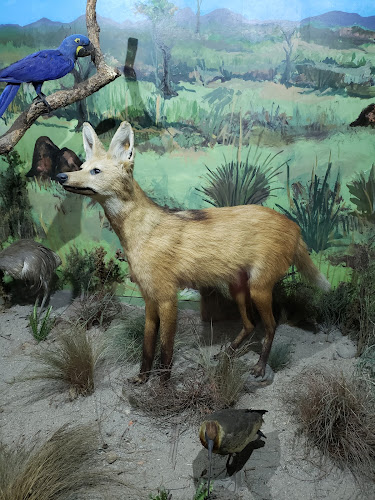
Natural History Museum Capon of Imbuia
About Natural History Museum Capon of Imbuia
Description
The Natural History Museum Capon of Imbuia sits as a quietly proud cultural spot in Curitiba, offering a compact but thoughtful dive into Paraná's natural world. Visitors often expect a sprawling, metropolitan museum and instead find something more human-scaled: well-curated displays, approachable labels (mostly in Portuguese, with sporadic English), and an intimacy that makes small discoveries feel meaningful. The institution focuses on regional flora and fauna, local geology, and the kinds of ecological stories that explain why this patch of Brazil looks and behaves the way it does.
The tone inside is not pompous. The museum prefers substance over flash. There are preserved specimens, skeletons, and dioramas that sketch out habitats from the Araucaria forests to riparian zones. It’s the sort of place where a child will stand nose-to-glass at a mounted bird for ten minutes, and an adult will learn the name of a tree they pass every day without noticing. The author remembers poking around an exhibit about native insects and thinking: wow, so that’s what’s been crunching under my shoes on rainy nights. Little epiphanies like that happen often here.
Accessibility is a clear, practical strength. The entrance, parking lot, and restrooms are wheelchair accessible, and pathways through key galleries are generally navigable. There isn’t a full-service restaurant on site, so planning snacks or a café stop nearby is wise. Restrooms are available within the museum. Families will appreciate that the place is designed to be good for kids; there are interactive corners and displays that invite touch and curiosity. Yes, it’s a museum about nature, but it’s not afraid to let you poke and prod — within reason, ofc.
For travelers seeking a grounded local experience in Curitiba, the Natural History Museum Capon of Imbuia offers a slower, educational complement to busier city attractions. It pairs well with outdoor time in the neighborhood parks or a stroll through Capão da Imbuia’s green spaces. The vibe is relaxed, the exhibits are informative, and the staff generally come across as knowledgeable and helpful — though, like all places, sometimes someone’s Monday might show through. But that’s life, right? Museums are people too.
Key Features
- Regional natural history exhibits focusing on Paraná’s flora and fauna, including specimens from the Araucaria ecosystem
- Taxidermy and skeletal displays that make species identification straightforward and, yes, a little thrilling
- Child-friendly zones with tactile elements aimed at engaging young minds and encouraging hands-on learning
- Wheelchair accessible entrance, parking lot, and restrooms for easier visits by people with mobility needs
- Interpretive signage primarily in Portuguese, with select information available in English — plan accordingly
- Compact layout that makes a meaningful visit possible in a short time frame (ideal for travelers on a tighter schedule)
- No on-site restaurant, but nearby options and picnic-friendly green areas create easy meal planning
- Quiet, reflective atmosphere that helps the visitor actually absorb the ecological stories on display
Best Time to Visit
The best time to visit the Natural History Museum Capon of Imbuia depends on what kind of day the traveler wants. Weekdays, especially mornings, are recommended for those who prefer a calm experience — school groups and families often arrive in the late morning to early afternoon on weekends. If someone likes a livelier scene, a Saturday can feel energetic without being overwhelming. For photographers or seriously slow readers, a weekday visit around opening will afford the quiet and light to absorb every label and linger by favorite specimens.
Climate-wise, Curitiba has a temperate feel compared to much of Brazil, so there's no extreme season that dramatically ruins a museum visit. That said, rainy days are perfect for slipping into indoor attractions like this one. The author personally likes rainy afternoons here: the city feels hushier, the museum exhibits take on a coziness, and the damp outside makes indoor learning feel like a treat. If timing a trip around special events or temporary exhibitions, check local listings in advance — the museum sometimes runs thematic displays or educational programs that can add value to a short visit.
How to Get There
The Natural History Museum Capon of Imbuia is located within the Capão da Imbuia neighborhood of Curitiba. It is straightforward to reach from central parts of the city. Travelers can opt for a local bus that stops in the area — Curitiba’s public transit network is extensive, and many routes link to Capão da Imbuia. Taxis and ride-hailing services are convenient options too, particularly for visitors with limited time or who prefer door-to-door travel. Driving is also easy, with wheelchair-accessible parking available on site.
For a slightly more scenic approach, walking from nearby parks or combining the visit with a bike ride is a pleasant plan; the neighborhood has green stretches and is generally safe for pedestrians. If navigating public transport, have the destination name written in Portuguese handy — drivers and ticket agents respond well to clear local names. The museum’s small scale makes it a good midday stop while exploring other local attractions or after a morning in the city center.
Tips for Visiting
Plan for a focused visit of 60 to 90 minutes. The Natural History Museum Capon of Imbuia won’t swallow an entire day, but that’s its charm: it delivers a concentrated dose of regional knowledge without museum fatigue. Bring a water bottle and light snacks from nearby cafés, since there’s no restaurant on site. Also, wear comfortable shoes; even though galleries are compact, visitors tend to wander and linger, especially with kids around.
Language tip: most labels are in Portuguese. Travelers who read a bit of Portuguese will get the most out of the exhibits; otherwise, a translation app can bridge the gap without spoiling the mood. The staff are usually helpful and can point out highlights if asked. The author once struck up a brief conversation with an attendant who recommended a small, overlooked display of local beetle species — that detour became the evening’s favorite conversation piece among travel companions. So, don’t be shy to ask questions.
Accessibility matters here: ramps, accessible restrooms, and parking make the museum friendly to visitors with mobility needs. Families with strollers should be fine, though some narrower corners require a gentle maneuver. If traveling with young kids, give them a little scavenger list: find a bird with blue feathers, spot a skeleton, count three different trees mentioned in the exhibits. It turns passive viewing into active exploration and, trust the writer, makes the visit much more memorable.
Photography is generally allowed for personal use, but flash and tripods might be restricted. Be respectful around delicate specimens and read the signage for any hands-off instructions. The museum’s quieter atmosphere rewards patience: a slow walk through the galleries often uncovers small delights that hurried tourists miss, like a note about a local conservation success or a tiny insect case that explains a huge ecological role.
Finally, pair the museum with a neighborhood stop. Capão da Imbuia has green spaces and local cafés where the group can decompress after the exhibits. If the traveler has time, combining indoor learning with an outdoor walk helps solidify what they’ve seen; seeing nearby trees or birds outside after reading about them inside creates a neat mental link. The museum is not a blockbuster attraction, but it is earnest, informative, and often surprisingly moving in the small ways good natural history can be. Bring curiosity, an open mind, and maybe a spare hour — and the visit will likely repay them with more than a few small revelations.
Key Features
- Regional natural history exhibits focusing on Paraná’s flora and fauna, including specimens from the Araucaria ecosystem
- Taxidermy and skeletal displays that make species identification straightforward and, yes, a little thrilling
- Child-friendly zones with tactile elements aimed at engaging young minds and encouraging hands-on learning
- Wheelchair accessible entrance, parking lot, and restrooms for easier visits by people with mobility needs
- Interpretive signage primarily in Portuguese, with select information available in English — plan accordingly
- Compact layout that makes a meaningful visit possible in a short time frame (ideal for travelers on a tighter schedule)
- No on-site restaurant, but nearby options and picnic-friendly green areas create easy meal planning
- Quiet, reflective atmosphere that helps the visitor actually absorb the ecological stories on display
More Details
Updated August 29, 2025
Table of Contents
- Description
- Key Features
- Best Time to Visit
- How to Get There
- Tips for Visiting
- Key Highlights
- Location
- Places to Stay Near Natural History Museum Capon of Imbuia
- Find and Book a Tour
- Explore More Travel Guides
- Nearby Places You Might Like
- Traveler Reviews for Natural History Museum Capon of Imbuia
- Share Your Experience
Description
The Natural History Museum Capon of Imbuia sits as a quietly proud cultural spot in Curitiba, offering a compact but thoughtful dive into Paraná’s natural world. Visitors often expect a sprawling, metropolitan museum and instead find something more human-scaled: well-curated displays, approachable labels (mostly in Portuguese, with sporadic English), and an intimacy that makes small discoveries feel meaningful. The institution focuses on regional flora and fauna, local geology, and the kinds of ecological stories that explain why this patch of Brazil looks and behaves the way it does.
The tone inside is not pompous. The museum prefers substance over flash. There are preserved specimens, skeletons, and dioramas that sketch out habitats from the Araucaria forests to riparian zones. It’s the sort of place where a child will stand nose-to-glass at a mounted bird for ten minutes, and an adult will learn the name of a tree they pass every day without noticing. The author remembers poking around an exhibit about native insects and thinking: wow, so that’s what’s been crunching under my shoes on rainy nights. Little epiphanies like that happen often here.
Accessibility is a clear, practical strength. The entrance, parking lot, and restrooms are wheelchair accessible, and pathways through key galleries are generally navigable. There isn’t a full-service restaurant on site, so planning snacks or a café stop nearby is wise. Restrooms are available within the museum. Families will appreciate that the place is designed to be good for kids; there are interactive corners and displays that invite touch and curiosity. Yes, it’s a museum about nature, but it’s not afraid to let you poke and prod — within reason, ofc.
For travelers seeking a grounded local experience in Curitiba, the Natural History Museum Capon of Imbuia offers a slower, educational complement to busier city attractions. It pairs well with outdoor time in the neighborhood parks or a stroll through Capão da Imbuia’s green spaces. The vibe is relaxed, the exhibits are informative, and the staff generally come across as knowledgeable and helpful — though, like all places, sometimes someone’s Monday might show through. But that’s life, right? Museums are people too.
Key Features
- Regional natural history exhibits focusing on Paraná’s flora and fauna, including specimens from the Araucaria ecosystem
- Taxidermy and skeletal displays that make species identification straightforward and, yes, a little thrilling
- Child-friendly zones with tactile elements aimed at engaging young minds and encouraging hands-on learning
- Wheelchair accessible entrance, parking lot, and restrooms for easier visits by people with mobility needs
- Interpretive signage primarily in Portuguese, with select information available in English — plan accordingly
- Compact layout that makes a meaningful visit possible in a short time frame (ideal for travelers on a tighter schedule)
- No on-site restaurant, but nearby options and picnic-friendly green areas create easy meal planning
- Quiet, reflective atmosphere that helps the visitor actually absorb the ecological stories on display
Best Time to Visit
The best time to visit the Natural History Museum Capon of Imbuia depends on what kind of day the traveler wants. Weekdays, especially mornings, are recommended for those who prefer a calm experience — school groups and families often arrive in the late morning to early afternoon on weekends. If someone likes a livelier scene, a Saturday can feel energetic without being overwhelming. For photographers or seriously slow readers, a weekday visit around opening will afford the quiet and light to absorb every label and linger by favorite specimens.
Climate-wise, Curitiba has a temperate feel compared to much of Brazil, so there’s no extreme season that dramatically ruins a museum visit. That said, rainy days are perfect for slipping into indoor attractions like this one. The author personally likes rainy afternoons here: the city feels hushier, the museum exhibits take on a coziness, and the damp outside makes indoor learning feel like a treat. If timing a trip around special events or temporary exhibitions, check local listings in advance — the museum sometimes runs thematic displays or educational programs that can add value to a short visit.
How to Get There
The Natural History Museum Capon of Imbuia is located within the Capão da Imbuia neighborhood of Curitiba. It is straightforward to reach from central parts of the city. Travelers can opt for a local bus that stops in the area — Curitiba’s public transit network is extensive, and many routes link to Capão da Imbuia. Taxis and ride-hailing services are convenient options too, particularly for visitors with limited time or who prefer door-to-door travel. Driving is also easy, with wheelchair-accessible parking available on site.
For a slightly more scenic approach, walking from nearby parks or combining the visit with a bike ride is a pleasant plan; the neighborhood has green stretches and is generally safe for pedestrians. If navigating public transport, have the destination name written in Portuguese handy — drivers and ticket agents respond well to clear local names. The museum’s small scale makes it a good midday stop while exploring other local attractions or after a morning in the city center.
Tips for Visiting
Plan for a focused visit of 60 to 90 minutes. The Natural History Museum Capon of Imbuia won’t swallow an entire day, but that’s its charm: it delivers a concentrated dose of regional knowledge without museum fatigue. Bring a water bottle and light snacks from nearby cafés, since there’s no restaurant on site. Also, wear comfortable shoes; even though galleries are compact, visitors tend to wander and linger, especially with kids around.
Language tip: most labels are in Portuguese. Travelers who read a bit of Portuguese will get the most out of the exhibits; otherwise, a translation app can bridge the gap without spoiling the mood. The staff are usually helpful and can point out highlights if asked. The author once struck up a brief conversation with an attendant who recommended a small, overlooked display of local beetle species — that detour became the evening’s favorite conversation piece among travel companions. So, don’t be shy to ask questions.
Accessibility matters here: ramps, accessible restrooms, and parking make the museum friendly to visitors with mobility needs. Families with strollers should be fine, though some narrower corners require a gentle maneuver. If traveling with young kids, give them a little scavenger list: find a bird with blue feathers, spot a skeleton, count three different trees mentioned in the exhibits. It turns passive viewing into active exploration and, trust the writer, makes the visit much more memorable.
Photography is generally allowed for personal use, but flash and tripods might be restricted. Be respectful around delicate specimens and read the signage for any hands-off instructions. The museum’s quieter atmosphere rewards patience: a slow walk through the galleries often uncovers small delights that hurried tourists miss, like a note about a local conservation success or a tiny insect case that explains a huge ecological role.
Finally, pair the museum with a neighborhood stop. Capão da Imbuia has green spaces and local cafés where the group can decompress after the exhibits. If the traveler has time, combining indoor learning with an outdoor walk helps solidify what they’ve seen; seeing nearby trees or birds outside after reading about them inside creates a neat mental link. The museum is not a blockbuster attraction, but it is earnest, informative, and often surprisingly moving in the small ways good natural history can be. Bring curiosity, an open mind, and maybe a spare hour — and the visit will likely repay them with more than a few small revelations.
Key Highlights
- Regional natural history exhibits focusing on Paraná’s flora and fauna, including specimens from the Araucaria ecosystem
- Taxidermy and skeletal displays that make species identification straightforward and, yes, a little thrilling
- Child-friendly zones with tactile elements aimed at engaging young minds and encouraging hands-on learning
- Wheelchair accessible entrance, parking lot, and restrooms for easier visits by people with mobility needs
- Interpretive signage primarily in Portuguese, with select information available in English — plan accordingly
- Compact layout that makes a meaningful visit possible in a short time frame (ideal for travelers on a tighter schedule)
- No on-site restaurant, but nearby options and picnic-friendly green areas create easy meal planning
- Quiet, reflective atmosphere that helps the visitor actually absorb the ecological stories on display
Location
Places to Stay Near Natural History Museum Capon of Imbuia
Find and Book a Tour
Explore More Travel Guides
No reviews found! Be the first to review!
Traveler Reviews for Natural History Museum Capon of Imbuia
There are no reviews yet. Be the first one to write one.
Have you visited Natural History Museum Capon of Imbuia? Help other travelers by sharing your review.
You Might Also Like
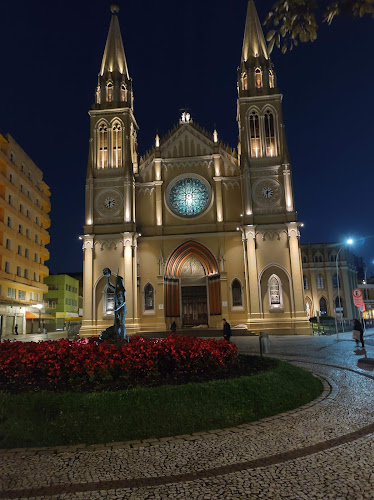
Catedral Basílica Menor de Nossa Senhora da Luz dos Pinhais
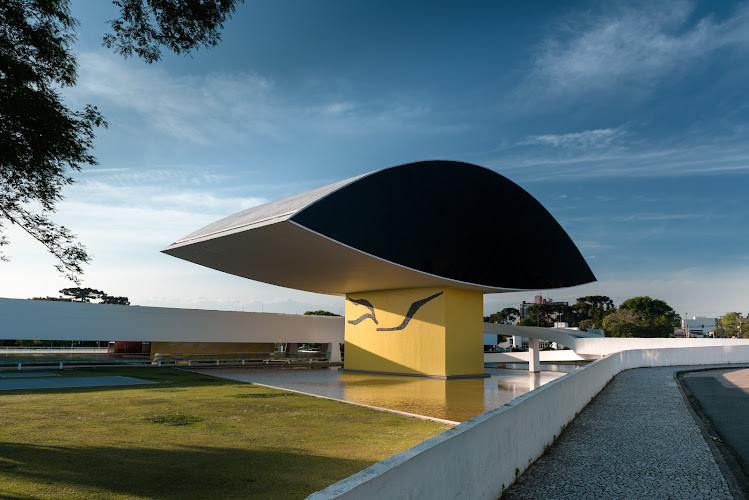
Museu Oscar Niemeyer

Escultura da Ave
Find Accommodations Nearby
Recommended Tours & Activities
Visitor Reviews
There are no reviews yet. Be the first one to write one.
Share Your Experience
Have you visited Natural History Museum Capon of Imbuia? Help other travelers by leaving a review.