
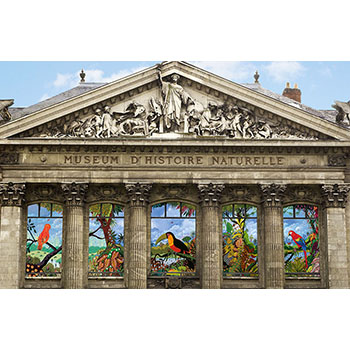
Natural History Museum
About Natural History Museum
Description
Look, I'll be honest - as someone who's spent countless hours exploring museums worldwide, the Natural History Museum is an absolute gem that genuinely takes my breath away every time I visit. The stunning neoclassical architecture alone is worth stopping to admire, but it's what's inside that really gets me excited. Y'know how some museums can feel a bit stuffy? Not this one! The moment you step through those grand entrance doors, you're transported into a world where centuries of natural wonders come alive. The Napoleonic-era collections are particularly fascinating - I mean, where else can you see such an extensive array of perfectly preserved specimens from that specific period in history? The taxidermy collection is seriously impressive (and occasionally a tiny bit creepy, in the best possible way), while the mineral exhibition literally sparkles with some of the most beautiful specimens I've ever laid eyes on.Key Features
• Extensive collection of animal bones spanning multiple centuries • Remarkable taxidermy specimens showcasing extinct and rare species • Breathtaking mineral gallery featuring specimens from around the globe • Interactive educational displays perfect for curious minds • Regular live performances and special exhibitions • Stunning neoclassical architecture that dates back generations • Comprehensive research library for those wanting to dive deeper • Collection of rare specimens from the Napoleonic era • Climate-controlled exhibition spaces protecting delicate artifacts • Educational programs and workshops for all age groupsBest Time to Visit
From my experience, weekday mornings are absolutely perfect for exploring the museum without feeling rushed. I typically recommend arriving right when the doors open - that's when you'll get those peaceful moments to really soak in the exhibits without dodging other visitors' selfie sticks. And trust me on this one: avoid school holidays if you can, unless you don't mind sharing space with excited kindergarteners (which, let's be real, can actually make the experience more entertaining sometimes!). Winter months tend to be quieter, making it ideal for serious museum enthusiasts who want to take their time examining the collections. But summer brings special exhibitions and live performances that really bring the place to life. Personally, I love visiting during shoulder season - think March or October - when you get the best of both worlds: special programs are still running, but crowds are manageable.How to Get There
Getting to the museum is pretty straightforward, and I say this as someone who's notorious for getting lost! Public transportation is your best bet - multiple bus lines stop nearby, and there's a convenient subway station within walking distance. If you're driving (though I wouldn't really recommend it), there's paid street parking available, but spaces fill up quick, especially on weekends. For those using ride-share services, there's a designated drop-off point right near the entrance. And here's a little secret I've learned: the side entrance often has shorter queues than the main one, though you'll miss out on that grand first impression of the main hall.Tips for Visiting
Ok, let me share some insider tips I've picked up over my many visits. First off, the museum is totally accessible - there are wheelchair-friendly entrances, restrooms, and pathways throughout. The Wi-Fi is free and actually pretty decent, which is great for looking up additional info about exhibits that catch your eye. Bring a water bottle - you'll do more walking than you expect! The museum is super family-friendly, and I've noticed the staff are particularly patient with curious kids who have endless questions. There's no restaurant inside, but plenty of great spots nearby for lunch. Pro tip: the mineral gallery has amazing lighting in the afternoon when the sun hits just right - perfect for photos! If you're planning to spend the whole day (which I highly recommend), take breaks between sections. Those benches in the main halls aren't just for show! The museum can be overwhelming with its vast collections, so pace yourself. Oh, and don't skip the smaller exhibits - some of the most fascinating pieces are tucked away in corners that most visitors rush past. Remember to check their schedule for live performances - these really bring the exhibits to life and help you understand the historical context better. And while the main attractions are fantastic, some of my favorite moments have been discovering the lesser-known exhibits that don't make it into the guidebooks.Key Features
- Key Features
- Best Time to Visit
- How to Get There
- Tips for Visiting
More Details
Updated May 12, 2025
Table of Contents
Description
Look, I’ll be honest – as someone who’s spent countless hours exploring museums worldwide, the Natural History Museum is an absolute gem that genuinely takes my breath away every time I visit. The stunning neoclassical architecture alone is worth stopping to admire, but it’s what’s inside that really gets me excited. Y’know how some museums can feel a bit stuffy? Not this one!
The moment you step through those grand entrance doors, you’re transported into a world where centuries of natural wonders come alive. The Napoleonic-era collections are particularly fascinating – I mean, where else can you see such an extensive array of perfectly preserved specimens from that specific period in history? The taxidermy collection is seriously impressive (and occasionally a tiny bit creepy, in the best possible way), while the mineral exhibition literally sparkles with some of the most beautiful specimens I’ve ever laid eyes on.
Key Features
• Extensive collection of animal bones spanning multiple centuries
• Remarkable taxidermy specimens showcasing extinct and rare species
• Breathtaking mineral gallery featuring specimens from around the globe
• Interactive educational displays perfect for curious minds
• Regular live performances and special exhibitions
• Stunning neoclassical architecture that dates back generations
• Comprehensive research library for those wanting to dive deeper
• Collection of rare specimens from the Napoleonic era
• Climate-controlled exhibition spaces protecting delicate artifacts
• Educational programs and workshops for all age groups
Best Time to Visit
From my experience, weekday mornings are absolutely perfect for exploring the museum without feeling rushed. I typically recommend arriving right when the doors open – that’s when you’ll get those peaceful moments to really soak in the exhibits without dodging other visitors’ selfie sticks. And trust me on this one: avoid school holidays if you can, unless you don’t mind sharing space with excited kindergarteners (which, let’s be real, can actually make the experience more entertaining sometimes!).
Winter months tend to be quieter, making it ideal for serious museum enthusiasts who want to take their time examining the collections. But summer brings special exhibitions and live performances that really bring the place to life. Personally, I love visiting during shoulder season – think March or October – when you get the best of both worlds: special programs are still running, but crowds are manageable.
How to Get There
Getting to the museum is pretty straightforward, and I say this as someone who’s notorious for getting lost! Public transportation is your best bet – multiple bus lines stop nearby, and there’s a convenient subway station within walking distance. If you’re driving (though I wouldn’t really recommend it), there’s paid street parking available, but spaces fill up quick, especially on weekends.
For those using ride-share services, there’s a designated drop-off point right near the entrance. And here’s a little secret I’ve learned: the side entrance often has shorter queues than the main one, though you’ll miss out on that grand first impression of the main hall.
Tips for Visiting
Ok, let me share some insider tips I’ve picked up over my many visits. First off, the museum is totally accessible – there are wheelchair-friendly entrances, restrooms, and pathways throughout. The Wi-Fi is free and actually pretty decent, which is great for looking up additional info about exhibits that catch your eye.
Bring a water bottle – you’ll do more walking than you expect! The museum is super family-friendly, and I’ve noticed the staff are particularly patient with curious kids who have endless questions. There’s no restaurant inside, but plenty of great spots nearby for lunch. Pro tip: the mineral gallery has amazing lighting in the afternoon when the sun hits just right – perfect for photos!
If you’re planning to spend the whole day (which I highly recommend), take breaks between sections. Those benches in the main halls aren’t just for show! The museum can be overwhelming with its vast collections, so pace yourself. Oh, and don’t skip the smaller exhibits – some of the most fascinating pieces are tucked away in corners that most visitors rush past.
Remember to check their schedule for live performances – these really bring the exhibits to life and help you understand the historical context better. And while the main attractions are fantastic, some of my favorite moments have been discovering the lesser-known exhibits that don’t make it into the guidebooks.
Key Highlights
- Key Features
- Best Time to Visit
- How to Get There
- Tips for Visiting
Location
Places to Stay Near Natural History Museum
Find and Book a Tour
Explore More Travel Guides
No reviews found! Be the first to review!
Traveler Reviews for Natural History Museum
There are no reviews yet. Be the first one to write one.
Have you visited Natural History Museum? Help other travelers by sharing your review.
You Might Also Like

Le Grand Éléphant
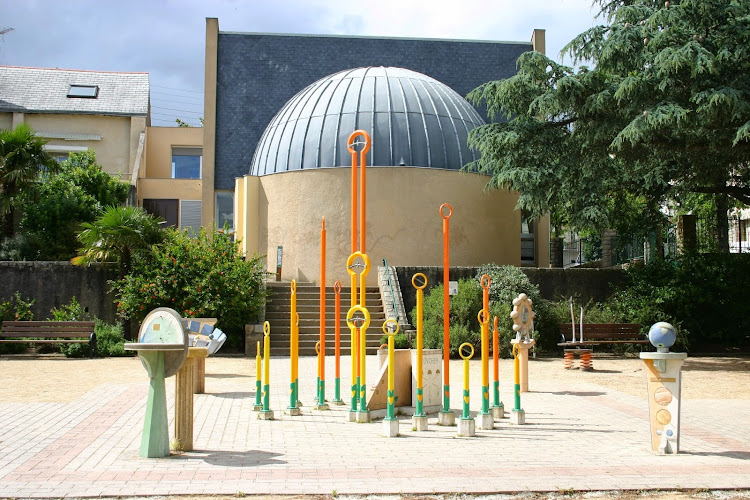
Planetarium De Nantes
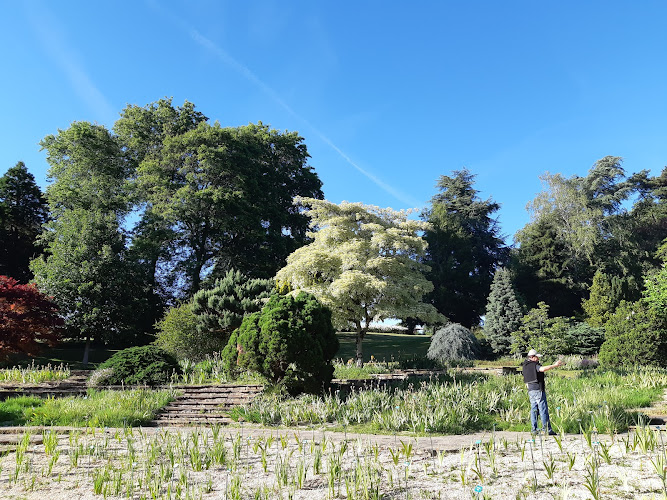
Park La Beaujoire
Find Accommodations Nearby
Recommended Tours & Activities
Visitor Reviews
There are no reviews yet. Be the first one to write one.
Share Your Experience
Have you visited Natural History Museum? Help other travelers by leaving a review.