

National Museum of Ancient Art
About National Museum of Ancient Art
Description
The National Museum of Ancient Art in Lisbon is one of those places that quietly takes your breath away. Housed in a 17th-century palace overlooking the Tagus River, it’s a space where time seems to slow down—where centuries of artistic brilliance sit side by side under one elegant roof. The building itself has that old-world charm that only Lisbon can pull off: ornate yet approachable, grand but not intimidating. Inside, it’s a treasure chest of European art, sculpture, and decorative pieces that stretch from the Middle Ages all the way to the 19th century. It’s often called Portugal’s national gallery for good reason—it’s the beating heart of the country’s artistic heritage.
Now, I’ve been to plenty of art museums that left me feeling a bit lost or overwhelmed, but this one? It feels different. Maybe it’s the way the rooms flow naturally from one era to another, or how sunlight filters through those tall palace windows, casting a soft glow over centuries-old paintings. Or maybe it’s the quiet hum of visitors—locals, tourists, students—all drawn here for the same reason: to connect with art that tells the story of Portugal’s soul. You’ll find works by Portuguese masters hanging alongside European icons, and if you’re a fan of Hieronymus Bosch, prepare yourself. His triptych “The Temptation of St. Anthony” alone is worth the visit—it’s haunting, detailed, and mesmerizing in that slightly unsettling way Bosch is famous for.
But the museum isn’t just about paintings. There’s sculpture, goldsmithing, textiles, and furniture that reveal how art and daily life intertwined centuries ago. And if you’re someone who loves spotting the small details—the brushstrokes, the cracks in the varnish, the faint signatures of forgotten artists—you’ll be in heaven here. It’s a place that rewards slow exploration. You could easily spend hours wandering through its galleries, stopping every few steps to admire something unexpected. And when your feet start to protest (which they probably will), there’s a lovely café tucked away with a terrace that offers a peaceful view of the river. Grab a coffee, take a deep breath, and just let the atmosphere sink in.
Key Features
- Extensive Collection: Over 40,000 works of art, including paintings, sculptures, ceramics, textiles, and decorative arts from the 12th to the 19th centuries.
- Famous Masterpieces: Highlights include Hieronymus Bosch’s “The Temptation of St. Anthony” and Nuno Gonçalves’s “Panels of Saint Vincent.”
- Architectural Heritage: Set in a 17th-century palace that once belonged to the Counts of Alvor, beautifully restored yet retaining its historic character.
- International Diversity: Features Portuguese, European, African, and Oriental art, reflecting Portugal’s global connections during the Age of Discovery.
- Family-Friendly: Offers child-friendly exhibits, changing tables, and interactive learning opportunities for younger visitors.
- Accessibility: Fully wheelchair accessible, with accessible restrooms and parking facilities.
- On-Site Amenities: Includes a restaurant, restrooms, and a quiet terrace café with river views—ideal for a mid-visit break.
- Electric Vehicle Charging: Equipped with Type 2 slow EV chargers for visitors arriving by electric car.
Best Time to Visit
Honestly, there isn’t a bad time to visit the National Museum of Ancient Art, but some moments feel more magical than others. Weekday mornings are perfect if you prefer a quieter experience—fewer crowds, softer light, and more time to linger in front of your favorite pieces. I once went on a Tuesday morning in early spring, and it felt like I had the place almost to myself. The silence in those galleries was almost sacred. If you’re visiting in summer, go early or late in the afternoon to avoid the midday rush (and the Lisbon heat). The museum’s air conditioning is reliable, but nothing beats stepping out onto the terrace at golden hour, when the Tagus shimmers like liquid gold below you.
Winter visits have their charm too. There’s something cozy about wandering through centuries of art while rain taps gently against the palace windows. And during the holidays, the museum sometimes hosts special exhibitions or themed tours that add an extra layer of excitement. If you’re the type who likes to pair culture with atmosphere, keep an eye out for evening events or temporary exhibits—they often bring the museum to life in unexpected ways.
How to Get There
Getting to the National Museum of Ancient Art is pretty straightforward, even if you’re new to Lisbon. The museum sits in the Santos district, not far from the city center. If you’re staying near Baixa or Chiado, it’s just a short tram ride away—Tram 15 or 18 will drop you close by. Personally, I love taking the tram in Lisbon; it’s part of the experience, rattling through narrow streets with glimpses of the river between buildings. If you prefer walking, it’s about a 25-minute stroll from Cais do Sodré, and the route takes you past some lovely cafés and antique shops along Rua das Janelas Verdes.
For those driving, there’s parking nearby, including accessible spaces for visitors with mobility needs. And if you’re driving an electric car, you’ll find Type 2 slow chargers available—though they can be in use during peak hours, so plan ahead. Taxis and rideshares are also easy to find in Lisbon, and drivers know the museum well. Just say “Museu Nacional de Arte Antiga,” and you’ll be there in no time.
Tips for Visiting
If you really want to make the most of your visit, here are a few things I’ve learned from experience (and a few missteps). First, wear comfortable shoes. It sounds obvious, but those marble floors can be surprisingly unforgiving after a couple of hours. Second, don’t rush. This isn’t the kind of museum you power through—it’s one you savor. Take your time with each piece, especially the lesser-known ones. Some of my favorite discoveries weren’t the famous paintings but small decorative objects tucked away in side galleries.
Photography is allowed in most areas, but always check the signs—some special exhibits have restrictions. And if you’re a sketcher or journaler, bring your notebook. There’s something deeply satisfying about sitting quietly in front of a centuries-old artwork and jotting down your thoughts. The museum staff are friendly and used to visitors lingering longer than expected, so don’t worry about taking your time.
Plan to spend at least two to three hours here. More if you’re an art lover or history buff. And when you’re done, don’t skip the museum shop—it’s one of the better ones in Lisbon, with beautiful art books, prints, and locally made gifts that actually feel worth buying. I still have a small ceramic tile I picked up there years ago sitting on my desk, a little reminder of how art can sneak into your everyday life.
Finally, if you’re traveling with kids, you’ll be glad to know the museum is surprisingly family-friendly. There are changing tables, plenty of space for strollers, and exhibits that spark curiosity even in younger visitors. The staff often organize workshops and family tours on weekends, which can make the visit more engaging for everyone. And if you’re someone who likes to pair culture with good food, the on-site restaurant is a gem—simple, fresh Portuguese dishes served with that unbeatable river view. Perfect way to end your visit, if you ask me.
In short, the National Museum of Ancient Art isn’t just a place to see old paintings—it’s a place to feel history, to understand how art shaped Portugal’s identity, and to spend a few hours surrounded by beauty that still feels alive. Whether you’re a seasoned traveler or just someone who loves a good story told through art, this museum has a way of staying with you long after you’ve walked back out into the Lisbon sunlight.
Key Features
- Key Features
- Best Time to Visit
- How to Get There
- Tips for Visiting
More Details
Updated October 8, 2025
Table of Contents
Description
The National Museum of Ancient Art in Lisbon is one of those places that quietly takes your breath away. Housed in a 17th-century palace overlooking the Tagus River, it’s a space where time seems to slow down—where centuries of artistic brilliance sit side by side under one elegant roof. The building itself has that old-world charm that only Lisbon can pull off: ornate yet approachable, grand but not intimidating. Inside, it’s a treasure chest of European art, sculpture, and decorative pieces that stretch from the Middle Ages all the way to the 19th century. It’s often called Portugal’s national gallery for good reason—it’s the beating heart of the country’s artistic heritage.
Now, I’ve been to plenty of art museums that left me feeling a bit lost or overwhelmed, but this one? It feels different. Maybe it’s the way the rooms flow naturally from one era to another, or how sunlight filters through those tall palace windows, casting a soft glow over centuries-old paintings. Or maybe it’s the quiet hum of visitors—locals, tourists, students—all drawn here for the same reason: to connect with art that tells the story of Portugal’s soul. You’ll find works by Portuguese masters hanging alongside European icons, and if you’re a fan of Hieronymus Bosch, prepare yourself. His triptych “The Temptation of St. Anthony” alone is worth the visit—it’s haunting, detailed, and mesmerizing in that slightly unsettling way Bosch is famous for.
But the museum isn’t just about paintings. There’s sculpture, goldsmithing, textiles, and furniture that reveal how art and daily life intertwined centuries ago. And if you’re someone who loves spotting the small details—the brushstrokes, the cracks in the varnish, the faint signatures of forgotten artists—you’ll be in heaven here. It’s a place that rewards slow exploration. You could easily spend hours wandering through its galleries, stopping every few steps to admire something unexpected. And when your feet start to protest (which they probably will), there’s a lovely café tucked away with a terrace that offers a peaceful view of the river. Grab a coffee, take a deep breath, and just let the atmosphere sink in.
Key Features
- Extensive Collection: Over 40,000 works of art, including paintings, sculptures, ceramics, textiles, and decorative arts from the 12th to the 19th centuries.
- Famous Masterpieces: Highlights include Hieronymus Bosch’s “The Temptation of St. Anthony” and Nuno Gonçalves’s “Panels of Saint Vincent.”
- Architectural Heritage: Set in a 17th-century palace that once belonged to the Counts of Alvor, beautifully restored yet retaining its historic character.
- International Diversity: Features Portuguese, European, African, and Oriental art, reflecting Portugal’s global connections during the Age of Discovery.
- Family-Friendly: Offers child-friendly exhibits, changing tables, and interactive learning opportunities for younger visitors.
- Accessibility: Fully wheelchair accessible, with accessible restrooms and parking facilities.
- On-Site Amenities: Includes a restaurant, restrooms, and a quiet terrace café with river views—ideal for a mid-visit break.
- Electric Vehicle Charging: Equipped with Type 2 slow EV chargers for visitors arriving by electric car.
Best Time to Visit
Honestly, there isn’t a bad time to visit the National Museum of Ancient Art, but some moments feel more magical than others. Weekday mornings are perfect if you prefer a quieter experience—fewer crowds, softer light, and more time to linger in front of your favorite pieces. I once went on a Tuesday morning in early spring, and it felt like I had the place almost to myself. The silence in those galleries was almost sacred. If you’re visiting in summer, go early or late in the afternoon to avoid the midday rush (and the Lisbon heat). The museum’s air conditioning is reliable, but nothing beats stepping out onto the terrace at golden hour, when the Tagus shimmers like liquid gold below you.
Winter visits have their charm too. There’s something cozy about wandering through centuries of art while rain taps gently against the palace windows. And during the holidays, the museum sometimes hosts special exhibitions or themed tours that add an extra layer of excitement. If you’re the type who likes to pair culture with atmosphere, keep an eye out for evening events or temporary exhibits—they often bring the museum to life in unexpected ways.
How to Get There
Getting to the National Museum of Ancient Art is pretty straightforward, even if you’re new to Lisbon. The museum sits in the Santos district, not far from the city center. If you’re staying near Baixa or Chiado, it’s just a short tram ride away—Tram 15 or 18 will drop you close by. Personally, I love taking the tram in Lisbon; it’s part of the experience, rattling through narrow streets with glimpses of the river between buildings. If you prefer walking, it’s about a 25-minute stroll from Cais do Sodré, and the route takes you past some lovely cafés and antique shops along Rua das Janelas Verdes.
For those driving, there’s parking nearby, including accessible spaces for visitors with mobility needs. And if you’re driving an electric car, you’ll find Type 2 slow chargers available—though they can be in use during peak hours, so plan ahead. Taxis and rideshares are also easy to find in Lisbon, and drivers know the museum well. Just say “Museu Nacional de Arte Antiga,” and you’ll be there in no time.
Tips for Visiting
If you really want to make the most of your visit, here are a few things I’ve learned from experience (and a few missteps). First, wear comfortable shoes. It sounds obvious, but those marble floors can be surprisingly unforgiving after a couple of hours. Second, don’t rush. This isn’t the kind of museum you power through—it’s one you savor. Take your time with each piece, especially the lesser-known ones. Some of my favorite discoveries weren’t the famous paintings but small decorative objects tucked away in side galleries.
Photography is allowed in most areas, but always check the signs—some special exhibits have restrictions. And if you’re a sketcher or journaler, bring your notebook. There’s something deeply satisfying about sitting quietly in front of a centuries-old artwork and jotting down your thoughts. The museum staff are friendly and used to visitors lingering longer than expected, so don’t worry about taking your time.
Plan to spend at least two to three hours here. More if you’re an art lover or history buff. And when you’re done, don’t skip the museum shop—it’s one of the better ones in Lisbon, with beautiful art books, prints, and locally made gifts that actually feel worth buying. I still have a small ceramic tile I picked up there years ago sitting on my desk, a little reminder of how art can sneak into your everyday life.
Finally, if you’re traveling with kids, you’ll be glad to know the museum is surprisingly family-friendly. There are changing tables, plenty of space for strollers, and exhibits that spark curiosity even in younger visitors. The staff often organize workshops and family tours on weekends, which can make the visit more engaging for everyone. And if you’re someone who likes to pair culture with good food, the on-site restaurant is a gem—simple, fresh Portuguese dishes served with that unbeatable river view. Perfect way to end your visit, if you ask me.
In short, the National Museum of Ancient Art isn’t just a place to see old paintings—it’s a place to feel history, to understand how art shaped Portugal’s identity, and to spend a few hours surrounded by beauty that still feels alive. Whether you’re a seasoned traveler or just someone who loves a good story told through art, this museum has a way of staying with you long after you’ve walked back out into the Lisbon sunlight.
Key Highlights
- Key Features
- Best Time to Visit
- How to Get There
- Tips for Visiting
Location
Places to Stay Near National Museum of Ancient Art
Find and Book a Tour
Explore More Travel Guides
No reviews found! Be the first to review!
Traveler Reviews for National Museum of Ancient Art
There are no reviews yet. Be the first one to write one.
Have you visited National Museum of Ancient Art? Help other travelers by sharing your review.
You Might Also Like

Miradouro de São Pedro de Alcântara
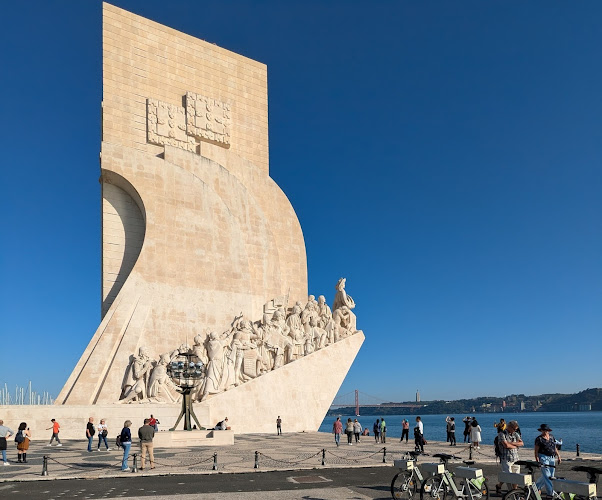
Monument to the Discoveries

Lisbon Cathedral
Find Accommodations Nearby
Recommended Tours & Activities
Visitor Reviews
There are no reviews yet. Be the first one to write one.
Share Your Experience
Have you visited National Museum of Ancient Art? Help other travelers by leaving a review.