
Monument to the Discoveries
About Monument to the Discoveries
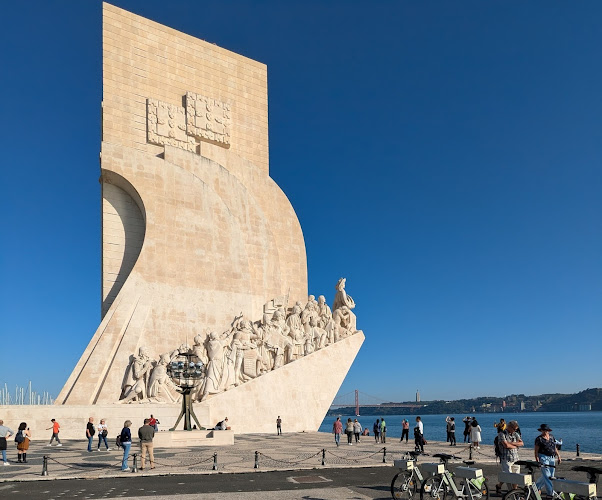
The Monument to the Discoveries stands proudly along the Tagus River, a striking tribute to Portugal’s Age of Exploration and the fearless spirit that once carried its sailors across unknown seas. Built originally in 1940 for the Portuguese World Exhibition and later made permanent in 1960, this colossal sculpture honors the 500th anniversary of Prince Henry the Navigator’s death — the man who quite literally set the course for Portugal’s maritime legacy.
Standing before it, you can’t help but feel small. The monument rises like the prow of a ship, its stone figures frozen mid-stride, gazing toward the horizon as if ready to embark once more. There’s a certain quiet energy about it — a mix of pride, nostalgia, and maybe a hint of melancholy. You can almost imagine the creak of wooden decks and the flutter of sails in the wind.
I remember my first time there — the sun was dipping low, casting long shadows of the statues across the marble square. A street musician was playing a soft fado tune nearby, and somehow it all felt poetic. The monument isn’t just a piece of architecture; it’s a story carved in stone, one that still whispers to anyone willing to listen.
While many visitors come here for the panoramic views from the top, I’d argue the real magic lies in the details — the intricate carvings, the way the light hits the limestone, and that subtle sense of adventure that lingers in the air. Sure, it can get crowded, and yes, the elevator line might test your patience, but once you’re up there, gazing over Belém, the 25 de Abril Bridge, and the shimmering river — you realize it’s worth every minute.
Key Features
- Architectural Symbolism: Designed to resemble a caravel’s prow, the monument features 33 sculpted figures representing explorers, cartographers, and monarchs who shaped Portugal’s maritime history.
- Observation Deck: An elevator takes you to the top for a sweeping 360° view of Belém, the Jerónimos Monastery, and the Tagus River.
- Compass Rose Mosaic: At the monument’s base lies a massive marble compass and world map, gifted by South Africa, illustrating the routes of Portuguese explorers.
- Exhibition Hall: Inside, rotating exhibits showcase Portugal’s maritime past, with interactive displays and historical artifacts.
- Accessibility: Equipped with an elevator and onsite services, making it accessible to most visitors.
- Nearby Attractions: Located close to other landmarks like the Belém Tower and the Jerónimos Monastery, making it easy to plan a full day of exploration.
And here’s a little secret — if you visit in the late afternoon, the sunlight hits the stone just right, making the figures glow like they’re alive. It’s one of those sights you don’t forget easily.
Best Time to Visit
If you’re not a fan of crowds (and who really is?), aim for early mornings or late afternoons. The golden hour light is perfect for photos, and the temperature is more forgiving. Spring and autumn are ideal — mild weather, fewer tour buses, and just the right amount of breeze along the river.
Summer can be beautiful, but also busy and hot — standing in line for the elevator under the midday sun isn’t exactly a dream. Winter has its charm too, especially when the skies are clear. There’s something peaceful about the monument under a crisp blue sky, with the river quietly flowing beside it.
One thing I’ve learned from traveling around Lisbon: timing can make or break your experience. So, if you can, plan your visit around sunset. Watching the sky turn pink and orange behind the monument feels almost cinematic.
How to Get There
Getting to the Monument to the Discoveries is quite straightforward, and honestly, half the fun is the journey itself. If you’re staying in central Lisbon, hop on tram 15E — it’s a classic experience and drops you right in Belém. Buses and trains also run regularly from Cais do Sodré, and if you’re feeling adventurous, you can even rent an electric scooter and follow the riverside path.
Driving is possible, though parking in Belém can be tricky during peak hours. There’s a paid parking lot nearby, but it fills up quickly, especially on weekends. If you’re like me and prefer a more relaxed approach, walking along the waterfront is a lovely way to arrive — you’ll pass cafés, gardens, and the scent of freshly baked pastéis de nata drifting from the famous bakery nearby.
And don’t worry about getting lost — the monument is hard to miss. Its towering shape stands out against the skyline, pointing seaward like a beacon from the past.
Tips for Visiting
Here’s where I get a bit personal — because after a few visits (and a few mistakes), I’ve learned what really makes a trip here smooth and memorable.
- Arrive Early: The morning calm is unbeatable. You’ll have space to breathe, photograph, and take in the details without the constant shuffle of tour groups.
- Bring Water and Sunscreen: The open square offers little shade, and the Lisbon sun can be surprisingly strong, even in spring.
- Take the Elevator Up: The view from the top is worth it. You’ll see the entire Belém district laid out like a map — the monastery, the river, and even the bridge stretching across the horizon.
- Explore the Surroundings: Don’t rush off after your visit. Grab a coffee at a riverside café, or walk to the nearby gardens for some quiet time.
- Visit the Exhibition: It’s easy to skip, but the small museum inside offers context that deepens your appreciation for what the monument represents.
- Evening Visits: If you can, return at dusk. The monument takes on a golden glow, and the atmosphere becomes almost meditative.
One small thing that often surprises visitors — the monument’s interior is more modern than you might expect. Clean lines, minimalist design, and subtle lighting make it feel like stepping into a different world compared to the ornate exterior. It’s a nice contrast that reflects Portugal’s blend of old and new.
I also think it’s worth mentioning that while the monument celebrates exploration, it also invites reflection. The Age of Discovery brought great achievements, yes, but also complex histories. Standing there, it’s impossible not to think about both sides of that story — the courage of the explorers and the realities of the people and lands they encountered. It’s that layered history that makes the Monument to the Discoveries more than just a photo stop; it’s a place to think, to feel, and to understand a piece of what shaped the world we know today.
So, whether you’re a history buff, a photographer, or just someone who enjoys a good view, this monument deserves a spot on your Lisbon itinerary. Take your time, look closer, and let the stories carved in stone speak for themselves. After all, travel isn’t just about seeing places — it’s about connecting with them, and this one has plenty to say if you’re willing to listen.
You Might Also Like

1100-148 Lisbon
1400-038 Lisbon

Aqueduto das Águas Livres - view point
Tours & Activities
GetYourGuide provides this tour inventory. We may earn a commission if you book through it; verify current availability, prices, and terms with the provider.
Visitor Reviews
There are no reviews yet. Be the first one to write one.
Share Your Experience
Have you visited Monument to the Discoveries? Help other travelers by leaving a review.