

Lisbon Cathedral
About Lisbon Cathedral
Description
Lisbon Cathedral, or Sé de Lisboa as locals call it, stands proudly as one of the city’s oldest and most enduring landmarks. Built in the 12th century after King Afonso Henriques and his crusaders reclaimed Lisbon from Moorish rule, it’s a living timeline of Portugal’s history carved in stone. Over the centuries, earthquakes—especially the infamous one in 1755—shook it to its core, forcing multiple reconstructions. That’s why today, the cathedral is a fascinating blend of Romanesque strength, Gothic grace, and Baroque embellishment. It’s not perfect, but that’s exactly what makes it so captivating. Every crack, every uneven arch tells a story of survival and rebirth.
Walking inside, the dim light filters through narrow stained-glass windows, giving the air a kind of sacred calm. There’s something grounding about it—like stepping into a place that’s seen everything from royal weddings to trembling prayers during disasters. Some visitors find it austere at first glance, but linger a bit longer and you start noticing the details: the worn stone steps, the intricate carvings, the faint smell of old wood and wax. It’s easy to imagine monks and townsfolk gathering here centuries ago, seeking solace from the chaos outside.
Despite the crowds that often fill its nave, the cathedral still feels personal. Maybe it’s the way the light hits the altar at certain hours, or the quiet hum of whispered prayers. It’s not the most ornate cathedral in Europe, but it has a kind of rugged beauty—one that grows on you the longer you stay.
Key Features
- Romanesque façade: The fortress-like exterior with twin bell towers gives the cathedral a defensive, almost castle-like appearance, a reminder of its medieval origins.
- Gothic cloisters: Beneath the cloisters, archaeologists discovered remnants of Roman and Moorish structures, offering a fascinating glimpse into Lisbon’s layered past.
- Baroque chapels: Later additions bring warmth and grandeur, contrasting beautifully with the older, rougher stonework.
- Treasure museum: Houses sacred relics, medieval manuscripts, and ornate vestments that reveal the cathedral’s deep religious heritage.
- Balcony views: From the upper levels, visitors can enjoy sweeping views of Alfama’s rooftops and the shimmering Tagus River.
And if you’re a history buff like me, you’ll love how the building itself feels like a living museum. Each restoration left a mark, so you can literally trace the evolution of Lisbon’s architecture just by wandering from one chapel to another.
Best Time to Visit
If you ask me, mornings are the sweet spot. The cathedral opens early, and the first rays of sunlight pour through the stained glass, painting soft colors across the stone walls. It’s quieter then, too—you can actually hear your footsteps echo. Late afternoons can be beautiful as well, especially when the golden hour light hits the façade, but that’s also when tour groups tend to roll in.
Spring (April to June) and autumn (September to early November) are ideal seasons. The weather is comfortable, and you can combine your cathedral visit with a leisurely stroll through Alfama’s narrow lanes. Summer can be scorching, and the interiors, though cooler, can get crowded fast. Winter has its charm—fewer tourists and a moody atmosphere—but Lisbon’s rain can be unpredictable.
Personally, I once visited on a drizzly December afternoon, and the sound of raindrops tapping on the roof while candles flickered inside made the whole experience oddly magical. It felt like stepping back in time.
How to Get There
Getting to Lisbon Cathedral is pretty straightforward. It’s located right in the heart of Alfama, one of Lisbon’s oldest neighborhoods, so you’ll likely pass it even if you’re just wandering around. If you’re using public transport, tram 28—the city’s most famous route—stops nearby and adds a bit of old-world charm to your journey. Buses and tuk-tuks also make frequent stops in the area, but honestly, walking is half the fun.
The streets are steep and cobbled (wear comfy shoes, trust me), but the views along the way make it worth it. You’ll pass pastel-colored houses, laundry fluttering from balconies, and the occasional Fado singer serenading from a doorway. If you’re driving, parking can be tricky and limited, so it’s best to leave the car behind.
For those with mobility concerns, it’s important to note that the cathedral’s entrance and parking aren’t wheelchair accessible. The terrain around Alfama can be uneven too, so planning ahead helps.
Tips for Visiting
A few things I’ve learned from visiting (and revisiting) Lisbon Cathedral over the years might help you make the most of it.
- Go early or late: Beat the crowds by visiting right after opening or just before closing. The atmosphere is calmer, and you’ll have better photo opportunities.
- Dress respectfully: It’s an active place of worship. Shoulders covered, hats off—it’s just good manners.
- Explore the cloisters: Many visitors skip this area, but it’s one of the most atmospheric parts of the cathedral. The quiet garden and archaeological digs are fascinating.
- Bring cash: Some small entry fees or donations may not accept cards, and it’s nice to leave a little something for the upkeep of such a historic site.
- Take your time: Don’t rush. Sit for a moment, let the silence sink in. There’s a kind of peace here you won’t find in the busier tourist spots.
If you’re into photography, keep an eye on the light—it changes dramatically throughout the day. The interplay between shadow and stone can make even a simple doorway look cinematic. And for those who enjoy a good view, climb up to the upper levels if they’re open; the panorama over Alfama is unforgettable.
One last thing: after your visit, grab a coffee or a pastel de nata from one of the nearby cafés. Sit outside, watch the trams rattle by, and take in the rhythm of Lisbon life. The cathedral might be centuries old, but it’s still very much part of the city’s heartbeat.
In the end, Lisbon Cathedral isn’t just a monument—it’s a survivor. It has endured wars, earthquakes, and the passage of time, yet still stands strong, welcoming anyone curious enough to step inside. Whether you’re drawn by faith, history, or just the sheer beauty of old architecture, you’ll walk away with something more than just photos. You’ll carry a piece of Lisbon’s soul with you.
Key Features
- Key Features
- Best Time to Visit
- How to Get There
- Tips for Visiting
More Details
Updated October 8, 2025
Table of Contents
Description
Lisbon Cathedral, or Sé de Lisboa as locals call it, stands proudly as one of the city’s oldest and most enduring landmarks. Built in the 12th century after King Afonso Henriques and his crusaders reclaimed Lisbon from Moorish rule, it’s a living timeline of Portugal’s history carved in stone. Over the centuries, earthquakes—especially the infamous one in 1755—shook it to its core, forcing multiple reconstructions. That’s why today, the cathedral is a fascinating blend of Romanesque strength, Gothic grace, and Baroque embellishment. It’s not perfect, but that’s exactly what makes it so captivating. Every crack, every uneven arch tells a story of survival and rebirth.
Walking inside, the dim light filters through narrow stained-glass windows, giving the air a kind of sacred calm. There’s something grounding about it—like stepping into a place that’s seen everything from royal weddings to trembling prayers during disasters. Some visitors find it austere at first glance, but linger a bit longer and you start noticing the details: the worn stone steps, the intricate carvings, the faint smell of old wood and wax. It’s easy to imagine monks and townsfolk gathering here centuries ago, seeking solace from the chaos outside.
Despite the crowds that often fill its nave, the cathedral still feels personal. Maybe it’s the way the light hits the altar at certain hours, or the quiet hum of whispered prayers. It’s not the most ornate cathedral in Europe, but it has a kind of rugged beauty—one that grows on you the longer you stay.
Key Features
- Romanesque façade: The fortress-like exterior with twin bell towers gives the cathedral a defensive, almost castle-like appearance, a reminder of its medieval origins.
- Gothic cloisters: Beneath the cloisters, archaeologists discovered remnants of Roman and Moorish structures, offering a fascinating glimpse into Lisbon’s layered past.
- Baroque chapels: Later additions bring warmth and grandeur, contrasting beautifully with the older, rougher stonework.
- Treasure museum: Houses sacred relics, medieval manuscripts, and ornate vestments that reveal the cathedral’s deep religious heritage.
- Balcony views: From the upper levels, visitors can enjoy sweeping views of Alfama’s rooftops and the shimmering Tagus River.
And if you’re a history buff like me, you’ll love how the building itself feels like a living museum. Each restoration left a mark, so you can literally trace the evolution of Lisbon’s architecture just by wandering from one chapel to another.
Best Time to Visit
If you ask me, mornings are the sweet spot. The cathedral opens early, and the first rays of sunlight pour through the stained glass, painting soft colors across the stone walls. It’s quieter then, too—you can actually hear your footsteps echo. Late afternoons can be beautiful as well, especially when the golden hour light hits the façade, but that’s also when tour groups tend to roll in.
Spring (April to June) and autumn (September to early November) are ideal seasons. The weather is comfortable, and you can combine your cathedral visit with a leisurely stroll through Alfama’s narrow lanes. Summer can be scorching, and the interiors, though cooler, can get crowded fast. Winter has its charm—fewer tourists and a moody atmosphere—but Lisbon’s rain can be unpredictable.
Personally, I once visited on a drizzly December afternoon, and the sound of raindrops tapping on the roof while candles flickered inside made the whole experience oddly magical. It felt like stepping back in time.
How to Get There
Getting to Lisbon Cathedral is pretty straightforward. It’s located right in the heart of Alfama, one of Lisbon’s oldest neighborhoods, so you’ll likely pass it even if you’re just wandering around. If you’re using public transport, tram 28—the city’s most famous route—stops nearby and adds a bit of old-world charm to your journey. Buses and tuk-tuks also make frequent stops in the area, but honestly, walking is half the fun.
The streets are steep and cobbled (wear comfy shoes, trust me), but the views along the way make it worth it. You’ll pass pastel-colored houses, laundry fluttering from balconies, and the occasional Fado singer serenading from a doorway. If you’re driving, parking can be tricky and limited, so it’s best to leave the car behind.
For those with mobility concerns, it’s important to note that the cathedral’s entrance and parking aren’t wheelchair accessible. The terrain around Alfama can be uneven too, so planning ahead helps.
Tips for Visiting
A few things I’ve learned from visiting (and revisiting) Lisbon Cathedral over the years might help you make the most of it.
- Go early or late: Beat the crowds by visiting right after opening or just before closing. The atmosphere is calmer, and you’ll have better photo opportunities.
- Dress respectfully: It’s an active place of worship. Shoulders covered, hats off—it’s just good manners.
- Explore the cloisters: Many visitors skip this area, but it’s one of the most atmospheric parts of the cathedral. The quiet garden and archaeological digs are fascinating.
- Bring cash: Some small entry fees or donations may not accept cards, and it’s nice to leave a little something for the upkeep of such a historic site.
- Take your time: Don’t rush. Sit for a moment, let the silence sink in. There’s a kind of peace here you won’t find in the busier tourist spots.
If you’re into photography, keep an eye on the light—it changes dramatically throughout the day. The interplay between shadow and stone can make even a simple doorway look cinematic. And for those who enjoy a good view, climb up to the upper levels if they’re open; the panorama over Alfama is unforgettable.
One last thing: after your visit, grab a coffee or a pastel de nata from one of the nearby cafés. Sit outside, watch the trams rattle by, and take in the rhythm of Lisbon life. The cathedral might be centuries old, but it’s still very much part of the city’s heartbeat.
In the end, Lisbon Cathedral isn’t just a monument—it’s a survivor. It has endured wars, earthquakes, and the passage of time, yet still stands strong, welcoming anyone curious enough to step inside. Whether you’re drawn by faith, history, or just the sheer beauty of old architecture, you’ll walk away with something more than just photos. You’ll carry a piece of Lisbon’s soul with you.
Key Highlights
- Key Features
- Best Time to Visit
- How to Get There
- Tips for Visiting
Location
Places to Stay Near Lisbon Cathedral
Find and Book a Tour
Explore More Travel Guides
No reviews found! Be the first to review!
Traveler Reviews for Lisbon Cathedral
There are no reviews yet. Be the first one to write one.
Have you visited Lisbon Cathedral? Help other travelers by sharing your review.
You Might Also Like
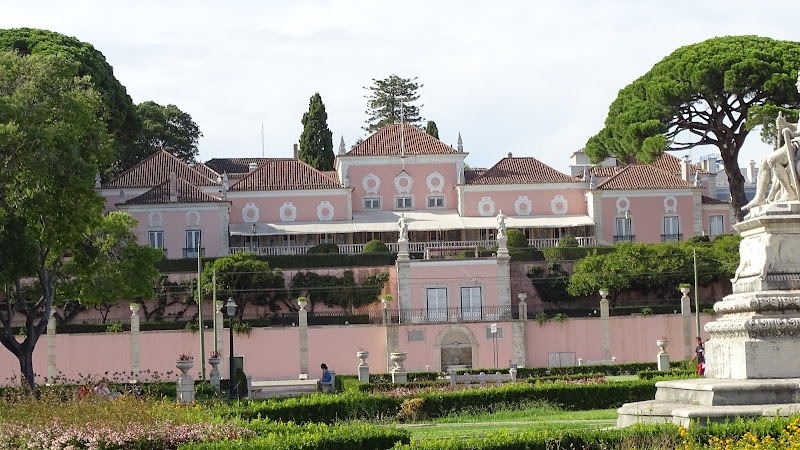
Palácio Nacional de Belém

Arco da Rua Augusta

Largo do Salvador 3
Find Accommodations Nearby
Recommended Tours & Activities
Visitor Reviews
There are no reviews yet. Be the first one to write one.
Share Your Experience
Have you visited Lisbon Cathedral? Help other travelers by leaving a review.