
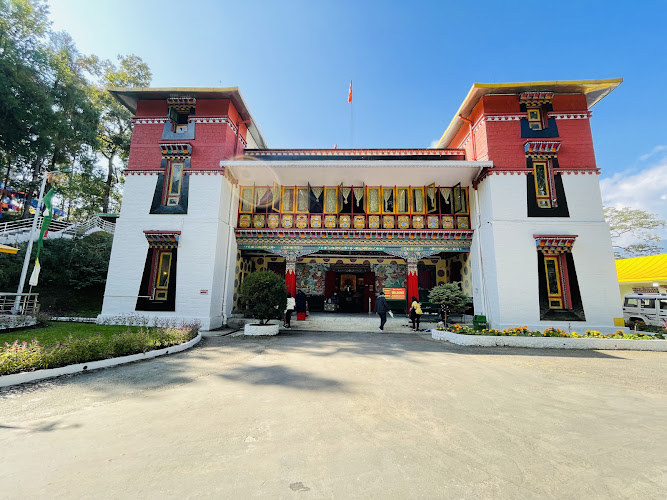
Namgyal Institute of Tibetology
About Namgyal Institute of Tibetology
Description
The Namgyal Institute of Tibetology stands as one of India's most fascinating cultural institutions, perched gracefully on the mountainous terrain of Gangtok, Sikkim. Since opening its doors in 1958, this remarkable museum has become a beacon for Buddhist scholarship and Tibetan cultural preservation. Named after Sir Tashi Namgyal, the 11th Chogyal of Sikkim, the institute serves multiple roles as a museum, research center, and library all rolled into one impressive complex.
What makes this place truly special isn't just its extensive collection of Tibetan artifacts – though those are genuinely breathtaking – but its living, breathing commitment to preserving an entire culture's legacy. You'll find yourself surrounded by ancient Buddhist manuscripts, intricate ritual objects, and sacred statues that tell stories spanning centuries. The institute houses one of the world's largest collections of Tibetan literature outside of Tibet itself, making it an invaluable resource for scholars and curious travelers alike.
The building's traditional Tibetan architecture creates an atmosphere that transports visitors into another world entirely. And honestly, there's something almost magical about walking through halls filled with prayer wheels, thangka paintings, and ceremonial masks while surrounded by the Himalayan landscape. The museum's commitment to digitizing ancient texts means they're not just preserving the past – they're ensuring these treasures remain accessible for future generations.
Key Features
The Namgyal Institute of Tibetology offers visitors an impressive array of attractions that showcase Tibetan culture in all its complexity:
- Extensive Manuscript Collection: Over 30,000 volumes of Tibetan literature, including rare Buddhist texts and historical documents that provide insight into centuries of spiritual and cultural development
- Sacred Artifact Gallery: A stunning display of ritual objects including prayer wheels, dorjes (thunderbolt symbols), singing bowls, and ceremonial daggers used in Buddhist practices
- Thangka Painting Collection: Exquisite traditional Tibetan scroll paintings depicting Buddhist deities, mandalas, and spiritual scenes painted on cotton or silk
- Statue Gallery: An impressive collection of Buddhist statues representing various deities and bodhisattvas, crafted from bronze, wood, and other traditional materials
- Research Facilities: Active research programs documenting Sikkim's monasteries and digitizing ancient texts, making this a living institution rather than just a static museum
- Traditional Architecture: The building itself serves as an exhibit, showcasing authentic Tibetan architectural elements and design principles
- Ceremonial Masks Display: Colorful and intricate masks used in traditional Cham dances and religious ceremonies
- Historical Photography Collection: Rare photographs documenting Tibet's history and the cultural heritage of the Himalayan region
Best Time to Visit
Planning your visit to the Namgyal Institute of Tibetology requires some consideration of Sikkim's mountain weather patterns, but the good news is that this indoor attraction remains accessible year-round. The institute typically operates from 10 AM to 4 PM on most days, though it's closed on Sundays and certain public holidays.
March through May offers the most comfortable weather conditions for exploring Gangtok, with clear skies providing stunning mountain views that complement your cultural experience. During this period, temperatures remain pleasant, and you won't have to worry about monsoon rains affecting your travel plans. The spring season also coincides with several Buddhist festivals, which can add an extra layer of cultural richness to your visit.
October through December presents another excellent window for visiting. The post-monsoon clarity offers spectacular views of the surrounding peaks, and the crisp mountain air makes walking around the institute grounds particularly enjoyable. Winter months can get quite chilly, but the museum's indoor nature means you'll be comfortable while exploring the collections.
I'd actually recommend avoiding the monsoon season (June through September) not because the museum closes, but because heavy rains can make getting around Gangtok challenging. Plus, the cloudy weather might obscure those magnificent Himalayan views that make the whole experience even more special.
Consider timing your visit during weekdays if possible – the institute tends to be less crowded, allowing for a more contemplative experience with the exhibits. And honestly, there's something particularly peaceful about having these sacred artifacts mostly to yourself.
How to Get There
Reaching the Namgyal Institute of Tibetology involves getting to Gangtok first, then navigating to this mountaintop location. The nearest airport is Bagdogra in West Bengal, about 124 kilometers away. From there, you'll need to arrange ground transportation to Gangtok, which typically takes around 4 hours through winding mountain roads that offer spectacular scenery along the way.
If you prefer train travel, New Jalpaiguri Railway Station serves as the closest rail connection, roughly 125 kilometers from Gangtok. Several trains connect this station to major Indian cities like Delhi, Kolkata, and Mumbai. From the railway station, shared taxis and private vehicles are readily available for the mountain journey to Sikkim's capital.
Once you're in Gangtok, the institute sits about 2 kilometers from the main town center. Local taxis are probably your most convenient option, though some visitors enjoy the uphill walk when weather permits. The road leading to the institute is well-maintained, and most drivers in Gangtok know the location without detailed directions.
For those driving their own vehicles, the institute provides free parking facilities – a real blessing given Gangtok's sometimes challenging parking situation. The parking area is wheelchair accessible, making the museum genuinely welcoming for visitors with mobility needs.
Public transportation within Gangtok is somewhat limited, but shared taxis operating on fixed routes can get you relatively close to the institute. From there, it's just a short walk uphill. But honestly, given the mountain terrain and the specific location, arranging a taxi or having your hotel organize transportation makes the most sense for most travelers.
Tips for Visiting
Photography policies at the institute can be quite strict, particularly regarding the ancient manuscripts and certain religious artifacts. Always ask permission before taking photos, and respect any restrictions – these items are genuinely irreplaceable cultural treasures. Some areas may prohibit photography entirely, while others might allow it without flash to protect delicate materials.
Dress modestly out of respect for the Buddhist cultural context. This doesn't mean you need special ceremonial clothing, but avoiding shorts, tank tops, or revealing outfits shows appropriate reverence for the sacred nature of many exhibits. Comfortable walking shoes are essential since you'll be exploring multiple floors and potentially walking uphill to reach the building.
The institute's research staff are incredibly knowledgeable and often willing to share insights about specific exhibits if you show genuine interest. Don't hesitate to ask questions – many visitors miss out on fascinating background stories because they assume everything is explained in the display labels. And trust me, the stories behind these artifacts are often as captivating as the objects themselves.
Plan to spend at least 2-3 hours here if you want to truly appreciate the collections. Rushing through defeats the purpose of visiting such a culturally rich institution. The ancient texts alone could occupy hours if you're interested in Buddhist philosophy or Tibetan history.
Bring some warm clothing even during warmer months – Gangtok's mountain location means temperatures can drop unexpectedly, and the institute's stone construction can feel cool inside. A light jacket or sweater ensures you'll be comfortable while exploring.
Consider purchasing some books or postcards from the institute's shop to support their research and preservation work. They often have unique publications about Tibetan culture that you won't find elsewhere, making for meaningful souvenirs that actually contribute to the institution's mission.
The wheelchair accessibility is genuine and well-implemented, so visitors with mobility challenges shouldn't hesitate to visit. The entrance, parking, and restroom facilities are all properly accessible, though some upper-floor exhibits might require using elevators or ramps.
Finally, approach your visit with an open mind and heart. This isn't just a museum – it's a preservation of living culture and spiritual tradition. The reverence and care evident in every exhibit reflects decades of dedication to maintaining Tibet's cultural heritage in exile. That context makes every artifact more meaningful and every moment spent here more profound.
Key Features
- Key Features
- Best Time to Visit
- How to Get There
- Tips for Visiting
More Details
Updated September 11, 2025
Table of Contents
Description
The Namgyal Institute of Tibetology stands as one of India’s most fascinating cultural institutions, perched gracefully on the mountainous terrain of Gangtok, Sikkim. Since opening its doors in 1958, this remarkable museum has become a beacon for Buddhist scholarship and Tibetan cultural preservation. Named after Sir Tashi Namgyal, the 11th Chogyal of Sikkim, the institute serves multiple roles as a museum, research center, and library all rolled into one impressive complex.
What makes this place truly special isn’t just its extensive collection of Tibetan artifacts – though those are genuinely breathtaking – but its living, breathing commitment to preserving an entire culture’s legacy. You’ll find yourself surrounded by ancient Buddhist manuscripts, intricate ritual objects, and sacred statues that tell stories spanning centuries. The institute houses one of the world’s largest collections of Tibetan literature outside of Tibet itself, making it an invaluable resource for scholars and curious travelers alike.
The building’s traditional Tibetan architecture creates an atmosphere that transports visitors into another world entirely. And honestly, there’s something almost magical about walking through halls filled with prayer wheels, thangka paintings, and ceremonial masks while surrounded by the Himalayan landscape. The museum’s commitment to digitizing ancient texts means they’re not just preserving the past – they’re ensuring these treasures remain accessible for future generations.
Key Features
The Namgyal Institute of Tibetology offers visitors an impressive array of attractions that showcase Tibetan culture in all its complexity:
- Extensive Manuscript Collection: Over 30,000 volumes of Tibetan literature, including rare Buddhist texts and historical documents that provide insight into centuries of spiritual and cultural development
- Sacred Artifact Gallery: A stunning display of ritual objects including prayer wheels, dorjes (thunderbolt symbols), singing bowls, and ceremonial daggers used in Buddhist practices
- Thangka Painting Collection: Exquisite traditional Tibetan scroll paintings depicting Buddhist deities, mandalas, and spiritual scenes painted on cotton or silk
- Statue Gallery: An impressive collection of Buddhist statues representing various deities and bodhisattvas, crafted from bronze, wood, and other traditional materials
- Research Facilities: Active research programs documenting Sikkim’s monasteries and digitizing ancient texts, making this a living institution rather than just a static museum
- Traditional Architecture: The building itself serves as an exhibit, showcasing authentic Tibetan architectural elements and design principles
- Ceremonial Masks Display: Colorful and intricate masks used in traditional Cham dances and religious ceremonies
- Historical Photography Collection: Rare photographs documenting Tibet’s history and the cultural heritage of the Himalayan region
Best Time to Visit
Planning your visit to the Namgyal Institute of Tibetology requires some consideration of Sikkim’s mountain weather patterns, but the good news is that this indoor attraction remains accessible year-round. The institute typically operates from 10 AM to 4 PM on most days, though it’s closed on Sundays and certain public holidays.
March through May offers the most comfortable weather conditions for exploring Gangtok, with clear skies providing stunning mountain views that complement your cultural experience. During this period, temperatures remain pleasant, and you won’t have to worry about monsoon rains affecting your travel plans. The spring season also coincides with several Buddhist festivals, which can add an extra layer of cultural richness to your visit.
October through December presents another excellent window for visiting. The post-monsoon clarity offers spectacular views of the surrounding peaks, and the crisp mountain air makes walking around the institute grounds particularly enjoyable. Winter months can get quite chilly, but the museum’s indoor nature means you’ll be comfortable while exploring the collections.
I’d actually recommend avoiding the monsoon season (June through September) not because the museum closes, but because heavy rains can make getting around Gangtok challenging. Plus, the cloudy weather might obscure those magnificent Himalayan views that make the whole experience even more special.
Consider timing your visit during weekdays if possible – the institute tends to be less crowded, allowing for a more contemplative experience with the exhibits. And honestly, there’s something particularly peaceful about having these sacred artifacts mostly to yourself.
How to Get There
Reaching the Namgyal Institute of Tibetology involves getting to Gangtok first, then navigating to this mountaintop location. The nearest airport is Bagdogra in West Bengal, about 124 kilometers away. From there, you’ll need to arrange ground transportation to Gangtok, which typically takes around 4 hours through winding mountain roads that offer spectacular scenery along the way.
If you prefer train travel, New Jalpaiguri Railway Station serves as the closest rail connection, roughly 125 kilometers from Gangtok. Several trains connect this station to major Indian cities like Delhi, Kolkata, and Mumbai. From the railway station, shared taxis and private vehicles are readily available for the mountain journey to Sikkim’s capital.
Once you’re in Gangtok, the institute sits about 2 kilometers from the main town center. Local taxis are probably your most convenient option, though some visitors enjoy the uphill walk when weather permits. The road leading to the institute is well-maintained, and most drivers in Gangtok know the location without detailed directions.
For those driving their own vehicles, the institute provides free parking facilities – a real blessing given Gangtok’s sometimes challenging parking situation. The parking area is wheelchair accessible, making the museum genuinely welcoming for visitors with mobility needs.
Public transportation within Gangtok is somewhat limited, but shared taxis operating on fixed routes can get you relatively close to the institute. From there, it’s just a short walk uphill. But honestly, given the mountain terrain and the specific location, arranging a taxi or having your hotel organize transportation makes the most sense for most travelers.
Tips for Visiting
Photography policies at the institute can be quite strict, particularly regarding the ancient manuscripts and certain religious artifacts. Always ask permission before taking photos, and respect any restrictions – these items are genuinely irreplaceable cultural treasures. Some areas may prohibit photography entirely, while others might allow it without flash to protect delicate materials.
Dress modestly out of respect for the Buddhist cultural context. This doesn’t mean you need special ceremonial clothing, but avoiding shorts, tank tops, or revealing outfits shows appropriate reverence for the sacred nature of many exhibits. Comfortable walking shoes are essential since you’ll be exploring multiple floors and potentially walking uphill to reach the building.
The institute’s research staff are incredibly knowledgeable and often willing to share insights about specific exhibits if you show genuine interest. Don’t hesitate to ask questions – many visitors miss out on fascinating background stories because they assume everything is explained in the display labels. And trust me, the stories behind these artifacts are often as captivating as the objects themselves.
Plan to spend at least 2-3 hours here if you want to truly appreciate the collections. Rushing through defeats the purpose of visiting such a culturally rich institution. The ancient texts alone could occupy hours if you’re interested in Buddhist philosophy or Tibetan history.
Bring some warm clothing even during warmer months – Gangtok’s mountain location means temperatures can drop unexpectedly, and the institute’s stone construction can feel cool inside. A light jacket or sweater ensures you’ll be comfortable while exploring.
Consider purchasing some books or postcards from the institute’s shop to support their research and preservation work. They often have unique publications about Tibetan culture that you won’t find elsewhere, making for meaningful souvenirs that actually contribute to the institution’s mission.
The wheelchair accessibility is genuine and well-implemented, so visitors with mobility challenges shouldn’t hesitate to visit. The entrance, parking, and restroom facilities are all properly accessible, though some upper-floor exhibits might require using elevators or ramps.
Finally, approach your visit with an open mind and heart. This isn’t just a museum – it’s a preservation of living culture and spiritual tradition. The reverence and care evident in every exhibit reflects decades of dedication to maintaining Tibet’s cultural heritage in exile. That context makes every artifact more meaningful and every moment spent here more profound.
Key Highlights
- Key Features
- Best Time to Visit
- How to Get There
- Tips for Visiting
Location
Places to Stay Near Namgyal Institute of Tibetology
Find and Book a Tour
Explore More Travel Guides
No reviews found! Be the first to review!
Traveler Reviews for Namgyal Institute of Tibetology
There are no reviews yet. Be the first one to write one.
Have you visited Namgyal Institute of Tibetology? Help other travelers by sharing your review.
You Might Also Like
Gangtok Traffic Jam Zone
Kanchendzonga national park
Kyongnosla Alpine Sanctuary
Find Accommodations Nearby
Recommended Tours & Activities
Visitor Reviews
There are no reviews yet. Be the first one to write one.
Share Your Experience
Have you visited Namgyal Institute of Tibetology? Help other travelers by leaving a review.