
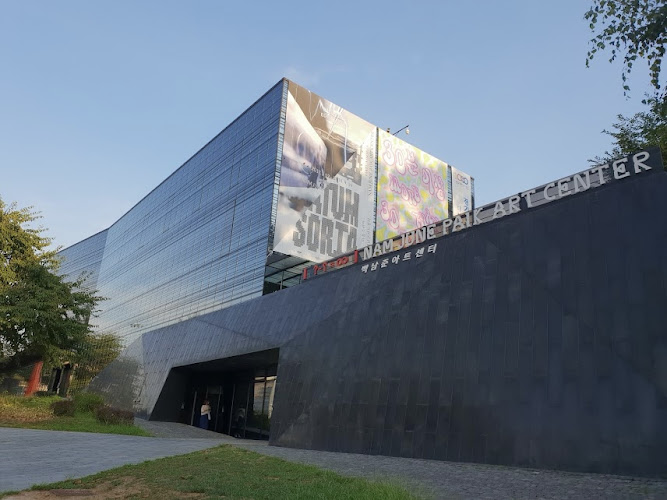
Nam June Paik Art Center
About Nam June Paik Art Center
Description
The Nam June Paik Art Center is not your typical museum, and honestly, that’s what makes it worth the trip. It was envisioned by the legendary artist Nam June Paik himself, who called it “the house where Nam June Paik lives on.” And you can feel that spirit the moment you walk in. It’s not just a place to look at art—it’s a living, breathing hub of media art, experimentation, and ideas that feel ahead of their time even now. If you’ve ever felt like museums can be a little stiff or too quiet, this one will surprise you. It’s playful, sometimes confusing in the best way, and definitely thought-provoking.
The center is unique in Korea because it focuses entirely on media art. That means you’ll see video installations, interactive pieces, and works that mix technology with creativity in ways that make you pause, smile, or even scratch your head. And that’s the point—Paik wanted art to push boundaries, not just sit behind glass. The building itself is part of the experience, with mirrored layers and open spaces that reflect the experimental nature of the art inside. Some people love it instantly, others find it a bit overwhelming, but either way, it leaves an impression.
What’s nice is that the center doesn’t just rest on Paik’s legacy. It actively supports new generations of artists, hosting exhibitions that feature cutting-edge media work from around the world. So even if you’ve been before, you’ll likely find something fresh and unexpected on your next visit. It’s a place that rewards curiosity, and if you’re willing to wander and take your time, you’ll probably walk away with a new perspective on what art can be.
Key Features
- Dedicated to Nam June Paik, the pioneer of video and media art
- Only public museum in Korea specializing in media art
- Rotating exhibitions featuring both Paik’s works and contemporary artists
- Architectural design with layered mirrors and experimental spaces
- On-site facilities: exhibition halls, video archives, and a multipurpose hall
- Wheelchair accessible entrance and parking
- On-site parking available, with both free and paid options
Best Time to Visit
If you’re planning a trip, timing can make a big difference. Weekdays are generally quieter, which means you can take your time without feeling rushed. Weekends tend to draw more families and groups, so expect a livelier atmosphere. Personally, I think late mornings on a weekday are perfect—you get a calm environment and plenty of space to really take in the installations.
Season-wise, autumn is hard to beat. The crisp air and changing leaves outside add something magical to the overall experience. Spring is also lovely, especially if you’re combining the visit with other attractions in Gyeonggi-do. Summer can be hot and sticky in Korea, but the museum is air-conditioned and offers a cool escape. Winter visits are cozy, though the outdoor areas may not be as enjoyable.
How to Get There
Getting to the Nam June Paik Art Center is pretty straightforward once you know your options. If you’re coming from Seoul, the most common route is by subway and bus. Take the Bundang Line to Giheung Station, then transfer to a local bus or taxi—it’s just a short ride from there. For those who prefer driving, the center has its own parking facilities, which is a real convenience if you’re traveling with family or in a group.
Public transport can take a little longer, but it’s budget-friendly and gives you a glimpse of local life along the way. Taxis are also widely available and not too expensive if you’re splitting the fare with friends. I’ve personally done both—the subway and bus combo when I was traveling solo, and driving when I went with a group of friends. Both worked fine, but driving was definitely more relaxed.
Tips for Visiting
Here are a few things I’ve learned (sometimes the hard way) that can make your visit smoother and more enjoyable:
- Give yourself time: Don’t rush through. The installations often reveal more the longer you stand with them.
- Check the schedule: Exhibitions change regularly, so look ahead to see what’s on during your visit.
- Bring curiosity: Some works might feel unusual or even puzzling, but that’s part of the fun. Let yourself be surprised.
- Photography: Rules can vary depending on the exhibition, so check before snapping pictures.
- Accessibility: The center is wheelchair friendly, which makes it easier for travelers with mobility needs.
- Combine with nearby attractions: Yongin has other interesting spots like the Korean Folk Village, so you can make a full day out of it.
- Food options: There isn’t a huge café scene inside, so grabbing a snack beforehand or planning a meal after is a good idea.
And one more thing: go in with an open mind. Media art isn’t always straightforward, and sometimes it can even feel a little strange. But that’s exactly what makes the Nam June Paik Art Center stand out. It’s not about “getting it” in the traditional sense—it’s about experiencing something new, letting it challenge you, and maybe even laughing at the absurdity of it all. That, to me, is what makes travel memorable.
Key Features
- Dedicated to Nam June Paik, the pioneer of video and media art
- Only public museum in Korea specializing in media art
- Rotating exhibitions featuring both Paik’s works and contemporary artists
- Architectural design with layered mirrors and experimental spaces
- On-site facilities: exhibition halls, video archives, and a multipurpose hall
- Wheelchair accessible entrance and parking
- On-site parking available, with both free and paid options
More Details
Updated October 1, 2025
Table of Contents
Description
The Nam June Paik Art Center is not your typical museum, and honestly, that’s what makes it worth the trip. It was envisioned by the legendary artist Nam June Paik himself, who called it “the house where Nam June Paik lives on.” And you can feel that spirit the moment you walk in. It’s not just a place to look at art—it’s a living, breathing hub of media art, experimentation, and ideas that feel ahead of their time even now. If you’ve ever felt like museums can be a little stiff or too quiet, this one will surprise you. It’s playful, sometimes confusing in the best way, and definitely thought-provoking.
The center is unique in Korea because it focuses entirely on media art. That means you’ll see video installations, interactive pieces, and works that mix technology with creativity in ways that make you pause, smile, or even scratch your head. And that’s the point—Paik wanted art to push boundaries, not just sit behind glass. The building itself is part of the experience, with mirrored layers and open spaces that reflect the experimental nature of the art inside. Some people love it instantly, others find it a bit overwhelming, but either way, it leaves an impression.
What’s nice is that the center doesn’t just rest on Paik’s legacy. It actively supports new generations of artists, hosting exhibitions that feature cutting-edge media work from around the world. So even if you’ve been before, you’ll likely find something fresh and unexpected on your next visit. It’s a place that rewards curiosity, and if you’re willing to wander and take your time, you’ll probably walk away with a new perspective on what art can be.
Key Features
- Dedicated to Nam June Paik, the pioneer of video and media art
- Only public museum in Korea specializing in media art
- Rotating exhibitions featuring both Paik’s works and contemporary artists
- Architectural design with layered mirrors and experimental spaces
- On-site facilities: exhibition halls, video archives, and a multipurpose hall
- Wheelchair accessible entrance and parking
- On-site parking available, with both free and paid options
Best Time to Visit
If you’re planning a trip, timing can make a big difference. Weekdays are generally quieter, which means you can take your time without feeling rushed. Weekends tend to draw more families and groups, so expect a livelier atmosphere. Personally, I think late mornings on a weekday are perfect—you get a calm environment and plenty of space to really take in the installations.
Season-wise, autumn is hard to beat. The crisp air and changing leaves outside add something magical to the overall experience. Spring is also lovely, especially if you’re combining the visit with other attractions in Gyeonggi-do. Summer can be hot and sticky in Korea, but the museum is air-conditioned and offers a cool escape. Winter visits are cozy, though the outdoor areas may not be as enjoyable.
How to Get There
Getting to the Nam June Paik Art Center is pretty straightforward once you know your options. If you’re coming from Seoul, the most common route is by subway and bus. Take the Bundang Line to Giheung Station, then transfer to a local bus or taxi—it’s just a short ride from there. For those who prefer driving, the center has its own parking facilities, which is a real convenience if you’re traveling with family or in a group.
Public transport can take a little longer, but it’s budget-friendly and gives you a glimpse of local life along the way. Taxis are also widely available and not too expensive if you’re splitting the fare with friends. I’ve personally done both—the subway and bus combo when I was traveling solo, and driving when I went with a group of friends. Both worked fine, but driving was definitely more relaxed.
Tips for Visiting
Here are a few things I’ve learned (sometimes the hard way) that can make your visit smoother and more enjoyable:
- Give yourself time: Don’t rush through. The installations often reveal more the longer you stand with them.
- Check the schedule: Exhibitions change regularly, so look ahead to see what’s on during your visit.
- Bring curiosity: Some works might feel unusual or even puzzling, but that’s part of the fun. Let yourself be surprised.
- Photography: Rules can vary depending on the exhibition, so check before snapping pictures.
- Accessibility: The center is wheelchair friendly, which makes it easier for travelers with mobility needs.
- Combine with nearby attractions: Yongin has other interesting spots like the Korean Folk Village, so you can make a full day out of it.
- Food options: There isn’t a huge café scene inside, so grabbing a snack beforehand or planning a meal after is a good idea.
And one more thing: go in with an open mind. Media art isn’t always straightforward, and sometimes it can even feel a little strange. But that’s exactly what makes the Nam June Paik Art Center stand out. It’s not about “getting it” in the traditional sense—it’s about experiencing something new, letting it challenge you, and maybe even laughing at the absurdity of it all. That, to me, is what makes travel memorable.
Key Highlights
- Dedicated to Nam June Paik, the pioneer of video and media art
- Only public museum in Korea specializing in media art
- Rotating exhibitions featuring both Paik’s works and contemporary artists
- Architectural design with layered mirrors and experimental spaces
- On-site facilities: exhibition halls, video archives, and a multipurpose hall
- Wheelchair accessible entrance and parking
- On-site parking available, with both free and paid options
Location
Places to Stay Near Nam June Paik Art Center
Find and Book a Tour
Explore More Travel Guides
No reviews found! Be the first to review!
Traveler Reviews for Nam June Paik Art Center
There are no reviews yet. Be the first one to write one.
Have you visited Nam June Paik Art Center? Help other travelers by sharing your review.
You Might Also Like
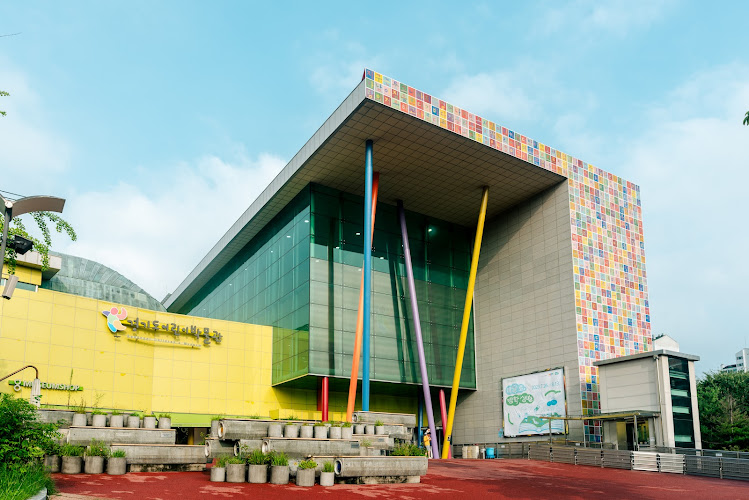
Gyeonggi Children's Museum

Everland
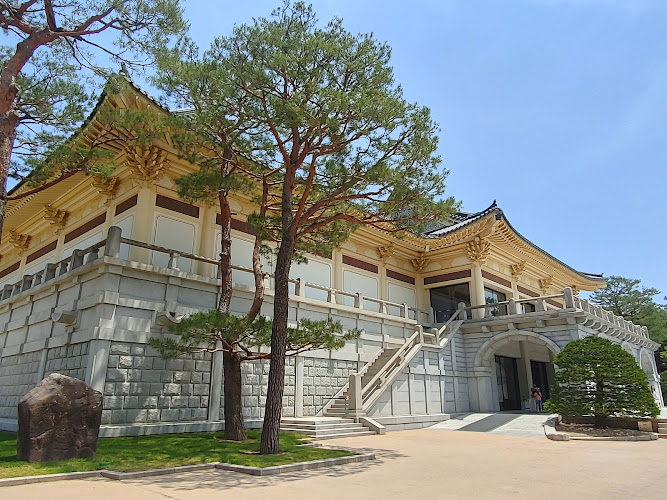
Ho-Am Art Museum
Find Accommodations Nearby
Recommended Tours & Activities
Visitor Reviews
There are no reviews yet. Be the first one to write one.
Share Your Experience
Have you visited Nam June Paik Art Center? Help other travelers by leaving a review.