
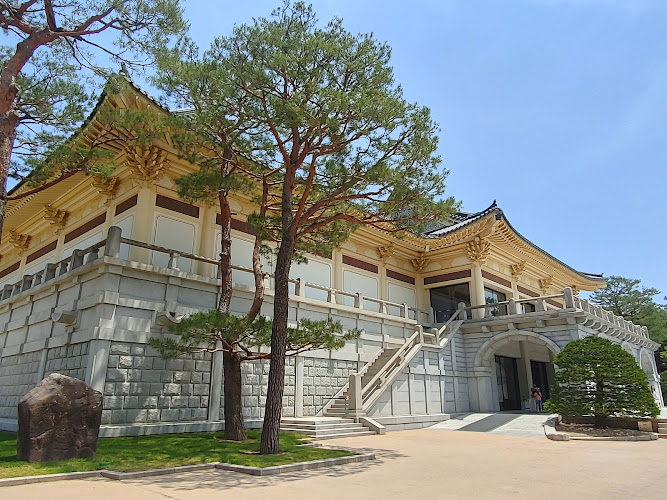
Ho-Am Art Museum
About Ho-Am Art Museum
Description
The Ho-Am Art Museum in Yongin, South Korea, is one of those places that quietly surprises you. Tucked inside the grounds of Everland Resort, it feels like an oasis of calm compared to the rollercoasters and neon lights just a short walk away. The museum itself is housed in a traditional hanok-style building, which already sets the mood—you’re not stepping into a sterile, modern box, but rather into a space that feels rooted in Korean heritage. Inside, the collection spans thousands of years, from prehistoric artifacts to Joseon dynasty paintings, Buddhist sculptures, ceramics, and even contemporary works. It’s a journey through Korea’s artistic soul, and you don’t need to be an art historian to appreciate it.
What really makes the experience stand out, though, is the garden. Many visitors will tell you that half the joy of coming here is wandering through Hee Won Garden, a classical Korean-style garden filled with stone bridges, lotus ponds, and pavilions. In autumn, the leaves turn fiery shades of red and gold, and in spring, cherry blossoms dust the pathways. Honestly, it’s one of those spots where you end up taking way too many photos, then realize later that the real magic was just being there in the moment.
The museum is well-maintained, and it’s clearly loved by many. Most people walk away impressed by the curation and the atmosphere, though a few find it a little overwhelming if they don’t have much background in Korean history. That said, even if you don’t fully understand every piece, the setting and the sheer quality of the works make it worth the trip. Families also find it manageable—the museum is child-friendly, with changing tables and wheelchair accessibility throughout, which is something I personally appreciate when traveling with relatives.
Key Features
- Traditional hanok-style building housing the galleries
- Over 15,000 works of art spanning prehistoric to modern Korea
- Hee Won Garden with ponds, bridges, and seasonal blooms
- Wheelchair accessible facilities, including restrooms and parking
- Child-friendly amenities such as changing tables
- Quiet, contemplative atmosphere compared to the nearby theme park
- Exhibitions highlighting Korean paintings, ceramics, and Buddhist art
Best Time to Visit
While the museum is open year-round, the best times to visit are definitely spring and autumn. In spring, the cherry blossoms around the garden create a pink-and-white dreamscape that feels almost cinematic. Autumn, though, might be even better—the fall colors are spectacular, with maples and ginkgo trees turning the landscape into a painter’s palette. If you’re into photography, this is when you’ll get those postcard-worthy shots. Summer can be humid, but the shaded garden paths still make it enjoyable. Winter is quieter, and while the trees are bare, the snow (if you’re lucky enough to catch it) gives the hanok building and garden a serene, almost poetic vibe.
Weekdays are generally less crowded than weekends, especially since Everland draws big family groups on Saturdays and Sundays. If you can, aim for a weekday morning. You’ll have more breathing room to actually enjoy the art without being swept along by the crowd.
How to Get There
Getting to the Ho-Am Art Museum is straightforward if you’re already planning a day at Everland. Most visitors take the subway to Giheung Station and transfer to the Everline, which drops you at Jeondae–Everland Station. From there, shuttle buses run to Everland Resort, and the museum is located within the grounds. If you’re driving, there’s accessible parking available, though weekends can be busy, so arriving early helps.
Personally, I found the shuttle ride a bit of an adventure in itself—you’re surrounded by excited theme park-goers, and then you peel off toward this much calmer destination. It’s almost like sneaking into a secret garden while everyone else is chasing rollercoasters.
Tips for Visiting
Here are a few things I wish I’d known before my first visit to the Ho-Am Art Museum:
- Book tickets in advance: It saves time and guarantees entry, especially during peak seasons like cherry blossom or fall foliage.
- Plan at least half a day: Between the museum and the garden, you’ll want a few hours. Rushing through doesn’t do it justice.
- Bring snacks or eat beforehand: There’s no restaurant inside the museum itself, so plan accordingly if you tend to get hungry mid-visit.
- Dress comfortably: The garden paths are worth exploring, but they involve a bit of walking. Good shoes make the experience more enjoyable.
- Traveling with kids? The museum is surprisingly family-friendly, but it’s still a quieter space. A gentle reminder to little ones about “museum voices” helps everyone enjoy the visit.
- Check for seasonal events: Sometimes there are special exhibitions or cultural programs that add an extra layer to the visit.
- Photography: Photos are usually allowed in the garden but not always inside the galleries. Be respectful of the rules—they’re there to protect the art.
One last thought: don’t treat the Ho-Am Art Museum as just a side stop on the way to Everland. It deserves its own place on your itinerary. I’ve known people who skipped the rides entirely and spent the whole day here, and honestly, I get it. It’s peaceful, it’s beautiful, and it’s a rare chance to step into Korea’s artistic past while still feeling very present in the moment.
Key Features
- Traditional hanok-style building housing the galleries
- Over 15,000 works of art spanning prehistoric to modern Korea
- Hee Won Garden with ponds, bridges, and seasonal blooms
- Wheelchair accessible facilities, including restrooms and parking
- Child-friendly amenities such as changing tables
- Quiet, contemplative atmosphere compared to the nearby theme park
- Exhibitions highlighting Korean paintings, ceramics, and Buddhist art
More Details
Updated September 8, 2025
Table of Contents
Description
The Ho-Am Art Museum in Yongin, South Korea, is one of those places that quietly surprises you. Tucked inside the grounds of Everland Resort, it feels like an oasis of calm compared to the rollercoasters and neon lights just a short walk away. The museum itself is housed in a traditional hanok-style building, which already sets the mood—you’re not stepping into a sterile, modern box, but rather into a space that feels rooted in Korean heritage. Inside, the collection spans thousands of years, from prehistoric artifacts to Joseon dynasty paintings, Buddhist sculptures, ceramics, and even contemporary works. It’s a journey through Korea’s artistic soul, and you don’t need to be an art historian to appreciate it.
What really makes the experience stand out, though, is the garden. Many visitors will tell you that half the joy of coming here is wandering through Hee Won Garden, a classical Korean-style garden filled with stone bridges, lotus ponds, and pavilions. In autumn, the leaves turn fiery shades of red and gold, and in spring, cherry blossoms dust the pathways. Honestly, it’s one of those spots where you end up taking way too many photos, then realize later that the real magic was just being there in the moment.
The museum is well-maintained, and it’s clearly loved by many. Most people walk away impressed by the curation and the atmosphere, though a few find it a little overwhelming if they don’t have much background in Korean history. That said, even if you don’t fully understand every piece, the setting and the sheer quality of the works make it worth the trip. Families also find it manageable—the museum is child-friendly, with changing tables and wheelchair accessibility throughout, which is something I personally appreciate when traveling with relatives.
Key Features
- Traditional hanok-style building housing the galleries
- Over 15,000 works of art spanning prehistoric to modern Korea
- Hee Won Garden with ponds, bridges, and seasonal blooms
- Wheelchair accessible facilities, including restrooms and parking
- Child-friendly amenities such as changing tables
- Quiet, contemplative atmosphere compared to the nearby theme park
- Exhibitions highlighting Korean paintings, ceramics, and Buddhist art
Best Time to Visit
While the museum is open year-round, the best times to visit are definitely spring and autumn. In spring, the cherry blossoms around the garden create a pink-and-white dreamscape that feels almost cinematic. Autumn, though, might be even better—the fall colors are spectacular, with maples and ginkgo trees turning the landscape into a painter’s palette. If you’re into photography, this is when you’ll get those postcard-worthy shots. Summer can be humid, but the shaded garden paths still make it enjoyable. Winter is quieter, and while the trees are bare, the snow (if you’re lucky enough to catch it) gives the hanok building and garden a serene, almost poetic vibe.
Weekdays are generally less crowded than weekends, especially since Everland draws big family groups on Saturdays and Sundays. If you can, aim for a weekday morning. You’ll have more breathing room to actually enjoy the art without being swept along by the crowd.
How to Get There
Getting to the Ho-Am Art Museum is straightforward if you’re already planning a day at Everland. Most visitors take the subway to Giheung Station and transfer to the Everline, which drops you at Jeondae–Everland Station. From there, shuttle buses run to Everland Resort, and the museum is located within the grounds. If you’re driving, there’s accessible parking available, though weekends can be busy, so arriving early helps.
Personally, I found the shuttle ride a bit of an adventure in itself—you’re surrounded by excited theme park-goers, and then you peel off toward this much calmer destination. It’s almost like sneaking into a secret garden while everyone else is chasing rollercoasters.
Tips for Visiting
Here are a few things I wish I’d known before my first visit to the Ho-Am Art Museum:
- Book tickets in advance: It saves time and guarantees entry, especially during peak seasons like cherry blossom or fall foliage.
- Plan at least half a day: Between the museum and the garden, you’ll want a few hours. Rushing through doesn’t do it justice.
- Bring snacks or eat beforehand: There’s no restaurant inside the museum itself, so plan accordingly if you tend to get hungry mid-visit.
- Dress comfortably: The garden paths are worth exploring, but they involve a bit of walking. Good shoes make the experience more enjoyable.
- Traveling with kids? The museum is surprisingly family-friendly, but it’s still a quieter space. A gentle reminder to little ones about “museum voices” helps everyone enjoy the visit.
- Check for seasonal events: Sometimes there are special exhibitions or cultural programs that add an extra layer to the visit.
- Photography: Photos are usually allowed in the garden but not always inside the galleries. Be respectful of the rules—they’re there to protect the art.
One last thought: don’t treat the Ho-Am Art Museum as just a side stop on the way to Everland. It deserves its own place on your itinerary. I’ve known people who skipped the rides entirely and spent the whole day here, and honestly, I get it. It’s peaceful, it’s beautiful, and it’s a rare chance to step into Korea’s artistic past while still feeling very present in the moment.
Key Highlights
- Traditional hanok-style building housing the galleries
- Over 15,000 works of art spanning prehistoric to modern Korea
- Hee Won Garden with ponds, bridges, and seasonal blooms
- Wheelchair accessible facilities, including restrooms and parking
- Child-friendly amenities such as changing tables
- Quiet, contemplative atmosphere compared to the nearby theme park
- Exhibitions highlighting Korean paintings, ceramics, and Buddhist art
Location
Places to Stay Near Ho-Am Art Museum
Find and Book a Tour
Explore More Travel Guides
No reviews found! Be the first to review!
Traveler Reviews for Ho-Am Art Museum
There are no reviews yet. Be the first one to write one.
Have you visited Ho-Am Art Museum? Help other travelers by sharing your review.
You Might Also Like

Everland
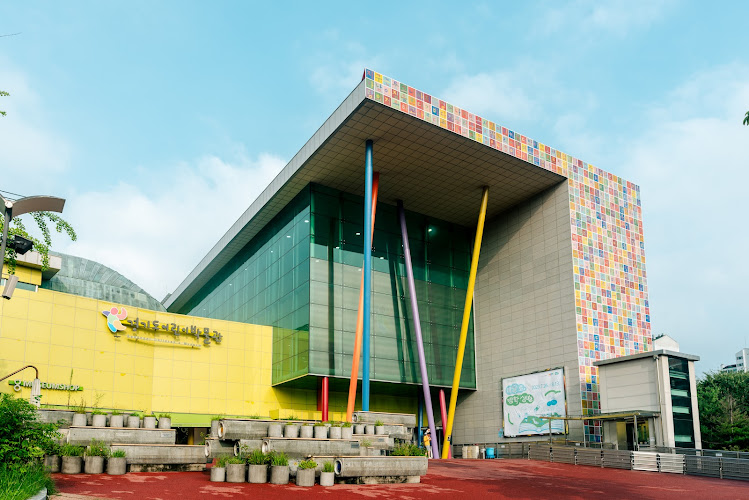
Gyeonggi Children's Museum
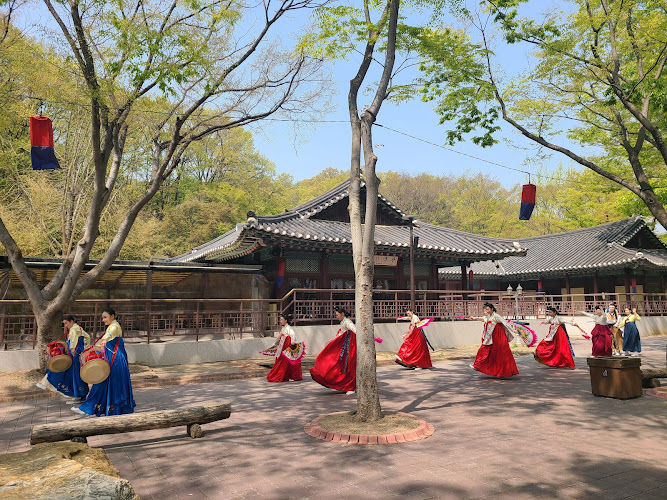
Korean Folk Village
Find Accommodations Nearby
Recommended Tours & Activities
Visitor Reviews
There are no reviews yet. Be the first one to write one.
Share Your Experience
Have you visited Ho-Am Art Museum? Help other travelers by leaving a review.