Korean Folk Village
About Korean Folk Village
Description
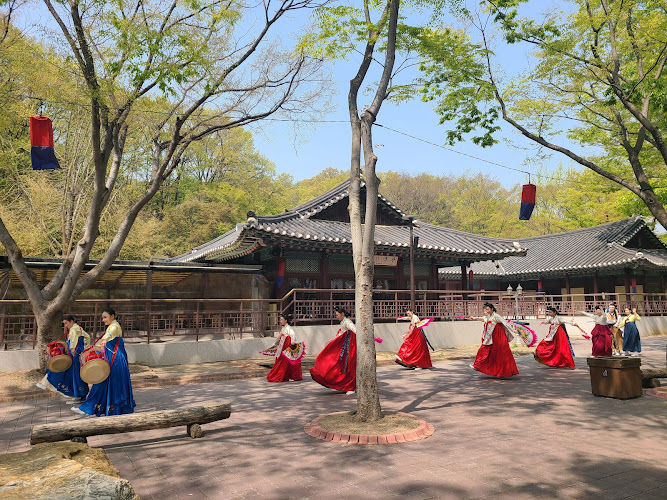
The Korean Folk Village is one of those places that feels like stepping into a time machine, but with the comfort of modern amenities at your fingertips. It’s not just a museum where you walk past exhibits behind glass; it’s a living, breathing re-creation of traditional Korean life. You can wander through hanok homes with creaky wooden floors, catch a glimpse of artisans practicing old crafts, and even watch performances that bring centuries-old customs to life. It’s equal parts cultural education and entertainment, which is why so many travelers—both local and international—make it a must-visit spot.
Now, I’ll be honest. Some people find it a little touristy, and yes, there are moments when it feels like the actors are performing for the crowd rather than just living the tradition. But that’s part of the charm, isn’t it? You’re not just observing history; you’re being invited into it. And if you’re like me, who once stumbled into a farmer’s dance performance there and ended up clapping along with strangers, you’ll probably walk away with a smile. For families, it’s a dream because kids get to run around, ride the small amusement park attractions, and taste traditional snacks without feeling bored. For history buffs, it’s a goldmine of cultural details. And for photographers—don’t even get me started—the scenery is ridiculously photogenic in every season.
Key Features
- Authentic hanok houses showcasing different regions and social classes of Korea’s past
- Daily cultural performances including traditional music, dance, and horseback martial arts
- Hands-on workshops where visitors can try crafts like pottery or traditional games
- Onsite dining options serving classic Korean dishes and street-style snacks
- Kid-friendly amusement rides and seasonal festivals that keep younger visitors entertained
- Wheelchair accessible facilities including restrooms, parking, and seating
- Modern conveniences like credit card and mobile payment acceptance
- Discounted tickets for children and plenty of family-friendly activities
Best Time to Visit
Every season at the Korean Folk Village has its own personality. Spring is gorgeous with cherry blossoms and fresh greenery, making the traditional houses look like they’re framed in pastel watercolor. Summer is lively, with festivals and outdoor performances in full swing, though it can get hot—so pack water and maybe a fan. Autumn is my personal favorite. The fall foliage turns the village into a painting, and the crisp air makes walking around feel refreshing. Winter has its charm too, especially if you catch the snow-dusted rooftops and warm up with hot street food. If you’re not a fan of big crowds, weekdays in spring and fall are the sweet spot. Weekends can get packed with families, so plan accordingly if you prefer a quieter wander.
How to Get There
Reaching the Korean Folk Village is pretty straightforward, though it takes a little planning. From Seoul, the most common route is taking the subway to Suwon Station, then hopping on a shuttle bus or local bus that goes directly to the village. The shuttle bus is the easiest option—it’s comfortable, and you don’t have to worry about missing your stop. If you’re traveling with kids or a group, a taxi from Suwon can be a time-saver and isn’t too expensive when split. Driving is also possible, and parking is available onsite, which is handy if you’re exploring other attractions in Gyeonggi-do. Just keep in mind that traffic around the area can be heavy on weekends and holidays, so factor in some extra time.
Tips for Visiting
First thing: buy your tickets in advance if you can. It saves time at the entrance, and sometimes you’ll find small discounts online. Wear comfortable shoes because you’ll be walking a lot—those old village paths aren’t exactly designed for high heels. If you’re traveling with kids, check the schedule for performances and rides so you can plan breaks in between. Trust me, nothing kills the mood faster than a tired, cranky child when the farmer’s dance is about to start.
Food-wise, don’t skip the traditional snacks sold inside. I still remember biting into a hot hoddeok (sweet pancake) on a chilly day there, and it was honestly one of the highlights of my trip. Bring cash just in case, even though most places accept cards and mobile payments. And if you’re into photography, aim to arrive early in the morning—the light is softer, and you’ll avoid the midday crowds in your shots.
Lastly, give yourself enough time. A quick two-hour visit won’t do it justice. Plan at least half a day, if not more, because between the shows, the museum-like houses, the food, and the rides, time slips away faster than you’d think. It’s one of those places where you go in expecting a short cultural stop and end up staying until your feet tell you it’s time to leave.
Key Features
- Authentic hanok houses showcasing different regions and social classes of Korea’s past
- Daily cultural performances including traditional music, dance, and horseback martial arts
- Hands-on workshops where visitors can try crafts like pottery or traditional games
- Onsite dining options serving classic Korean dishes and street-style snacks
- Kid-friendly amusement rides and seasonal festivals that keep younger visitors entertained
- Wheelchair accessible facilities including restrooms, parking, and seating
- Modern conveniences like credit card and mobile payment acceptance
- Discounted tickets for children and plenty of family-friendly activities
More Details
Updated October 1, 2025
Table of Contents
Description
The Korean Folk Village is one of those places that feels like stepping into a time machine, but with the comfort of modern amenities at your fingertips. It’s not just a museum where you walk past exhibits behind glass; it’s a living, breathing re-creation of traditional Korean life. You can wander through hanok homes with creaky wooden floors, catch a glimpse of artisans practicing old crafts, and even watch performances that bring centuries-old customs to life. It’s equal parts cultural education and entertainment, which is why so many travelers—both local and international—make it a must-visit spot.
Now, I’ll be honest. Some people find it a little touristy, and yes, there are moments when it feels like the actors are performing for the crowd rather than just living the tradition. But that’s part of the charm, isn’t it? You’re not just observing history; you’re being invited into it. And if you’re like me, who once stumbled into a farmer’s dance performance there and ended up clapping along with strangers, you’ll probably walk away with a smile. For families, it’s a dream because kids get to run around, ride the small amusement park attractions, and taste traditional snacks without feeling bored. For history buffs, it’s a goldmine of cultural details. And for photographers—don’t even get me started—the scenery is ridiculously photogenic in every season.
Key Features
- Authentic hanok houses showcasing different regions and social classes of Korea’s past
- Daily cultural performances including traditional music, dance, and horseback martial arts
- Hands-on workshops where visitors can try crafts like pottery or traditional games
- Onsite dining options serving classic Korean dishes and street-style snacks
- Kid-friendly amusement rides and seasonal festivals that keep younger visitors entertained
- Wheelchair accessible facilities including restrooms, parking, and seating
- Modern conveniences like credit card and mobile payment acceptance
- Discounted tickets for children and plenty of family-friendly activities
Best Time to Visit
Every season at the Korean Folk Village has its own personality. Spring is gorgeous with cherry blossoms and fresh greenery, making the traditional houses look like they’re framed in pastel watercolor. Summer is lively, with festivals and outdoor performances in full swing, though it can get hot—so pack water and maybe a fan. Autumn is my personal favorite. The fall foliage turns the village into a painting, and the crisp air makes walking around feel refreshing. Winter has its charm too, especially if you catch the snow-dusted rooftops and warm up with hot street food. If you’re not a fan of big crowds, weekdays in spring and fall are the sweet spot. Weekends can get packed with families, so plan accordingly if you prefer a quieter wander.
How to Get There
Reaching the Korean Folk Village is pretty straightforward, though it takes a little planning. From Seoul, the most common route is taking the subway to Suwon Station, then hopping on a shuttle bus or local bus that goes directly to the village. The shuttle bus is the easiest option—it’s comfortable, and you don’t have to worry about missing your stop. If you’re traveling with kids or a group, a taxi from Suwon can be a time-saver and isn’t too expensive when split. Driving is also possible, and parking is available onsite, which is handy if you’re exploring other attractions in Gyeonggi-do. Just keep in mind that traffic around the area can be heavy on weekends and holidays, so factor in some extra time.
Tips for Visiting
First thing: buy your tickets in advance if you can. It saves time at the entrance, and sometimes you’ll find small discounts online. Wear comfortable shoes because you’ll be walking a lot—those old village paths aren’t exactly designed for high heels. If you’re traveling with kids, check the schedule for performances and rides so you can plan breaks in between. Trust me, nothing kills the mood faster than a tired, cranky child when the farmer’s dance is about to start.
Food-wise, don’t skip the traditional snacks sold inside. I still remember biting into a hot hoddeok (sweet pancake) on a chilly day there, and it was honestly one of the highlights of my trip. Bring cash just in case, even though most places accept cards and mobile payments. And if you’re into photography, aim to arrive early in the morning—the light is softer, and you’ll avoid the midday crowds in your shots.
Lastly, give yourself enough time. A quick two-hour visit won’t do it justice. Plan at least half a day, if not more, because between the shows, the museum-like houses, the food, and the rides, time slips away faster than you’d think. It’s one of those places where you go in expecting a short cultural stop and end up staying until your feet tell you it’s time to leave.

Key Highlights
- Authentic hanok houses showcasing different regions and social classes of Korea’s past
- Daily cultural performances including traditional music, dance, and horseback martial arts
- Hands-on workshops where visitors can try crafts like pottery or traditional games
- Onsite dining options serving classic Korean dishes and street-style snacks
- Kid-friendly amusement rides and seasonal festivals that keep younger visitors entertained
- Wheelchair accessible facilities including restrooms, parking, and seating
- Modern conveniences like credit card and mobile payment acceptance
- Discounted tickets for children and plenty of family-friendly activities
Location
Places to Stay Near Korean Folk Village
Find and Book a Tour
Explore More Travel Guides
No reviews found! Be the first to review!
Traveler Reviews for Korean Folk Village
There are no reviews yet. Be the first one to write one.
Have you visited Korean Folk Village? Help other travelers by sharing your review.
Find Accommodations Nearby
Recommended Tours & Activities
Visitor Reviews
There are no reviews yet. Be the first one to write one.
Share Your Experience
Have you visited Korean Folk Village? Help other travelers by leaving a review.