History museum 4.6 Poznań, PolandCommunity Guide

Muzeum Martyrologii Wielkopolan Fort VII Wielkopolskiego Muzeum Niepodległości

Polska, 61-001 Poznań, Poland

Muzeum Martyrologii Wielkopolan Fort VII Wielkopolskiego Muzeum Niepodległości
4,095 Photos

About & Overview

Description

Housed within the somber walls of Fort VII (Colomb), Muzeum Martyrologii Wielkopolan — Fort VII of the Wielkopolskie Muzeum Niepodległości is a powerful, reflective stop in Poznań for anyone tracing Poland’s 20th-century history. Once a 19th-century Prussian fortification, the site became one of the first Nazi detention and extermination centers on Polish soil in 1939; today its preserved cells, execution sites and documentary exhibits confront visitors with personal stories, archival photographs, prisoner letters and objects that make the enormity of those events deeply human. What makes this museum special is its authenticity and atmosphere: concrete corridors, original prison spaces and carefully curated displays that prioritize testimony over sensationalism. A visit here is immersive but respectful — recommended for travelers who want to move beyond headlines and engage with primary-source history. The museum also functions as a memorial, offering moments for quiet reflection amid guided tours and occasional temporary exhibitions that connect local martyrdom to broader wartime narratives. Essential for history-minded visitors to Poznań, it transforms learning into an emotionally resonant experience.

Highlights & Key Features

  • Original Fort VII (Colomb) structures: cells, corridors and external fortifications
  • Exhibits documenting Nazi occupation of Wielkopolska: photographs, letters and official documents
  • Memorial spaces and preserved execution/ detention sites
  • Personal testimonies and prisoner artifacts that humanize historical narratives
  • Guided tours and temporary exhibitions linking local history to broader WWII context

Visitor Guide & Information

Description

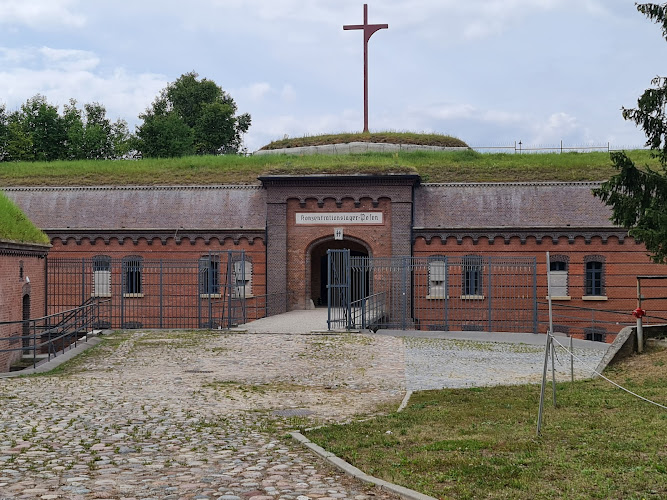
Fort VII stands as one of the most haunting reminders of Nazi occupation in Poland, a place where history whispers through cold stone corridors and empty cells. This 19th-century Prussian fortification was transformed into a Nazi concentration camp in 1939, becoming the first German camp established on Polish soil during World War II. Now operating as the Muzeum Martyrologii Wielkopolan, it serves as both memorial and museum, documenting the suffering of thousands of Poles who were imprisoned, tortured, and executed within these walls.

Walking through Fort VII isn’t like visiting your typical museum with glass cases and neat plaques. The experience cuts deeper than that. The fort itself becomes the exhibit, with its original architecture preserved to show visitors exactly what prisoners endured. Located in Poznań, this site represents a crucial chapter in understanding how the Nazi regime systematically attempted to destroy Polish culture and identity, particularly targeting the Wielkopolska region’s intellectual and cultural leaders.

The museum operates under the larger umbrella of the Wielkopolskie Muzeum Niepodległości (Greater Poland Museum of Independence), connecting the fort’s dark wartime history to broader narratives of Polish resistance and the fight for freedom. What makes this place particularly significant is how it documents not just suffering, but also the remarkable resilience and defiance of those imprisoned here. Between 1940 and 1945, an estimated 20,000 people passed through Fort VII, with approximately 4,500 executed on site. These aren’t just statistics though – the museum works hard to restore individual stories and names to those who suffered here.

I’ve visited several Holocaust memorial sites across Europe, and what struck me about Fort VII was its rawness. There’s something about standing in the actual execution chambers, seeing the cell walls where prisoners scratched messages, that creates an emotional connection you just don’t get from photographs or documentaries. The fort doesn’t sanitize history – it presents it honestly, which can be challenging but necessary.

Key Features

The museum offers visitors several distinct areas and exhibitions that together create a comprehensive understanding of this dark period:

  • Original Prison Cells: Preserved cells where prisoners were held in brutal conditions show the cramped, inhospitable spaces where people waited in fear and uncertainty
  • Execution Sites: The moat where mass executions took place remains as a solemn memorial space, allowing visitors to pay respects where countless victims lost their lives
  • Main Exhibition Hall: Permanent displays document the fort’s transformation from military installation to concentration camp, featuring photographs, documents, and personal belongings of prisoners
  • Memorial Tablets: Throughout the grounds, plaques commemorate specific groups of victims and resistance fighters who passed through the camp
  • Underground Passages: The fort’s original military infrastructure, including tunnels and defensive positions, remains accessible and adds context to how the space was repurposed for imprisonment
  • Educational Center: Modern facilities provide resources for researchers, students, and anyone seeking deeper understanding of this period
  • Outdoor Memorial Area: The grounds themselves serve as a contemplative space where visitors can reflect on what transpired here
  • Documentary Materials: Extensive archives preserve testimonies from survivors and documentation of Nazi crimes committed at the site
  • Accessibility Features: The museum has made significant efforts to ensure wheelchair accessibility throughout major areas, including entrance ramps and adapted parking facilities

Best Time to Visit

Choosing when to visit Fort VII depends largely on what kind of experience you’re seeking. The museum operates year-round, but each season brings its own atmosphere and considerations.

Summer months from June through August see the highest visitor numbers, which makes sense given that’s when most people travel to Poland. The weather’s pleasant for walking the outdoor memorial areas, and longer daylight hours mean you won’t feel rushed. But here’s the thing – larger crowds can sometimes diminish the contemplative atmosphere that makes this site so powerful. I’d personally lean toward shoulder seasons if you want a more reflective visit.

Spring (April-May) and early autumn (September-October) offer what I consider ideal conditions. The weather remains comfortable enough for exploring the outdoor portions of the fort, but visitor numbers drop significantly. There’s something particularly moving about visiting in autumn when falling leaves and cooling temperatures create a somber mood that matches the site’s heavy history.

Winter visits present their own challenges and rewards. The cold stone walls feel even more oppressive when outside temperatures drop, giving visitors a tiny glimpse into what prisoners endured without adequate heating. Snow covering the memorial grounds creates a stark, beautiful contrast that’s haunting in its own right. However, be prepared – Polish winters are no joke, and you’ll need proper clothing to spend extended time exploring the outdoor areas.

The museum occasionally hosts special commemorative events on significant dates related to World War II history and Polish independence. These ceremonies can provide additional context and meaning to your visit, though they also attract larger crowds. Check the museum’s schedule if you’re interested in attending such events.

Weekday mornings generally see fewer visitors than weekends or afternoons, regardless of season. If you prefer a quieter, more personal experience with the exhibits, arriving shortly after opening on a Tuesday or Wednesday typically works best.

How to Get There

Fort VII sits in the western part of Poznań, roughly 4 kilometers from the city center. Getting there is straightforward whether you’re using public transportation or driving.

For travelers relying on public transport, several bus and tram lines connect the fort to central Poznań. The most direct option involves taking tram number 2 or 6 toward Górczyn, getting off at the Bukowska Cytadela stop, then walking approximately 800 meters to the fort entrance. Buses 174 and 191 also stop nearby. The journey from the main train station takes about 25-30 minutes including the walk.

Poznań’s public transportation system uses a zone-based ticket system. A standard city ticket covers the journey to Fort VII. You can purchase tickets at kiosks, ticket machines at major stops, or increasingly through mobile apps. Don’t forget to validate your ticket when boarding – ticket inspectors occasionally patrol and fines for riding without valid tickets are substantial.

If you’re driving, the museum provides dedicated parking facilities with spaces designated for visitors with disabilities. From the city center, head west on Bukowska Street – the fort’s location is well-signposted as you approach. GPS coordinates work reliably for navigation apps. Parking is free, which is always nice when you’re traveling on a budget.

Taxi services and ride-sharing apps like Uber and Bolt operate throughout Poznań and offer reasonable rates for the relatively short journey from central hotels to the museum. This option makes particular sense if you’re traveling as a group or have mobility concerns.

For visitors staying in Poznań’s Old Town area, the fort sits about 30-40 minutes away on foot if you’re up for a longer walk. The route takes you through some interesting neighborhoods, though I’d only recommend this if you’re comfortable walking and weather permits.

Tips for Visiting

Visiting Fort VII requires some preparation, both practical and emotional. This isn’t a casual tourist stop – it’s a memorial to real suffering and death, and approaching it thoughtfully enhances the experience.

First off, plan for at least two to three hours to properly explore the museum and grounds. You can rush through in less time, but that defeats the purpose. This place deserves your attention and respect, and the stories it tells need time to sink in properly.

Dress appropriately for walking and weather conditions. The fort includes outdoor areas, underground passages, and unheated spaces that can be considerably cooler than outside temperatures. Comfortable, sturdy shoes are essential – some paths and floors are uneven. And while the museum has made accessibility improvements, be aware that certain historical areas simply can’t be fully adapted without compromising their authenticity.

The emotional weight of visiting concentration camp memorials shouldn’t be underestimated. Some visitors find the experience overwhelming, particularly the execution sites and prison cells. There’s no shame in taking breaks or stepping outside if you need air. The museum staff understands this and has created spaces where visitors can pause and compose themselves.

Photography policies at Fort VII are generally permissive in most areas, but use common sense and respect. This isn’t Instagram fodder – it’s a grave site. Taking photos for educational or memorial purposes makes sense; posing for selfies near execution walls doesn’t. When in doubt, ask museum staff about what’s appropriate.

Restroom facilities are available on site, which is worth noting since you’ll likely spend several hours exploring. However, there’s no restaurant or café at the fort, so bring water and snacks if needed, particularly during warmer months.

English-language information is available throughout the museum, including exhibit descriptions and audio guides. The staff typically includes English speakers who can answer questions and provide context. That said, some of the most detailed historical information appears only in Polish, so visitors with particular research interests might benefit from some language preparation or translation apps.

If you’re visiting with children, consider carefully whether they’re emotionally mature enough to handle the subject matter. The museum doesn’t hide the brutal realities of Nazi occupation, and some exhibits show disturbing images and descriptions. Parents know their kids best, but I’d suggest this experience is most appropriate for teenagers and older children who can process what they’re seeing.

Finally, visit Fort VII with an open mind and heart. Yes, it’s difficult. Yes, it’s uncomfortable. But that discomfort serves a purpose – it reminds us why such atrocities must never happen again. The people who suffered here deserve to be remembered, and by bearing witness to their stories, visitors honor their memory and commit to preventing future horrors.

Community & Insider Notes

Last modified August 17, 2026

Description

Fort VII stands as one of the most haunting reminders of Nazi occupation in Poland, a place where history whispers through cold stone corridors and empty cells. This 19th-century Prussian fortification was transformed into a Nazi concentration camp in 1939, becoming the first German camp established on Polish soil during World War II. Now operating as the Muzeum Martyrologii Wielkopolan, it serves as both memorial and museum, documenting the suffering of thousands of Poles who were imprisoned, tortured, and executed within these walls.

Walking through Fort VII isn’t like visiting your typical museum with glass cases and neat plaques. The experience cuts deeper than that. The fort itself becomes the exhibit, with its original architecture preserved to show visitors exactly what prisoners endured. Located in Poznań, this site represents a crucial chapter in understanding how the Nazi regime systematically attempted to destroy Polish culture and identity, particularly targeting the Wielkopolska region’s intellectual and cultural leaders.

The museum operates under the larger umbrella of the Wielkopolskie Muzeum Niepodległości (Greater Poland Museum of Independence), connecting the fort’s dark wartime history to broader narratives of Polish resistance and the fight for freedom. What makes this place particularly significant is how it documents not just suffering, but also the remarkable resilience and defiance of those imprisoned here. Between 1940 and 1945, an estimated 20,000 people passed through Fort VII, with approximately 4,500 executed on site. These aren’t just statistics though – the museum works hard to restore individual stories and names to those who suffered here.

I’ve visited several Holocaust memorial sites across Europe, and what struck me about Fort VII was its rawness. There’s something about standing in the actual execution chambers, seeing the cell walls where prisoners scratched messages, that creates an emotional connection you just don’t get from photographs or documentaries. The fort doesn’t sanitize history – it presents it honestly, which can be challenging but necessary.

Key Features

The museum offers visitors several distinct areas and exhibitions that together create a comprehensive understanding of this dark period:

  • Original Prison Cells: Preserved cells where prisoners were held in brutal conditions show the cramped, inhospitable spaces where people waited in fear and uncertainty
  • Execution Sites: The moat where mass executions took place remains as a solemn memorial space, allowing visitors to pay respects where countless victims lost their lives
  • Main Exhibition Hall: Permanent displays document the fort’s transformation from military installation to concentration camp, featuring photographs, documents, and personal belongings of prisoners
  • Memorial Tablets: Throughout the grounds, plaques commemorate specific groups of victims and resistance fighters who passed through the camp
  • Underground Passages: The fort’s original military infrastructure, including tunnels and defensive positions, remains accessible and adds context to how the space was repurposed for imprisonment
  • Educational Center: Modern facilities provide resources for researchers, students, and anyone seeking deeper understanding of this period
  • Outdoor Memorial Area: The grounds themselves serve as a contemplative space where visitors can reflect on what transpired here
  • Documentary Materials: Extensive archives preserve testimonies from survivors and documentation of Nazi crimes committed at the site
  • Accessibility Features: The museum has made significant efforts to ensure wheelchair accessibility throughout major areas, including entrance ramps and adapted parking facilities

Best Time to Visit

Choosing when to visit Fort VII depends largely on what kind of experience you’re seeking. The museum operates year-round, but each season brings its own atmosphere and considerations.

Summer months from June through August see the highest visitor numbers, which makes sense given that’s when most people travel to Poland. The weather’s pleasant for walking the outdoor memorial areas, and longer daylight hours mean you won’t feel rushed. But here’s the thing – larger crowds can sometimes diminish the contemplative atmosphere that makes this site so powerful. I’d personally lean toward shoulder seasons if you want a more reflective visit.

Spring (April-May) and early autumn (September-October) offer what I consider ideal conditions. The weather remains comfortable enough for exploring the outdoor portions of the fort, but visitor numbers drop significantly. There’s something particularly moving about visiting in autumn when falling leaves and cooling temperatures create a somber mood that matches the site’s heavy history.

Winter visits present their own challenges and rewards. The cold stone walls feel even more oppressive when outside temperatures drop, giving visitors a tiny glimpse into what prisoners endured without adequate heating. Snow covering the memorial grounds creates a stark, beautiful contrast that’s haunting in its own right. However, be prepared – Polish winters are no joke, and you’ll need proper clothing to spend extended time exploring the outdoor areas.

The museum occasionally hosts special commemorative events on significant dates related to World War II history and Polish independence. These ceremonies can provide additional context and meaning to your visit, though they also attract larger crowds. Check the museum’s schedule if you’re interested in attending such events.

Weekday mornings generally see fewer visitors than weekends or afternoons, regardless of season. If you prefer a quieter, more personal experience with the exhibits, arriving shortly after opening on a Tuesday or Wednesday typically works best.

How to Get There

Fort VII sits in the western part of Poznań, roughly 4 kilometers from the city center. Getting there is straightforward whether you’re using public transportation or driving.

For travelers relying on public transport, several bus and tram lines connect the fort to central Poznań. The most direct option involves taking tram number 2 or 6 toward Górczyn, getting off at the Bukowska Cytadela stop, then walking approximately 800 meters to the fort entrance. Buses 174 and 191 also stop nearby. The journey from the main train station takes about 25-30 minutes including the walk.

Poznań’s public transportation system uses a zone-based ticket system. A standard city ticket covers the journey to Fort VII. You can purchase tickets at kiosks, ticket machines at major stops, or increasingly through mobile apps. Don’t forget to validate your ticket when boarding – ticket inspectors occasionally patrol and fines for riding without valid tickets are substantial.

If you’re driving, the museum provides dedicated parking facilities with spaces designated for visitors with disabilities. From the city center, head west on Bukowska Street – the fort’s location is well-signposted as you approach. GPS coordinates work reliably for navigation apps. Parking is free, which is always nice when you’re traveling on a budget.

Taxi services and ride-sharing apps like Uber and Bolt operate throughout Poznań and offer reasonable rates for the relatively short journey from central hotels to the museum. This option makes particular sense if you’re traveling as a group or have mobility concerns.

For visitors staying in Poznań’s Old Town area, the fort sits about 30-40 minutes away on foot if you’re up for a longer walk. The route takes you through some interesting neighborhoods, though I’d only recommend this if you’re comfortable walking and weather permits.

Tips for Visiting

Visiting Fort VII requires some preparation, both practical and emotional. This isn’t a casual tourist stop – it’s a memorial to real suffering and death, and approaching it thoughtfully enhances the experience.

First off, plan for at least two to three hours to properly explore the museum and grounds. You can rush through in less time, but that defeats the purpose. This place deserves your attention and respect, and the stories it tells need time to sink in properly.

Dress appropriately for walking and weather conditions. The fort includes outdoor areas, underground passages, and unheated spaces that can be considerably cooler than outside temperatures. Comfortable, sturdy shoes are essential – some paths and floors are uneven. And while the museum has made accessibility improvements, be aware that certain historical areas simply can’t be fully adapted without compromising their authenticity.

The emotional weight of visiting concentration camp memorials shouldn’t be underestimated. Some visitors find the experience overwhelming, particularly the execution sites and prison cells. There’s no shame in taking breaks or stepping outside if you need air. The museum staff understands this and has created spaces where visitors can pause and compose themselves.

Photography policies at Fort VII are generally permissive in most areas, but use common sense and respect. This isn’t Instagram fodder – it’s a grave site. Taking photos for educational or memorial purposes makes sense; posing for selfies near execution walls doesn’t. When in doubt, ask museum staff about what’s appropriate.

Restroom facilities are available on site, which is worth noting since you’ll likely spend several hours exploring. However, there’s no restaurant or café at the fort, so bring water and snacks if needed, particularly during warmer months.

English-language information is available throughout the museum, including exhibit descriptions and audio guides. The staff typically includes English speakers who can answer questions and provide context. That said, some of the most detailed historical information appears only in Polish, so visitors with particular research interests might benefit from some language preparation or translation apps.

If you’re visiting with children, consider carefully whether they’re emotionally mature enough to handle the subject matter. The museum doesn’t hide the brutal realities of Nazi occupation, and some exhibits show disturbing images and descriptions. Parents know their kids best, but I’d suggest this experience is most appropriate for teenagers and older children who can process what they’re seeing.

Finally, visit Fort VII with an open mind and heart. Yes, it’s difficult. Yes, it’s uncomfortable. But that discomfort serves a purpose – it reminds us why such atrocities must never happen again. The people who suffered here deserve to be remembered, and by bearing witness to their stories, visitors honor their memory and commit to preventing future horrors.

Key Highlights

  • Original Fort VII (Colomb) structures: cells, corridors and external fortifications
  • Exhibits documenting Nazi occupation of Wielkopolska: photographs, letters and official documents
  • Memorial spaces and preserved execution/ detention sites
  • Personal testimonies and prisoner artifacts that humanize historical narratives
  • Guided tours and temporary exhibitions linking local history to broader WWII context

Location

Places to Stay Near Muzeum Martyrologii Wielkopolan Fort VII Wielkopolskiego Muzeum Niepodległości

Find and Book a Tour

Explore More Travel Guides

No reviews found! Be the first to review!

Select a Rating5 Stars4 Stars3 Stars2 Stars1 Star

Muzeum Martyrologii Wielkopolan Fort VII Wielkopolskiego Muzeum Niepodległości is a prominent museums located in Poznań.

Visit us at: Polska, 61-001 Poznań, Poland.

Nearby Attractions (Within 5 km)

Explore verified points of interest within walking or short transit distance.

No neighboring places mapped within 5 km yet.

Find Places to Stay Nearby

Stay22 provides this accommodation search. We may earn a commission if you book through it; verify current prices and terms with the provider.

Recommended Experiences & Activities

GetYourGuide provides this tour inventory. We may earn a commission if you book through it; verify current availability, prices, and terms with the provider.

Top Viator Experiences & Guided Tours in Poznań

We may earn a commission if you book through links on this page at no extra cost to you. All tours feature verified customer reviews and flexible cancellation options.

Traveler Reviews & Community Q&A

No traveler reviews yet. Share your experience below!

No traveler questions yet. Be the first to ask a local!

Real Journey Travels Community

Reset your password · Create an account