
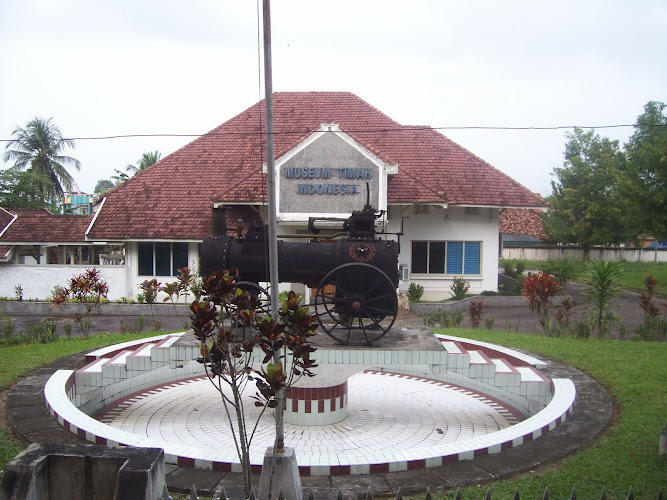
Museum Timah Indonesia
About Museum Timah Indonesia
Description
Museum Timah Indonesia is one of those places that quietly surprises you. At first glance, it looks like a modest museum dedicated to the history of tin mining, but once inside, you realize it’s so much more than that. The museum dives deep into the story of tin, the industry that shaped much of Bangka Belitung’s culture, economy, and even the everyday lives of its people. Industrial models, antique mining equipment, and hands-on geological exhibits give visitors a clear picture of how tin was extracted and processed over the decades. It’s not just about machines and rocks—it’s about people, their sweat, their ingenuity, and their resilience.
The atmosphere is educational without being heavy-handed. Families often bring kids here because the exhibits are interactive enough to keep younger audiences engaged, while adults can appreciate the historical depth. There are, of course, areas that feel a bit dated—some displays could use a refresh—but that almost adds to the charm. It feels authentic, like you’re stepping into a time capsule rather than a polished tourist attraction. And for anyone who enjoys offbeat museums, this one hits the sweet spot: informative, quirky, and rooted in local identity.
What struck me personally was how the museum manages to balance technical detail with storytelling. I once found myself lingering at a model of an old dredger, imagining the sheer scale of the machines that once dominated the rivers and seas here. It’s humbling, honestly, to think about how much effort went into shaping the land and extracting something as seemingly ordinary as tin. That mix of awe and curiosity is what makes this museum worth the visit.
Key Features
- Industrial models that showcase the evolution of tin-mining technology
- Antique mining equipment preserved for close-up viewing
- Hands-on geological exhibits where kids and adults can learn about tin ore
- Wheelchair-accessible entrance for easier access
- On-site restrooms and a nursing room for families with small children
- Free on-site parking, so you don’t have to worry about finding a spot
- Family-friendly environment that encourages both learning and curiosity
Best Time to Visit
If you’re planning a trip, mornings are usually the best bet. The museum tends to be quieter then, which gives you more space to wander around and really take in the details without feeling rushed. Weekdays are generally calmer too, while weekends can get a bit busier with families and school groups. Weather-wise, since this is an indoor attraction, you don’t have to worry too much about rain or blazing sun—it’s a good backup plan if your beach day gets rained out. Personally, I love visiting museums like this when the weather outside isn’t cooperating. It feels like you’re making the most of your day without battling the elements.
How to Get There
Getting to Museum Timah Indonesia is fairly straightforward if you’re already on Bangka Island. Most travelers either hire a local driver or use a rental car, since public transportation isn’t always the most reliable here. The roads are generally in good shape, and the drive itself can be quite scenic, with glimpses of small villages and stretches of greenery. If you’re staying in Pangkal Pinang, it’s a manageable trip that doesn’t eat up your whole day. I’d recommend combining the visit with a stop at a local eatery or another nearby attraction to make the journey feel even more worthwhile.
Tips for Visiting
First, give yourself at least an hour or two to explore. While the museum isn’t massive, there’s more to see than you might expect at first glance. Some of the exhibits have detailed explanations, and if you’re like me, you’ll find yourself reading every little plaque just to soak it all in.
Second, bring a bit of patience. Some displays may look a little old-fashioned, but if you look past that, the stories they tell are priceless. And honestly, that slightly worn-out look gives it character—it feels less like a staged attraction and more like a genuine piece of history.
Third, if you’re traveling with kids, the hands-on geological section is a lifesaver. It keeps them entertained while you get to enjoy the more technical aspects. Also, don’t forget the nursing room and restrooms are available, which makes life easier for families.
Lastly, bring a bottle of water and maybe a small snack, since there’s no restaurant on-site. And if you’re the type who loves photography, the industrial models and antique equipment make for some really interesting shots. Just be respectful of the space—it’s a museum, not a playground.
All in all, Museum Timah Indonesia is the kind of place that rewards curiosity. It’s not flashy, but it’s rich in stories. And if you’re the kind of traveler who enjoys digging beneath the surface of a destination (pun intended), you’ll walk away with a deeper appreciation of the island and its people.
Key Features
- Industrial models that showcase the evolution of tin-mining technology
- Antique mining equipment preserved for close-up viewing
- Hands-on geological exhibits where kids and adults can learn about tin ore
- Wheelchair-accessible entrance for easier access
- On-site restrooms and a nursing room for families with small children
- Free on-site parking, so you don’t have to worry about finding a spot
- Family-friendly environment that encourages both learning and curiosity
More Details
Updated September 9, 2025
Table of Contents
Description
Museum Timah Indonesia is one of those places that quietly surprises you. At first glance, it looks like a modest museum dedicated to the history of tin mining, but once inside, you realize it’s so much more than that. The museum dives deep into the story of tin, the industry that shaped much of Bangka Belitung’s culture, economy, and even the everyday lives of its people. Industrial models, antique mining equipment, and hands-on geological exhibits give visitors a clear picture of how tin was extracted and processed over the decades. It’s not just about machines and rocks—it’s about people, their sweat, their ingenuity, and their resilience.
The atmosphere is educational without being heavy-handed. Families often bring kids here because the exhibits are interactive enough to keep younger audiences engaged, while adults can appreciate the historical depth. There are, of course, areas that feel a bit dated—some displays could use a refresh—but that almost adds to the charm. It feels authentic, like you’re stepping into a time capsule rather than a polished tourist attraction. And for anyone who enjoys offbeat museums, this one hits the sweet spot: informative, quirky, and rooted in local identity.
What struck me personally was how the museum manages to balance technical detail with storytelling. I once found myself lingering at a model of an old dredger, imagining the sheer scale of the machines that once dominated the rivers and seas here. It’s humbling, honestly, to think about how much effort went into shaping the land and extracting something as seemingly ordinary as tin. That mix of awe and curiosity is what makes this museum worth the visit.
Key Features
- Industrial models that showcase the evolution of tin-mining technology
- Antique mining equipment preserved for close-up viewing
- Hands-on geological exhibits where kids and adults can learn about tin ore
- Wheelchair-accessible entrance for easier access
- On-site restrooms and a nursing room for families with small children
- Free on-site parking, so you don’t have to worry about finding a spot
- Family-friendly environment that encourages both learning and curiosity
Best Time to Visit
If you’re planning a trip, mornings are usually the best bet. The museum tends to be quieter then, which gives you more space to wander around and really take in the details without feeling rushed. Weekdays are generally calmer too, while weekends can get a bit busier with families and school groups. Weather-wise, since this is an indoor attraction, you don’t have to worry too much about rain or blazing sun—it’s a good backup plan if your beach day gets rained out. Personally, I love visiting museums like this when the weather outside isn’t cooperating. It feels like you’re making the most of your day without battling the elements.
How to Get There
Getting to Museum Timah Indonesia is fairly straightforward if you’re already on Bangka Island. Most travelers either hire a local driver or use a rental car, since public transportation isn’t always the most reliable here. The roads are generally in good shape, and the drive itself can be quite scenic, with glimpses of small villages and stretches of greenery. If you’re staying in Pangkal Pinang, it’s a manageable trip that doesn’t eat up your whole day. I’d recommend combining the visit with a stop at a local eatery or another nearby attraction to make the journey feel even more worthwhile.
Tips for Visiting
First, give yourself at least an hour or two to explore. While the museum isn’t massive, there’s more to see than you might expect at first glance. Some of the exhibits have detailed explanations, and if you’re like me, you’ll find yourself reading every little plaque just to soak it all in.
Second, bring a bit of patience. Some displays may look a little old-fashioned, but if you look past that, the stories they tell are priceless. And honestly, that slightly worn-out look gives it character—it feels less like a staged attraction and more like a genuine piece of history.
Third, if you’re traveling with kids, the hands-on geological section is a lifesaver. It keeps them entertained while you get to enjoy the more technical aspects. Also, don’t forget the nursing room and restrooms are available, which makes life easier for families.
Lastly, bring a bottle of water and maybe a small snack, since there’s no restaurant on-site. And if you’re the type who loves photography, the industrial models and antique equipment make for some really interesting shots. Just be respectful of the space—it’s a museum, not a playground.
All in all, Museum Timah Indonesia is the kind of place that rewards curiosity. It’s not flashy, but it’s rich in stories. And if you’re the kind of traveler who enjoys digging beneath the surface of a destination (pun intended), you’ll walk away with a deeper appreciation of the island and its people.
Key Highlights
- Industrial models that showcase the evolution of tin-mining technology
- Antique mining equipment preserved for close-up viewing
- Hands-on geological exhibits where kids and adults can learn about tin ore
- Wheelchair-accessible entrance for easier access
- On-site restrooms and a nursing room for families with small children
- Free on-site parking, so you don’t have to worry about finding a spot
- Family-friendly environment that encourages both learning and curiosity
Location
Places to Stay Near Museum Timah Indonesia
Find and Book a Tour
Explore More Travel Guides
No reviews found! Be the first to review!
Traveler Reviews for Museum Timah Indonesia
There are no reviews yet. Be the first one to write one.
Have you visited Museum Timah Indonesia? Help other travelers by sharing your review.
You Might Also Like
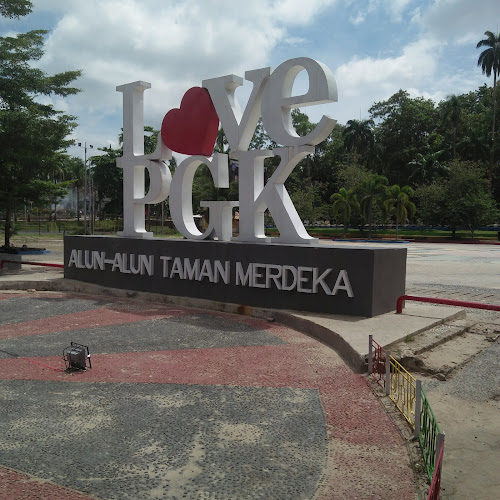
Merdeka Town Square Park

Bhayangkara Park Bangka Belitung
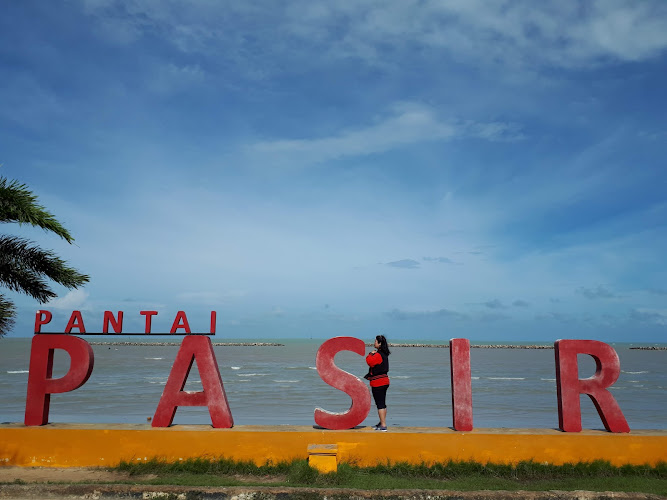
Pasir Padi Beach
Find Accommodations Nearby
Recommended Tours & Activities
Visitor Reviews
There are no reviews yet. Be the first one to write one.
Share Your Experience
Have you visited Museum Timah Indonesia? Help other travelers by leaving a review.