
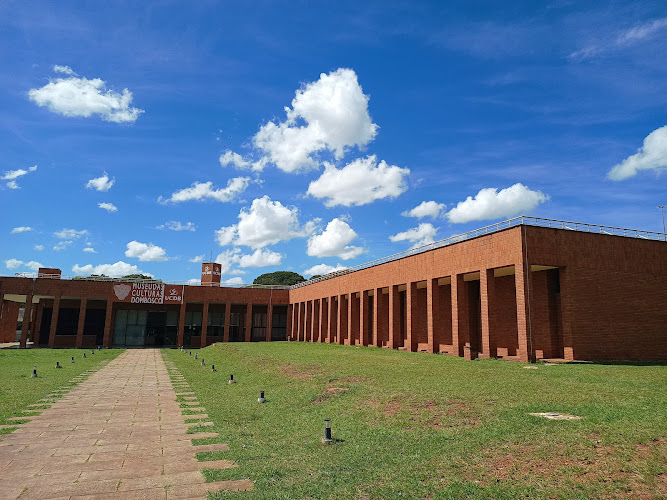
Museum of Cultures Don Bosco
About Museum of Cultures Don Bosco
Description
The Museum of Cultures Don Bosco is one of those places that quietly surprises you. At first glance, it might look like just another ethnographic museum, but once you step inside, you realize it’s more like a living conversation between cultures, traditions, and stories that span centuries. The collection is vast, with artifacts that highlight the indigenous peoples of Brazil and beyond, and it feels less like staring at objects behind glass and more like stepping into a shared memory of humanity. It’s not a flashy museum, and maybe that’s part of its charm—its strength lies in authenticity. Some visitors have said it’s a bit overwhelming in size, while others mention that certain sections could use more context, but overwhelmingly, people walk away impressed and enriched.
I remember strolling through its halls and pausing at a display of ceremonial masks. They weren’t just art pieces; they felt alive, like they carried the weight of rituals and voices from generations past. That’s the kind of experience you get here: not just seeing, but feeling. And at a very reasonable ticket price, it’s accessible without being pretentious. Families often bring their kids, and you’ll see little ones wide-eyed at the colorful exhibits. The museum is also thoughtfully designed with accessibility in mind—wheelchair users can navigate comfortably, and restrooms are easy to find. It’s not perfect, of course, but it’s one of those cultural gems that leaves a lasting impression if you give it the time it deserves.
Key Features
- Extensive ethnographic collection showcasing indigenous cultures of Brazil and South America
- Artifacts ranging from ceremonial masks to everyday tools and textiles
- Educational displays that highlight cultural diversity and traditions
- Family-friendly environment, good for children and school visits
- Wheelchair accessible entrance, restrooms, and parking
- Affordable ticket prices with discounts and free entry for young children
- Peaceful atmosphere, ideal for slow exploration and reflection
Best Time to Visit
If you’re like me and prefer avoiding crowds, mornings during the week are the sweet spot. You’ll have more space to wander and linger without feeling rushed. Weekends can get busier with families and group tours, but that also adds a lively energy. Weather-wise, Campo Grande can get pretty hot, so visiting in the cooler months between May and August makes the whole experience more comfortable. The museum itself is indoors, but trust me, walking to and from in the midday heat can be draining. I’d also say avoid national holidays if you’re not a fan of long lines, as it tends to be a popular stop for locals then.
How to Get There
Reaching the museum is straightforward if you’re staying in Campo Grande. Taxis and ride-share apps are reliable and affordable, and they’ll drop you right at the entrance. Public buses also run close by, though if you’re not familiar with the routes, it can be a bit confusing. Personally, I’d recommend a car or ride-share because it saves time and energy, especially if you’re exploring other attractions in the same day. Parking is available and accessible, so driving is a practical option if you’ve rented a car. Just keep in mind that traffic can get heavy during rush hours, so plan accordingly.
Tips for Visiting
First and foremost, give yourself enough time. This isn’t a quick 30-minute stop; you’ll want at least two hours to really appreciate the exhibits. Bring a bottle of water, since there’s no restaurant inside, and maybe a snack for later. If you’re traveling with kids, prepare to answer lots of questions—they’ll be curious about the colorful displays and unusual objects. Photography is usually allowed, but always check for signs before snapping away. One thing I’d suggest is to slow down and read the descriptions carefully; they add so much context that makes the artifacts come alive. And don’t rush straight to the “big” exhibits—some of the smaller, tucked-away pieces tell the most fascinating stories.
As a personal note, I’d say go in with an open mind. It’s easy to breeze through museums, but here, the richness is in the details. I found myself unexpectedly moved by a simple woven basket, realizing it represented not just craftsmanship but survival, community, and tradition. That’s the kind of perspective this museum offers if you’re willing to look closely. And honestly, that’s what makes it worth the trip—it’s not about ticking off a tourist checklist, it’s about walking away with a deeper appreciation for cultures that continue to shape Brazil and the wider world.
Key Features
- Extensive ethnographic collection showcasing indigenous cultures of Brazil and South America
- Artifacts ranging from ceremonial masks to everyday tools and textiles
- Educational displays that highlight cultural diversity and traditions
- Family-friendly environment, good for children and school visits
- Wheelchair accessible entrance, restrooms, and parking
- Affordable ticket prices with discounts and free entry for young children
- Peaceful atmosphere, ideal for slow exploration and reflection
More Details
Updated September 30, 2025
Table of Contents
Description
The Museum of Cultures Don Bosco is one of those places that quietly surprises you. At first glance, it might look like just another ethnographic museum, but once you step inside, you realize it’s more like a living conversation between cultures, traditions, and stories that span centuries. The collection is vast, with artifacts that highlight the indigenous peoples of Brazil and beyond, and it feels less like staring at objects behind glass and more like stepping into a shared memory of humanity. It’s not a flashy museum, and maybe that’s part of its charm—its strength lies in authenticity. Some visitors have said it’s a bit overwhelming in size, while others mention that certain sections could use more context, but overwhelmingly, people walk away impressed and enriched.
I remember strolling through its halls and pausing at a display of ceremonial masks. They weren’t just art pieces; they felt alive, like they carried the weight of rituals and voices from generations past. That’s the kind of experience you get here: not just seeing, but feeling. And at a very reasonable ticket price, it’s accessible without being pretentious. Families often bring their kids, and you’ll see little ones wide-eyed at the colorful exhibits. The museum is also thoughtfully designed with accessibility in mind—wheelchair users can navigate comfortably, and restrooms are easy to find. It’s not perfect, of course, but it’s one of those cultural gems that leaves a lasting impression if you give it the time it deserves.
Key Features
- Extensive ethnographic collection showcasing indigenous cultures of Brazil and South America
- Artifacts ranging from ceremonial masks to everyday tools and textiles
- Educational displays that highlight cultural diversity and traditions
- Family-friendly environment, good for children and school visits
- Wheelchair accessible entrance, restrooms, and parking
- Affordable ticket prices with discounts and free entry for young children
- Peaceful atmosphere, ideal for slow exploration and reflection
Best Time to Visit
If you’re like me and prefer avoiding crowds, mornings during the week are the sweet spot. You’ll have more space to wander and linger without feeling rushed. Weekends can get busier with families and group tours, but that also adds a lively energy. Weather-wise, Campo Grande can get pretty hot, so visiting in the cooler months between May and August makes the whole experience more comfortable. The museum itself is indoors, but trust me, walking to and from in the midday heat can be draining. I’d also say avoid national holidays if you’re not a fan of long lines, as it tends to be a popular stop for locals then.
How to Get There
Reaching the museum is straightforward if you’re staying in Campo Grande. Taxis and ride-share apps are reliable and affordable, and they’ll drop you right at the entrance. Public buses also run close by, though if you’re not familiar with the routes, it can be a bit confusing. Personally, I’d recommend a car or ride-share because it saves time and energy, especially if you’re exploring other attractions in the same day. Parking is available and accessible, so driving is a practical option if you’ve rented a car. Just keep in mind that traffic can get heavy during rush hours, so plan accordingly.
Tips for Visiting
First and foremost, give yourself enough time. This isn’t a quick 30-minute stop; you’ll want at least two hours to really appreciate the exhibits. Bring a bottle of water, since there’s no restaurant inside, and maybe a snack for later. If you’re traveling with kids, prepare to answer lots of questions—they’ll be curious about the colorful displays and unusual objects. Photography is usually allowed, but always check for signs before snapping away. One thing I’d suggest is to slow down and read the descriptions carefully; they add so much context that makes the artifacts come alive. And don’t rush straight to the “big” exhibits—some of the smaller, tucked-away pieces tell the most fascinating stories.
As a personal note, I’d say go in with an open mind. It’s easy to breeze through museums, but here, the richness is in the details. I found myself unexpectedly moved by a simple woven basket, realizing it represented not just craftsmanship but survival, community, and tradition. That’s the kind of perspective this museum offers if you’re willing to look closely. And honestly, that’s what makes it worth the trip—it’s not about ticking off a tourist checklist, it’s about walking away with a deeper appreciation for cultures that continue to shape Brazil and the wider world.
Key Highlights
- Extensive ethnographic collection showcasing indigenous cultures of Brazil and South America
- Artifacts ranging from ceremonial masks to everyday tools and textiles
- Educational displays that highlight cultural diversity and traditions
- Family-friendly environment, good for children and school visits
- Wheelchair accessible entrance, restrooms, and parking
- Affordable ticket prices with discounts and free entry for young children
- Peaceful atmosphere, ideal for slow exploration and reflection
Location
Places to Stay Near Museum of Cultures Don Bosco
Find and Book a Tour
Explore More Travel Guides
No reviews found! Be the first to review!
Traveler Reviews for Museum of Cultures Don Bosco
There are no reviews yet. Be the first one to write one.
Have you visited Museum of Cultures Don Bosco? Help other travelers by sharing your review.
You Might Also Like
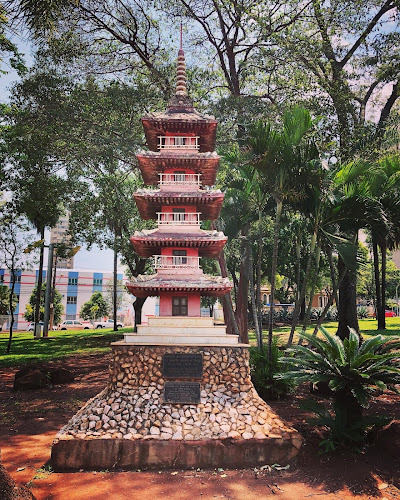
Monumento Imigração Japonesa - Praça do Rádio Clube
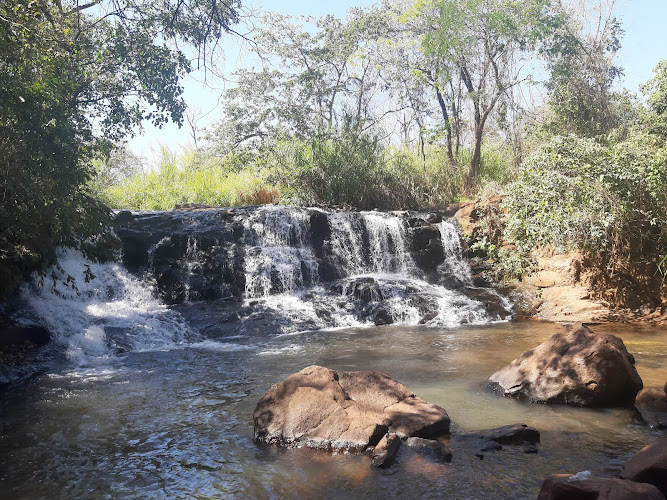
Cachoeira do Céu
79008-002
Find Accommodations Nearby
Recommended Tours & Activities
Visitor Reviews
There are no reviews yet. Be the first one to write one.
Share Your Experience
Have you visited Museum of Cultures Don Bosco? Help other travelers by leaving a review.