
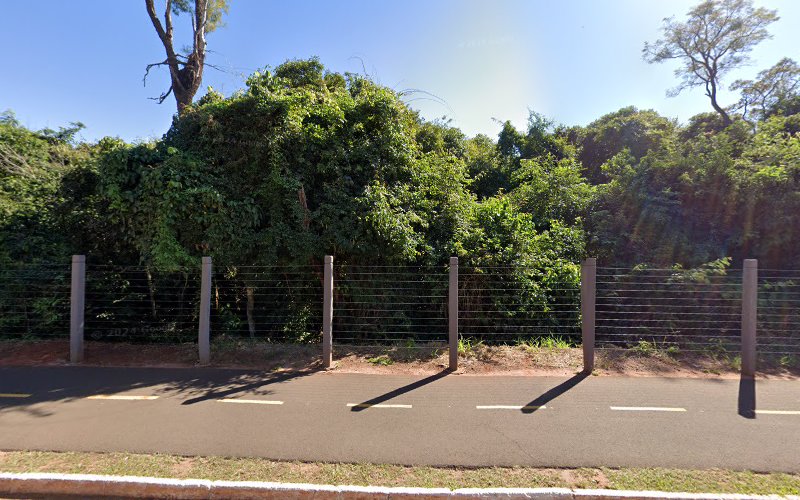
Nascente do Córrego Joaquim Português
About Nascente do Córrego Joaquim Português
Description
The Nascente do Córrego Joaquim Português is one of those places that feels like a secret corner of Campo Grande, even though it sits inside the well-known Parque das Nações Indígenas. What makes it stand out is not just its natural beauty but also the story of resilience behind it. After years of erosion and degradation, the spring has been carefully restored through a large-scale reforestation effort. And the results are already showing—clearer waters, healthier soil, and even the return of small animals and birds that had disappeared for a while.
When you visit, you don’t just see a spring; you see a living example of how nature can bounce back when given the chance. It’s calm, green, and peaceful, but it also carries this quiet energy of renewal. Families, especially those with children, often stop here because it feels safe and educational at the same time. Kids can actually see how plants and trees help protect water sources, which is something you don’t get to witness up close very often.
I’ll admit, the first time I walked through the area I didn’t expect much—it’s “just a spring,” I thought. But standing there, hearing the water trickle and noticing how the air felt cooler, I realized it’s one of those places that sneaks up on you. It’s not flashy, but it leaves a lasting impression.
Key Features
- Restored spring that feeds the Lago Maior inside Parque das Nações Indígenas
- Ongoing reforestation project with thousands of native trees planted
- Noticeable return of local fauna, including birds and small mammals
- Educational value for children and families, showing the impact of conservation
- Peaceful walking paths and shaded areas perfect for a short break
- Contribution to reducing sediment in the park’s main lake, improving water quality
Best Time to Visit
In my opinion, mornings are the best time to stop by the Nascente do Córrego Joaquim Português. The light is softer, the air feels cooler, and you’ll likely hear the birds most active at that hour. If you’re into photography, sunrise light filtering through the young trees makes for some surprisingly good shots.
As for seasons, the dry months (roughly May to September) make the trails easier to walk without worrying about mud. But if you don’t mind a little mess on your shoes, visiting during the rainy season can be magical—the spring feels fuller, and the greenery looks more intense. I once went after a summer rain, and the smell of wet earth mixed with fresh leaves was unforgettable.
How to Get There
The spring sits inside Parque das Nações Indígenas, one of the main green spaces in Campo Grande. If you’re already in the city, getting there is straightforward—taxis, ride-hailing apps, and even local buses can drop you near the park’s entrances. Once you’re inside, it’s a short walk to the spring area. The paths are well-marked, and even if you wander a bit, you’ll find your way easily.
If you’re driving, parking is available around the park, though weekends can get busy. I’d suggest arriving earlier in the day to avoid crowds and to snag a good spot. Walking in with a relaxed pace makes the whole experience more enjoyable, anyway.
Tips for Visiting
Here are a few things I’ve learned from my own visits and from chatting with locals:
- Bring water and maybe a light snack—there are vendors in the park, but not always right by the spring.
- If you’re traveling with kids, make it a little adventure. Talk about how trees protect the water, and let them spot birds or insects—it keeps them engaged.
- Wear comfortable shoes. The paths aren’t difficult, but you’ll want to walk around without worrying about slipping.
- Respect the space. It’s a recovering ecosystem, so avoid stepping off the trails or disturbing plants.
- Plan extra time. Even if you think you’ll only stop for 10 minutes, the calm atmosphere has a way of making you linger.
And one last thing—don’t expect a big, dramatic waterfall or anything like that. This is a spring, quiet and modest, but it’s exactly that simplicity that makes it worth seeing. It’s the kind of spot you remember not because it’s loud, but because it whispers.
Key Features
- Restored spring that feeds the Lago Maior inside Parque das Nações Indígenas
- Ongoing reforestation project with thousands of native trees planted
- Noticeable return of local fauna, including birds and small mammals
- Educational value for children and families, showing the impact of conservation
- Peaceful walking paths and shaded areas perfect for a short break
- Contribution to reducing sediment in the park’s main lake, improving water quality
- Bring water and maybe a light snack—there are vendors in the park, but not always right by the spring.
- If you’re traveling with kids, make it a little adventure. Talk about how trees protect the water, and let them spot birds or insects—it keeps them engaged.
More Details
Updated September 30, 2025
Table of Contents
- Description
- Key Features
- Best Time to Visit
- How to Get There
- Tips for Visiting
- Key Highlights
- Location
- Places to Stay Near Nascente do Córrego Joaquim Português
- Find and Book a Tour
- Explore More Travel Guides
- Nearby Places You Might Like
- Traveler Reviews for Nascente do Córrego Joaquim Português
- Share Your Experience
Description
The Nascente do Córrego Joaquim Português is one of those places that feels like a secret corner of Campo Grande, even though it sits inside the well-known Parque das Nações Indígenas. What makes it stand out is not just its natural beauty but also the story of resilience behind it. After years of erosion and degradation, the spring has been carefully restored through a large-scale reforestation effort. And the results are already showing—clearer waters, healthier soil, and even the return of small animals and birds that had disappeared for a while.
When you visit, you don’t just see a spring; you see a living example of how nature can bounce back when given the chance. It’s calm, green, and peaceful, but it also carries this quiet energy of renewal. Families, especially those with children, often stop here because it feels safe and educational at the same time. Kids can actually see how plants and trees help protect water sources, which is something you don’t get to witness up close very often.
I’ll admit, the first time I walked through the area I didn’t expect much—it’s “just a spring,” I thought. But standing there, hearing the water trickle and noticing how the air felt cooler, I realized it’s one of those places that sneaks up on you. It’s not flashy, but it leaves a lasting impression.
Key Features
- Restored spring that feeds the Lago Maior inside Parque das Nações Indígenas
- Ongoing reforestation project with thousands of native trees planted
- Noticeable return of local fauna, including birds and small mammals
- Educational value for children and families, showing the impact of conservation
- Peaceful walking paths and shaded areas perfect for a short break
- Contribution to reducing sediment in the park’s main lake, improving water quality
Best Time to Visit
In my opinion, mornings are the best time to stop by the Nascente do Córrego Joaquim Português. The light is softer, the air feels cooler, and you’ll likely hear the birds most active at that hour. If you’re into photography, sunrise light filtering through the young trees makes for some surprisingly good shots.
As for seasons, the dry months (roughly May to September) make the trails easier to walk without worrying about mud. But if you don’t mind a little mess on your shoes, visiting during the rainy season can be magical—the spring feels fuller, and the greenery looks more intense. I once went after a summer rain, and the smell of wet earth mixed with fresh leaves was unforgettable.
How to Get There
The spring sits inside Parque das Nações Indígenas, one of the main green spaces in Campo Grande. If you’re already in the city, getting there is straightforward—taxis, ride-hailing apps, and even local buses can drop you near the park’s entrances. Once you’re inside, it’s a short walk to the spring area. The paths are well-marked, and even if you wander a bit, you’ll find your way easily.
If you’re driving, parking is available around the park, though weekends can get busy. I’d suggest arriving earlier in the day to avoid crowds and to snag a good spot. Walking in with a relaxed pace makes the whole experience more enjoyable, anyway.
Tips for Visiting
Here are a few things I’ve learned from my own visits and from chatting with locals:
- Bring water and maybe a light snack—there are vendors in the park, but not always right by the spring.
- If you’re traveling with kids, make it a little adventure. Talk about how trees protect the water, and let them spot birds or insects—it keeps them engaged.
- Wear comfortable shoes. The paths aren’t difficult, but you’ll want to walk around without worrying about slipping.
- Respect the space. It’s a recovering ecosystem, so avoid stepping off the trails or disturbing plants.
- Plan extra time. Even if you think you’ll only stop for 10 minutes, the calm atmosphere has a way of making you linger.
And one last thing—don’t expect a big, dramatic waterfall or anything like that. This is a spring, quiet and modest, but it’s exactly that simplicity that makes it worth seeing. It’s the kind of spot you remember not because it’s loud, but because it whispers.
Key Highlights
- Restored spring that feeds the Lago Maior inside Parque das Nações Indígenas
- Ongoing reforestation project with thousands of native trees planted
- Noticeable return of local fauna, including birds and small mammals
- Educational value for children and families, showing the impact of conservation
- Peaceful walking paths and shaded areas perfect for a short break
- Contribution to reducing sediment in the park’s main lake, improving water quality
- Bring water and maybe a light snack—there are vendors in the park, but not always right by the spring.
- If you’re traveling with kids, make it a little adventure. Talk about how trees protect the water, and let them spot birds or insects—it keeps them engaged.
Location
Places to Stay Near Nascente do Córrego Joaquim Português
Find and Book a Tour
Explore More Travel Guides
No reviews found! Be the first to review!
Traveler Reviews for Nascente do Córrego Joaquim Português
There are no reviews yet. Be the first one to write one.
Have you visited Nascente do Córrego Joaquim Português? Help other travelers by sharing your review.
You Might Also Like
79008-002

Praça Pantaneira
Pros State Park (PEP)
Find Accommodations Nearby
Recommended Tours & Activities
Visitor Reviews
There are no reviews yet. Be the first one to write one.
Share Your Experience
Have you visited Nascente do Córrego Joaquim Português? Help other travelers by leaving a review.