
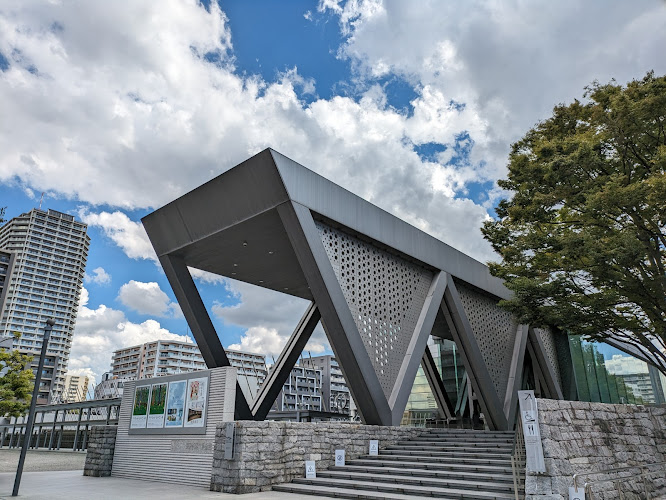
Museum of Contemporary Art Tokyo (MOT)
About Museum of Contemporary Art Tokyo (MOT)
Description
The Museum of Contemporary Art Tokyo, affectionately known as MOT among locals and regular visitors, stands as one of Japan's premier destinations for experiencing modern artistic expression. Located in Kiba Park, this institution has been serving up thought-provoking exhibitions since opening its doors in the mid-1990s. I've always found it fascinating how this museum manages to strike that delicate balance between showcasing homegrown Japanese talent and bringing in compelling international works that challenge conventional thinking. What sets MOT apart from other art museums in Tokyo is its genuine commitment to making contemporary art accessible without dumbing it down. The building itself—a product of 1990s architectural ambition—provides an impressive backdrop for the rotating and permanent collections housed within its walls. You'll find yourself wandering through spacious galleries that give each artwork room to breathe, which is honestly refreshing in a city where space comes at such a premium. The museum doesn't just throw art at you and expect you to figure it out on your own. There's a thoughtful curation approach here that helps visitors understand the context behind challenging pieces. And trust me, some contemporary art really does need that context. I remember my first visit years ago when I stood confused in front of an installation for a good ten minutes before reading the explanation and having one of those satisfying "aha" moments. The permanent collection features works that span post-war Japanese art through to current emerging artists, giving visitors a comprehensive look at how artistic movements have evolved in Japan over the decades. But the rotating exhibitions are where things get really interesting—you might catch anything from video installations to large-scale sculptures that make you question your understanding of physical space.Key Features
- Extensive permanent collection showcasing post-war Japanese contemporary art alongside international pieces that provide cultural context and contrast
- Rotating special exhibitions that bring fresh perspectives and emerging artists to Tokyo's art scene several times throughout the year
- Spacious gallery design from the 1990s that gives artworks proper breathing room and prevents that claustrophobic feeling you get in some museums
- Full accessibility features including wheelchair-accessible entrances, parking areas, and restroom facilities that make the museum welcoming to all visitors
- On-site restaurant where you can grab a bite and process what you've just experienced without having to leave the premises
- Kid-friendly facilities including changing tables that make this a realistic option for families traveling with young children
- Educational programs and guided tours that help demystify contemporary art for those who might feel intimidated by the genre
- Museum shop stocked with art books, exhibition catalogs, and unique items you won't find elsewhere in Tokyo
- Connection to Kiba Park, allowing visitors to combine their museum experience with outdoor relaxation
- Commitment to showcasing both established names and up-and-coming artists, keeping the collection dynamic and unpredictable
Best Time to Visit
Timing your visit to MOT can make a significant difference in your experience. The museum tends to be quietest on weekday mornings, particularly Tuesdays through Thursdays. If you're the type who likes to linger in front of artworks without someone breathing down your neck, aim for opening time around 10 AM on these days. Weekends naturally draw bigger crowds, especially when there's a popular special exhibition running. But here's the thing—sometimes the energy of other visitors actually enhances the experience. Contemporary art often sparks conversation and seeing how others react to challenging pieces can add another layer to your visit. The museum closes on Mondays, which seems to trip up a lot of tourists who assume major museums follow Western schedules. Don't be that person who shows up Monday morning with high hopes only to find locked doors. Season-wise, I'd say spring and autumn offer the most comfortable visiting conditions. Tokyo summers can be brutally humid, and while the museum itself is climate-controlled, the journey there and the surrounding Kiba Park area become less appealing when you're drenched in sweat. Winter works fine too, though the modern architecture can feel a bit stark in grey weather. Special exhibitions typically rotate several times per year, so checking the schedule before your trip makes sense. Some exhibitions draw massive crowds—particularly those featuring internationally recognized names or photography retrospectives. If you're specifically interested in a temporary show, consider visiting during its mid-run period rather than opening or closing weeks when attendance spikes. The golden hour doesn't matter much here since you're indoors, but arriving with at least three hours to spare allows you to properly absorb both the permanent collection and any special exhibitions without feeling rushed. Contemporary art isn't meant to be speed-walked through, despite what some tour groups seem to think.How to Get There
Getting to MOT involves a bit more effort than reaching some of Tokyo's central museums, but that's actually part of its charm. The museum sits in the Kiba area of Koto Ward, which feels refreshingly different from tourist-heavy districts. The most straightforward approach uses the Tokyo Metro Hanzomon Line. You'll want to get off at Kiyosumi-Shirakawa Station and take Exit B2. From there, it's roughly a 15-minute walk through a neighborhood that gives you a glimpse of everyday Tokyo life. The walk takes you past small shops and residential buildings—nothing fancy, but authentically local. Alternatively, the Toei Oedo Line also stops at Kiyosumi-Shirakawa Station with a similar walking distance. Some visitors prefer taking the Tokyo Metro Tozai Line to Kiba Station, which puts you about a 13-minute walk away. Honestly, the difference between these routes is minimal, so just use whichever line connects most conveniently with your starting point. For those staying in areas like Shibuya or Omotesando, the Hanzomon Line offers direct access without transfers, which is always a win in Tokyo's complex transit system. From Shinjuku or other JR Line hubs, you'll need to transfer at least once—plan accordingly. The museum provides on-site parking for visitors arriving by car, though navigating Tokyo traffic and paying parking fees generally makes this option less appealing unless you're driving from outside the city. Taxis work fine too if you're traveling with mobility-impaired companions or simply prefer door-to-door service. One tip I learned the hard way: download an offline map or screenshot directions before you leave your hotel. The Kiba area doesn't have as many English signs as central Tokyo, and cellular data can get spotty in some pockets. The walk from the station isn't complicated, but having visual confirmation you're headed the right direction prevents unnecessary backtracking.Tips for Visiting
Buy your tickets in advance when possible. The museum strongly recommends this, and I'd echo that advice especially if you're visiting during a popular exhibition. Nothing kills the mood quite like standing in a ticket line for 40 minutes when you could already be inside experiencing art. Bring a light jacket even in summer. The air conditioning runs cold, and after spending an hour or two in the galleries, you might find yourself getting chilly. This isn't unique to MOT, but contemporary art museums seem particularly enthusiastic about their climate control. Photography policies vary by exhibition, so check signage as you enter each gallery. Some temporary shows prohibit photos entirely while others allow non-flash photography. The permanent collection generally permits personal photography, but don't be that person holding up traffic to get the perfect Instagram shot. The museum restaurant serves decent food that won't break your budget. I've eaten there several times and found it particularly useful when visiting with kids who need regular feeding to maintain acceptable behavior levels. The menu isn't fancy, but it's convenient and saves you from having to leave and search for nearby restaurants. Wear comfortable shoes. This might seem obvious, but those gallery floors are hard and you'll be on your feet for several hours if you're properly engaging with the collection. Your fancy travel shoes can wait for dinner. Don't skip the museum shop. Even if you're not typically a souvenir person, the selection here leans toward genuinely interesting art books and exhibition catalogs that make worthwhile additions to your collection. Prices are reasonable compared to what you'd pay importing these items internationally. If you're visiting with children, grab a family guide at the entrance. The museum does make efforts to engage younger visitors, though I'll be honest—contemporary art can be a tough sell for kids under 10. The changing tables and family facilities are there, but manage your expectations about how long young children will remain interested. Allow time to explore Kiba Park before or after your museum visit. The green space provides a nice counterpoint to the intensity of contemporary art, and there's something satisfying about processing what you've seen while walking among trees. Consider combining your MOT visit with nearby Kiyosumi Gardens for a half-day cultural itinerary that mixes modern art with traditional Japanese landscape design. They're different enough to complement rather than compete with each other. Check if any artist talks or special events coincide with your visit. The museum hosts various programs that can deepen your understanding of exhibitions, though these events are sometimes conducted primarily in Japanese. Even with language barriers, watching an artist discuss their work provides insight beyond what wall text can offer. Finally, approach contemporary art with an open mind. Not everything will resonate with you—that's completely normal and honestly part of the experience. Some pieces might confuse or even irritate you. That reaction is data too, telling you something about your own perspectives and boundaries. MOT gives you space to have those reactions without judgment, which is ultimately what makes it worth the trip out to Kiba.Key Features
- Extensive permanent collection showcasing post-war Japanese contemporary art alongside international pieces that provide cultural context and contrast
- Rotating special exhibitions that bring fresh perspectives and emerging artists to Tokyo's art scene several times throughout the year
- Spacious gallery design from the 1990s that gives artworks proper breathing room and prevents that claustrophobic feeling you get in some museums
- Full accessibility features including wheelchair-accessible entrances, parking areas, and restroom facilities that make the museum welcoming to all visitors
- On-site restaurant where you can grab a bite and process what you've just experienced without having to leave the premises
- Kid-friendly facilities including changing tables that make this a realistic option for families traveling with young children
- Educational programs and guided tours that help demystify contemporary art for those who might feel intimidated by the genre
- Museum shop stocked with art books, exhibition catalogs, and unique items you won't find elsewhere in Tokyo
More Details
Updated March 30, 2026
Table of Contents
- Description
- Key Features
- Best Time to Visit
- How to Get There
- Tips for Visiting
- Key Highlights
- Location
- Places to Stay Near Museum of Contemporary Art Tokyo (MOT)
- Find and Book a Tour
- Explore More Travel Guides
- Nearby Places You Might Like
- Traveler Reviews for Museum of Contemporary Art Tokyo (MOT)
- Share Your Experience
Description
The Museum of Contemporary Art Tokyo, affectionately known as MOT among locals and regular visitors, stands as one of Japan’s premier destinations for experiencing modern artistic expression. Located in Kiba Park, this institution has been serving up thought-provoking exhibitions since opening its doors in the mid-1990s. I’ve always found it fascinating how this museum manages to strike that delicate balance between showcasing homegrown Japanese talent and bringing in compelling international works that challenge conventional thinking.
What sets MOT apart from other art museums in Tokyo is its genuine commitment to making contemporary art accessible without dumbing it down. The building itself—a product of 1990s architectural ambition—provides an impressive backdrop for the rotating and permanent collections housed within its walls. You’ll find yourself wandering through spacious galleries that give each artwork room to breathe, which is honestly refreshing in a city where space comes at such a premium.
The museum doesn’t just throw art at you and expect you to figure it out on your own. There’s a thoughtful curation approach here that helps visitors understand the context behind challenging pieces. And trust me, some contemporary art really does need that context. I remember my first visit years ago when I stood confused in front of an installation for a good ten minutes before reading the explanation and having one of those satisfying “aha” moments.
The permanent collection features works that span post-war Japanese art through to current emerging artists, giving visitors a comprehensive look at how artistic movements have evolved in Japan over the decades. But the rotating exhibitions are where things get really interesting—you might catch anything from video installations to large-scale sculptures that make you question your understanding of physical space.
Key Features
- Extensive permanent collection showcasing post-war Japanese contemporary art alongside international pieces that provide cultural context and contrast
- Rotating special exhibitions that bring fresh perspectives and emerging artists to Tokyo’s art scene several times throughout the year
- Spacious gallery design from the 1990s that gives artworks proper breathing room and prevents that claustrophobic feeling you get in some museums
- Full accessibility features including wheelchair-accessible entrances, parking areas, and restroom facilities that make the museum welcoming to all visitors
- On-site restaurant where you can grab a bite and process what you’ve just experienced without having to leave the premises
- Kid-friendly facilities including changing tables that make this a realistic option for families traveling with young children
- Educational programs and guided tours that help demystify contemporary art for those who might feel intimidated by the genre
- Museum shop stocked with art books, exhibition catalogs, and unique items you won’t find elsewhere in Tokyo
- Connection to Kiba Park, allowing visitors to combine their museum experience with outdoor relaxation
- Commitment to showcasing both established names and up-and-coming artists, keeping the collection dynamic and unpredictable
Best Time to Visit
Timing your visit to MOT can make a significant difference in your experience. The museum tends to be quietest on weekday mornings, particularly Tuesdays through Thursdays. If you’re the type who likes to linger in front of artworks without someone breathing down your neck, aim for opening time around 10 AM on these days.
Weekends naturally draw bigger crowds, especially when there’s a popular special exhibition running. But here’s the thing—sometimes the energy of other visitors actually enhances the experience. Contemporary art often sparks conversation and seeing how others react to challenging pieces can add another layer to your visit.
The museum closes on Mondays, which seems to trip up a lot of tourists who assume major museums follow Western schedules. Don’t be that person who shows up Monday morning with high hopes only to find locked doors.
Season-wise, I’d say spring and autumn offer the most comfortable visiting conditions. Tokyo summers can be brutally humid, and while the museum itself is climate-controlled, the journey there and the surrounding Kiba Park area become less appealing when you’re drenched in sweat. Winter works fine too, though the modern architecture can feel a bit stark in grey weather.
Special exhibitions typically rotate several times per year, so checking the schedule before your trip makes sense. Some exhibitions draw massive crowds—particularly those featuring internationally recognized names or photography retrospectives. If you’re specifically interested in a temporary show, consider visiting during its mid-run period rather than opening or closing weeks when attendance spikes.
The golden hour doesn’t matter much here since you’re indoors, but arriving with at least three hours to spare allows you to properly absorb both the permanent collection and any special exhibitions without feeling rushed. Contemporary art isn’t meant to be speed-walked through, despite what some tour groups seem to think.
How to Get There
Getting to MOT involves a bit more effort than reaching some of Tokyo’s central museums, but that’s actually part of its charm. The museum sits in the Kiba area of Koto Ward, which feels refreshingly different from tourist-heavy districts.
The most straightforward approach uses the Tokyo Metro Hanzomon Line. You’ll want to get off at Kiyosumi-Shirakawa Station and take Exit B2. From there, it’s roughly a 15-minute walk through a neighborhood that gives you a glimpse of everyday Tokyo life. The walk takes you past small shops and residential buildings—nothing fancy, but authentically local.
Alternatively, the Toei Oedo Line also stops at Kiyosumi-Shirakawa Station with a similar walking distance. Some visitors prefer taking the Tokyo Metro Tozai Line to Kiba Station, which puts you about a 13-minute walk away. Honestly, the difference between these routes is minimal, so just use whichever line connects most conveniently with your starting point.
For those staying in areas like Shibuya or Omotesando, the Hanzomon Line offers direct access without transfers, which is always a win in Tokyo’s complex transit system. From Shinjuku or other JR Line hubs, you’ll need to transfer at least once—plan accordingly.
The museum provides on-site parking for visitors arriving by car, though navigating Tokyo traffic and paying parking fees generally makes this option less appealing unless you’re driving from outside the city. Taxis work fine too if you’re traveling with mobility-impaired companions or simply prefer door-to-door service.
One tip I learned the hard way: download an offline map or screenshot directions before you leave your hotel. The Kiba area doesn’t have as many English signs as central Tokyo, and cellular data can get spotty in some pockets. The walk from the station isn’t complicated, but having visual confirmation you’re headed the right direction prevents unnecessary backtracking.
Tips for Visiting
Buy your tickets in advance when possible. The museum strongly recommends this, and I’d echo that advice especially if you’re visiting during a popular exhibition. Nothing kills the mood quite like standing in a ticket line for 40 minutes when you could already be inside experiencing art.
Bring a light jacket even in summer. The air conditioning runs cold, and after spending an hour or two in the galleries, you might find yourself getting chilly. This isn’t unique to MOT, but contemporary art museums seem particularly enthusiastic about their climate control.
Photography policies vary by exhibition, so check signage as you enter each gallery. Some temporary shows prohibit photos entirely while others allow non-flash photography. The permanent collection generally permits personal photography, but don’t be that person holding up traffic to get the perfect Instagram shot.
The museum restaurant serves decent food that won’t break your budget. I’ve eaten there several times and found it particularly useful when visiting with kids who need regular feeding to maintain acceptable behavior levels. The menu isn’t fancy, but it’s convenient and saves you from having to leave and search for nearby restaurants.
Wear comfortable shoes. This might seem obvious, but those gallery floors are hard and you’ll be on your feet for several hours if you’re properly engaging with the collection. Your fancy travel shoes can wait for dinner.
Don’t skip the museum shop. Even if you’re not typically a souvenir person, the selection here leans toward genuinely interesting art books and exhibition catalogs that make worthwhile additions to your collection. Prices are reasonable compared to what you’d pay importing these items internationally.
If you’re visiting with children, grab a family guide at the entrance. The museum does make efforts to engage younger visitors, though I’ll be honest—contemporary art can be a tough sell for kids under 10. The changing tables and family facilities are there, but manage your expectations about how long young children will remain interested.
Allow time to explore Kiba Park before or after your museum visit. The green space provides a nice counterpoint to the intensity of contemporary art, and there’s something satisfying about processing what you’ve seen while walking among trees.
Consider combining your MOT visit with nearby Kiyosumi Gardens for a half-day cultural itinerary that mixes modern art with traditional Japanese landscape design. They’re different enough to complement rather than compete with each other.
Check if any artist talks or special events coincide with your visit. The museum hosts various programs that can deepen your understanding of exhibitions, though these events are sometimes conducted primarily in Japanese. Even with language barriers, watching an artist discuss their work provides insight beyond what wall text can offer.
Finally, approach contemporary art with an open mind. Not everything will resonate with you—that’s completely normal and honestly part of the experience. Some pieces might confuse or even irritate you. That reaction is data too, telling you something about your own perspectives and boundaries. MOT gives you space to have those reactions without judgment, which is ultimately what makes it worth the trip out to Kiba.
Key Highlights
- Extensive permanent collection showcasing post-war Japanese contemporary art alongside international pieces that provide cultural context and contrast
- Rotating special exhibitions that bring fresh perspectives and emerging artists to Tokyo's art scene several times throughout the year
- Spacious gallery design from the 1990s that gives artworks proper breathing room and prevents that claustrophobic feeling you get in some museums
- Full accessibility features including wheelchair-accessible entrances, parking areas, and restroom facilities that make the museum welcoming to all visitors
- On-site restaurant where you can grab a bite and process what you've just experienced without having to leave the premises
- Kid-friendly facilities including changing tables that make this a realistic option for families traveling with young children
- Educational programs and guided tours that help demystify contemporary art for those who might feel intimidated by the genre
- Museum shop stocked with art books, exhibition catalogs, and unique items you won't find elsewhere in Tokyo
Location
Places to Stay Near Museum of Contemporary Art Tokyo (MOT)
Find and Book a Tour
Explore More Travel Guides
No reviews found! Be the first to review!
Museum of Contemporary Art Tokyo (MOT) is a prominent 現代美術館 located in Koto City.
Visit us at: 4 Chome-1-1 Miyoshi, Koto City, Tokyo 135-0022, Japan.
Traveler Reviews for Museum of Contemporary Art Tokyo (MOT)
There are no reviews yet. Be the first one to write one.
Have you visited Museum of Contemporary Art Tokyo (MOT)? Help other travelers by sharing your review.
You Might Also Like
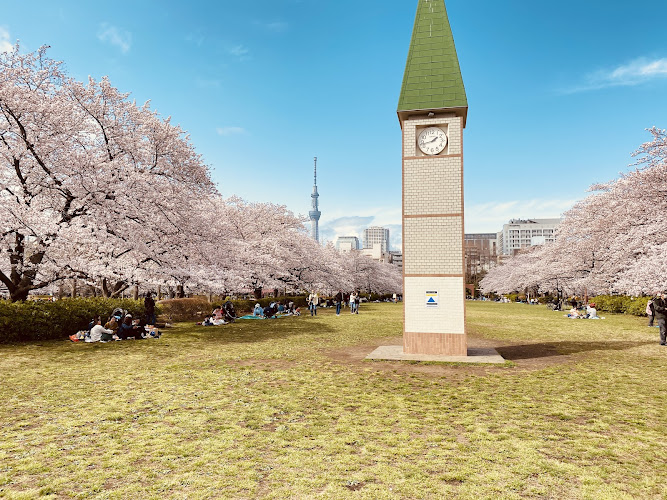
Sarue Park

Fukagawa Fudou-dō (Naritasan Tokyo branch temple)
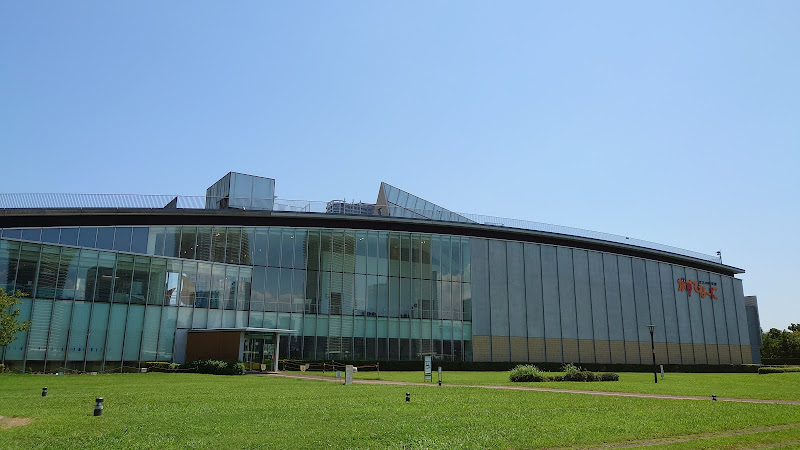
Gas Science Museum
Find Accommodations Nearby
Recommended Tours & Activities
Visitor Reviews
There are no reviews yet. Be the first one to write one.
Share Your Experience
Have you visited Museum of Contemporary Art Tokyo (MOT)? Help other travelers by leaving a review.