
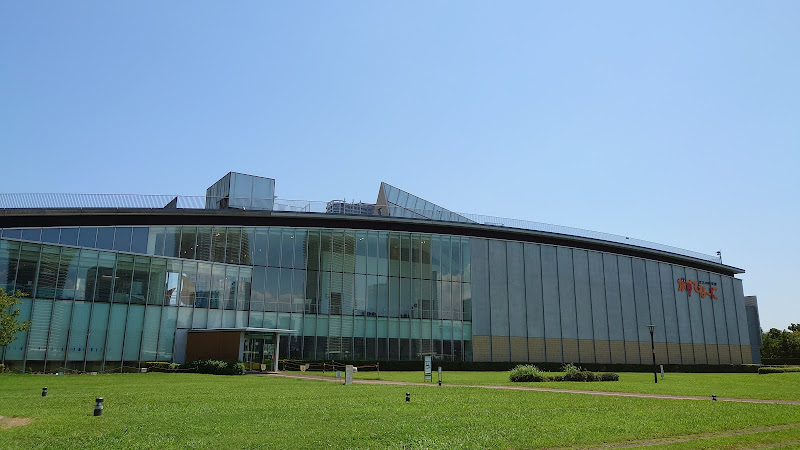
Gas Science Museum
About Gas Science Museum
Description
The Gas Science Museum offers something you probably didn't expect - a genuinely fascinating deep dive into the world of natural gas and energy. And honestly, when I first heard about a museum dedicated to gas, I'll admit I was skeptical. But this place manages to turn what could be a dry subject into an engaging experience that works surprisingly well for families, curious travelers, and anyone interested in how our modern world actually functions. The museum showcases the history and science of natural gas through interactive exhibits and colorful displays that make complex concepts accessible. You'll find everything from vintage gas appliances to scientific demonstrations that explain energy production. The real showstopper though? There's an actual hot-air balloon on display that demonstrates principles of gas combustion and lighter-than-air flight. It's one of those unexpected moments where science suddenly becomes tangible and exciting rather than just theoretical. But what really sets this museum apart is the rooftop garden. After you've absorbed all that knowledge about energy and gas technology, you can head up to the terrace for some seriously good city views. It's this combination of indoor learning and outdoor relaxation that makes the visit feel complete. I've visited plenty of science museums where you leave feeling mentally exhausted, but having that outdoor space to decompress makes all the difference. The museum does accessibility right - wheelchair users can navigate the entire facility comfortably, including entrances, parking areas, and restrooms. Parents with small children will appreciate the changing tables and kid-friendly exhibits that don't talk down to younger visitors but actually engage them. The on-site parking is a huge plus if you're driving, saving you from the usual tourist attraction parking nightmare.Key Features
The Gas Science Museum packs in several distinctive elements that make it worth your time: • Interactive displays explaining natural gas production, distribution, and usage in everyday life that you can actually touch and operate yourself • Historical collection of gas appliances and equipment showing how energy technology evolved over the decades • Hot-air balloon exhibit demonstrating combustion principles and gas properties in a visually striking way • Roof terrace with panoramic city views providing a relaxing outdoor space after exploring indoor exhibits • Educational programs designed for different age groups making complex scientific concepts understandable for everyone • Hands-on experiments where visitors can safely observe gas properties and energy transformation • Historical context about the city's development alongside gas infrastructure and energy evolution • Climate-controlled indoor spaces with comfortable viewing areas for studying detailed exhibits • Fully accessible facilities ensuring all visitors can enjoy the complete museum experience • On-site parking eliminating transportation stress for those arriving by car • Family-friendly changing facilities making visits with young children much more manageableBest Time to Visit
Timing your visit to the Gas Science Museum can really enhance your experience. Weekday mornings, particularly Tuesday through Thursday, tend to be quietest. You'll have more space to interact with exhibits without crowds, and staff members usually have more time to answer questions or provide additional context. School holidays and weekends naturally bring more families, which isn't necessarily bad - the energy level rises and the interactive exhibits get more active use. But if you prefer a contemplative museum experience where you can really absorb information at your own pace, avoid these peak times. Weather matters more than you'd think for a primarily indoor museum. Since the rooftop terrace is such a highlight, visiting on clear days with good visibility maximizes your experience. Spring and early autumn offer the sweet spot - comfortable temperatures on the terrace and clear skies for those city views. Summer can get hot up there without much shade, while winter might make the rooftop less appealing unless you're hardy. The museum occasionally hosts special events and temporary exhibitions, so checking their schedule before visiting can help you catch something extra. These events sometimes draw bigger crowds but also add value to your visit. Early afternoon during weekdays hits that perfect balance - lunch crowds have dispersed, school groups have usually moved on, and you still have plenty of daylight to enjoy the rooftop. If you're traveling with children, morning visits work better when kids are fresh and more receptive to learning. Trying to drag tired children through science exhibits after a full day of sightseeing rarely works well, trust me on this one.How to Get There
Getting to the Gas Science Museum is pretty straightforward whether you're using public transportation or driving. The museum's location makes it accessible from various parts of the city, and the on-site parking is genuinely convenient if you've got a rental car. For those using public transport, several bus routes stop within walking distance of the museum. The walk from the nearest bus stop takes about five to ten minutes depending on your pace. Metro or subway connections require a slightly longer walk, but it's manageable and you'll pass through some interesting neighborhoods along the way. During nice weather, this walk actually adds to the experience rather than feeling like a hassle. Driving offers the advantage of that dedicated parking lot, which isn't something every museum provides. The parking area accommodates regular vehicles plus designated accessible spaces close to the entrance. Navigation apps will get you there without problems, and the museum building itself is distinctive enough that you won't miss it. Taxi or ride-share services can drop you directly at the entrance, which is particularly convenient if you're traveling with young children or have mobility considerations. The accessible entrance makes getting inside smooth regardless of how you arrive. If you're staying in the central tourist areas, the museum sits far enough away to feel like you're exploring beyond typical tourist zones but close enough that getting there doesn't consume half your day. That balance is actually refreshing - you get to see different parts of the city while still maintaining reasonable travel times.Tips for Visiting
Making the most of your Gas Science Museum visit comes down to planning and expectations. First off, this isn't a massive museum where you'll spend an entire day. Most visitors find two to three hours sufficient to see everything comfortably, engage with interactive displays, and enjoy the rooftop. Don't schedule something immediately afterward though - good museums deserve time to breathe, and you might want to linger longer than planned. Bring layers. The indoor exhibition spaces are climate-controlled, but that rooftop terrace can be significantly warmer or cooler depending on weather and season. Having a light jacket or sweater lets you comfortably transition between environments without cutting your rooftop visit short. The interactive exhibits genuinely require interaction to appreciate fully. Don't just look at displays - push buttons, turn cranks, read the explanatory panels. I know it's tempting to rush through museums trying to see everything, but you'll get way more value from truly engaging with fewer exhibits than superficially glancing at everything. Photography is generally allowed, and the rooftop terrace practically begs for photos. Those city views photograph beautifully, especially during golden hour if you time it right. But be mindful of other visitors - don't block exhibits while getting the perfect shot. The museum doesn't have a restaurant, so eat beforehand or plan for a meal afterward. There are restroom facilities, but no café or food service. However, this means you won't be tempted by overpriced museum food, and you can explore nearby dining options after your visit. If you're visiting with kids, the changing tables are located in the main restroom facilities. The exhibits marked as child-friendly genuinely work for younger visitors - they're not just dumbed-down versions but actually engage children's natural curiosity. Let kids spend time with exhibits that capture their interest rather than forcing them through everything systematically. Ask questions. Museum staff are usually knowledgeable and enthusiastic about the subject matter. They can provide context and stories that aren't on display panels, enriching your understanding of what you're seeing. The wheelchair accessibility is comprehensive, not just technically compliant. If you or someone in your group uses a wheelchair, you won't miss any exhibits or have trouble navigating spaces. The accessible parking spaces are genuinely close to the entrance, not stuck in some far corner of the lot. Consider the museum as part of a broader day exploring this area rather than an isolated destination. The neighborhood around the museum has its own character worth experiencing, and combining the museum with nearby attractions or dining makes for a fuller travel experience. Don't skip the rooftop even if you think you're not interested in views. That outdoor space provides necessary balance to the indoor learning experience, and the perspective on the city adds context to understanding how energy infrastructure developed alongside urban growth.Key Features
- Key Features
- Best Time to Visit
- How to Get There
- Tips for Visiting
More Details
Updated March 30, 2026
Table of Contents
Description
The Gas Science Museum offers something you probably didn’t expect – a genuinely fascinating deep dive into the world of natural gas and energy. And honestly, when I first heard about a museum dedicated to gas, I’ll admit I was skeptical. But this place manages to turn what could be a dry subject into an engaging experience that works surprisingly well for families, curious travelers, and anyone interested in how our modern world actually functions.
The museum showcases the history and science of natural gas through interactive exhibits and colorful displays that make complex concepts accessible. You’ll find everything from vintage gas appliances to scientific demonstrations that explain energy production. The real showstopper though? There’s an actual hot-air balloon on display that demonstrates principles of gas combustion and lighter-than-air flight. It’s one of those unexpected moments where science suddenly becomes tangible and exciting rather than just theoretical.
But what really sets this museum apart is the rooftop garden. After you’ve absorbed all that knowledge about energy and gas technology, you can head up to the terrace for some seriously good city views. It’s this combination of indoor learning and outdoor relaxation that makes the visit feel complete. I’ve visited plenty of science museums where you leave feeling mentally exhausted, but having that outdoor space to decompress makes all the difference.
The museum does accessibility right – wheelchair users can navigate the entire facility comfortably, including entrances, parking areas, and restrooms. Parents with small children will appreciate the changing tables and kid-friendly exhibits that don’t talk down to younger visitors but actually engage them. The on-site parking is a huge plus if you’re driving, saving you from the usual tourist attraction parking nightmare.
Key Features
The Gas Science Museum packs in several distinctive elements that make it worth your time:
• Interactive displays explaining natural gas production, distribution, and usage in everyday life that you can actually touch and operate yourself
• Historical collection of gas appliances and equipment showing how energy technology evolved over the decades
• Hot-air balloon exhibit demonstrating combustion principles and gas properties in a visually striking way
• Roof terrace with panoramic city views providing a relaxing outdoor space after exploring indoor exhibits
• Educational programs designed for different age groups making complex scientific concepts understandable for everyone
• Hands-on experiments where visitors can safely observe gas properties and energy transformation
• Historical context about the city’s development alongside gas infrastructure and energy evolution
• Climate-controlled indoor spaces with comfortable viewing areas for studying detailed exhibits
• Fully accessible facilities ensuring all visitors can enjoy the complete museum experience
• On-site parking eliminating transportation stress for those arriving by car
• Family-friendly changing facilities making visits with young children much more manageable
Best Time to Visit
Timing your visit to the Gas Science Museum can really enhance your experience. Weekday mornings, particularly Tuesday through Thursday, tend to be quietest. You’ll have more space to interact with exhibits without crowds, and staff members usually have more time to answer questions or provide additional context.
School holidays and weekends naturally bring more families, which isn’t necessarily bad – the energy level rises and the interactive exhibits get more active use. But if you prefer a contemplative museum experience where you can really absorb information at your own pace, avoid these peak times.
Weather matters more than you’d think for a primarily indoor museum. Since the rooftop terrace is such a highlight, visiting on clear days with good visibility maximizes your experience. Spring and early autumn offer the sweet spot – comfortable temperatures on the terrace and clear skies for those city views. Summer can get hot up there without much shade, while winter might make the rooftop less appealing unless you’re hardy.
The museum occasionally hosts special events and temporary exhibitions, so checking their schedule before visiting can help you catch something extra. These events sometimes draw bigger crowds but also add value to your visit. Early afternoon during weekdays hits that perfect balance – lunch crowds have dispersed, school groups have usually moved on, and you still have plenty of daylight to enjoy the rooftop.
If you’re traveling with children, morning visits work better when kids are fresh and more receptive to learning. Trying to drag tired children through science exhibits after a full day of sightseeing rarely works well, trust me on this one.
How to Get There
Getting to the Gas Science Museum is pretty straightforward whether you’re using public transportation or driving. The museum’s location makes it accessible from various parts of the city, and the on-site parking is genuinely convenient if you’ve got a rental car.
For those using public transport, several bus routes stop within walking distance of the museum. The walk from the nearest bus stop takes about five to ten minutes depending on your pace. Metro or subway connections require a slightly longer walk, but it’s manageable and you’ll pass through some interesting neighborhoods along the way. During nice weather, this walk actually adds to the experience rather than feeling like a hassle.
Driving offers the advantage of that dedicated parking lot, which isn’t something every museum provides. The parking area accommodates regular vehicles plus designated accessible spaces close to the entrance. Navigation apps will get you there without problems, and the museum building itself is distinctive enough that you won’t miss it.
Taxi or ride-share services can drop you directly at the entrance, which is particularly convenient if you’re traveling with young children or have mobility considerations. The accessible entrance makes getting inside smooth regardless of how you arrive.
If you’re staying in the central tourist areas, the museum sits far enough away to feel like you’re exploring beyond typical tourist zones but close enough that getting there doesn’t consume half your day. That balance is actually refreshing – you get to see different parts of the city while still maintaining reasonable travel times.
Tips for Visiting
Making the most of your Gas Science Museum visit comes down to planning and expectations. First off, this isn’t a massive museum where you’ll spend an entire day. Most visitors find two to three hours sufficient to see everything comfortably, engage with interactive displays, and enjoy the rooftop. Don’t schedule something immediately afterward though – good museums deserve time to breathe, and you might want to linger longer than planned.
Bring layers. The indoor exhibition spaces are climate-controlled, but that rooftop terrace can be significantly warmer or cooler depending on weather and season. Having a light jacket or sweater lets you comfortably transition between environments without cutting your rooftop visit short.
The interactive exhibits genuinely require interaction to appreciate fully. Don’t just look at displays – push buttons, turn cranks, read the explanatory panels. I know it’s tempting to rush through museums trying to see everything, but you’ll get way more value from truly engaging with fewer exhibits than superficially glancing at everything.
Photography is generally allowed, and the rooftop terrace practically begs for photos. Those city views photograph beautifully, especially during golden hour if you time it right. But be mindful of other visitors – don’t block exhibits while getting the perfect shot.
The museum doesn’t have a restaurant, so eat beforehand or plan for a meal afterward. There are restroom facilities, but no café or food service. However, this means you won’t be tempted by overpriced museum food, and you can explore nearby dining options after your visit.
If you’re visiting with kids, the changing tables are located in the main restroom facilities. The exhibits marked as child-friendly genuinely work for younger visitors – they’re not just dumbed-down versions but actually engage children’s natural curiosity. Let kids spend time with exhibits that capture their interest rather than forcing them through everything systematically.
Ask questions. Museum staff are usually knowledgeable and enthusiastic about the subject matter. They can provide context and stories that aren’t on display panels, enriching your understanding of what you’re seeing.
The wheelchair accessibility is comprehensive, not just technically compliant. If you or someone in your group uses a wheelchair, you won’t miss any exhibits or have trouble navigating spaces. The accessible parking spaces are genuinely close to the entrance, not stuck in some far corner of the lot.
Consider the museum as part of a broader day exploring this area rather than an isolated destination. The neighborhood around the museum has its own character worth experiencing, and combining the museum with nearby attractions or dining makes for a fuller travel experience.
Don’t skip the rooftop even if you think you’re not interested in views. That outdoor space provides necessary balance to the indoor learning experience, and the perspective on the city adds context to understanding how energy infrastructure developed alongside urban growth.
Key Highlights
- Key Features
- Best Time to Visit
- How to Get There
- Tips for Visiting
Location
Places to Stay Near Gas Science Museum
Find and Book a Tour
Explore More Travel Guides
No reviews found! Be the first to review!
Gas Science Museum is a prominent museums located in Koto City.
Visit us at: 6 Chome-1-1 Toyosu, Koto City, Tokyo 135-0061, Japan.
Traveler Reviews for Gas Science Museum
There are no reviews yet. Be the first one to write one.
Have you visited Gas Science Museum? Help other travelers by sharing your review.
You Might Also Like
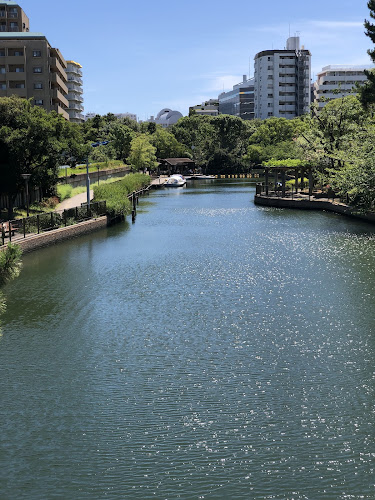
Yokojukken-gawa Shinsui Park

The National Museum of Emerging Science and Innovation Japan (Miraikan)
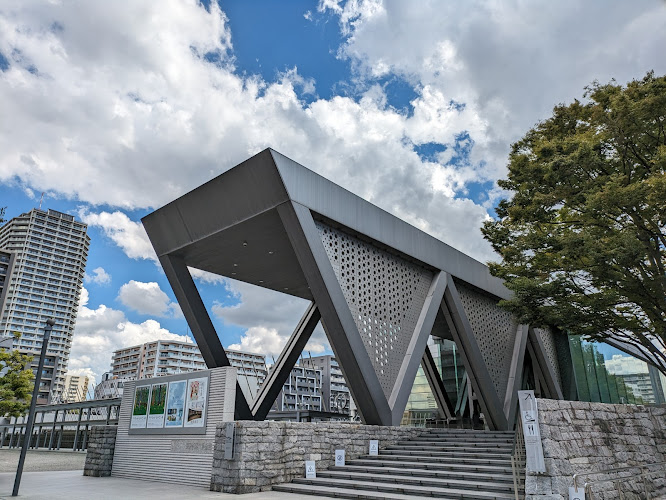
Museum of Contemporary Art Tokyo (MOT)
Find Accommodations Nearby
Recommended Tours & Activities
Visitor Reviews
There are no reviews yet. Be the first one to write one.
Share Your Experience
Have you visited Gas Science Museum? Help other travelers by leaving a review.