

Fukagawa Fudou-dō (Naritasan Tokyo branch temple)
About Fukagawa Fudou-dō (Naritasan Tokyo branch temple)
Description
Fukagawa Fudou-dō stands as one of Tokyo's most captivating Buddhist temples, offering visitors something genuinely different from the usual temple-hopping experience. This isn't your typical quiet contemplation spot – though there's plenty of that available too. What makes this place remarkable is its daily fire ritual ceremonies, known as goma, where monks perform ancient Buddhist rites accompanied by powerful sutra chanting and thunderous taiko drumming that you can feel reverberating through your chest. As a branch temple of the famous Narita-san Shinshō-ji Temple in Chiba Prefecture, Fukagawa Fudou-dō brings centuries-old traditions right into the heart of Tokyo's Koto Ward. The temple dedicated to Fudō Myōō, one of Buddhism's fierce protective deities, creates an atmosphere that's simultaneously intense and deeply peaceful. I've visited numerous temples across Japan, but there's something about watching flames dance while drums echo through the hall that creates an almost primal connection to spirituality that's hard to describe until you've experienced it yourself. The temple complex manages to feel both grand and intimate. Modern architectural elements blend with traditional Buddhist design in ways that shouldn't work but somehow do. The main hall features a contemporary aesthetic that some might find unconventional for a Buddhist temple, yet it serves its purpose beautifully by focusing attention on the ceremonies rather than ornate decorations. And honestly, when you're watching the fire rituals unfold, you'll understand why the minimalist approach works so effectively here.Key Features
Visitors to Fukagawa Fudou-dō will discover several distinctive elements that set this temple apart from others in Tokyo:- Daily Fire Rituals (Goma Ceremonies) – These mesmerizing ceremonies happen multiple times throughout the day, featuring Buddhist monks performing ancient purification rites using sacred fire while chanting sutras and beating massive taiko drums that create an unforgettable sensory experience
- Fudō Myōō Deity – The temple's principal deity represents one of Buddhism's wisdom kings, typically depicted surrounded by flames and holding a sword to cut through ignorance and delusion
- Modern Main Hall – The contemporary architectural design creates a unique worship space that focuses spiritual energy while accommodating large numbers of worshippers during popular ceremony times
- Underground Prayer Hall – A less-known feature where visitors can walk through a darkened passage lined with Buddhist images, creating a meditative journey that symbolizes spiritual enlightenment emerging from darkness
- Statue Gallery – The temple houses numerous Buddhist statues and artifacts, including representations of various protective deities and bodhisattvas that visitors can view and offer prayers to
- Traditional Prayer Offerings – Visitors can purchase wooden prayer tablets (ema) and have them blessed during the fire ceremonies, with the smoke believed to carry prayers directly to the spiritual realm
- Connection to Narita-san – As an official branch of one of Japan's most important Buddhist temples, Fukagawa Fudou-dō maintains authentic religious practices that have been preserved for generations
- Complete Accessibility – The temple provides wheelchair-accessible entrances, parking, and restroom facilities, making these profound spiritual experiences available to all visitors regardless of mobility
Best Time to Visit
Timing your visit to Fukagawa Fudou-dō can significantly impact your experience, and I'll be straight with you – this isn't a temple where any random time works equally well. The goma fire ceremonies are the main attraction here, and they're scheduled throughout the day at specific times. Most ceremonies occur in the morning and early afternoon on weekdays, with additional sessions on weekends and holidays. Arriving about 20-30 minutes before a scheduled ceremony gives you time to find a good viewing spot and soak in the atmosphere as the hall fills with worshippers. The energy shifts noticeably as ceremony time approaches. Weekday mornings, particularly Tuesday through Thursday, offer the most peaceful experience with fewer crowds. You'll have better views of the ceremonies and more space to explore the temple grounds without navigating through tour groups. But weekends bring their own energy – more visitors means more collective spiritual focus during the rituals, which creates a different kind of powerful atmosphere. The temple celebrates several annual festivals, with the New Year period (January 1-3) being particularly significant but also extremely crowded. If you're someone who enjoys festival energy and doesn't mind large crowds, this timing offers incredible cultural immersion. However, if you prefer quiet contemplation, avoid the first week of January entirely. Weather-wise, spring and autumn provide the most comfortable visiting conditions. Tokyo's humidity in July and August can make the indoor ceremonies feel stifling when combined with the heat from the ritual fires. Winter visits have their charm though – there's something particularly moving about watching those flames dance while cold air seeps in from outside. Early evening visits just before closing time offer a different perspective. The temple takes on a more contemplative mood as the day winds down, though you might miss the final ceremony depending on the day of the week.How to Get There
Getting to Fukagawa Fudou-dō is refreshingly straightforward compared to some of Tokyo's more remote temple locations. The temple sits in Koto Ward, an area that's well-connected but doesn't see quite as many international tourists as Asakusa or Shibuya. The most convenient access point is Monzen-nakacho Station, which serves both the Tokyo Metro Tozai Line and the Toei Oedo Line. From the station, the temple is literally a 2-minute walk – you can practically see it from the exit. This makes it one of the most accessible major temples in Tokyo, especially if you're staying anywhere along these subway lines. Take Exit 1 or Exit 2 from Monzen-nakacho Station, and you'll emerge in an area with clear signage pointing toward both Fukagawa Fudou-dō and the nearby Tomioka Hachimangu Shrine. The walk takes you through a pleasant neighborhood that gives you a glimpse of everyday Tokyo life outside the typical tourist zones. If you're coming from major Tokyo stations, the connections work like this: From Tokyo Station, take the Tozai Line directly to Monzen-nakacho (about 10 minutes). From Shinjuku, take the Oedo Line (roughly 20 minutes). The Oedo Line also connects from Roppongi in about 15 minutes, making this temple an easy addition to a day exploring different parts of the city. For those driving, the temple maintains on-site parking facilities, which is somewhat unusual for Tokyo temples and greatly appreciated. However, parking fills quickly during festivals and weekends. The surrounding neighborhood has several paid parking lots as backup options, though they're generally more expensive than the temple's own facilities. Visitors coming from Narita Airport might find symbolic meaning in visiting the Tokyo branch temple – you can take the Narita Express to Tokyo Station, then transfer to the Tozai Line. The journey takes about 90 minutes total and creates a nice spiritual bookend if you're planning to visit the main Narita-san temple during your trip as well.Tips for Visiting
Having spent considerable time at Fukagawa Fudou-dō and learned a few things through trial and error, I've gathered some practical advice that'll enhance your visit significantly. First and foremost, check the ceremony schedule before you go. The temple's goma rituals are the centerpiece experience, and arriving during off-hours means missing what makes this place truly special. The ceremonies last approximately 20-30 minutes, and while you can come and go during the ritual, the full experience requires being present from start to finish. Photography policies during ceremonies vary, so pay attention to posted signs and follow the lead of worshippers around you. Dress respectfully but comfortably. This is an active religious site where people come for serious spiritual purposes, not primarily a tourist attraction. Shoulders and knees should be covered, though the temple doesn't enforce strict dress codes. Shoes come off before entering certain areas, so wear socks you don't mind others seeing and footwear that's easy to remove and put back on. The underground prayer hall deserves more time than most visitors allocate. Don't rush through it. The darkened passage is intentionally designed to slow you down and create space for reflection. Let your eyes adjust and take the journey at a meditative pace rather than treating it like a quick walkthrough. Budget about 60-90 minutes for a complete visit including a full ceremony. Rushed visits miss the contemplative aspects that make this temple meaningful. And honestly, after experiencing the intensity of a fire ritual, you'll want some quiet time to process it. Restroom facilities are available and accessible, which is worth noting since some traditional temples lack modern amenities. Use them before the ceremony starts, as leaving mid-ritual feels disruptive both to your experience and others' worship. The temple gets considerably warmer during fire ceremonies, especially in positions closer to the altar. Layer your clothing so you can adjust, and bring a water bottle for after the ceremony. The combination of heat, smoke, and intense drumming can be overwhelming for some visitors – there's no shame in taking a break if needed. Consider combining your visit with nearby Tomioka Hachimangu Shrine, which sits just a few minutes' walk away. The contrast between Shinto and Buddhist practices in close proximity offers fascinating cultural insights. The surrounding Monzen-nakacho neighborhood also features traditional shops and restaurants worth exploring, particularly if you're interested in old Tokyo atmosphere. If you want to participate more fully, consider purchasing a prayer tablet or making an offering. Temple staff can guide you through the process, and having your prayers included in the fire ceremony creates a more personal connection to the experience. But don't feel obligated – simply observing with respect is completely appropriate for visitors of any faith or no faith. For photographers, the exterior and grounds are generally photo-friendly, but always ask before photographing inside worship halls or during ceremonies. The fire rituals create dramatic visual opportunities, but religious observance takes precedence over photography. Some of my most meaningful temple visits involved putting the camera away entirely and just being present. Finally, visit with an open mind and heart. Fukagawa Fudou-dō isn't like other Tokyo temples – it's rawer, louder, and more viscerally powerful than the serene Zen gardens or elegant architecture found elsewhere. The experience might feel intense or even slightly uncomfortable at first, but that's part of what makes it transformative. Let yourself be surprised by what moves you here, because it probably won't be what you expected.Key Features
- Daily goma fire rituals with taiko drums (several times per day)
- Dedicated to Fudō Myōō, a powerful guardian deity
- Tokyo branch of Naritasan Shinshoji with Edo-period origins (early 1700s)
- Compact, approachable temple in historic Fukagawa/Tomioka district
- Close to Monzen-Nakachō station and other local traditional sites
More Details
Updated March 30, 2026
Table of Contents
- Description
- Key Features
- Best Time to Visit
- How to Get There
- Tips for Visiting
- Key Highlights
- Location
- Places to Stay Near Fukagawa Fudou-dō (Naritasan Tokyo branch temple)
- Find and Book a Tour
- Explore More Travel Guides
- Nearby Places You Might Like
- Traveler Reviews for Fukagawa Fudou-dō (Naritasan Tokyo branch temple)
- Share Your Experience
Description
Fukagawa Fudou-dō stands as one of Tokyo’s most captivating Buddhist temples, offering visitors something genuinely different from the usual temple-hopping experience. This isn’t your typical quiet contemplation spot – though there’s plenty of that available too. What makes this place remarkable is its daily fire ritual ceremonies, known as goma, where monks perform ancient Buddhist rites accompanied by powerful sutra chanting and thunderous taiko drumming that you can feel reverberating through your chest.
As a branch temple of the famous Narita-san Shinshō-ji Temple in Chiba Prefecture, Fukagawa Fudou-dō brings centuries-old traditions right into the heart of Tokyo’s Koto Ward. The temple dedicated to Fudō Myōō, one of Buddhism’s fierce protective deities, creates an atmosphere that’s simultaneously intense and deeply peaceful. I’ve visited numerous temples across Japan, but there’s something about watching flames dance while drums echo through the hall that creates an almost primal connection to spirituality that’s hard to describe until you’ve experienced it yourself.
The temple complex manages to feel both grand and intimate. Modern architectural elements blend with traditional Buddhist design in ways that shouldn’t work but somehow do. The main hall features a contemporary aesthetic that some might find unconventional for a Buddhist temple, yet it serves its purpose beautifully by focusing attention on the ceremonies rather than ornate decorations. And honestly, when you’re watching the fire rituals unfold, you’ll understand why the minimalist approach works so effectively here.
Key Features
Visitors to Fukagawa Fudou-dō will discover several distinctive elements that set this temple apart from others in Tokyo:
- Daily Fire Rituals (Goma Ceremonies) – These mesmerizing ceremonies happen multiple times throughout the day, featuring Buddhist monks performing ancient purification rites using sacred fire while chanting sutras and beating massive taiko drums that create an unforgettable sensory experience
- Fudō Myōō Deity – The temple’s principal deity represents one of Buddhism’s wisdom kings, typically depicted surrounded by flames and holding a sword to cut through ignorance and delusion
- Modern Main Hall – The contemporary architectural design creates a unique worship space that focuses spiritual energy while accommodating large numbers of worshippers during popular ceremony times
- Underground Prayer Hall – A less-known feature where visitors can walk through a darkened passage lined with Buddhist images, creating a meditative journey that symbolizes spiritual enlightenment emerging from darkness
- Statue Gallery – The temple houses numerous Buddhist statues and artifacts, including representations of various protective deities and bodhisattvas that visitors can view and offer prayers to
- Traditional Prayer Offerings – Visitors can purchase wooden prayer tablets (ema) and have them blessed during the fire ceremonies, with the smoke believed to carry prayers directly to the spiritual realm
- Connection to Narita-san – As an official branch of one of Japan’s most important Buddhist temples, Fukagawa Fudou-dō maintains authentic religious practices that have been preserved for generations
- Complete Accessibility – The temple provides wheelchair-accessible entrances, parking, and restroom facilities, making these profound spiritual experiences available to all visitors regardless of mobility
Best Time to Visit
Timing your visit to Fukagawa Fudou-dō can significantly impact your experience, and I’ll be straight with you – this isn’t a temple where any random time works equally well.
The goma fire ceremonies are the main attraction here, and they’re scheduled throughout the day at specific times. Most ceremonies occur in the morning and early afternoon on weekdays, with additional sessions on weekends and holidays. Arriving about 20-30 minutes before a scheduled ceremony gives you time to find a good viewing spot and soak in the atmosphere as the hall fills with worshippers. The energy shifts noticeably as ceremony time approaches.
Weekday mornings, particularly Tuesday through Thursday, offer the most peaceful experience with fewer crowds. You’ll have better views of the ceremonies and more space to explore the temple grounds without navigating through tour groups. But weekends bring their own energy – more visitors means more collective spiritual focus during the rituals, which creates a different kind of powerful atmosphere.
The temple celebrates several annual festivals, with the New Year period (January 1-3) being particularly significant but also extremely crowded. If you’re someone who enjoys festival energy and doesn’t mind large crowds, this timing offers incredible cultural immersion. However, if you prefer quiet contemplation, avoid the first week of January entirely.
Weather-wise, spring and autumn provide the most comfortable visiting conditions. Tokyo’s humidity in July and August can make the indoor ceremonies feel stifling when combined with the heat from the ritual fires. Winter visits have their charm though – there’s something particularly moving about watching those flames dance while cold air seeps in from outside.
Early evening visits just before closing time offer a different perspective. The temple takes on a more contemplative mood as the day winds down, though you might miss the final ceremony depending on the day of the week.
How to Get There
Getting to Fukagawa Fudou-dō is refreshingly straightforward compared to some of Tokyo’s more remote temple locations. The temple sits in Koto Ward, an area that’s well-connected but doesn’t see quite as many international tourists as Asakusa or Shibuya.
The most convenient access point is Monzen-nakacho Station, which serves both the Tokyo Metro Tozai Line and the Toei Oedo Line. From the station, the temple is literally a 2-minute walk – you can practically see it from the exit. This makes it one of the most accessible major temples in Tokyo, especially if you’re staying anywhere along these subway lines.
Take Exit 1 or Exit 2 from Monzen-nakacho Station, and you’ll emerge in an area with clear signage pointing toward both Fukagawa Fudou-dō and the nearby Tomioka Hachimangu Shrine. The walk takes you through a pleasant neighborhood that gives you a glimpse of everyday Tokyo life outside the typical tourist zones.
If you’re coming from major Tokyo stations, the connections work like this: From Tokyo Station, take the Tozai Line directly to Monzen-nakacho (about 10 minutes). From Shinjuku, take the Oedo Line (roughly 20 minutes). The Oedo Line also connects from Roppongi in about 15 minutes, making this temple an easy addition to a day exploring different parts of the city.
For those driving, the temple maintains on-site parking facilities, which is somewhat unusual for Tokyo temples and greatly appreciated. However, parking fills quickly during festivals and weekends. The surrounding neighborhood has several paid parking lots as backup options, though they’re generally more expensive than the temple’s own facilities.
Visitors coming from Narita Airport might find symbolic meaning in visiting the Tokyo branch temple – you can take the Narita Express to Tokyo Station, then transfer to the Tozai Line. The journey takes about 90 minutes total and creates a nice spiritual bookend if you’re planning to visit the main Narita-san temple during your trip as well.
Tips for Visiting
Having spent considerable time at Fukagawa Fudou-dō and learned a few things through trial and error, I’ve gathered some practical advice that’ll enhance your visit significantly.
First and foremost, check the ceremony schedule before you go. The temple’s goma rituals are the centerpiece experience, and arriving during off-hours means missing what makes this place truly special. The ceremonies last approximately 20-30 minutes, and while you can come and go during the ritual, the full experience requires being present from start to finish. Photography policies during ceremonies vary, so pay attention to posted signs and follow the lead of worshippers around you.
Dress respectfully but comfortably. This is an active religious site where people come for serious spiritual purposes, not primarily a tourist attraction. Shoulders and knees should be covered, though the temple doesn’t enforce strict dress codes. Shoes come off before entering certain areas, so wear socks you don’t mind others seeing and footwear that’s easy to remove and put back on.
The underground prayer hall deserves more time than most visitors allocate. Don’t rush through it. The darkened passage is intentionally designed to slow you down and create space for reflection. Let your eyes adjust and take the journey at a meditative pace rather than treating it like a quick walkthrough.
Budget about 60-90 minutes for a complete visit including a full ceremony. Rushed visits miss the contemplative aspects that make this temple meaningful. And honestly, after experiencing the intensity of a fire ritual, you’ll want some quiet time to process it.
Restroom facilities are available and accessible, which is worth noting since some traditional temples lack modern amenities. Use them before the ceremony starts, as leaving mid-ritual feels disruptive both to your experience and others’ worship.
The temple gets considerably warmer during fire ceremonies, especially in positions closer to the altar. Layer your clothing so you can adjust, and bring a water bottle for after the ceremony. The combination of heat, smoke, and intense drumming can be overwhelming for some visitors – there’s no shame in taking a break if needed.
Consider combining your visit with nearby Tomioka Hachimangu Shrine, which sits just a few minutes’ walk away. The contrast between Shinto and Buddhist practices in close proximity offers fascinating cultural insights. The surrounding Monzen-nakacho neighborhood also features traditional shops and restaurants worth exploring, particularly if you’re interested in old Tokyo atmosphere.
If you want to participate more fully, consider purchasing a prayer tablet or making an offering. Temple staff can guide you through the process, and having your prayers included in the fire ceremony creates a more personal connection to the experience. But don’t feel obligated – simply observing with respect is completely appropriate for visitors of any faith or no faith.
For photographers, the exterior and grounds are generally photo-friendly, but always ask before photographing inside worship halls or during ceremonies. The fire rituals create dramatic visual opportunities, but religious observance takes precedence over photography. Some of my most meaningful temple visits involved putting the camera away entirely and just being present.
Finally, visit with an open mind and heart. Fukagawa Fudou-dō isn’t like other Tokyo temples – it’s rawer, louder, and more viscerally powerful than the serene Zen gardens or elegant architecture found elsewhere. The experience might feel intense or even slightly uncomfortable at first, but that’s part of what makes it transformative. Let yourself be surprised by what moves you here, because it probably won’t be what you expected.
Key Highlights
- Daily goma fire rituals with taiko drums (several times per day)
- Dedicated to Fudō Myōō, a powerful guardian deity
- Tokyo branch of Naritasan Shinshoji with Edo-period origins (early 1700s)
- Compact, approachable temple in historic Fukagawa/Tomioka district
- Close to Monzen-Nakachō station and other local traditional sites
Location
Places to Stay Near Fukagawa Fudou-dō (Naritasan Tokyo branch temple)
Find and Book a Tour
Explore More Travel Guides
No reviews found! Be the first to review!
Fukagawa Fudou-dō (Naritasan Tokyo branch temple) is a prominent 仏教寺院 located in Koto City.
Visit us at: 1 Chome-17-13 Tomioka, Koto City, Tokyo 135-0047, Japon.
Traveler Reviews for Fukagawa Fudou-dō (Naritasan Tokyo branch temple)
There are no reviews yet. Be the first one to write one.
Have you visited Fukagawa Fudou-dō (Naritasan Tokyo branch temple)? Help other travelers by sharing your review.
Nearby Attractions
You Might Also Like

Japan Coast Guard Marine Information Museum

The National Museum of Emerging Science and Innovation Japan (Miraikan)
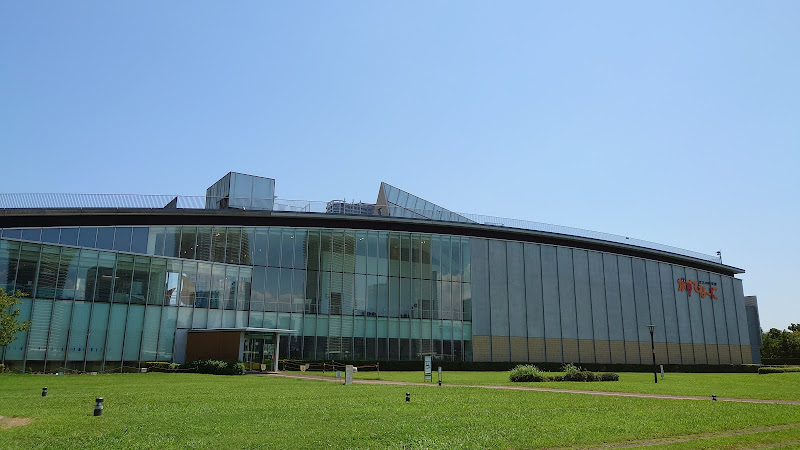
Gas Science Museum
Find Accommodations Nearby
Recommended Tours & Activities
Visitor Reviews
There are no reviews yet. Be the first one to write one.
Share Your Experience
Have you visited Fukagawa Fudou-dō (Naritasan Tokyo branch temple)? Help other travelers by leaving a review.