

Museum für Ur- und Frühgeschichte
About Museum für Ur- und Frühgeschichte
Description
The Museum für Ur- und Frühgeschichte in Hagen (located in the Werdringen area of Hagen, Germany) offers a thoughtful look at human prehistory and early history in the Ruhr region. It specializes in archaeological finds from the Stone Age through the early Middle Ages, with an emphasis on local discoveries that tell stories about how people lived, hunted, buried their dead and adapted to changing landscapes over thousands of years. The museum balances solid scholarship with accessible displays, so both the casual traveler and the curious amateur archaeologist can leave feeling a little smarter — and a little more connected to the long sweep of human life in this corner of Europe.
Exhibits range from carefully catalogued flint tools and weapon fragments to reconstructed burial contexts and explanatory dioramas. There is a particular strength in the museum’s presentation of the last Ice Age and the Mesolithic hunter-gatherer bands that followed. Visitors will notice a patient attention to context: artifacts are shown not as isolated curiosities but as pieces of social and environmental puzzles. Boards explain dating methods, provide maps of archaeological sites in the surrounding Sauerland and Ruhr basin, and trace how river systems and climate shifts shaped human settlement. It’s a steady, intelligent narrative — no flashy gimmicks, just thoughtful interpretation that rewards a visitor who wants to understand rather than merely glance.
Practical note: the museum has restrooms on site but does not house a restaurant, so planning ahead for food is wise. Even so, the on-site facilities are clean and the staff are known to be helpful and friendly. Families tend to rate the experience highly because of hands-on corners aimed at younger visitors and well-paced explanations suited to curious kids. The setting in Werdringen also allows the museum to pair well with an outdoor walk along nearby green spaces, meaning it can be half of a pleasant half-day outing in Hagen.
One memorable aspect for many visitors is how intimate the displays feel. This is not a cavernous national museum where artifacts get lost in space; instead the rooms encourage close inspection. Lighting and labels are generally designed to make the objects legible and meaningful rather than dramatic. For those who adore quiet investigation (and who doesn’t enjoy peering at an ancient arrowhead and wondering who held it?) the museum hits a sweet spot.
Key Features
- Strong focus on prehistoric to early medieval archaeology with many local finds
- Clear contextual explanations of artifacts and sites in the Ruhr and Sauerland regions
- Interactive elements and kid-friendly displays that make prehistory approachable
- Accessible facilities, including restrooms; no on-site restaurant, so bring snacks or plan a nearby stop
- Compact galleries that allow a relaxed, in-depth visit without museum fatigue
- Occasional special exhibitions and educational programs for families and schools
- Helpful staff and multilingual labels (often in German and English) — useful for international travelers
Best Time to Visit
Spring through early autumn tends to be the sweet spot for visiting the Museum für Ur- und Frühgeschichte in Hagen. From April to October, the weather in the region is pleasant enough to combine an indoor museum visit with a stroll in the Werdringen parklands or along the Ruhr River. Weekdays outside school holiday periods are the quietest times; weekends can be busier, especially when school groups or guided tours are scheduled. Winters are quieter still — and while the indoor exhibits are perfectly fine year-round, some visitors prefer the milder months so they can pair the museum trip with outdoor exploration.
For families, it’s smart to check the museum’s calendar in advance. Special hands-on days, workshops or educational events are often timed during school holidays and can transform a routine visit into a mini-adventure for kids. If a traveler prefers a low-key visit, aim for weekday mornings shortly after opening. That is where the best chance for a relaxed look at displays, with time to read labels and photograph without rush, lies.
How to Get There
The Museum für Ur- und Frühgeschichte sits in the Werdringen district of Hagen, which is easily reachable from the city center and surrounding towns. Visitors traveling by public transport can rely on regional trains and local buses that connect Hagen Hauptbahnhof (main station) with Werdringen; from the station it’s usually a short bus ride or a longer walk depending on the specific stop. Those who prefer walking will find the route pleasant, passing through residential streets and small green pockets — a nice urban-to-suburban transition.
By car, the museum is straightforward to reach from the A45 and A46 motorways that serve the greater Ruhr area, though parking availability varies; street parking and small public lots are common nearby. GPS navigation keyed to the museum name will get drivers close without fuss. Cyclists will appreciate the ride; the Ruhr region has decent bike routes and paths, and the museum makes for a fine stop on a longer cycling day.
Occasionally international travelers wonder whether the museum is worth a detour from larger German destinations. The answer depends on tastes: if someone is interested in prehistory, archaeology, or regional heritage, it makes a satisfying side-trip (and it pairs well with other smaller cultural sites in the Hagen area). If time is tight and museums are not a priority, then it’s fine to admire the idea of the place and save it for a return visit. Either way, logistics are straightforward: trains, buses, and cars all get visitors there without mystery.
Tips for Visiting
Plan for about 60 to 90 minutes to see the main exhibits at a comfortable pace. That gives a visitor enough time to read explanatory panels, linger over interesting objects, and visit any small special exhibitions. People who like to dive deep into labels can easily spend longer — which is fine, because the museum’s scale encourages focused exploration rather than racing past showcases.
Bring snacks or a packed lunch if visiting during midday; with no restaurant on site, nearby cafes or park benches are the alternative. A quick personal aside: one visitor remembers sitting on a bench outside after an hour inside, nibbling a sandwich while sketching the silhouette of an old mill (the sort of small, slow travel pleasure that pairs well after a museum visit). Small pleasures like that make a day out feel curated and intentional.
Families should look for child-friendly stations. The museum explicitly caters to kids and often sets up tangible activities that illustrate how ancient tools were made or how archaeologists excavate. It’s not just busywork; these activities help children understand the science behind the displays. Parents might want to bring a small change of clothes for very young children in case the hands-on bits get messy (it happens, trust it).
Photography is usually allowed for personal use, but flash or tripod usage might be restricted. Visitors who enjoy taking photos should keep camera settings ready for indoor lighting — and again, be mindful of other people who are reading labels or following guided tours. If someone loves a quiet museum experience, choosing off-peak hours (weekday mornings) makes all the difference.
Guided tours or short talks, when available, add extra value. The museum staff or local guides sometimes offer small group tours that explain the regional significance of particular finds and point out details that casual viewers might miss. For travelers who enjoy context and stories, a short guided tour can turn a good visit into a great one.
For language considerations: many labels are in German, but key panels and guides are often available in English. International visitors typically report that the museum is accessible even without fluent German, though a phrasebook app or a bilingual companion never hurts. Also, comfortable shoes are recommended because even in smaller museums, one tends to stand more than one expects.
Finally, combine the visit with the surrounding area. Werdringen and the wider Hagen zone offer green walks, local bakeries, and small museums — so think of this museum as part of a larger half-day or full-day plan. It’s calming, educational, and pleasantly human in scale. If someone has a soft spot for old things and the stories they tell, the Museum für Ur- und Frühgeschichte will likely be a highlight of a low-key cultural route through the Ruhr region.
Key Features
- Strong focus on prehistoric to early medieval archaeology with many local finds
- Clear contextual explanations of artifacts and sites in the Ruhr and Sauerland regions
- Interactive elements and kid-friendly displays that make prehistory approachable
- Accessible facilities, including restrooms; no on-site restaurant, so bring snacks or plan a nearby stop
- Compact galleries that allow a relaxed, in-depth visit without museum fatigue
- Occasional special exhibitions and educational programs for families and schools
- Helpful staff and multilingual labels (often in German and English) — useful for international travelers
More Details
Updated August 30, 2025
Table of Contents
Description
The Museum für Ur- und Frühgeschichte in Hagen (located in the Werdringen area of Hagen, Germany) offers a thoughtful look at human prehistory and early history in the Ruhr region. It specializes in archaeological finds from the Stone Age through the early Middle Ages, with an emphasis on local discoveries that tell stories about how people lived, hunted, buried their dead and adapted to changing landscapes over thousands of years. The museum balances solid scholarship with accessible displays, so both the casual traveler and the curious amateur archaeologist can leave feeling a little smarter — and a little more connected to the long sweep of human life in this corner of Europe.
Exhibits range from carefully catalogued flint tools and weapon fragments to reconstructed burial contexts and explanatory dioramas. There is a particular strength in the museum’s presentation of the last Ice Age and the Mesolithic hunter-gatherer bands that followed. Visitors will notice a patient attention to context: artifacts are shown not as isolated curiosities but as pieces of social and environmental puzzles. Boards explain dating methods, provide maps of archaeological sites in the surrounding Sauerland and Ruhr basin, and trace how river systems and climate shifts shaped human settlement. It’s a steady, intelligent narrative — no flashy gimmicks, just thoughtful interpretation that rewards a visitor who wants to understand rather than merely glance.
Practical note: the museum has restrooms on site but does not house a restaurant, so planning ahead for food is wise. Even so, the on-site facilities are clean and the staff are known to be helpful and friendly. Families tend to rate the experience highly because of hands-on corners aimed at younger visitors and well-paced explanations suited to curious kids. The setting in Werdringen also allows the museum to pair well with an outdoor walk along nearby green spaces, meaning it can be half of a pleasant half-day outing in Hagen.
One memorable aspect for many visitors is how intimate the displays feel. This is not a cavernous national museum where artifacts get lost in space; instead the rooms encourage close inspection. Lighting and labels are generally designed to make the objects legible and meaningful rather than dramatic. For those who adore quiet investigation (and who doesn’t enjoy peering at an ancient arrowhead and wondering who held it?) the museum hits a sweet spot.
Key Features
- Strong focus on prehistoric to early medieval archaeology with many local finds
- Clear contextual explanations of artifacts and sites in the Ruhr and Sauerland regions
- Interactive elements and kid-friendly displays that make prehistory approachable
- Accessible facilities, including restrooms; no on-site restaurant, so bring snacks or plan a nearby stop
- Compact galleries that allow a relaxed, in-depth visit without museum fatigue
- Occasional special exhibitions and educational programs for families and schools
- Helpful staff and multilingual labels (often in German and English) — useful for international travelers
Best Time to Visit
Spring through early autumn tends to be the sweet spot for visiting the Museum für Ur- und Frühgeschichte in Hagen. From April to October, the weather in the region is pleasant enough to combine an indoor museum visit with a stroll in the Werdringen parklands or along the Ruhr River. Weekdays outside school holiday periods are the quietest times; weekends can be busier, especially when school groups or guided tours are scheduled. Winters are quieter still — and while the indoor exhibits are perfectly fine year-round, some visitors prefer the milder months so they can pair the museum trip with outdoor exploration.
For families, it’s smart to check the museum’s calendar in advance. Special hands-on days, workshops or educational events are often timed during school holidays and can transform a routine visit into a mini-adventure for kids. If a traveler prefers a low-key visit, aim for weekday mornings shortly after opening. That is where the best chance for a relaxed look at displays, with time to read labels and photograph without rush, lies.
How to Get There
The Museum für Ur- und Frühgeschichte sits in the Werdringen district of Hagen, which is easily reachable from the city center and surrounding towns. Visitors traveling by public transport can rely on regional trains and local buses that connect Hagen Hauptbahnhof (main station) with Werdringen; from the station it’s usually a short bus ride or a longer walk depending on the specific stop. Those who prefer walking will find the route pleasant, passing through residential streets and small green pockets — a nice urban-to-suburban transition.
By car, the museum is straightforward to reach from the A45 and A46 motorways that serve the greater Ruhr area, though parking availability varies; street parking and small public lots are common nearby. GPS navigation keyed to the museum name will get drivers close without fuss. Cyclists will appreciate the ride; the Ruhr region has decent bike routes and paths, and the museum makes for a fine stop on a longer cycling day.
Occasionally international travelers wonder whether the museum is worth a detour from larger German destinations. The answer depends on tastes: if someone is interested in prehistory, archaeology, or regional heritage, it makes a satisfying side-trip (and it pairs well with other smaller cultural sites in the Hagen area). If time is tight and museums are not a priority, then it’s fine to admire the idea of the place and save it for a return visit. Either way, logistics are straightforward: trains, buses, and cars all get visitors there without mystery.
Tips for Visiting
Plan for about 60 to 90 minutes to see the main exhibits at a comfortable pace. That gives a visitor enough time to read explanatory panels, linger over interesting objects, and visit any small special exhibitions. People who like to dive deep into labels can easily spend longer — which is fine, because the museum’s scale encourages focused exploration rather than racing past showcases.
Bring snacks or a packed lunch if visiting during midday; with no restaurant on site, nearby cafes or park benches are the alternative. A quick personal aside: one visitor remembers sitting on a bench outside after an hour inside, nibbling a sandwich while sketching the silhouette of an old mill (the sort of small, slow travel pleasure that pairs well after a museum visit). Small pleasures like that make a day out feel curated and intentional.
Families should look for child-friendly stations. The museum explicitly caters to kids and often sets up tangible activities that illustrate how ancient tools were made or how archaeologists excavate. It’s not just busywork; these activities help children understand the science behind the displays. Parents might want to bring a small change of clothes for very young children in case the hands-on bits get messy (it happens, trust it).
Photography is usually allowed for personal use, but flash or tripod usage might be restricted. Visitors who enjoy taking photos should keep camera settings ready for indoor lighting — and again, be mindful of other people who are reading labels or following guided tours. If someone loves a quiet museum experience, choosing off-peak hours (weekday mornings) makes all the difference.
Guided tours or short talks, when available, add extra value. The museum staff or local guides sometimes offer small group tours that explain the regional significance of particular finds and point out details that casual viewers might miss. For travelers who enjoy context and stories, a short guided tour can turn a good visit into a great one.
For language considerations: many labels are in German, but key panels and guides are often available in English. International visitors typically report that the museum is accessible even without fluent German, though a phrasebook app or a bilingual companion never hurts. Also, comfortable shoes are recommended because even in smaller museums, one tends to stand more than one expects.
Finally, combine the visit with the surrounding area. Werdringen and the wider Hagen zone offer green walks, local bakeries, and small museums — so think of this museum as part of a larger half-day or full-day plan. It’s calming, educational, and pleasantly human in scale. If someone has a soft spot for old things and the stories they tell, the Museum für Ur- und Frühgeschichte will likely be a highlight of a low-key cultural route through the Ruhr region.
Key Highlights
- Strong focus on prehistoric to early medieval archaeology with many local finds
- Clear contextual explanations of artifacts and sites in the Ruhr and Sauerland regions
- Interactive elements and kid-friendly displays that make prehistory approachable
- Accessible facilities, including restrooms; no on-site restaurant, so bring snacks or plan a nearby stop
- Compact galleries that allow a relaxed, in-depth visit without museum fatigue
- Occasional special exhibitions and educational programs for families and schools
- Helpful staff and multilingual labels (often in German and English) — useful for international travelers
Location
Places to Stay Near Museum für Ur- und Frühgeschichte
Find and Book a Tour
Explore More Travel Guides
No reviews found! Be the first to review!
Traveler Reviews for Museum für Ur- und Frühgeschichte
There are no reviews yet. Be the first one to write one.
Have you visited Museum für Ur- und Frühgeschichte? Help other travelers by sharing your review.
You Might Also Like

Osthaus-Museum Hagen
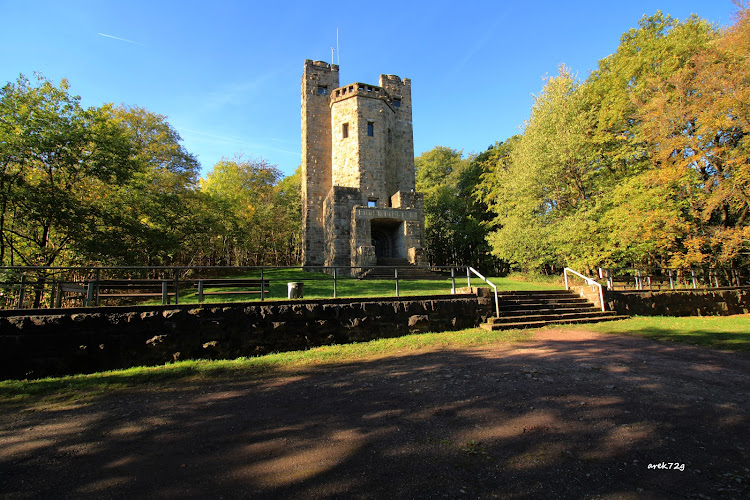
Eugen-Richter-Turm
Adventure Lift Burg Altena
Find Accommodations Nearby
Recommended Tours & Activities
Visitor Reviews
There are no reviews yet. Be the first one to write one.
Share Your Experience
Have you visited Museum für Ur- und Frühgeschichte? Help other travelers by leaving a review.