
Museum Association Josef Albers Museum Quadrat e.V.
About Museum Association Josef Albers Museum Quadrat e.V.
Description
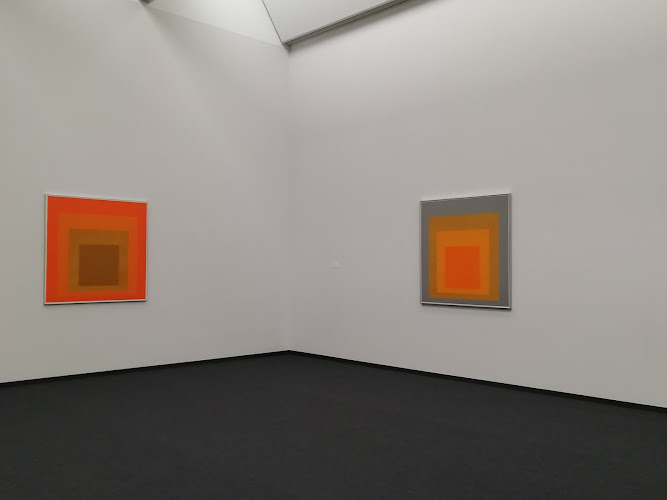
The Museum Association Josef Albers Museum Quadrat e.V. is one of those places that quietly surprises you. At first glance, it may seem like just another regional museum, but once inside, the experience is far richer than most expect. Dedicated to the work of Josef Albers, a pioneer of modern art and color theory, the museum not only celebrates his legacy but also creates an environment where contemporary art, history, and nature come together in a surprisingly harmonious way. Visitors often find themselves lingering longer than planned, caught up in the interplay of art and architecture.
The museum is well-regarded for its thoughtful curation. Exhibitions are laid out in a way that feels both accessible to newcomers and rewarding for those who already know a bit about Albers’ art. The building itself, with its clean lines and modernist influence, reflects the kind of clarity and order that Albers himself valued. And yet, it doesn’t feel sterile or cold. Instead, the atmosphere is calm, almost meditative, which makes it a refreshing stop for travelers who might be weary of crowded tourist sites.
Of course, not every visitor walks away equally impressed. Some find the focus on abstract art a little too niche or minimalist for their tastes. Others note that the museum leans heavily on Albers’ work, which can be challenging if you’re not already inclined toward modernist art. But for those who enjoy exploring how color, form, and perception come together, the museum delivers an experience that’s both intellectually stimulating and visually striking. Families with kids also tend to appreciate it more than expected, since the bold shapes and colors can actually be quite engaging for younger visitors.
Another strength of the museum is its accessibility. The entrance, parking, and restrooms are all wheelchair-friendly, which makes it a welcoming space for travelers of varying needs. The surrounding parkland adds to the appeal, as visitors can easily step outside for a walk in nature after spending time indoors. It’s not a flashy or overwhelming attraction, but that’s part of its charm. Instead of rushing you through, it invites you to slow down, look closely, and maybe even see the world in a slightly different way.
Key Features
- Extensive collection dedicated to Josef Albers, a leading figure in modern art and color theory
- Regularly changing exhibitions featuring contemporary artists alongside Albers’ works
- Architecturally striking building with clean, modern design
- Wheelchair accessible entrance, restrooms, and parking lot
- Free on-site parking, making it convenient for travelers with cars
- Family-friendly environment, with bold artworks often appealing to children
- Peaceful parkland surrounding the museum, perfect for a stroll before or after a visit
- Restrooms available on-site, though no restaurant within the museum itself
Best Time to Visit
The museum can be enjoyed year-round, but the best time to visit really depends on what kind of experience you’re after. Spring and early autumn are particularly lovely because the surrounding park is at its most colorful, and combining art with a walk outdoors feels like a complete experience. Summer tends to be busier, as travelers often weave the museum into broader itineraries, but it’s rarely overcrowded in a way that makes the visit unpleasant. Winter has its own charm too—it’s quieter, more contemplative, and the crisp air outside contrasts beautifully with the serene atmosphere inside.
If you’re someone who likes to avoid the busiest times, weekdays are generally calmer than weekends. And if you’re hoping to catch one of the temporary exhibitions, it’s worth checking the museum’s schedule in advance. Personally, I’d recommend going in the morning. There’s something about stepping into the galleries when they’re still quiet and letting the colors and shapes unfold slowly before the day really gets going.
How to Get There
Reaching the Museum Association Josef Albers Museum Quadrat e.V. is fairly straightforward, whether you’re traveling by car or public transport. For those driving, the free parking lot is a real bonus. It takes away the stress of circling around for a spot, which is something I always appreciate when I’m exploring a new city. The museum is well signposted, so you won’t have to worry too much about missing it.
Public transportation is also a solid option. Local buses and trains connect to the area, making it accessible for visitors who don’t want to drive. Depending on where you’re coming from, you may need to transfer once or twice, but the routes are generally reliable. I’ve taken public transport here before, and while it wasn’t the fastest journey, it gave me the chance to see a bit of the surrounding neighborhoods along the way.
Cyclists will find the area welcoming too, with paths leading toward the museum and plenty of space to lock up a bike. If you’re the type who enjoys combining cultural visits with a bit of exercise, biking to the museum can be a rewarding option.
Tips for Visiting
One of the best tips I can give is to allow yourself more time than you think you’ll need. At first, you might assume an hour is enough, but the museum has a way of drawing you in. Whether it’s the shifting colors in Albers’ famous series or the unexpected depth of a temporary exhibition, you’ll likely want to linger.
Since there’s no restaurant on-site, consider grabbing a snack beforehand or planning a meal afterward at a nearby café or restaurant. Having a little food in your bag isn’t a bad idea either, especially if you’re visiting with kids. Speaking of kids, don’t hesitate to bring them along. While some museums can feel overwhelming or unwelcoming to families, this one has a surprisingly relaxed atmosphere. The bold shapes and colors often spark curiosity in children, and the open layout makes it easier for them to explore.
Photography rules can vary depending on the exhibition, so it’s always worth checking before you start snapping photos. I’ve found that even when photography is restricted, just taking the time to really look—without the distraction of a camera—can be rewarding in its own right.
If accessibility is important to you, rest assured that the museum is well equipped. Wheelchair-friendly entrances, restrooms, and parking are all available, and the staff are generally helpful if you need assistance. I’ve seen visitors with mobility challenges navigate the space comfortably, which isn’t always the case in older museums.
Lastly, don’t rush through the outdoor areas. The park surrounding the museum is part of the overall experience. Take a moment to sit on a bench, watch the light filter through the trees, and let the artworks you’ve just seen settle in your mind. It’s a small detail, but it really adds to the memory of the visit.
Key Features
- Extensive collection dedicated to Josef Albers, a leading figure in modern art and color theory
- Regularly changing exhibitions featuring contemporary artists alongside Albers’ works
- Architecturally striking building with clean, modern design
- Wheelchair accessible entrance, restrooms, and parking lot
- Free on-site parking, making it convenient for travelers with cars
- Family-friendly environment, with bold artworks often appealing to children
- Peaceful parkland surrounding the museum, perfect for a stroll before or after a visit
- Restrooms available on-site, though no restaurant within the museum itself
More Details
Updated September 10, 2025
Table of Contents
- Description
- Key Features
- Best Time to Visit
- How to Get There
- Tips for Visiting
- Key Highlights
- Location
- Places to Stay Near Museum Association Josef Albers Museum Quadrat e.V.
- Find and Book a Tour
- Explore More Travel Guides
- Nearby Places You Might Like
- Traveler Reviews for Museum Association Josef Albers Museum Quadrat e.V.
- Share Your Experience
Description
The Museum Association Josef Albers Museum Quadrat e.V. is one of those places that quietly surprises you. At first glance, it may seem like just another regional museum, but once inside, the experience is far richer than most expect. Dedicated to the work of Josef Albers, a pioneer of modern art and color theory, the museum not only celebrates his legacy but also creates an environment where contemporary art, history, and nature come together in a surprisingly harmonious way. Visitors often find themselves lingering longer than planned, caught up in the interplay of art and architecture.
The museum is well-regarded for its thoughtful curation. Exhibitions are laid out in a way that feels both accessible to newcomers and rewarding for those who already know a bit about Albers’ art. The building itself, with its clean lines and modernist influence, reflects the kind of clarity and order that Albers himself valued. And yet, it doesn’t feel sterile or cold. Instead, the atmosphere is calm, almost meditative, which makes it a refreshing stop for travelers who might be weary of crowded tourist sites.
Of course, not every visitor walks away equally impressed. Some find the focus on abstract art a little too niche or minimalist for their tastes. Others note that the museum leans heavily on Albers’ work, which can be challenging if you’re not already inclined toward modernist art. But for those who enjoy exploring how color, form, and perception come together, the museum delivers an experience that’s both intellectually stimulating and visually striking. Families with kids also tend to appreciate it more than expected, since the bold shapes and colors can actually be quite engaging for younger visitors.
Another strength of the museum is its accessibility. The entrance, parking, and restrooms are all wheelchair-friendly, which makes it a welcoming space for travelers of varying needs. The surrounding parkland adds to the appeal, as visitors can easily step outside for a walk in nature after spending time indoors. It’s not a flashy or overwhelming attraction, but that’s part of its charm. Instead of rushing you through, it invites you to slow down, look closely, and maybe even see the world in a slightly different way.
Key Features
- Extensive collection dedicated to Josef Albers, a leading figure in modern art and color theory
- Regularly changing exhibitions featuring contemporary artists alongside Albers’ works
- Architecturally striking building with clean, modern design
- Wheelchair accessible entrance, restrooms, and parking lot
- Free on-site parking, making it convenient for travelers with cars
- Family-friendly environment, with bold artworks often appealing to children
- Peaceful parkland surrounding the museum, perfect for a stroll before or after a visit
- Restrooms available on-site, though no restaurant within the museum itself
Best Time to Visit
The museum can be enjoyed year-round, but the best time to visit really depends on what kind of experience you’re after. Spring and early autumn are particularly lovely because the surrounding park is at its most colorful, and combining art with a walk outdoors feels like a complete experience. Summer tends to be busier, as travelers often weave the museum into broader itineraries, but it’s rarely overcrowded in a way that makes the visit unpleasant. Winter has its own charm too—it’s quieter, more contemplative, and the crisp air outside contrasts beautifully with the serene atmosphere inside.
If you’re someone who likes to avoid the busiest times, weekdays are generally calmer than weekends. And if you’re hoping to catch one of the temporary exhibitions, it’s worth checking the museum’s schedule in advance. Personally, I’d recommend going in the morning. There’s something about stepping into the galleries when they’re still quiet and letting the colors and shapes unfold slowly before the day really gets going.
How to Get There
Reaching the Museum Association Josef Albers Museum Quadrat e.V. is fairly straightforward, whether you’re traveling by car or public transport. For those driving, the free parking lot is a real bonus. It takes away the stress of circling around for a spot, which is something I always appreciate when I’m exploring a new city. The museum is well signposted, so you won’t have to worry too much about missing it.
Public transportation is also a solid option. Local buses and trains connect to the area, making it accessible for visitors who don’t want to drive. Depending on where you’re coming from, you may need to transfer once or twice, but the routes are generally reliable. I’ve taken public transport here before, and while it wasn’t the fastest journey, it gave me the chance to see a bit of the surrounding neighborhoods along the way.
Cyclists will find the area welcoming too, with paths leading toward the museum and plenty of space to lock up a bike. If you’re the type who enjoys combining cultural visits with a bit of exercise, biking to the museum can be a rewarding option.
Tips for Visiting
One of the best tips I can give is to allow yourself more time than you think you’ll need. At first, you might assume an hour is enough, but the museum has a way of drawing you in. Whether it’s the shifting colors in Albers’ famous series or the unexpected depth of a temporary exhibition, you’ll likely want to linger.
Since there’s no restaurant on-site, consider grabbing a snack beforehand or planning a meal afterward at a nearby café or restaurant. Having a little food in your bag isn’t a bad idea either, especially if you’re visiting with kids. Speaking of kids, don’t hesitate to bring them along. While some museums can feel overwhelming or unwelcoming to families, this one has a surprisingly relaxed atmosphere. The bold shapes and colors often spark curiosity in children, and the open layout makes it easier for them to explore.
Photography rules can vary depending on the exhibition, so it’s always worth checking before you start snapping photos. I’ve found that even when photography is restricted, just taking the time to really look—without the distraction of a camera—can be rewarding in its own right.
If accessibility is important to you, rest assured that the museum is well equipped. Wheelchair-friendly entrances, restrooms, and parking are all available, and the staff are generally helpful if you need assistance. I’ve seen visitors with mobility challenges navigate the space comfortably, which isn’t always the case in older museums.
Lastly, don’t rush through the outdoor areas. The park surrounding the museum is part of the overall experience. Take a moment to sit on a bench, watch the light filter through the trees, and let the artworks you’ve just seen settle in your mind. It’s a small detail, but it really adds to the memory of the visit.
Key Highlights
- Extensive collection dedicated to Josef Albers, a leading figure in modern art and color theory
- Regularly changing exhibitions featuring contemporary artists alongside Albers’ works
- Architecturally striking building with clean, modern design
- Wheelchair accessible entrance, restrooms, and parking lot
- Free on-site parking, making it convenient for travelers with cars
- Family-friendly environment, with bold artworks often appealing to children
- Peaceful parkland surrounding the museum, perfect for a stroll before or after a visit
- Restrooms available on-site, though no restaurant within the museum itself
Location
Places to Stay Near Museum Association Josef Albers Museum Quadrat e.V.
Find and Book a Tour
Explore More Travel Guides
No reviews found! Be the first to review!
Traveler Reviews for Museum Association Josef Albers Museum Quadrat e.V.
There are no reviews yet. Be the first one to write one.
Have you visited Museum Association Josef Albers Museum Quadrat e.V.? Help other travelers by sharing your review.
You Might Also Like
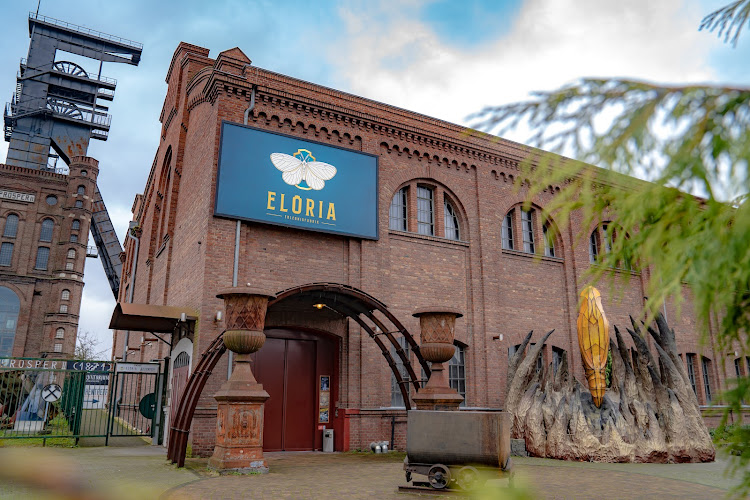
ELORIA – Erlebnisfabrik & Eventlocation
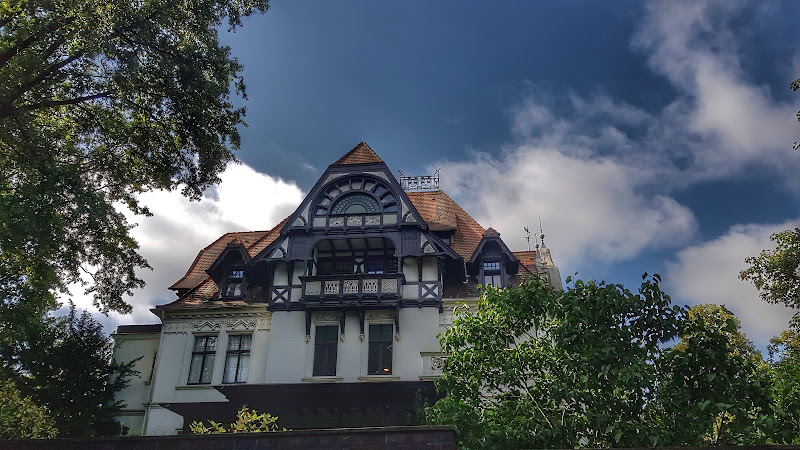
Villa Dickmann
Halde Haniel
Find Accommodations Nearby
Recommended Tours & Activities
Visitor Reviews
There are no reviews yet. Be the first one to write one.
Share Your Experience
Have you visited Museum Association Josef Albers Museum Quadrat e.V.? Help other travelers by leaving a review.