
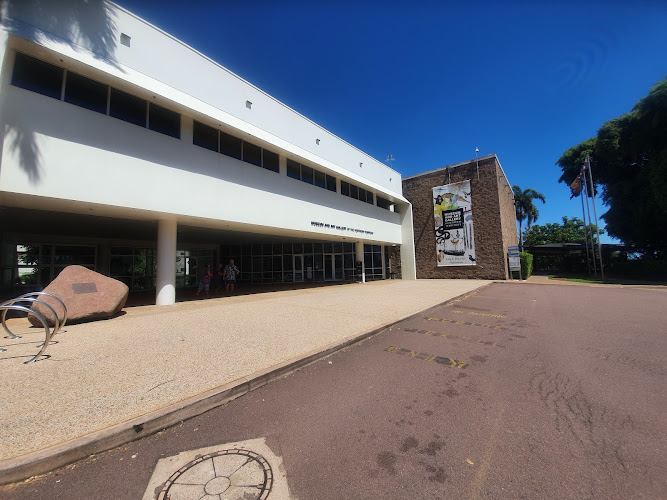
Museum and Art Gallery of the Northern Territory
About Museum and Art Gallery of the Northern Territory
Description
The Museum and Art Gallery of the Northern Territory, often simply called MAGNT, is one of those places in Darwin that manages to surprise even the most seasoned traveler. Sitting right on the edge of the waterfront at Bullocky Point, it combines a mix of art, history, science, and local culture in a way that feels both approachable and deeply fascinating. It’s not one of those stuffy museums where you shuffle around quietly and leave feeling like you’ve just read an encyclopedia. Instead, it’s the kind of place where you can wander from Aboriginal rock art to a giant crocodile exhibit, then suddenly find yourself face-to-face with maritime relics or fossils that tell the story of the land long before people walked on it.
What makes it stand out is how much it reflects the Northern Territory itself. The exhibits aren’t just pretty displays; they’re stories of resilience, creativity, and survival in a part of Australia that’s as wild as it is beautiful. You’ll find Indigenous art that feels alive with meaning, natural science collections that make you rethink the age of the earth, and even a section about Cyclone Tracy that hits hard emotionally—it’s raw, real, and unforgettable. While most visitors walk away impressed, a few might say it’s smaller than they expected or that certain areas could use a refresh. But honestly, that’s part of the charm—it’s not trying to be a flashy mega-museum, it’s trying to be authentic to the Territory, and it succeeds.
Families love it because it’s easy to navigate and there’s enough variety to keep kids entertained (dinosaurs and giant crocs rarely fail). Solo travelers and couples often linger in the art galleries, where the works of Aboriginal artists shine in their own right. And if you’re like me, you’ll probably end up spending way longer than planned here, because every corner seems to lead to another story worth hearing.
Key Features
- Extensive Indigenous and rock art collections that tell stories passed down for thousands of years
- Natural science exhibits featuring fossils, wildlife, and geological wonders of the Northern Territory
- The famous preserved crocodile known as “Sweetheart” that fascinates visitors of all ages
- A powerful Cyclone Tracy display that captures the devastation and resilience of Darwin’s people
- Maritime history galleries showcasing seafaring traditions and shipwreck relics
- Family-friendly amenities including changing tables, accessible restrooms, and free parking
- Wheelchair accessibility with ramps, parking, and even wheelchair rentals available onsite
- A café for a relaxed break with coffee, snacks, or a light meal overlooking the water
- Free Wi-Fi for those who like to share their experiences in real time
Best Time to Visit
Darwin has two distinct seasons: the dry and the wet. Most travelers will find the dry season, from May to October, the most pleasant time to visit. The weather is warm without being oppressive, and it’s easier to combine a museum trip with outdoor activities around the city. That said, there’s something special about visiting during the wet season too. The storms rolling in over the harbor add drama to the view outside, and the museum itself becomes a cool, dry refuge from the humidity. Personally, I’ve gone in both seasons, and while the dry makes for easier logistics, the wet gave me a sense of the Territory’s raw power—which made the Cyclone Tracy exhibit hit even harder.
Weekdays are generally quieter, especially in the mornings. If you want to avoid crowds, aim for an early visit. Families often arrive later in the day, so early risers tend to get a calmer experience. On the flip side, if you enjoy a bit of buzz and don’t mind sharing the space, weekends can be lively and fun.
How to Get There
Reaching the Museum and Art Gallery of the Northern Territory is pretty straightforward. It’s located just a short drive from Darwin’s city center, making it easy to access by car, taxi, or rideshare. Parking is free, which is a rare treat in most cities, and the lot is large enough that you won’t spend half your day circling for a spot. If you prefer public transport, local buses run nearby, and it’s also a manageable bike ride if you’re staying within the city. I once cycled there on a breezy dry-season morning, and the coastal ride itself was almost as enjoyable as the museum visit.
For those staying in central Darwin, it’s about a 10-minute drive, so you can easily pair it with other attractions like Mindil Beach or the Botanic Gardens. And if you’re the kind of traveler who likes to walk, it’s possible, though be prepared for the heat—it’s Darwin, after all.
Tips for Visiting
First and foremost, give yourself enough time. A quick hour-long walk-through won’t do it justice. Plan for at least two to three hours, especially if you’re someone who likes to read the exhibit notes or linger in the art galleries. And don’t skip the Cyclone Tracy exhibit—it’s one of the most moving museum experiences you’ll find in Australia.
Bring a water bottle, as Darwin’s heat can sneak up on you, even indoors. The museum is air-conditioned, but you’ll still be thankful for a sip of water between galleries. If you’re traveling with kids, know that the museum is very family-friendly, with plenty of space for strollers and hands-on displays that keep younger visitors engaged. The giant croc “Sweetheart” is practically a rite of passage for Territory kids, and adults secretly love it too.
Accessibility is well thought out here. Wheelchair users will find ramps, restrooms, and even rentals available. And if you’re someone like me who always forgets to check Wi-Fi before posting photos, you’ll be glad to know free Wi-Fi is available throughout the building.
One last tip: don’t rush off after your visit. The café has a relaxed atmosphere and a view that’s worth savoring. Grab a coffee or a light snack and take a moment to reflect on what you’ve just seen. It’s the kind of place that leaves you thinking about the Territory long after you’ve left, and pausing to soak it in makes the experience feel complete.
Key Features
- Extensive Indigenous and rock art collections that tell stories passed down for thousands of years
- Natural science exhibits featuring fossils, wildlife, and geological wonders of the Northern Territory
- The famous preserved crocodile known as “Sweetheart” that fascinates visitors of all ages
- A powerful Cyclone Tracy display that captures the devastation and resilience of Darwin’s people
- Maritime history galleries showcasing seafaring traditions and shipwreck relics
- Family-friendly amenities including changing tables, accessible restrooms, and free parking
- Wheelchair accessibility with ramps, parking, and even wheelchair rentals available onsite
- A café for a relaxed break with coffee, snacks, or a light meal overlooking the water
More Details
Updated September 9, 2025
Table of Contents
- Description
- Key Features
- Best Time to Visit
- How to Get There
- Tips for Visiting
- Key Highlights
- Location
- Places to Stay Near Museum and Art Gallery of the Northern Territory
- Find and Book a Tour
- Explore More Travel Guides
- Nearby Places You Might Like
- Traveler Reviews for Museum and Art Gallery of the Northern Territory
- Share Your Experience
Description
The Museum and Art Gallery of the Northern Territory, often simply called MAGNT, is one of those places in Darwin that manages to surprise even the most seasoned traveler. Sitting right on the edge of the waterfront at Bullocky Point, it combines a mix of art, history, science, and local culture in a way that feels both approachable and deeply fascinating. It’s not one of those stuffy museums where you shuffle around quietly and leave feeling like you’ve just read an encyclopedia. Instead, it’s the kind of place where you can wander from Aboriginal rock art to a giant crocodile exhibit, then suddenly find yourself face-to-face with maritime relics or fossils that tell the story of the land long before people walked on it.
What makes it stand out is how much it reflects the Northern Territory itself. The exhibits aren’t just pretty displays; they’re stories of resilience, creativity, and survival in a part of Australia that’s as wild as it is beautiful. You’ll find Indigenous art that feels alive with meaning, natural science collections that make you rethink the age of the earth, and even a section about Cyclone Tracy that hits hard emotionally—it’s raw, real, and unforgettable. While most visitors walk away impressed, a few might say it’s smaller than they expected or that certain areas could use a refresh. But honestly, that’s part of the charm—it’s not trying to be a flashy mega-museum, it’s trying to be authentic to the Territory, and it succeeds.
Families love it because it’s easy to navigate and there’s enough variety to keep kids entertained (dinosaurs and giant crocs rarely fail). Solo travelers and couples often linger in the art galleries, where the works of Aboriginal artists shine in their own right. And if you’re like me, you’ll probably end up spending way longer than planned here, because every corner seems to lead to another story worth hearing.
Key Features
- Extensive Indigenous and rock art collections that tell stories passed down for thousands of years
- Natural science exhibits featuring fossils, wildlife, and geological wonders of the Northern Territory
- The famous preserved crocodile known as “Sweetheart” that fascinates visitors of all ages
- A powerful Cyclone Tracy display that captures the devastation and resilience of Darwin’s people
- Maritime history galleries showcasing seafaring traditions and shipwreck relics
- Family-friendly amenities including changing tables, accessible restrooms, and free parking
- Wheelchair accessibility with ramps, parking, and even wheelchair rentals available onsite
- A café for a relaxed break with coffee, snacks, or a light meal overlooking the water
- Free Wi-Fi for those who like to share their experiences in real time
Best Time to Visit
Darwin has two distinct seasons: the dry and the wet. Most travelers will find the dry season, from May to October, the most pleasant time to visit. The weather is warm without being oppressive, and it’s easier to combine a museum trip with outdoor activities around the city. That said, there’s something special about visiting during the wet season too. The storms rolling in over the harbor add drama to the view outside, and the museum itself becomes a cool, dry refuge from the humidity. Personally, I’ve gone in both seasons, and while the dry makes for easier logistics, the wet gave me a sense of the Territory’s raw power—which made the Cyclone Tracy exhibit hit even harder.
Weekdays are generally quieter, especially in the mornings. If you want to avoid crowds, aim for an early visit. Families often arrive later in the day, so early risers tend to get a calmer experience. On the flip side, if you enjoy a bit of buzz and don’t mind sharing the space, weekends can be lively and fun.
How to Get There
Reaching the Museum and Art Gallery of the Northern Territory is pretty straightforward. It’s located just a short drive from Darwin’s city center, making it easy to access by car, taxi, or rideshare. Parking is free, which is a rare treat in most cities, and the lot is large enough that you won’t spend half your day circling for a spot. If you prefer public transport, local buses run nearby, and it’s also a manageable bike ride if you’re staying within the city. I once cycled there on a breezy dry-season morning, and the coastal ride itself was almost as enjoyable as the museum visit.
For those staying in central Darwin, it’s about a 10-minute drive, so you can easily pair it with other attractions like Mindil Beach or the Botanic Gardens. And if you’re the kind of traveler who likes to walk, it’s possible, though be prepared for the heat—it’s Darwin, after all.
Tips for Visiting
First and foremost, give yourself enough time. A quick hour-long walk-through won’t do it justice. Plan for at least two to three hours, especially if you’re someone who likes to read the exhibit notes or linger in the art galleries. And don’t skip the Cyclone Tracy exhibit—it’s one of the most moving museum experiences you’ll find in Australia.
Bring a water bottle, as Darwin’s heat can sneak up on you, even indoors. The museum is air-conditioned, but you’ll still be thankful for a sip of water between galleries. If you’re traveling with kids, know that the museum is very family-friendly, with plenty of space for strollers and hands-on displays that keep younger visitors engaged. The giant croc “Sweetheart” is practically a rite of passage for Territory kids, and adults secretly love it too.
Accessibility is well thought out here. Wheelchair users will find ramps, restrooms, and even rentals available. And if you’re someone like me who always forgets to check Wi-Fi before posting photos, you’ll be glad to know free Wi-Fi is available throughout the building.
One last tip: don’t rush off after your visit. The café has a relaxed atmosphere and a view that’s worth savoring. Grab a coffee or a light snack and take a moment to reflect on what you’ve just seen. It’s the kind of place that leaves you thinking about the Territory long after you’ve left, and pausing to soak it in makes the experience feel complete.
Key Highlights
- Extensive Indigenous and rock art collections that tell stories passed down for thousands of years
- Natural science exhibits featuring fossils, wildlife, and geological wonders of the Northern Territory
- The famous preserved crocodile known as “Sweetheart” that fascinates visitors of all ages
- A powerful Cyclone Tracy display that captures the devastation and resilience of Darwin’s people
- Maritime history galleries showcasing seafaring traditions and shipwreck relics
- Family-friendly amenities including changing tables, accessible restrooms, and free parking
- Wheelchair accessibility with ramps, parking, and even wheelchair rentals available onsite
- A café for a relaxed break with coffee, snacks, or a light meal overlooking the water
Location
Places to Stay Near Museum and Art Gallery of the Northern Territory
Find and Book a Tour
Explore More Travel Guides
No reviews found! Be the first to review!
Traveler Reviews for Museum and Art Gallery of the Northern Territory
There are no reviews yet. Be the first one to write one.
Have you visited Museum and Art Gallery of the Northern Territory? Help other travelers by sharing your review.
You Might Also Like
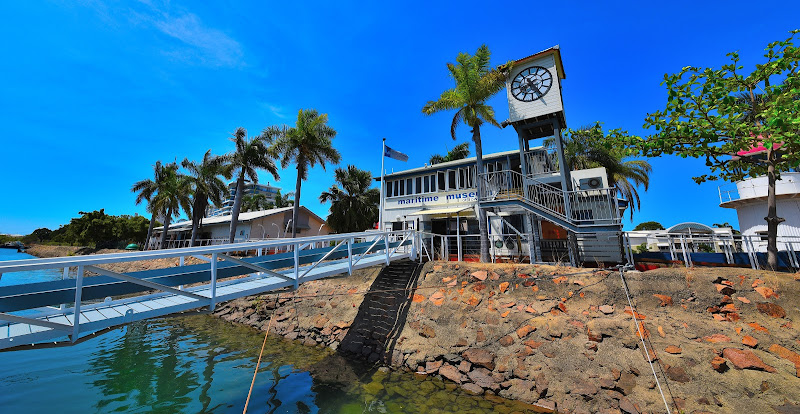
Maritime Museum of Townsville
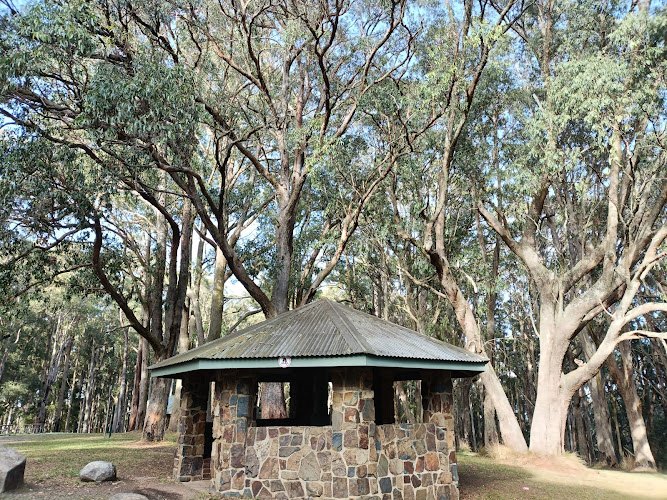
One Tree Hill Picnic Ground
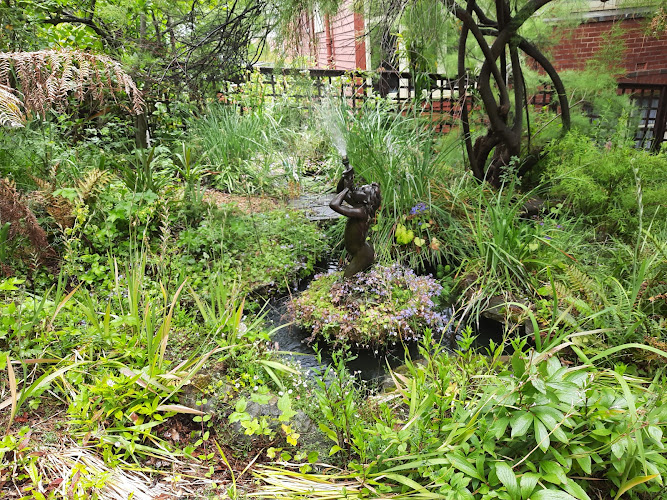
Markree House Museum and Garden
Find Accommodations Nearby
Recommended Tours & Activities
Visitor Reviews
There are no reviews yet. Be the first one to write one.
Share Your Experience
Have you visited Museum and Art Gallery of the Northern Territory? Help other travelers by leaving a review.