
Markree House Museum and Garden
About Markree House Museum and Garden
Description
Markree House Museum and Garden in Hobart, Tasmania is a house museum that reads like a time capsule with personality. Housed in an elegant 1926 residence, it showcases a layered domestic history through original antiques, family heirlooms and a quietly charming vintage garden. Visitors often expect a tightly curated art gallery or a formal history museum; instead they find something more intimate — rooms that still breathe the rhythms of ordinary life, filled with objects that speak of everyday choices, style and the particular tastes of the household that once lived there.
The building itself carries architectural cues from the early 20th century — think warm timber joinery, period plasterwork and details that hint at Arts and Crafts influences without being showy. The home has patina in all the right places: brass fittings mellowed by decades of use, floorboards that tell stories underfoot, and windows that frame garden views with a kind of cinematic calm. It feels like stepping into a well-kept family album, except the album is three-dimensional and you can walk through it.
Inside, the collection leans toward domestic furnishings and decorative arts rather than blockbuster paintings or archaeological relics. There are upholstered pieces, hand-crafted furniture, porcelain, silverware and framed photographs — items that mark ordinary domestic life across decades. These are not anonymous museum objects; many are identified with provenance and family stories. That provenance gives the rooms emotional texture, connecting visitors to the human scale of history rather than only dates and labels. For travelers who enjoy material culture, appreciation of craft, or the quiet drama of domestic interiors, that connection matters a lot.
The art gallery aspect is subtle. Rather than a large contemporary exhibition program, the emphasis is on small curated displays, often themed around particular rooms or periods. Occasionally local artists are showcased in the context of the house, which makes for an appealing contrast: contemporary artworks placed against period wallpapers and vintage furniture. It keeps the experience fresh and gently surprising. One could easily linger for an hour and still feel they have only brushed the surface.
Markree House is also a history museum in the sense that it preserves and interprets local life and social history, rather than focusing exclusively on well-known historical events. Exhibits explore daily routines, interior trends, and the continuity of family life in Hobart across the 20th century. The museum does a good job of making history relatable: labels are concise, stories are human-scale, and there is an evident care in presenting objects as things that were used and loved, not just displayed.
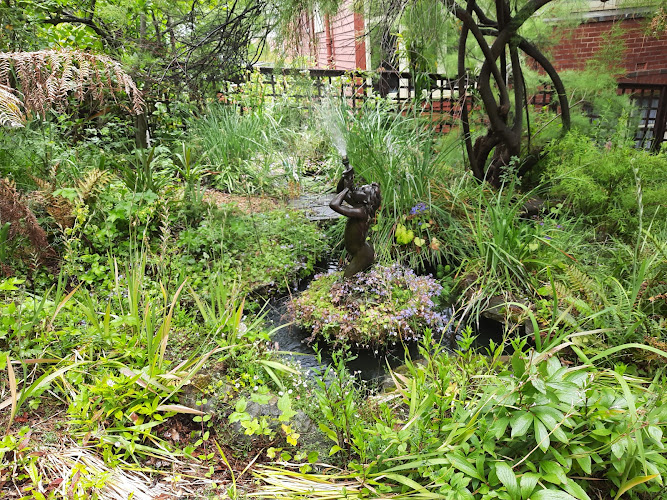
The garden is a signature feature and, honestly, it steals hearts. It has a vintage, slightly wild quality — not manicured modern landscaping but a garden that matches the house: considered, slightly old-fashioned, and full of little discoveries. There are mature plantings, sheltered seating spots, and a sense of seasonal change that is particularly satisfying in Tasmania where the light can be so clear. For many visitors, the garden is the place they remember long after they leave; it’s perfect for a quiet moment with a travel journal or simply to breathe after a day of sightseeing in Hobart.
Accessibility is relatively straightforward, though visitors should be aware that historic houses often have narrow doorways and original staircases. The museum tends to feel personal and low-key rather than institutional. That means friendly volunteer guides, small group tours and an atmosphere that invites questions. If a traveler enjoys hearing anecdotes — the little domestic dramas and family tales that museums of this scale do well — they will likely leave satisfied. For people who prefer big interactive exhibits, this might feel quieter than expected, but in a good way: the pace is unhurried, the details reward close looking.
What sets Markree House apart from bigger cultural attractions is scale and intimacy. Many visitors who have been to large state museums or galleries in Hobart find Markree a welcome counterpoint: personal stories, domestic objects, and a garden that functions like an outdoor room. It complements, rather than competes with, Hobart’s larger museums and art institutions. Those who are weaving a cultural itinerary through the city will find that a stop here adds texture to their understanding of Tasmanian life: how people lived, what they kept, and how interiors changed over decades.
The museum’s curatorial approach balances preservation with accessibility. Interpretive materials are designed to provide context without overwhelming — short, readable labels and occasional thematic displays that invite reflection. Photography policies may vary for certain rooms or objects, so expect the usual etiquette of historic house museums: ask before using a flash, and be mindful of restricted areas. The staff and volunteers are generally knowledgeable and enjoy sharing insights; they can point out architectural details, explain the provenance of striking pieces, and suggest what to notice in the garden at different seasons.
Markree House tends to attract those who appreciate the quieter pleasures of travel: slow looking, architecture, decorative arts and horticulture. Families with older children, design-minded travelers, historians, and those who like to collect small, sensory memories of a place will all find something to like. And yes, if someone is chasing Instagram-ready spots, the garden and selected rooms provide photogenic backdrops — but the real reward is seeing the objects up close and understanding their place in everyday life. There’s a gentleness to the visit that makes it unexpectedly restorative after a busy day of touring Hobart.
Practical details that matter to travelers are treated with the same sensible care one finds in the displays. Opening hours are modest and often seasonally tweaked, so checking ahead is wise. Guided tours are available at scheduled times and can greatly enhance the experience; the guides tend to weave in human stories about the house that don’t make it into plain labels. The museum’s program sometimes includes talks or small exhibitions focused on local craft and heritage, which is an excellent way to add depth to a visit — locals often recommend timing a trip to coincide with these events, if possible.
One nice, small detail: the museum encourages lingering. There are spots to sit and simply take the place in, and the garden invites a pause. The atmosphere is low-pressure, without the commercial bustle found in many tourist attractions. For those who travel slowly and savor context, Markree House feels like a reward rather than a checklist item. It’s not about ticking a box; it’s about noticing. Visitors who arrive with curiosity rather than strict expectations walk away with stories they enjoy retelling: a silver teapot with an unexpected monogram, an artist’s sketch tucked between wallpaper samples, that particular scent of damp earth and rosemary in the garden after rain.
Finally, this house museum and garden is a quiet ambassador for Hobart’s cultural life. It speaks to the value of preserving ordinary spaces and objects as a way to understand broader social history. Many travelers say it’s one of those places they might have missed if they hadn’t heard a local recommend it — and locals tend to love it too. So if a visit to Markree House Museum and Garden fits into a Hobart itinerary, expect a visit that’s gentle on the senses, rich in small details, and refreshingly human in its approach to history and art.
Key Features
More Details
Updated August 30, 2025
Table of Contents
Description
Markree House Museum and Garden in Hobart, Tasmania is a house museum that reads like a time capsule with personality. Housed in an elegant 1926 residence, it showcases a layered domestic history through original antiques, family heirlooms and a quietly charming vintage garden. Visitors often expect a tightly curated art gallery or a formal history museum; instead they find something more intimate — rooms that still breathe the rhythms of ordinary life, filled with objects that speak of everyday choices, style and the particular tastes of the household that once lived there.
The building itself carries architectural cues from the early 20th century — think warm timber joinery, period plasterwork and details that hint at Arts and Crafts influences without being showy. The home has patina in all the right places: brass fittings mellowed by decades of use, floorboards that tell stories underfoot, and windows that frame garden views with a kind of cinematic calm. It feels like stepping into a well-kept family album, except the album is three-dimensional and you can walk through it.
Inside, the collection leans toward domestic furnishings and decorative arts rather than blockbuster paintings or archaeological relics. There are upholstered pieces, hand-crafted furniture, porcelain, silverware and framed photographs — items that mark ordinary domestic life across decades. These are not anonymous museum objects; many are identified with provenance and family stories. That provenance gives the rooms emotional texture, connecting visitors to the human scale of history rather than only dates and labels. For travelers who enjoy material culture, appreciation of craft, or the quiet drama of domestic interiors, that connection matters a lot.
The art gallery aspect is subtle. Rather than a large contemporary exhibition program, the emphasis is on small curated displays, often themed around particular rooms or periods. Occasionally local artists are showcased in the context of the house, which makes for an appealing contrast: contemporary artworks placed against period wallpapers and vintage furniture. It keeps the experience fresh and gently surprising. One could easily linger for an hour and still feel they have only brushed the surface.
Markree House is also a history museum in the sense that it preserves and interprets local life and social history, rather than focusing exclusively on well-known historical events. Exhibits explore daily routines, interior trends, and the continuity of family life in Hobart across the 20th century. The museum does a good job of making history relatable: labels are concise, stories are human-scale, and there is an evident care in presenting objects as things that were used and loved, not just displayed.
The garden is a signature feature and, honestly, it steals hearts. It has a vintage, slightly wild quality — not manicured modern landscaping but a garden that matches the house: considered, slightly old-fashioned, and full of little discoveries. There are mature plantings, sheltered seating spots, and a sense of seasonal change that is particularly satisfying in Tasmania where the light can be so clear. For many visitors, the garden is the place they remember long after they leave; it’s perfect for a quiet moment with a travel journal or simply to breathe after a day of sightseeing in Hobart.
Accessibility is relatively straightforward, though visitors should be aware that historic houses often have narrow doorways and original staircases. The museum tends to feel personal and low-key rather than institutional. That means friendly volunteer guides, small group tours and an atmosphere that invites questions. If a traveler enjoys hearing anecdotes — the little domestic dramas and family tales that museums of this scale do well — they will likely leave satisfied. For people who prefer big interactive exhibits, this might feel quieter than expected, but in a good way: the pace is unhurried, the details reward close looking.
What sets Markree House apart from bigger cultural attractions is scale and intimacy. Many visitors who have been to large state museums or galleries in Hobart find Markree a welcome counterpoint: personal stories, domestic objects, and a garden that functions like an outdoor room. It complements, rather than competes with, Hobart’s larger museums and art institutions. Those who are weaving a cultural itinerary through the city will find that a stop here adds texture to their understanding of Tasmanian life: how people lived, what they kept, and how interiors changed over decades.
The museum’s curatorial approach balances preservation with accessibility. Interpretive materials are designed to provide context without overwhelming — short, readable labels and occasional thematic displays that invite reflection. Photography policies may vary for certain rooms or objects, so expect the usual etiquette of historic house museums: ask before using a flash, and be mindful of restricted areas. The staff and volunteers are generally knowledgeable and enjoy sharing insights; they can point out architectural details, explain the provenance of striking pieces, and suggest what to notice in the garden at different seasons.
Markree House tends to attract those who appreciate the quieter pleasures of travel: slow looking, architecture, decorative arts and horticulture. Families with older children, design-minded travelers, historians, and those who like to collect small, sensory memories of a place will all find something to like. And yes, if someone is chasing Instagram-ready spots, the garden and selected rooms provide photogenic backdrops — but the real reward is seeing the objects up close and understanding their place in everyday life. There’s a gentleness to the visit that makes it unexpectedly restorative after a busy day of touring Hobart.
Practical details that matter to travelers are treated with the same sensible care one finds in the displays. Opening hours are modest and often seasonally tweaked, so checking ahead is wise. Guided tours are available at scheduled times and can greatly enhance the experience; the guides tend to weave in human stories about the house that don’t make it into plain labels. The museum’s program sometimes includes talks or small exhibitions focused on local craft and heritage, which is an excellent way to add depth to a visit — locals often recommend timing a trip to coincide with these events, if possible.
One nice, small detail: the museum encourages lingering. There are spots to sit and simply take the place in, and the garden invites a pause. The atmosphere is low-pressure, without the commercial bustle found in many tourist attractions. For those who travel slowly and savor context, Markree House feels like a reward rather than a checklist item. It’s not about ticking a box; it’s about noticing. Visitors who arrive with curiosity rather than strict expectations walk away with stories they enjoy retelling: a silver teapot with an unexpected monogram, an artist’s sketch tucked between wallpaper samples, that particular scent of damp earth and rosemary in the garden after rain.
Finally, this house museum and garden is a quiet ambassador for Hobart’s cultural life. It speaks to the value of preserving ordinary spaces and objects as a way to understand broader social history. Many travelers say it’s one of those places they might have missed if they hadn’t heard a local recommend it — and locals tend to love it too. So if a visit to Markree House Museum and Garden fits into a Hobart itinerary, expect a visit that’s gentle on the senses, rich in small details, and refreshingly human in its approach to history and art.
Key Highlights
Markree House Museum and Garden
Location
Places to Stay Near Markree House Museum and Garden
Find and Book a Tour
Explore More Travel Guides
No reviews found! Be the first to review!
Traveler Reviews for Markree House Museum and Garden
There are no reviews yet. Be the first one to write one.
Have you visited Markree House Museum and Garden? Help other travelers by sharing your review.
You Might Also Like
Handmark Gallery

Deep River County Park
Lakefront Park
Find Accommodations Nearby
Recommended Tours & Activities
Visitor Reviews
There are no reviews yet. Be the first one to write one.
Share Your Experience
Have you visited Markree House Museum and Garden? Help other travelers by leaving a review.